Losing body fat does not require an expensive gym membership or hours of daily exercise. A well-structured 7-day home workout fat-loss plan can deliver measurable results when combined with proper nutrition and consistency. Research shows that home-based exercise programs effectively reduce body fat and improve metabolic health in adults of all fitness levels.
This guide provides a complete week of science-backed workouts you can do in your living room. Each day balances different training styles to maximize fat burning while protecting your joints and muscles.
Why Home Workouts Work
Science Supports Home Training
Home-based exercise delivers real physiological benefits comparable to gym training. A 2021 comparative study found that participants following home workout programs achieved similar fat loss outcomes to those exercising in gyms when caloric intake was controlled.
The key factor is consistency, not location. Adults who exercise at home often maintain better adherence because they eliminate travel time and scheduling barriers.
Benefits of Training at Home
Home workouts offer several practical advantages for busy adults:
- Time efficiency: No commute means more time for actual exercise
- Lower cost: Minimal equipment investment required
- Privacy: Exercise without feeling self-conscious
- Flexibility: Work out whenever your schedule allows
- Accessibility: No weather or gym-hours limitations
A 2025 randomized controlled trial demonstrated that home-based resistance training improved muscle strength and function during weight loss, highlighting the effectiveness of exercising at home.
Your 7-Day Workout Schedule
Day 1: Full-Body HIIT
High-intensity interval training burns significant calories in minimal time. Research published in 2024 confirms that HIIT creates a powerful afterburn effect, keeping metabolism elevated for hours post-workout.
Workout structure (20 minutes):
- Jumping jacks – 45 seconds
- Bodyweight squats – 45 seconds
- Push-ups (modify on knees if needed) – 45 seconds
- Mountain climbers – 45 seconds
- Rest – 30 seconds
- Repeat circuit 4 times
Day 2: Lower Body Strength
Strength training preserves lean muscle during fat loss. A 2025 study showed that resistance exercise during caloric restriction improved grip strength and functional performance.
Workout structure (25 minutes):
- Goblet squats or bodyweight squats – 3 sets of 12
- Walking lunges – 3 sets of 10 per leg
- Glute bridges – 3 sets of 15
- Calf raises – 3 sets of 20
- Wall sit – 3 holds of 30 seconds
Day 3: Active Recovery
Active recovery supports fat metabolism without overtaxing muscles. Light movement increases blood flow and reduces soreness.
Activities (20-30 minutes):
- Gentle yoga flow
- Walking at moderate pace
- Light stretching routine
- Foam rolling session
Day 4: Upper Body Strength
Building upper body muscle increases daily calorie expenditure. Even modest increases in lean mass boost resting metabolic rate.
Workout structure (25 minutes):
- Push-ups – 3 sets of 10-15
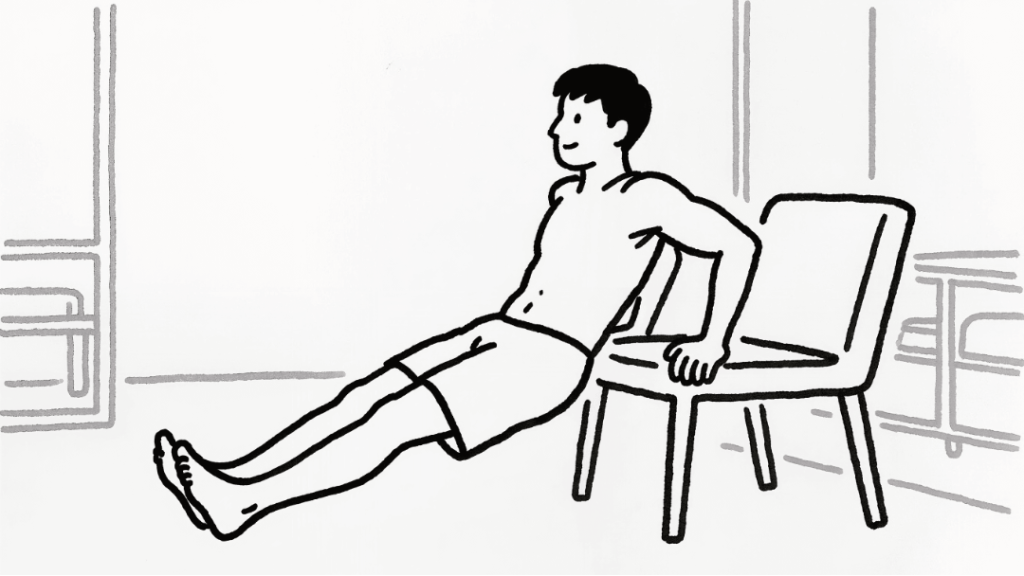
- Tricep dips (using chair) – 3 sets of 12
- Plank rows (with or without weights) – 3 sets of 10 per side
- Pike push-ups – 3 sets of 8
- Plank hold – 3 sets of 45 seconds
Day 5: Cardio Intervals
Interval training alternates between high and moderate intensity. This approach burns more calories per minute than steady-state cardio.
Workout structure (25 minutes):
- High knees – 30 seconds fast, 30 seconds rest
- Burpees – 30 seconds, 30 seconds rest
- Speed skaters – 30 seconds, 30 seconds rest
- Squat jumps – 30 seconds, 30 seconds rest
- Rest 1 minute, repeat 3-4 rounds
Day 6: Core and Mobility
A strong core improves posture and supports all other movements. Mobility work prevents injury and enhances workout quality.
Workout structure (20 minutes):
- Dead bugs – 3 sets of 10 per side
- Bird dogs – 3 sets of 10 per side
- Side planks – 2 sets of 30 seconds per side
- Cat-cow stretches – 2 minutes
- Hip circles and spine twists – 5 minutes
Day 7: Rest or Light Activity
Complete rest allows muscle repair and nervous system recovery. Alternatively, engage in enjoyable low-intensity movement.
Options:
- Total rest
- Leisurely walk
- Gentle swimming
- Light gardening
Nutrition Tips for Fat Loss
Calories Matter Most
Exercise alone rarely produces significant fat loss without dietary adjustments. A 2024 systematic review confirmed that combining exercise with caloric restriction produces superior results for reducing body fat percentage.
Aim for a moderate caloric deficit of 300-500 calories below maintenance. Severe restriction backfires by triggering muscle loss and metabolic slowdown.
Protein Supports Muscle
Adequate protein intake preserves lean mass during fat loss. Target 0.7-1 gram of protein per pound of body weight daily.
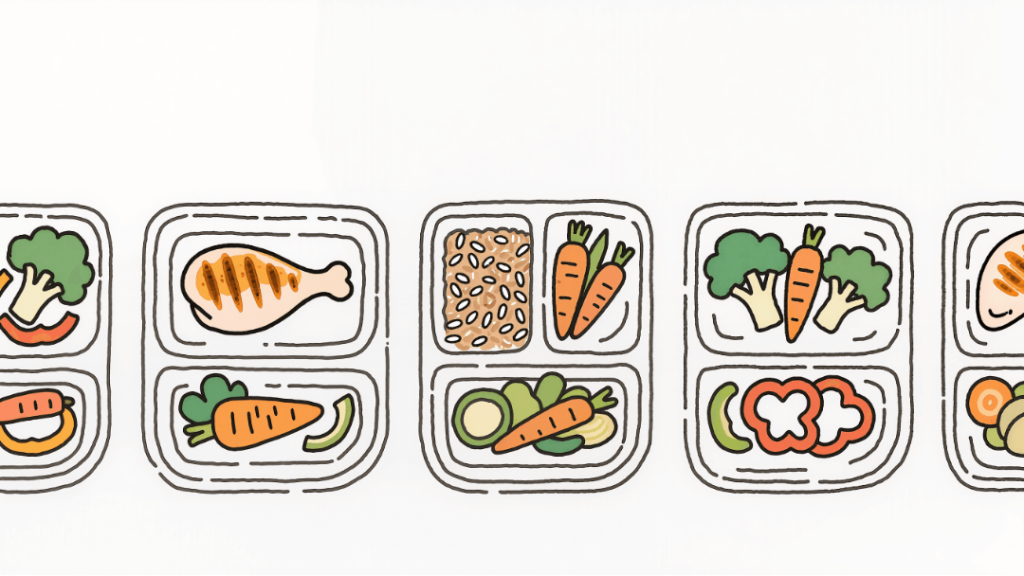
High-protein food choices:
- Chicken breast and lean meats
- Greek yogurt and cottage cheese
- Eggs and egg whites
- Legumes and tofu
- Fish and seafood
How to Maximize Results
Progressive Overload at Home
Your body adapts quickly to repeated stimuli. Increase difficulty every 1-2 weeks to continue progress.
Ways to progress without equipment:
- Add repetitions to each set
- Slow down the tempo of movements
- Reduce rest periods between exercises
- Increase range of motion
- Add pauses at the hardest point
Track Your Progress
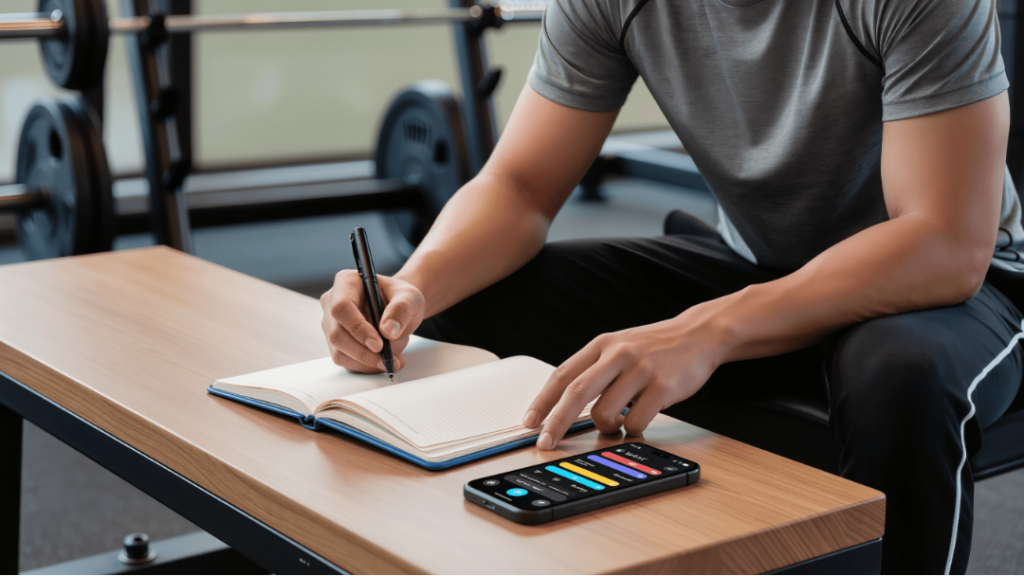
Measurement keeps you accountable and motivated. Weigh yourself weekly at the same time under consistent conditions.
Also track non-scale victories:
- How clothes fit
- Energy levels throughout the day
- Strength improvements (more reps, harder variations)
- Sleep quality
- Mood and stress levels
Stay Consistent
Consistency trumps perfection. Research shows that adherence predicts outcomes more than any specific program variable.
Missing one workout matters less than abandoning the plan entirely. Return to the schedule immediately after any disruption.
Common Mistakes to Avoid
Skipping Warm-Ups
Cold muscles are injury-prone muscles. Spend 5 minutes on dynamic movements before every session.
Effective warm-up moves include arm circles, leg swings, torso rotations, and light marching in place.
Neglecting Recovery
Overtraining stalls fat loss by elevating stress hormones. The rest days in this 7-day home workout fat-loss plan exist for physiological reasons.
Sleep 7-9 hours nightly. Poor sleep disrupts hormones that regulate hunger and metabolism.
Unrealistic Expectations
Healthy fat loss occurs at 0.5-2 pounds per week. Faster weight loss typically indicates muscle and water loss rather than fat reduction.
A four-week study period provides meaningful data. One week shows trends but not definitive results.
Equipment Recommendations
Essential Items
Most exercises in this plan require no equipment. However, a few affordable items expand your options significantly.
Budget-friendly essentials:
- Yoga mat for floor exercises
- Resistance bands (multiple tensions)
- Single pair of adjustable dumbbells
- Sturdy chair for dips and step-ups
Optional Upgrades
As fitness improves, consider adding:
- Kettlebell (15-25 lbs for beginners)
- Pull-up bar (doorframe mounted)
- Jump rope for cardio variety
- Foam roller for recovery
Research indicates that even minimal equipment home programs produce meaningful improvements in body composition and physical function.
Frequently Asked Questions
1. How much weight can I lose with a 7-day home workout fat-loss plan?
Realistic weight loss ranges from 0.5 to 2 pounds per week when combining exercise with proper nutrition. The first week may show larger drops due to water weight fluctuations. Sustainable fat loss requires consistent effort over multiple weeks rather than expecting dramatic changes in seven days. A 2024 meta-analysis found that exercise combined with caloric restriction produces the most reliable reductions in body fat percentage.
2. Can I build muscle while losing fat at home?
Body recomposition—simultaneously losing fat and gaining muscle—is achievable, especially for beginners or those returning to exercise. Research confirms that resistance training during caloric restriction preserves and can even increase lean mass. This process works best with adequate protein intake (0.7-1g per pound of body weight) and progressive strength training. Results vary based on starting fitness level and training history.
3. Is HIIT better than steady-state cardio for fat loss?
Both methods effectively burn fat through different mechanisms. HIIT creates a greater afterburn effect (excess post-exercise oxygen consumption), burning calories for hours after the workout ends. Steady-state cardio uses a higher percentage of fat for fuel during exercise but burns fewer total calories per minute. Combining both approaches, as this plan does, maximizes fat-burning potential while preventing adaptation.
4. How long should each home workout session last?
Effective home workouts range from 20-45 minutes depending on intensity and goals. High-intensity sessions require less time (20-25 minutes) because they create greater metabolic demand. Strength-focused days may extend to 30-40 minutes to allow adequate rest between sets. Quality matters more than duration—a focused 20-minute session outperforms a distracted hour.
5. What should I eat before and after home workouts?
Pre-workout nutrition should include easily digestible carbohydrates and moderate protein 1-2 hours before exercise. Examples include a banana with peanut butter or Greek yogurt with fruit. Post-workout meals should emphasize protein for muscle repair within 1-2 hours of finishing. A 2025 study demonstrated that dietary interventions combined with exercise produced better body composition outcomes than exercise alone.
6. Can beginners follow this 7-day home workout fat-loss plan?
Beginners can absolutely follow this plan with appropriate modifications. Start with fewer repetitions and longer rest periods than prescribed. Substitute high-impact moves (burpees, jump squats) with low-impact alternatives (step-backs, regular squats). Research shows that home-based programs benefit adults across all fitness levels when properly scaled. Listen to your body and progress gradually over several weeks.
7. How do I stay motivated to exercise at home?
Motivation strategies for home exercise include scheduling workouts like appointments, creating a dedicated exercise space, and tracking progress visually. Accountability partners—even virtual ones—significantly improve adherence. Setting specific, measurable goals rather than vague intentions helps maintain focus. Varying workouts prevents boredom, which is why this plan includes different training styles each day.
8. Will I see results in just one week?
One week establishes habits more than visible physical changes. Internal adaptations begin immediately—improved insulin sensitivity, better sleep quality, and enhanced mood often appear within days. Visible fat loss typically becomes noticeable after 2-4 weeks of consistent effort. Progress photos taken weekly under identical conditions reveal changes that mirror fluctuations may obscure.
9. Should I exercise every day for faster fat loss?
Daily intense exercise actually impairs fat loss by preventing adequate recovery. This plan includes strategic rest days because muscle repair and hormonal balance require downtime. Overtraining elevates cortisol, which promotes fat storage, particularly around the midsection. Active recovery days (walking, light stretching) maintain movement without stressing recovery systems.
10. Do I need supplements for my home workout fat-loss plan?
Most people achieve excellent results without supplements by focusing on whole foods. Protein powder offers convenience but provides no advantage over food-based protein sources. Creatine has research support for strength gains but is optional for general fat loss. A 2024 network meta-analysis found that dietary approaches combined with exercise, not supplements, produced the most significant improvements in body composition.
Start Your Fat-Loss Journey Today
A 7-day home workout fat-loss plan provides the structure needed to begin transforming your body without leaving home. The combination of HIIT, strength training, and active recovery addresses all components of fitness while maximizing fat burning.
Success requires patience and consistency over weeks and months, not days. Track your progress, adjust nutrition appropriately, and trust the process.
Explore more evidence-based nutrition guides to optimize your Fitness & Exercise on the Home Workouts.