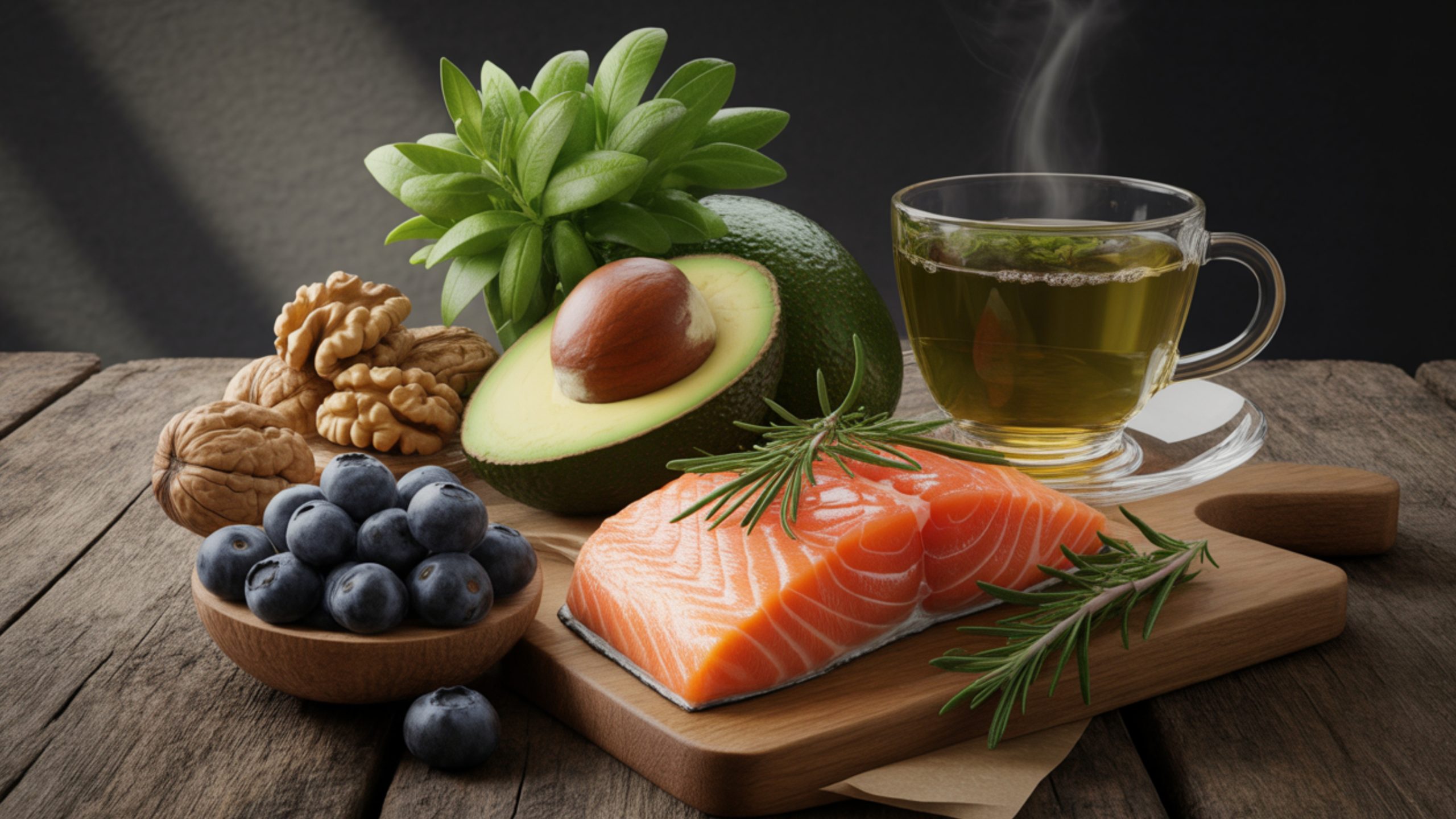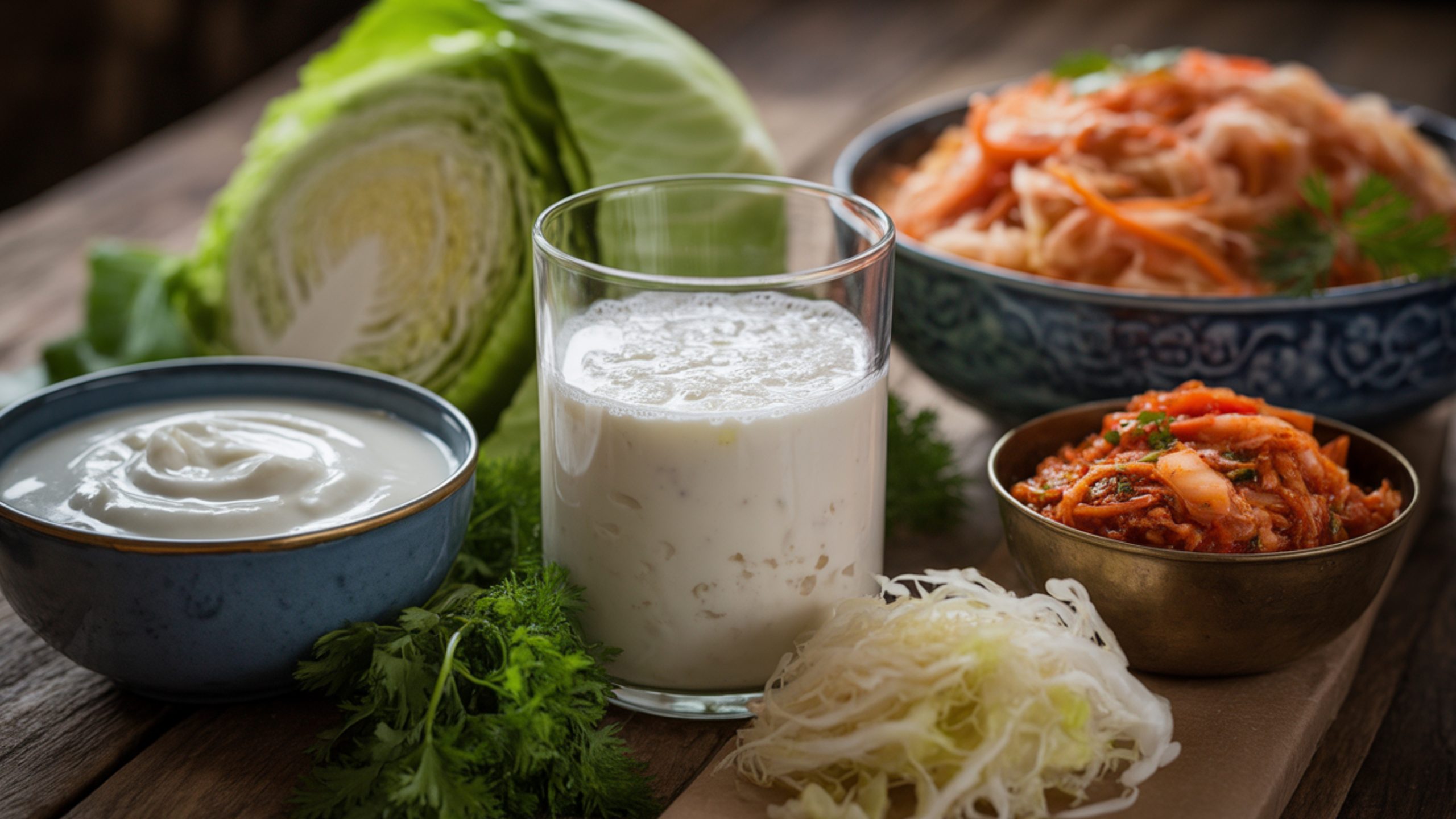
Clean eating has evolved from a trendy buzzword into a mainstream lifestyle embraced by millions seeking better health and vitality. This clean eating guide shows you how to transform your diet by focusing on whole, minimally processed foods that nourish your body naturally. In 2026, consumers are prioritizing transparency, natural ingredients, and foods that support both personal wellness and planetary health.
The principles are simple: choose foods as close to their natural state as possible, eliminate artificial additives, and focus on nutrient density over empty calories. Whether you’re entirely new to clean eating or looking to refine your approach, this comprehensive guide provides evidence-based strategies to help you succeed.
What Is Clean Eating?
Core Principles Explained

Clean eating means consuming whole, unprocessed foods while avoiding artificial ingredients, excessive added sugars, and heavily processed products. The philosophy emphasizes foods in their most natural form—fresh fruits and vegetables, whole grains, lean proteins, and healthy fats.
This approach focuses on recognizable ingredients without “chemical soup” additives that concern health-conscious consumers. Research shows that over 67% of consumers worldwide are influenced by clean-label claims when making purchasing decisions.
Whole Foods vs Processed Foods
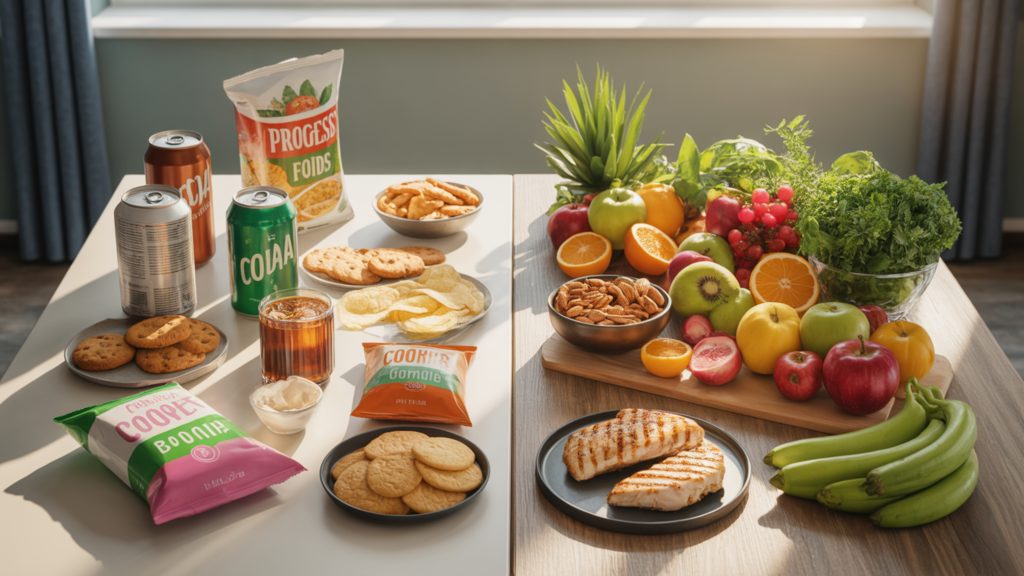
Whole foods are nutrient-dense options that provide essential vitamins, minerals, fiber, and antioxidants without empty calories. They support healthy digestion, weight management, heart health, and the diversity of the gut microbiome. Studies demonstrate that dietary patterns rich in whole foods correlate with better health markers, including improved weight, blood pressure, and cholesterol levels.
Processed foods, particularly ultra-processed varieties, often contain artificial additives, excessive sodium, added sugars, and unhealthy fats that contribute to chronic disease. Frequent consumption of ultra-processed products is associated with poorer well-being, especially among vulnerable populations.
Benefits of Clean Eating
Following a clean eating approach offers multiple benefits backed by scientific research. Whole foods provide superior nutrient density, natural fiber for digestive health, and antioxidants that combat free radicals. The fiber and nutrients in whole foods help control appetite, prevent overeating, and support a healthy gut microbiome that benefits immune function and mental well-being.
Clean eating patterns also support stable blood sugar levels, sustained energy throughout the day, and reduced inflammation—a root cause of many chronic conditions.
2026 Clean Eating Trends
Plant-Based 2.0 Movement
The plant-based movement has matured significantly in 2026. Consumers now demand cleaner labels and whole-food ingredients instead of ultra-processed meat alternatives. The new generation focuses on whole-food proteins like lentils, quinoa, tempeh, and chickpeas that provide natural nutrition without extensive processing.
This shift reflects growing awareness that not all plant-based products are created equal. Simple, recognizable ingredients matter more than ever.
Fiber-Forward Products
Fiber is finally getting the attention it deserves in 2026. While protein dominated recent years, fiber is now recognized as essential for gut health, digestive wellness, and natural satiety. Food brands are launching fiber-forward pastas, breads, crackers, and bars featuring ingredients like cassava, chicory, and konjac.
Fruits, vegetables, and whole grains remain the best fiber sources, with prebiotic beverages and oats starring in up-and-coming products.
Clean Label Standards
The clean label movement has become standard rather than optional. Consumers expect organic production, no artificial additives or preservatives, non-GMO ingredients, and clear, honest labeling. Clean-label products saw 8% sales increases in 2024, significantly outpacing other categories.
Nearly 70% of consumers now say they’re very conscious of ingredients that could harm their health. This heightened awareness has transformed clean labels from niche preference into mainstream expectation.
Foods to Eat on a Clean Diet
Fresh Fruits and Vegetables
Colorful produce forms the foundation of clean eating. Fresh fruits and vegetables provide essential vitamins, minerals, antioxidants, and fiber with minimal calories. Aim for a rainbow of colors to maximize nutrient diversity and phytonutrient intake.
Choose organic when possible for the “Dirty Dozen” produce items most contaminated with pesticide residues. Frozen options without added sauces or sugars are excellent alternatives when fresh isn’t available.
Whole Grains and Complex Carbs
Whole grains deliver sustained energy through complex carbohydrates, fiber, B vitamins, and minerals. Choose minimally processed options like:
- Quinoa
- Brown rice
- Oats
- Farro
- Barley
- Whole wheat
- Buckwheat
Avoid refined grains stripped of their nutritious bran and germ layers. Whole grains support digestive health, stable blood sugar, and cardiovascular wellness.
Lean Proteins and Legumes
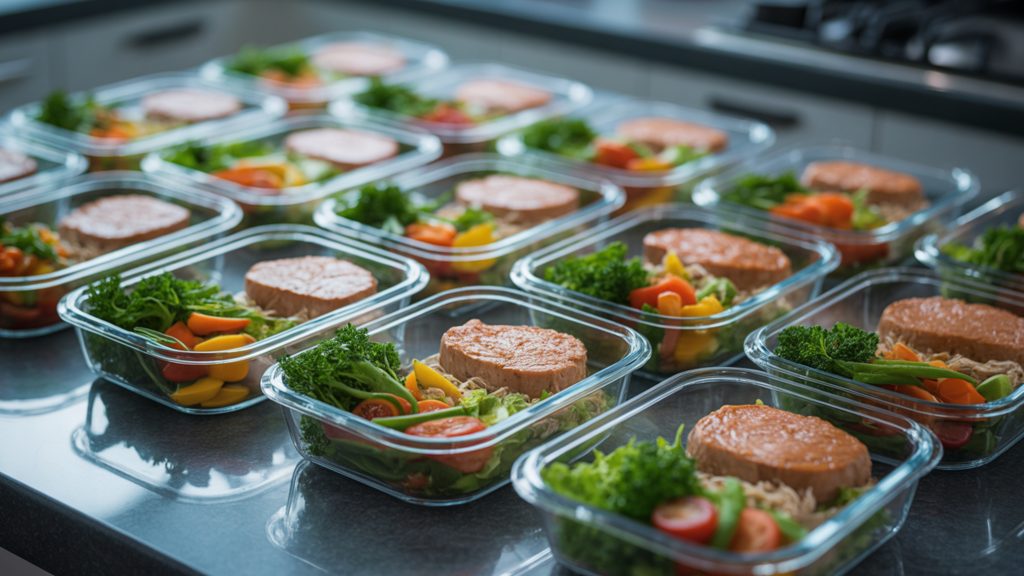
High-quality protein sources are essential for muscle maintenance, hormone production, and cellular repair. Clean protein options include:
- Wild-caught fish (salmon, sardines, mackerel)
- Pasture-raised poultry
- Grass-fed beef (in moderation)
- Eggs from pasture-raised chickens
- Legumes (lentils, chickpeas, black beans)
- Tempeh and organic tofu
Choose proteins raised without antibiotics or hormones whenever possible.
Healthy Fats and Oils
Not all fats are created equal. Focus on whole food sources of healthy fats:
- Avocados
- Nuts (almonds, walnuts, cashews)
- Seeds (chia, flax, pumpkin, hemp)
- Olive oil (extra virgin)
- Coconut oil (unrefined)
- Fatty fish rich in omega-3s
These fats support brain health, hormone production, nutrient absorption, and satiety.
Dairy and Alternatives
If consuming dairy, choose organic, grass-fed options without added sugars or artificial ingredients. Plain Greek yogurt, kefir, and aged cheeses provide beneficial probiotics and protein.
Plant-based alternatives like unsweetened almond milk, oat milk, or coconut yogurt can work well, but check labels for minimal additives and avoid products with long ingredient lists.
Foods to Avoid or Limit
Ultra-Processed Foods
Ultra-processed foods contain ingredients you wouldn’t use in home cooking—artificial colors, flavors, preservatives, emulsifiers, and texture modifiers. These products typically come in packages and have extensive ingredient lists that include unrecognizable ingredients.
Research consistently links consumption of ultra-processed foods to poor health outcomes, inflammation, and increased disease risk.
Added Sugars and Sweeteners
Excessive intake of added sugars contributes to weight gain, insulin resistance, inflammation, and chronic disease. Common sources include:
- Sodas and sweetened beverages
- Candy and baked goods
- Flavored yogurts
- Breakfast cereals
- Condiments and sauces
Read labels carefully—sugar hides under 60+ different names. Limit added sugars to less than 25 grams daily for women and 36 grams for men.
Artificial Ingredients and Additives
Clean eating means avoiding artificial colors, flavors, preservatives, and chemical additives. These substances offer no nutritional value and may have unknown long-term health effects.
If you can’t pronounce an ingredient or don’t recognize it as food, that’s a red flag. Choose products with short, simple ingredient lists.
Trans Fats and Hydrogenated Oils
Trans fats and partially hydrogenated oils damage cardiovascular health and increase inflammation. Check labels for “partially hydrogenated” oils and avoid them altogether.
Many processed snacks, baked goods, and fried foods contain these harmful fats. Stick with whole food fat sources instead.
Clean Eating Meal Planning
Weekly Planning Strategy

Successful clean eating starts with planning. Dedicate time weekly to:
- Review your schedule and plan meals accordingly
- Create a detailed grocery list organized by store section
- Prep ingredients in advance (wash produce, cook grains, portion proteins)
- Batch cook staples like quinoa, brown rice, and roasted vegetables
Planning prevents last-minute unhealthy choices and reduces food waste.
Sample Daily Meal Plan
Breakfast: Plain Greek yogurt with mixed berries, sliced almonds, and chia seeds
Snack: Apple slices with natural almond butter
Lunch: Mixed greens with grilled chicken, avocado, cherry tomatoes, chickpeas, and olive oil-lemon dressing
Snack: Hummus with raw vegetables (carrots, bell peppers, cucumber)
Dinner: Baked salmon with roasted sweet potato and steamed broccoli
This balanced approach provides protein, healthy fats, complex carbohydrates, and abundant produce.
Grocery Shopping Tips
Shop the store’s perimeter, where fresh produce, proteins, and dairy are typically located. The center aisles contain more processed options.
Read ingredient lists, not just nutrition facts. Choose products with five ingredients or fewer, all of which you recognize as actual food. Buy seasonal produce for better flavor, nutrition, and value.
Meal Prep Basics
Dedicate 2-3 hours weekly for meal prep:
- Wash and chop vegetables for quick access
- Cook large batches of grains and legumes
- Prepare 2-3 protein options
- Portion snacks into grab-and-go containers
- Make overnight oats or chia pudding for breakfast
Proper meal prep makes clean eating convenient and sustainable in the long term.
Sustainable Clean Eating
Environmental Considerations
Clean eating aligns naturally with environmental sustainability. Choosing whole, plant-forward foods reduces your carbon footprint and improves your personal health. Studies show that diets rich in whole plant foods have significantly lower environmental impacts than those heavy in animal products and processed foods.
Reduce food waste by planning meals carefully, storing food properly, and using leftovers creatively. Even small changes create meaningful environmental benefits.
Local and Seasonal Foods
Buying local, seasonal produce supports regional farmers, reduces transportation emissions, and provides fresher, more nutrient-dense foods. Visit farmers’ markets to connect with food sources and discover seasonal varieties.
Seasonal eating naturally encourages dietary diversity year-round. Winter squashes give way to spring asparagus, summer berries, and fall root vegetables.
Budget-Friendly Clean Eating
Clean eating doesn’t require breaking the bank. Cost-effective strategies include:
- Buy whole foods in bulk (grains, beans, nuts, seeds)
- Choose frozen fruits and vegetables without additives
- Select seasonal produce when it is most affordable
- Cook at home instead of buying prepared foods
- Grow herbs or easy vegetables if space allows
While whole foods may cost more upfront, they align with better long-term health outcomes and lower healthcare costs.
Common Clean Eating Mistakes
All-or-Nothing Mentality
Clean eating isn’t about perfection. An overly restrictive approach can lead to stress, social isolation, and eventual burnout. Focus on progress, not perfection. The 80/20 rule works well—eat clean 80% of the time and allow flexibility for the remaining 20%.
Ignoring Portion Sizes
Even healthy foods contain calories. Nuts, avocados, and whole grains are nutritious but calorie-dense. Practice mindful eating and appropriate portions to support your health goals without overeating.
Neglecting Protein Intake
Some people eliminate animal products without adequately replacing those protein sources. Whether you eat animal or plant proteins, ensure you’re meeting your daily protein needs for muscle maintenance, satiety, and metabolic health.
Over-Restricting Food Groups
Unless you have medical reasons or ethical concerns, unnecessarily eliminating entire food groups can lead to nutrient deficiencies. A balanced approach incorporating diverse whole foods provides optimal nutrition.
Frequently Asked Questions About Clean Eating
What is clean eating, and how do I start?
Clean eating means choosing whole, minimally processed foods while avoiding artificial ingredients, excessive added sugars, and ultra-processed products. Start by incorporating more fresh fruits, vegetables, whole grains, and lean proteins into meals. Gradually reduce processed foods, read ingredient labels, and focus on recognizable ingredients. Begin with one meal daily and expand from there.
Is clean eating expensive or budget-friendly?
Clean eating can fit any budget with innovative strategies. Buy seasonal produce, purchase whole grains and legumes in bulk, choose frozen vegetables without additives, and cook at home. While some upfront costs are higher, they provide better long-term health outcomes and may reduce healthcare costs. Processed convenience foods often cost more per serving than homemade, whole food meals.
Can I eat clean and still enjoy food?
Absolutely! Clean eating enhances food enjoyment by highlighting natural flavors and textures. Use herbs, spices, citrus, and healthy fats to create delicious meals without relying on processed ingredients. The 80/20 approach allows flexibility for social occasions and special treats while maintaining overall healthy patterns.
What’s the difference between clean eating and other diets?
Clean eating is a lifestyle approach focused on food quality and minimal processing rather than calorie counting or macronutrient ratios. Unlike restrictive diets with specific rules, clean eating provides flexible principles adaptable to various dietary preferences—omnivore, vegetarian, vegan, paleo, or Mediterranean. The emphasis is on whole foods regardless of specific eating patterns.
Do I need to buy everything organic?
Not necessarily. Prioritize organic for the “Dirty Dozen” produce items with the highest pesticide residues (strawberries, spinach, kale, apples, grapes, etc.). For the “Clean Fifteen” with the lowest residues, conventional options are fine. Focus first on increasing overall fruit and vegetable intake, then gradually incorporate organic options as budget allows.
How long does it take to see results from clean eating?
Many people notice improved energy, better digestion, and clearer skin within 2-4 weeks of consistent clean eating. Weight changes and metabolic improvements typically become evident after 4-8 weeks. Long-term benefits for chronic disease prevention and overall health develop over months and years of sustained healthy eating patterns.
Can clean eating help with weight loss?
Clean eating naturally supports healthy weight management by emphasizing nutrient-dense, high-fiber foods that promote satiety while reducing the intake of empty calories from processed products. The fiber and nutrients in whole foods help control appetite and prevent overeating. However, portion control still matters—even healthy foods contain calories. Combine clean eating with appropriate portions and regular physical activity for optimal weight outcomes.
What are the biggest clean eating mistakes to avoid?
Common mistakes include adopting an all-or-nothing mentality that leads to burnout, neglecting adequate protein intake, ignoring portion sizes even with healthy foods, and unnecessarily restricting entire food groups. Other pitfalls include not planning meals (leading to poor choices when hungry), expecting perfection, and falling for “health halo” marketing on processed products labeled “natural” or “organic” but still heavily processed.
How do I eat clean when dining out?
Research restaurant menus in advance and look for grilled, baked, or roasted proteins with vegetable sides. Ask for dressings and sauces on the side, request substitutions (vegetables instead of fries), and avoid fried foods. Choose restaurants that emphasize fresh, whole ingredients. Don’t be afraid to ask how dishes are prepared. Most restaurants accommodate reasonable requests.
Is clean eating safe for everyone, including children?
Clean eating principles—emphasizing whole foods, fruits, vegetables, whole grains, and lean proteins—support optimal health for most people, including children. However, children have specific nutritional needs for growth and development. Avoid overly restrictive approaches with kids and ensure adequate calories and nutrients. Consult a pediatrician or a registered dietitian before making significant dietary changes for children, especially if they have health conditions.
Transform Your Health with Clean Eating
Clean eating isn’t a temporary diet—it’s a sustainable lifestyle that nourishes your body with the wholesome foods it needs to thrive. Start with small, manageable changes rather than overwhelming overhauls. Add more vegetables to meals, swap refined grains for whole grains, and gradually reduce processed foods.
Remember that progress matters more than perfection. Every whole food choice supports your health journey, even if you’re not 100% “clean” all the time. The principles you’ve learned in this guide provide a solid foundation for lifelong wellness. Explore more evidence-based nutrition guides to optimize your health and wellness.