
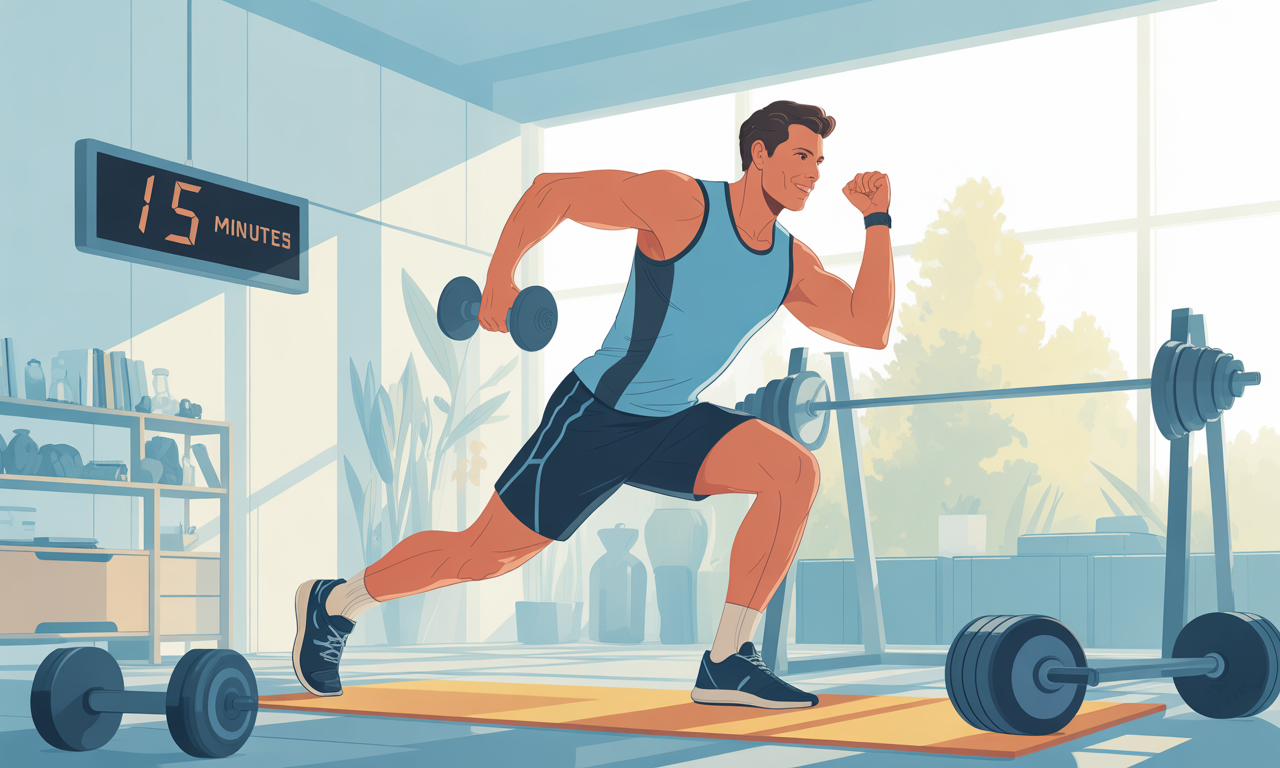
Juggling fatherhood responsibilities while maintaining peak physical conditioning presents unique challenges. Most dads struggle to carve out gym time between school drop-offs, work commitments, and family obligations.
The solution lies in strategic, condensed training sessions that maximize physiological adaptations. Research from the University of South Australia demonstrates that a 15 minute workout can substantially improve fitness markers, energy levels, and overall health.
This time-efficient approach eliminates excuses while delivering measurable results. Whether you’re a seasoned athlete or just beginning your fitness journey, these proven protocols transform your body without monopolizing your schedule.
Why Time-Compressed Training Works
High-intensity interval training revolutionizes fitness for time-starved fathers. Scientific evidence confirms that abbreviated sessions produce comparable cardiovascular benefits to traditional extended workouts. The metabolic advantages extend hours beyond your training window through excess post-exercise oxygen consumption.
Neurological Benefits Emerge Quickly
Cognitive performance enhancement manifests within minutes of physical exertion. Research published in Neuropsychologia revealed that participants demonstrated 14 percent improved reaction times after just 10 minutes of moderate-vigorous cycling. Your brain processes information faster, sharper, and more efficiently.
Decision-making capabilities strengthen alongside physical adaptations. This dual benefit proves invaluable for fathers managing complex daily responsibilities.
Hormonal Cascade Activation
Compound movements trigger substantial testosterone and growth hormone secretion. These anabolic hormones facilitate muscle protein synthesis and fat oxidation. Brief, intense training sessions maximize hormonal responses while minimizing cortisol elevation.

Essential Components of Effective Abbreviated Sessions
Structure determines success in condensed training protocols. The 15 minute workout requires strategic exercise selection prioritizing multi-joint movements. Single-muscle isolation exercises waste precious training minutes without corresponding functional benefits.
Compound Movement Superiority
Multi-joint exercises activate numerous muscle groups simultaneously, enhancing intermuscular coordination. Squats, deadlifts, push-ups, and rows provide comprehensive muscular stimulation. These movements improve joint mobility while developing both muscular and joint stability.
Caloric expenditure escalates dramatically compared to isolation exercises. Your body burns significantly more energy during compound movements and continues elevated calorie consumption post-workout.
Progressive Overload Implementation
Adaptation requires consistent stimulus escalation. Increase resistance, volume, or intensity weekly to maintain physiological progress. Track performance metrics meticulously to ensure continuous improvement trajectory.
Simple modifications like adding repetitions or decreasing rest intervals provide progressive challenge. Sustainable advancement prevents plateaus while accommodating fluctuating energy levels.
Strategic Rest Interval Manipulation
Work-to-rest ratios dramatically influence training outcomes. Moderate rest periods between 30-90 seconds maintain elevated heart rate while allowing partial recovery. This balance optimizes both cardiovascular conditioning and muscular endurance.
Active recovery intervals incorporating dynamic stretching enhance blood flow without compromising intensity. Movement-based rest periods prepare your body for subsequent exercise bouts.
The Ultimate 15 Minute Workout Protocol
This scientifically-structured routine delivers comprehensive full-body stimulation. Perform this circuit three times weekly on non-consecutive days for optimal recovery. Each movement targets multiple muscle groups while elevating cardiovascular demand.
Dynamic Warm-Up Sequence
Never skip preparatory movement patterns, especially after age 40. Dedicate five minutes to joint mobilization and muscular activation. This critical phase prevents injury while enhancing subsequent performance quality.
Execute these movements for 30 seconds each:
- Arm circles forward and backward
- Hip circles in both directions
- Bodyweight squats with overhead reach
- Alternating reverse lunges with rotation
- Glute bridges with pause at top
- Push-up position shoulder taps
- World’s greatest stretch progression
- Light jumping jacks or march in place
Power Circuit Execution
Complete three rounds of this sequence with minimal transition time. Maintain proper form over rushing through repetitions. Quality movement patterns prevent injury while maximizing muscle fiber recruitment.
Round 1-3 (repeat 3 times):
- Goblet squats – 12 repetitions
- Push-ups (modify on knees if needed) – 10 repetitions
- Romanian deadlifts or kettlebell swings – 12 repetitions
- Bent-over rows (dumbbells or resistance band) – 10 repetitions per arm
- Mountain climbers – 20 total repetitions
- Plank hold – 30 seconds
Rest 60 seconds between complete rounds. Focus on controlled tempo during eccentric (lowering) phases to maximize time under tension. This mechanical stress stimulates muscle growth and strength development.
Metabolic Finisher Options
Reserve final two minutes for elevated intensity intervals. These concluding efforts maximize post-exercise caloric burn through metabolic disturbance. Select one finisher per session to maintain training variety.
Option A: Burpees – 20 seconds maximum effort, 10 seconds rest, repeat 4 times
Option B: Kettlebell swings – continuous 90 seconds at moderate pace
Option C: High knees running in place – 30 seconds explosive, 30 seconds recovery, repeat twice
Optimizing Recovery Between Sessions
Adaptation occurs during rest periods, not training sessions. Fathers over 40 require enhanced recovery protocols compared to younger athletes. Insufficient recuperation compromises subsequent workout quality and increases injury susceptibility.
Sleep Architecture Matters
Participants in the 15 Minute Challenge reported 8 percent improvements in sleep quality. Prioritize seven to nine hours nightly for optimal hormonal balance and tissue repair. Sleep deprivation sabotages training adaptations regardless of workout quality.
Establish consistent sleep-wake schedules even on weekends. Your circadian rhythm regulates countless physiological processes including muscle protein synthesis.
Active Recovery Integration
Incorporate low-intensity movement on non-training days. Walking, gentle cycling, or recreational family activities promote blood flow without taxing recovery resources. These sessions accelerate metabolic waste removal while maintaining movement habits.
Twenty-minute recovery routines combining mobility work, foam rolling, and diaphragmatic breathing reduce morning stiffness significantly. Address tissue quality issues before they escalate into movement compensations.
Nutritional Timing Strategies
Consume protein within two hours post-workout to optimize muscle protein synthesis. Adequate protein intake throughout the day supports recovery and lean mass preservation. Busy fathers benefit from convenient protein sources like Greek yogurt, eggs, and quality protein powder.
Hydration status profoundly influences performance and recovery. Maintain consistent fluid intake throughout the day, especially during training sessions.
Common Mistakes Destroying Your Results
Even experienced lifters sabotage progress through preventable errors. Awareness of these pitfalls protects your investment of time and effort. Small adjustments yield disproportionate improvements in outcomes.
Sacrificing Form for Speed
Rushed repetitions with compromised technique increase injury risk while reducing muscular tension. Control every movement phase, particularly during eccentric loading. Three-second lowering phases enhance strength development safely.
Video record your training sessions periodically. Self-assessment reveals movement compensations invisible during real-time execution.
Neglecting Movement Preparation
Diving directly into intense exercise without adequate warm-up invites disaster. Fathers over 40 require extended preparation periods addressing reduced tissue elasticity. Eight to ten minutes of graduated warm-up activities prepare your neuromuscular system optimally.
Joint mobility and tissue quality decline without consistent attention. Daily five-minute mobility routines compound into substantial long-term benefits.
Inconsistent Training Frequency
Sporadic workout patterns prevent meaningful adaptations. The 15 minute workout delivers results through consistent execution, not occasional heroic efforts. Three properly executed weekly sessions surpass five haphazard attempts.
Schedule training appointments non-negotiably like critical work meetings. Consistency trumps intensity for long-term success.
Ignoring Progressive Adaptation
Repeating identical workouts indefinitely guarantees stagnation. Your body adapts to imposed demands, requiring continuous challenge escalation. Implement small progressive increments weekly through additional repetitions, increased resistance, or reduced rest periods.
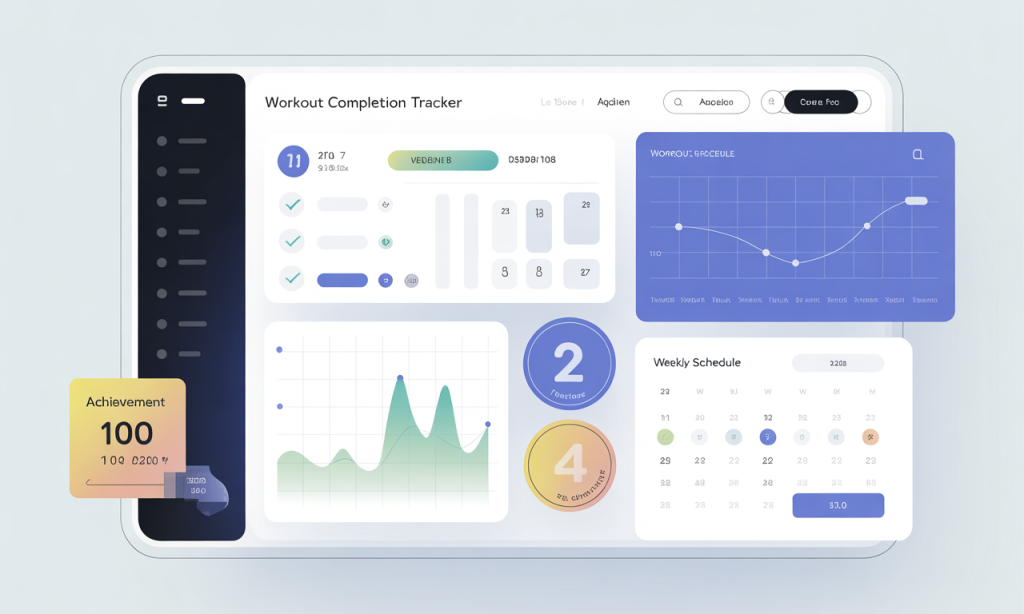
Document every training session meticulously. Objective data prevents guesswork and emotional decision-making regarding programming adjustments.

Adapting Protocols Across Different Life Stages
Physiological capabilities and recovery demands shift throughout your lifespan. The 15 minute workout framework accommodates these transitions through intelligent modification. Honor your current capacities while pursuing continuous improvement.
Twenty to Thirty-Something Dads
Younger fathers typically possess superior recovery abilities and tissue resilience. Exploit these advantages through aggressive progressive overload. Your body tolerates higher training volumes and intensities with minimal consequence.
Prioritize movement pattern mastery establishing foundations for decades ahead. Technical proficiency prevents future injury while maximizing long-term performance potential.
Forty-Plus Training Modifications
Joint preservation becomes paramount entering your fifth decade. Emphasize controlled tempo repetitions over explosive ballistic movements initially. Three-second eccentric phases build strength safely while reducing connective tissue stress.
Increase warm-up durations to ten minutes addressing reduced tissue elasticity. Schedule two complete recovery days weekly allowing adequate regeneration. Active recovery counts—easy walking or playing with children maintains movement without compromising recuperation.
Chronic Condition Considerations
Adults managing health conditions still benefit tremendously from regular exercise. The CDC recommends 150 minutes weekly moderate-intensity activity plus two strength training sessions for individuals with chronic conditions. Consult healthcare providers before initiating new programs.
The 15 minute workout accommodates various limitations through exercise substitutions. Seated variations, reduced range-of-motion movements, or eliminated impact exercises maintain training consistency despite restrictions.
Amplifying Results Through Lifestyle Integration
Training represents just one component of comprehensive fitness. Environmental factors, nutritional choices, and stress management profoundly influence outcomes. Holistic approaches multiply training adaptations exponentially.
Incorporate Functional Movement Daily
Beyond structured workouts, embrace physically active parenting strategies. Carry children or groceries farmer-walk style strengthening grip and core. Play active games with kids counting as legitimate conditioning work.
These micro-training opportunities accumulate substantial volume across weeks and months. Movement integration throughout daily activities complements dedicated training sessions beautifully.
Stress Mitigation Techniques
Chronic psychological stress elevates cortisol, impairing recovery and promoting abdominal fat accumulation. The 15 minute workout itself provides stress relief through endorphin release and mental clarity. Participants reported 7.1 percent mood improvements following the training protocol.
Implement basic stress management practices like diaphragmatic breathing, nature exposure, or meditation. Two minutes of focused breathing post-workout transitions your nervous system toward recovery mode.
Social Accountability Structures
Training partners or online communities dramatically improve adherence rates. Share goals, progress photos, and challenges with supportive individuals. Accountability transforms nebulous intentions into concrete commitments.
Consider recruiting a fellow dad friend for weekly training sessions. Mutual encouragement overcomes motivation fluctuations inevitable during challenging periods.
Frequently Asked Questions
Can a 15 minute workout really build muscle effectively?
Absolutely—muscle growth depends on mechanical tension, metabolic stress, and muscle damage rather than workout duration. High-intensity compound exercises within abbreviated sessions provide sufficient stimulus for hypertrophy when combined with progressive overload and adequate nutrition.
Research demonstrates that properly structured brief workouts generate comparable strength gains to extended traditional sessions. The key lies in maximizing training density through minimal rest periods and strategic exercise selection targeting multiple muscle groups simultaneously.
How many calories does a 15 minute workout burn?
Caloric expenditure varies based on body composition, exercise intensity, and movement selection, typically ranging from 150-300 calories during the session. The metabolic advantages extend significantly beyond the workout through excess post-exercise oxygen consumption, potentially doubling total energy expenditure.
High-intensity interval protocols demonstrate superior calorie burning compared to steady-state cardio of equivalent duration. Men performing 13 minutes of HIIT burned more calories per minute than those completing 40 minutes of steady cardio in published research.
What equipment do I need for home workouts?
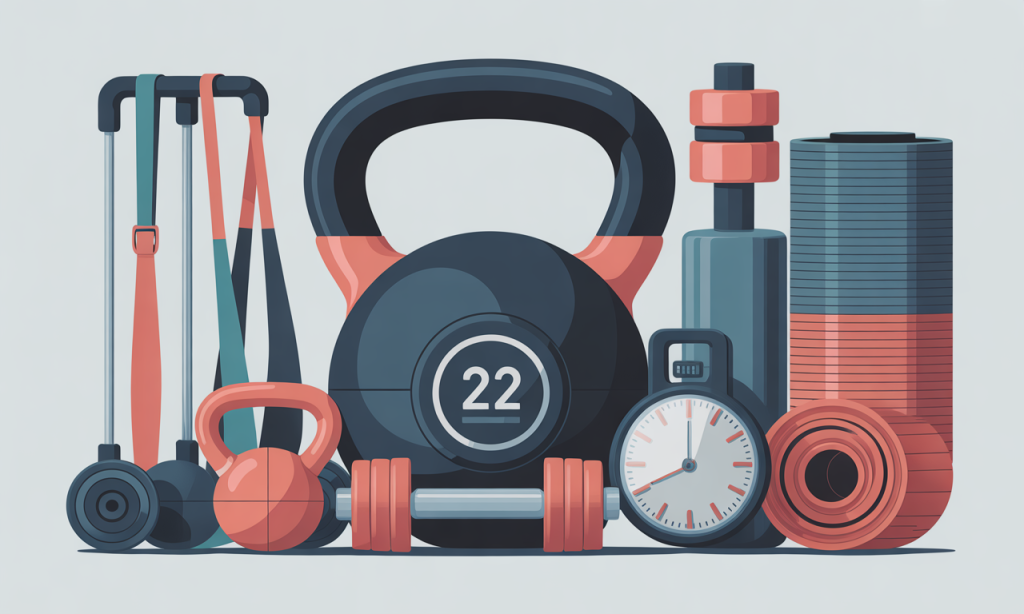
Minimal equipment enables comprehensive training—a single kettlebell or dumbbell set, resistance bands, and an exercise mat suffice for complete programming. Bodyweight exercises provide substantial training stimulus, particularly for beginners or those returning after extended breaks.
As strength improves, adjustable dumbbells or kettlebells accommodate progressive resistance increases without cluttering limited space. Many effective compound movements require zero equipment, making the 15 minute workout accessible regardless of financial constraints or living arrangements.
Should I do cardio or strength training first?
Integrate both modalities simultaneously through circuit-style programming rather than separating them sequentially. Compound strength exercises performed at elevated intensity provide cardiovascular conditioning while building lean muscle mass. This hybrid approach maximizes time efficiency perfectly suited for abbreviated sessions.
If preferring distinct cardio work, execute strength training first when neuromuscular freshness optimizes technique and power output. Reserve pure cardiovascular efforts for separate shorter sessions on non-lifting days or as workout finishers.
How long before I see visible results?
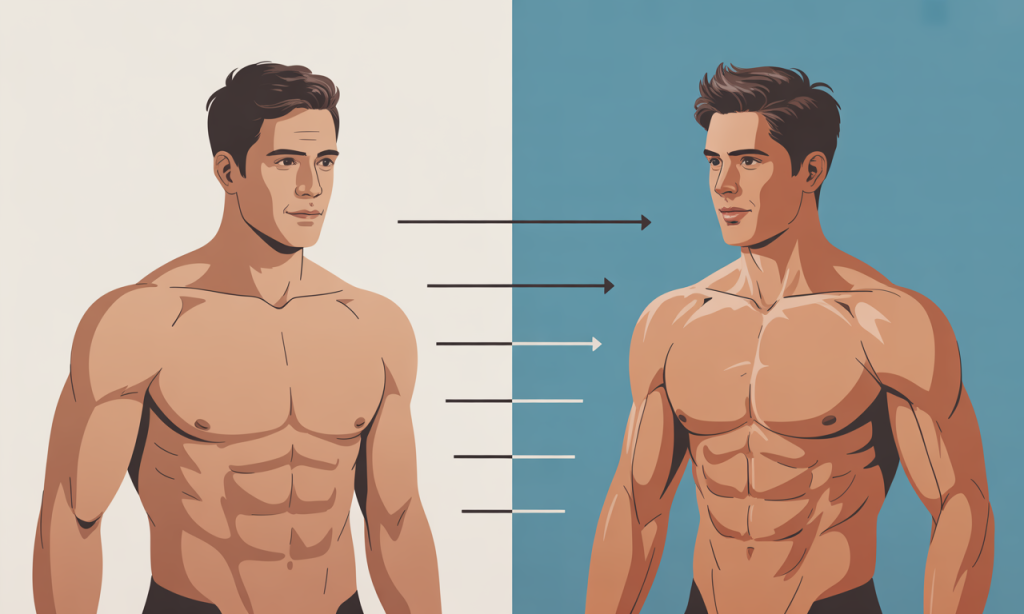
Initial strength improvements manifest within two to three weeks through enhanced neuromuscular efficiency rather than actual muscle growth. Visible physique changes typically emerge after six to eight weeks of consistent training combined with appropriate nutritional support. Participants in the 15 Minute Challenge reported 14 percent fitness improvements over six weeks.
Patience proves essential—sustainable transformation occurs gradually rather than overnight. Progress photographs taken monthly provide objective feedback counteracting day-to-day perception distortions. Trust the process and prioritize consistency over perfection.
Can I do this workout every day?
Daily training of identical muscle groups prevents adequate recovery, potentially causing overtraining syndrome and diminished results. Schedule the 15 minute workout three times weekly on non-consecutive days allowing 48-72 hours between sessions. This frequency meets CDC recommendations for muscle-strengthening activities targeting major muscle groups.
Active recovery days incorporating walking, mobility work, or recreational activities promote blood flow without compromising regeneration. Listen to your body—persistent fatigue, decreased performance, or mood changes signal insufficient recovery requiring additional rest.
What should I eat before and after training?
Consume a small mixed meal containing protein and carbohydrates one to two hours pre-workout for optimal energy availability. Simple options include Greek yogurt with fruit, oatmeal with protein powder, or a banana with almond butter providing readily accessible fuel.
Post-workout nutrition prioritizes protein intake within two hours supporting muscle protein synthesis and recovery. Whole food sources or quality protein supplements combined with carbohydrates replenish glycogen stores and initiate repair processes effectively.
Is this safe for beginners with no fitness experience?
The 15 minute workout accommodates all fitness levels through exercise modifications and intensity adjustments. Beginners should start conservatively focusing on proper movement patterns before pursuing aggressive progression. Consider one to two initial weeks practicing exercises with bodyweight only establishing technical proficiency.
Consult healthcare providers before beginning any new exercise program, especially if managing chronic health conditions or experiencing concerning symptoms. Professional guidance from certified trainers accelerates learning while preventing compensatory movement patterns developing from inadequate instruction.
How do I stay motivated when results seem slow?
Track non-scale victories including improved energy levels, better sleep quality, enhanced mood, and increased strength performance. These markers often improve before visible physique changes manifest, providing encouragement during challenging periods. Document every training session celebrating consistency achievements rather than fixating exclusively on outcome measures.
Establish accountability structures through training partners, online communities, or family support systems. Share goals publicly increasing commitment through social reinforcement. Remember that motivation fluctuates naturally—disciplined systems and habits sustain progress when enthusiasm wanes temporarily.
What modifications work for home training with limited space?
Virtually every effective compound exercise translates beautifully to confined spaces without specialized equipment. Bodyweight variations of squats, lunges, push-ups, rows (using furniture), and planks provide comprehensive stimulation. Resistance bands offer variable resistance across complete range of motion in minimal square footage.
Vertical space utilization through jumping movements, step-ups on stairs, or pull-ups on door-frame bars maximizes training variety despite horizontal limitations. Creative exercise selection eliminates space constraints as legitimate barriers to consistent training adherence and progressive results.
Start Your Transformation Today
The path toward improved fitness begins with single committed action, not perfect conditions. You now possess evidence-based protocols eliminating time as an obstacle to physical excellence. The 15 minute workout delivers legitimate results through consistent execution rather than wishful thinking or complicated programming.
Implementation trumps information—knowledge without application produces zero outcomes. Schedule your first session immediately, selecting three non-consecutive days this week for inaugural training bouts. Gather minimal equipment or rely solely on bodyweight movements initially.
Document this starting point through photographs and baseline performance metrics. Future progress comparisons provide powerful motivation during inevitable challenging periods. Share your commitment publicly through social channels or with family members amplifying accountability.
Your children observe your behaviors modeling their future health trajectories. Active engaged fathers create generational wellness patterns extending far beyond personal benefits. The investment of 15 minutes thrice weekly yields dividends across physical, mental, and emotional domains.
Explore these related resources for comprehensive father fitness guidance. Transform your physiology, energy, and longevity through strategic time-compressed training. Your family deserves the best version of you—start building that reality today through committed action and consistent effort. The 15 minute workout awaits your dedication and discipline.