

The moment you cross the threshold of your third decade, something peculiar happens. You start noticing that men lose energy after 30 in ways that feel frustratingly inexplicable. That morning vitality you once took for granted begins its gradual fade, like a dimmer switch someone secretly turned down while you weren’t paying attention.
The biological reality is that men lose energy after 30 due to a complex interplay of hormonal shifts, particularly declining testosterone levels that drop approximately 1-2% annually after age 40.
This isn’t just about feeling sluggish occasionally—it’s a fundamental transformation in how your body produces and utilizes cellular fuel. Understanding why men lose energy after 30 empowers you to counteract this decline through evidence-based interventions that restore your vigor and vitality.
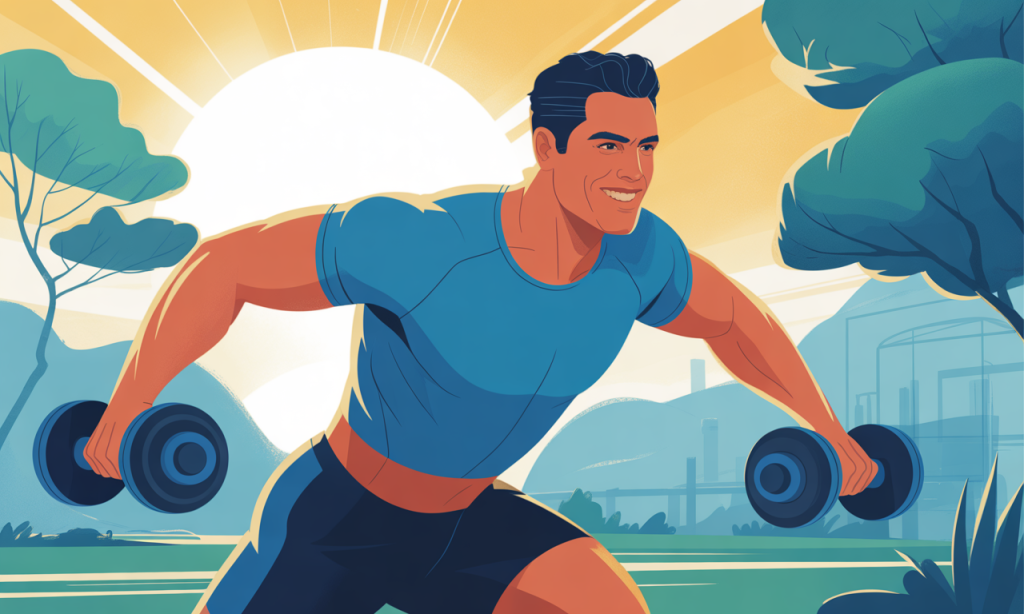
The Hormonal Cascade Behind Male Energy Depletion
Testosterone’s Pivotal Role
Testosterone functions as your body’s master energy regulator. This androgenic hormone orchestrates muscle synthesis, bone density maintenance, and red blood cell production—all critical components of sustained vitality. Research demonstrates that men lose energy after 30 largely because testosterone levels begin their inexorable descent, with some men experiencing significant drops even earlier due to lifestyle factors.
The decline isn’t merely numerical. When testosterone wanes, you don’t replace muscle tissue as efficiently, and adipose tissue accumulates more readily. This metabolic shift creates a vicious cycle where reduced muscle mass further diminishes energy expenditure.
The Cortisol-Testosterone Seesaw
Chronic stress elevates cortisol, your primary stress hormone, which actively suppresses testosterone production by inhibiting the hypothalamic-pituitary-gonadal axis. Men lose energy after 30 partly because modern lifestyles generate relentless cortisol spikes that tank testosterone levels. The biological prioritization of stress response over reproductive hormones makes evolutionary sense but wreaks havoc on contemporary vitality.
Elevated cortisol also triggers insomnia and sleep fragmentation, compounding the energy crisis. Sleep restriction decreases testosterone pulse frequency and pulsatile secretion, particularly in older men.
Mitochondrial Dysfunction Accelerates
Your cellular powerhouses—mitochondria—naturally decline with advancing age. Both mitochondrial mass and function deteriorate, negatively impacting energy-dependent systems like musculoskeletal and neurological tissues. Men lose energy after 30 because ATP production becomes less efficient as mitochondrial density decreases, especially in skeletal muscle.
This mitochondrial decline creates persistent fatigue, muscle weakness, and reduced physical performance that characterize the post-30 energy slump. The increased oxidative stress damages mitochondrial DNA, perpetuating a destructive cycle.
Secret #1: Harness Resistance Training’s Testosterone-Boosting Power
Why Weightlifting Trumps Cardio
Resistance training stands as the most potent exercise modality for elevating testosterone levels in both acute and chronic timeframes. A 2007 study revealed that men performing strength training three days weekly for four weeks experienced immediate post-workout testosterone surges plus long-term increases. Men lose energy after 30, but strategic weightlifting counteracts this decline by stimulating hormonal production through mechanical muscle stress.
The testosterone response amplifies when you incorporate greater intensity, higher volume, larger muscle groups, and abbreviated rest intervals. This means compound movements like squats, deadlifts, and bench presses deliver superior hormonal benefits compared to isolation exercises.
The HIIT Advantage
High-intensity interval training generates testosterone increases ranging from 20-40%, even in older populations. HIIT’s effectiveness stems from stimulating luteinizing hormone production, which signals testicular testosterone synthesis. Men lose energy after 30, yet both HIIT and resistance training demonstrate efficacy across age demographics.
The key is balancing intensity with adequate recovery. Overtraining without proper rest paradoxically elevates cortisol while suppressing testosterone, creating the opposite effect you desire.
Practical Implementation
- Perform resistance training 3-4 times weekly using compound movements
- Prioritize progressive overload by gradually increasing weight or volume
- Keep rest periods between sets under 90 seconds for optimal hormonal response
- Integrate 1-2 HIIT sessions weekly, limiting duration to 20-30 minutes
- Schedule at least one full recovery day between intense training sessions
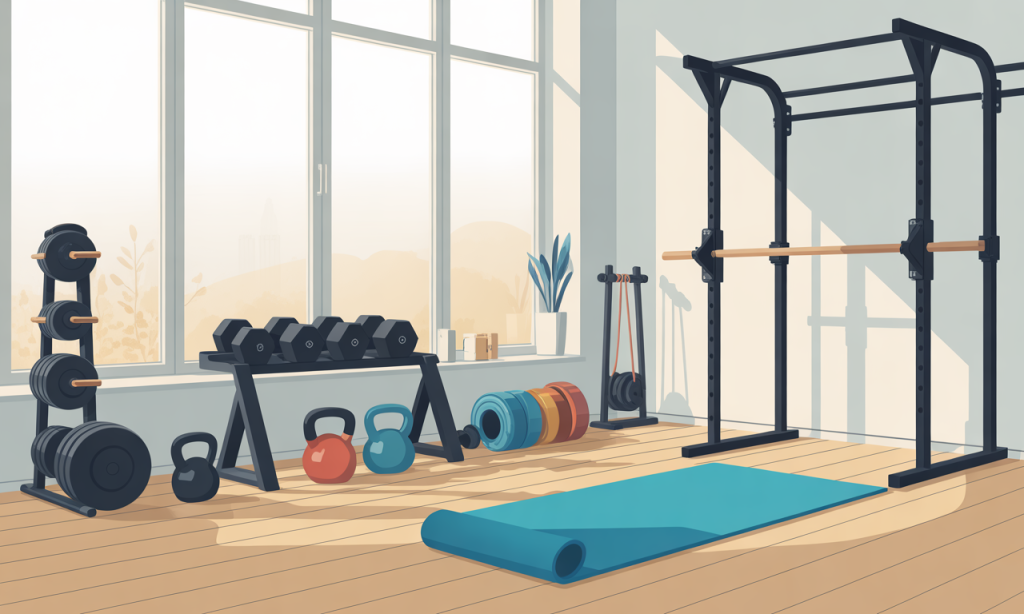
Secret #2: Optimize Sleep Architecture for Hormonal Restoration
The Sleep-Testosterone Connection
Sleep deprivation decimates testosterone levels with surgical precision. When men sleep fewer than six hours nightly, they experience disrupted cortisol rhythms, reduced insulin sensitivity, diminished testosterone, and increased visceral adiposity. Men lose energy after 30 partly because sleep quality deteriorates with age, yet sleep need remains constant at 7-9 hours for adults under 65.
The relationship is bidirectional—low testosterone causes insomnia and sleep apnea, which further suppress testosterone production. Breaking this cycle requires deliberate sleep optimization strategies.
Circadian Rhythm Alignment
Your body’s circadian clock governs hormone secretion patterns, including testosterone’s natural morning peak. Sleep restriction alters 24-hour testosterone concentrations across morning and afternoon periods in both young and older men. Men lose energy after 30 when circadian misalignment disrupts this hormonal choreography.
Exposure to morning sunlight synchronizes your suprachiasmatic nucleus, strengthening circadian rhythms. Conversely, evening blue light exposure delays melatonin onset and fragments sleep architecture.
Sleep Environment Engineering
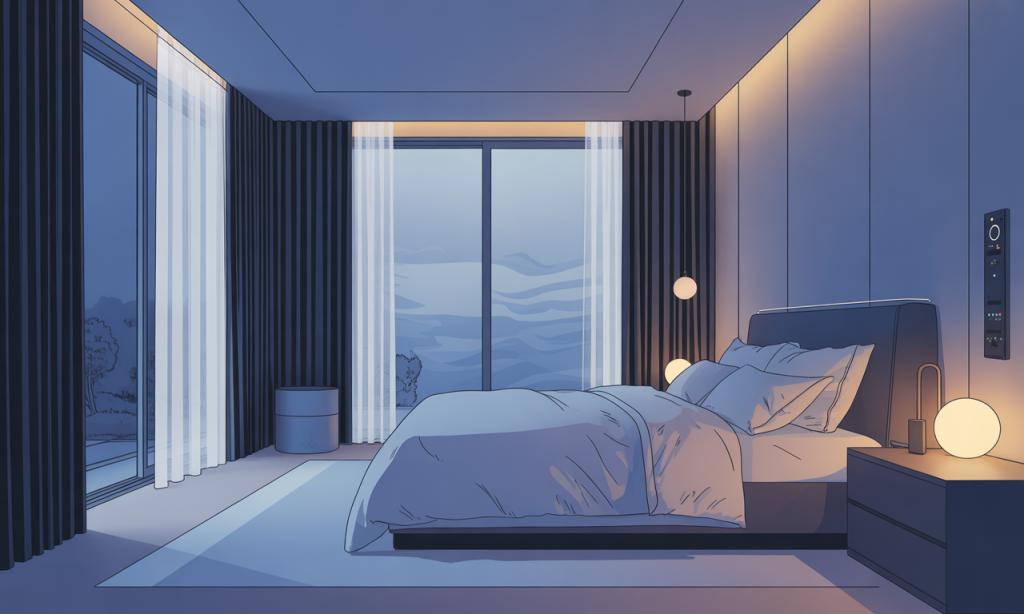
- Maintain bedroom temperature between 18-19°C for optimal sleep quality
- Install blackout curtains to eliminate ambient light pollution
- Use white noise machines or earplugs to minimize auditory disruptions
- Remove electronic devices emitting blue light from sleeping quarters
- Establish consistent sleep and wake times, even on weekends
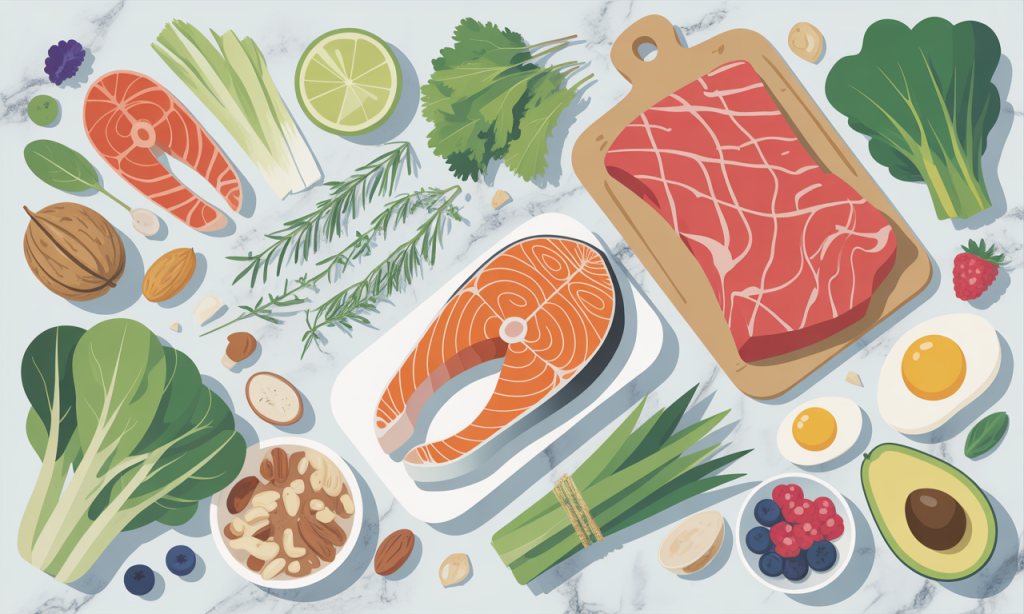
Secret #3: Implement Strategic Nutritional Interventions
Macronutrient Optimization
Protein intake becomes increasingly critical as metabolic efficiency declines. Consuming adequate protein supports muscle protein synthesis, which naturally diminishes when men lose energy after 30 due to hormonal changes. Target 1.6-2.2 grams of protein per kilogram of body weight daily, emphasizing leucine-rich sources that trigger mTOR signaling.
Healthy fats prove essential for testosterone synthesis since cholesterol serves as the hormonal precursor molecule. Include monounsaturated fats from avocados, olive oil, and nuts, plus omega-3 fatty acids that reduce systemic inflammation.
Micronutrient Supplementation
Modern diets often contain subtle nutritional gaps that compound age-related energy decline. Vitamin D plays a crucial role as testosterone levels may start dropping, potentially causing symptoms like poor muscle growth and increased fat deposition. Men lose energy after 30 when vitamin D deficiency compounds hormonal decline.
Zinc and magnesium deserve particular attention. Magnesium participates in over 300 biochemical reactions, including energy production and testosterone maintenance. Zinc deficiency directly impairs testosterone synthesis and immune function.
Blood Sugar Stabilization
Diets high in processed carbohydrates force cortisol to repeatedly stabilize blood sugar, chronically taxing your adrenal glands and elevating stress hormones. Men lose energy after 30 when this pattern persists, creating sustained inflammation and insulin resistance.
Prioritize low-glycemic complex carbohydrates, fiber-rich vegetables, and regular meal timing to prevent glycemic fluctuations. Iron-rich foods prevent anemia-related fatigue and weakness.
Targeted Supplement Protocol
- Vitamin D3: 2000-4000 IU daily, ideally with vitamin K2
- Magnesium glycinate: 400-420 mg daily for men
- Zinc picolinate: 15-30 mg daily with copper balance
- Omega-3 fatty acids: 2-3 grams EPA/DHA combined
- Vitamin C: 500-1000 mg for immune and antioxidant support
Secret #4: Master Stress Management Techniques
Understanding the Cortisol Crisis
Chronic stress creates a hormonal environment where men lose energy after 30 at an accelerated rate. Elevated cortisol directly antagonizes testosterone by suppressing GnRH and LH secretion while simultaneously impacting Leydig cells in the testes. The stress hormone also promotes visceral fat accumulation, insulin resistance, and systemic inflammation.
Men often internalize emotional stress, and research confirms that bottled-up stress produces stronger cortisol responses than openly expressed stress. This biological response doesn’t discriminate between physical, emotional, or psychological stressors.
Breathing and Meditation Practices
Simple breathing exercises offer immediate cortisol reduction. Just five slow, deep breaths can restore cortisol levels to baseline. Men lose energy after 30, yet this accessible intervention requires zero equipment and works anywhere within minutes.
Regular meditation practice rewires stress response pathways, reducing baseline cortisol production. Even brief daily sessions of 10-15 minutes demonstrate measurable benefits on stress hormone profiles and subjective energy levels.
Recovery and Adaptation
Physical training represents a hormetic stressor—beneficial in appropriate doses but damaging when excessive. Overtraining without adequate recovery chronically elevates cortisol while suppressing testosterone. Men lose energy after 30 when they maintain aggressive training volumes without proportional rest.
Incorporate active recovery days featuring light movement, mobility work, or leisurely walks. Schedule deload weeks every 4-6 weeks where training volume decreases by 40-50% to facilitate systemic recovery.
Stress Reduction Strategies
- Practice diaphragmatic breathing for 5-10 minutes upon waking
- Implement meditation or mindfulness training daily
- Maintain social connections that provide emotional support
- Schedule genuine leisure activities without productivity expectations
- Consider adaptogenic herbs like rhodiola and ashwagandha
Secret #5: Synchronize Your Circadian Biology
Morning Light Exposure
The first 60-90 minutes after waking establish your physiological foundation for the entire day. Morning sunlight exposure synchronizes your circadian clock, optimizing hormone secretion patterns including testosterone’s natural morning peak. Men lose energy after 30 when circadian misalignment disrupts this endocrine choreography.
Aim for 10-15 minutes of outdoor morning light exposure within an hour of waking. Even overcast conditions provide sufficient light intensity to trigger circadian entrainment.
Hydration Protocols
After several hours of sleep, your body experiences mild dehydration that impairs cognitive function and physical performance. Drinking 16-24 ounces of water immediately upon waking jumpstarts metabolism, facilitates toxin elimination, and improves cerebral blood flow.
Proper hydration supports cognitive function, preventing the decreased focus and mental clarity associated with even mild fluid deficits. Men lose energy after 30 partially due to reduced thirst perception that leads to chronic sub-optimal hydration.
Evening Wind-Down Rituals
Create a consistent pre-sleep routine that signals your body’s transition toward rest. Reduce ambient lighting two hours before bedtime to facilitate melatonin production. Avoid caffeine after 2 PM since its half-life extends 5-6 hours and can fragment sleep architecture.
Evening alcohol consumption, despite its sedative effects, disrupts REM sleep and reduces overall sleep quality. Men lose energy after 30 when substance use patterns interfere with restorative sleep processes.
Daily Rhythm Optimization
- Wake at consistent times, including weekends, to strengthen circadian signals
- Consume protein-rich breakfast within 90 minutes of waking
- Exercise during morning or early afternoon hours when possible
- Minimize blue light exposure after sunset using filters or amber glasses
- Maintain cool bedroom temperatures throughout the night
Frequently Asked Questions
Why do men lose energy after 30 specifically?
Men lose energy after 30 primarily due to declining testosterone levels that drop approximately 1-2% annually starting around age 40, though some men experience earlier onset.
This hormonal shift reduces muscle mass, increases fat accumulation, and decreases mitochondrial function—the cellular powerhouses responsible for ATP energy production.
Additionally, modern lifestyle factors including chronic stress, poor sleep quality, and environmental toxin exposure compound these age-related changes. The combination of hormonal, metabolic, and mitochondrial changes creates the characteristic energy decline men experience in their fourth decade.
Can testosterone levels be naturally increased after 30?
Yes, testosterone levels can be naturally elevated through evidence-based interventions even after age 30. Resistance training and high-intensity interval training demonstrate the most significant impact, with HIIT producing testosterone increases of 20-40%.
Optimizing sleep to achieve 7-9 hours nightly prevents the testosterone suppression caused by sleep restriction. Strategic nutrition including adequate zinc, magnesium, and vitamin D supports hormonal synthesis pathways.
Stress management techniques that reduce cortisol prevent the hormonal antagonism where elevated stress hormones suppress testosterone production. These lifestyle modifications work synergistically to restore more youthful hormonal profiles.
How much sleep do men over 30 need for optimal energy?
Men between ages 18-64 require 7-9 hours of sleep per night for optimal energy and hormonal function, while men over 65 need 7-8 hours including naps. Sleep quality matters as much as quantity—sleep restriction below six hours nightly disrupts cortisol rhythms, reduces testosterone, and impairs insulin sensitivity.
The relationship between sleep and energy is bidirectional, as low testosterone can cause insomnia and sleep apnea, which further suppress hormonal production.
Creating an optimal sleep environment with temperatures between 18-19°C, complete darkness, and minimal noise significantly improves sleep architecture and subsequent energy levels.
What foods boost energy in men after 30?
Energy-boosting foods for men after 30 should emphasize protein-rich sources like wild-caught fish, grass-fed beef, and eggs that support muscle maintenance and testosterone synthesis.
Healthy fats from avocados, nuts, and olive oil provide the cholesterol precursors necessary for hormone production. Iron-rich foods prevent anemia-related fatigue, while magnesium-containing foods like almonds and leafy greens support over 300 biochemical reactions including energy metabolism.
Complex carbohydrates with low glycemic impact prevent blood sugar fluctuations that trigger fatigue-inducing cortisol spikes. Avoiding processed foods, excess sugar, and alcohol helps maintain stable energy throughout the day.
Does cardio or weightlifting better restore energy?
Weightlifting and resistance training prove superior to steady-state cardio for restoring energy in men after 30 because they directly stimulate testosterone production.
Strength training creates acute and chronic testosterone increases, with effects magnified by using compound movements, heavier loads, higher volumes, and shorter rest periods. While endurance training provides cardiovascular benefits, excessive cardio can potentially reduce testosterone levels.
High-intensity interval training combines the benefits of both modalities, producing significant testosterone boosts of 20-40%. The optimal approach incorporates 3-4 resistance training sessions weekly supplemented with 1-2 HIIT sessions and avoiding overtraining that elevates cortisol.
How does stress affect energy in men over 30?
Chronic stress devastates energy levels in men over 30 by elevating cortisol, which directly suppresses testosterone production through inhibition of the hypothalamic-pituitary-gonadal axis.
Elevated cortisol promotes visceral fat accumulation, causes insulin resistance, disrupts sleep architecture, and creates systemic inflammation. Men often internalize emotional stress, producing stronger cortisol responses than openly expressed stress.
The stress hormone also antagonizes testosterone at multiple levels, reducing both central nervous system signaling and direct testicular hormone synthesis. Managing stress through breathing exercises, meditation, adequate recovery from training, and social connection helps restore the hormonal balance necessary for sustained energy.
What supplements help combat fatigue in aging men?
Evidence-based supplements for combating fatigue in men after 30 include vitamin D (2000-4000 IU daily), which supports testosterone levels and bone density. Magnesium glycinate (400-420 mg daily) facilitates energy metabolism and maintains healthy testosterone levels.
Zinc (15-30 mg daily) directly supports testosterone synthesis and immune function. Omega-3 fatty acids (2-3 grams EPA/DHA) reduce systemic inflammation that compounds fatigue.
Adaptogenic herbs like rhodiola and ashwagandha support stress resilience, with ashwagandha promoting muscle mass and strength when combined with exercise. B-complex vitamins support energy metabolism and cognitive function, while vitamin C provides antioxidant and immune support.
Can morning routines improve energy throughout the day?
Strategic morning routines profoundly impact all-day energy by optimizing the critical first 60-90 minutes after waking that establish physiological foundations. Immediate hydration with 16-24 ounces of water jumpstarts metabolism and improves cognitive function after nocturnal dehydration.
Morning sunlight exposure within the first hour synchronizes circadian rhythms and optimizes hormone secretion patterns including testosterone’s natural peak. Consuming a protein-rich breakfast supports sustained energy and prevents blood sugar fluctuations.
Incorporating movement through light exercise or mobility work enhances blood circulation and neurological function. These consistent morning practices regulate metabolism, hormonal balance, and set the foundation for sustained energy production throughout the day.
Why do men lose energy after 30 faster than previous generations?
Modern men experience more rapid energy decline than previous generations due to multiple converging factors beyond normal aging.
Research shows average testosterone levels have declined approximately 1% yearly since the late 1980s, even comparing men of identical ages. This accelerated decline stems from poor dietary patterns, obesity epidemic, sedentary lifestyles, increased environmental exposure to endocrine-disrupting chemicals like BPA and phthalates, chronic stress, and insufficient sleep.
Contemporary men face a more hormonally hostile environment than their grandfathers due to lifestyle and environmental changes. The combination of processed food consumption, reduced physical activity, and chemical exposure creates a perfect storm that amplifies the natural age-related energy decline.
How long does it take to restore energy levels naturally?
Energy restoration timelines vary based on baseline status and intervention adherence, but most men notice initial improvements within 2-4 weeks of implementing comprehensive lifestyle changes.
Testosterone increases from resistance training appear both acutely after individual workouts and chronically after 4+ weeks of consistent training. Sleep optimization produces rapid benefits, with cortisol normalization occurring after just one night of adequate rest, though chronic sleep debt requires several weeks to fully resolve. Nutritional interventions addressing deficiencies show measurable improvements in 4-8 weeks as micronutrient stores replenish.
Mitochondrial function improvements develop more gradually over 8-12 weeks as cellular adaptations accumulate. Sustained implementation of all five strategies typically produces significant subjective energy improvements within 6-8 weeks and continues progressing over 3-6 months.
Conclusion
The biological reality that men lose energy after 30 doesn’t represent an irreversible sentence to chronic fatigue and diminished vitality. Understanding the hormonal, metabolic, and mitochondrial mechanisms driving this decline empowers you to implement targeted interventions that restore youthful vigor.
The five proven secrets—resistance training for hormonal optimization, sleep architecture enhancement, strategic nutrition, stress management, and circadian synchronization—work synergistically to counteract age-related energy depletion.
Your transformation begins with committed action today. Start by prioritizing just one strategy this week, then progressively integrate additional interventions as habits solidify. The compounding effects of these evidence-based practices will manifest in increased strength, mental clarity, emotional resilience, and sustained energy that defies your chronological age.