

Achieving a natural glowing skin routine doesn’t require expensive treatments or complicated 10-step regimens. Research shows that simple, science-backed habits can transform your complexion from the inside out. Whether you’re battling dullness, dryness, or uneven texture, these seven evidence-based rituals deliver real results for health-conscious adults seeking radiant, healthy skin.
Modern dermatology emphasizes barrier-supportive care over harsh treatments. Your skin’s natural protective layer works overtime to shield you from pollution, UV damage, and daily stressors. By focusing on gentle, consistent practices rooted in clinical research, you can support your skin’s innate ability to repair and renew itself.
Prioritize Deep, Restorative Sleep
Quality Sleep Boosts Collagen
Sleep is your skin’s most powerful regeneration window. During deep sleep stages, your body releases growth hormones that stimulate collagen production and accelerate cellular repair. One clinical study found that sleep deprivation significantly compromises skin barrier function and reduces collagen synthesis, leading to visible signs of premature aging.
Research published in 2025 demonstrates that chronic poor sleep quality increases intrinsic aging markers by disrupting the skin’s circadian rhythm. Your skin performs its most intensive repair between 9 PM and midnight, making early bedtime crucial for optimal results.
Create Your Sleep Ritual
Aim for 7-9 hours of consistent, quality sleep each night. Poor sleep elevates cortisol levels and triggers inflammatory responses that manifest as breakouts, redness, and accelerated aging. Establishing a calming bedtime routine with dim lighting and screen-free time helps regulate your natural sleep-wake cycle.

Hydrate From Inside Out
Water Impact on Skin
While topical moisturizers remain essential, dietary water intake plays a significant role in maintaining skin hydration, especially for those with initially low water consumption. A 2015 clinical study revealed that increasing daily water intake improved both superficial and deep skin hydration levels over a 30-day period.
Proper hydration supports your skin’s natural moisture barrier and helps flush toxins that contribute to dullness. However, research indicates that drinking water alone cannot replace quality moisturizers for surface-level hydration.
Strategic Hydration Habits
Consume at least 8 glasses of water daily, adjusting for activity level and climate. Include hydrating foods like cucumbers, watermelon, and leafy greens in your natural glowing skin routine. Herbal teas and water-rich fruits count toward your total intake and provide additional antioxidants.
Feed Your Skin Glow
Antioxidant-Rich Foods Matter
Your diet directly impacts skin health through the gut-skin axis. Research confirms that antioxidant-rich foods combat oxidative stress, reduce inflammation, and promote an even complexion. Key nutrients include vitamin C for collagen synthesis, vitamin E for lipid barrier protection, and beta-carotene for UV damage repair.
Clinical studies demonstrate that omega-3 fatty acids from sources like salmon, chia seeds, and walnuts reduce skin inflammation and support barrier function. Colorful vegetables rich in carotenoids—sweet potatoes, carrots, and tomatoes—protect against environmental damage while enhancing natural radiance.
Build Your Glow Diet
- Berries: Packed with polyphenols that fight free radicals
- Leafy greens: Provide lutein and beta-carotene for hydration
- Citrus fruits: Boost collagen production with vitamin C
- Nuts and seeds: Strengthen skin barrier with vitamin E
- Green tea: Offers anti-inflammatory and protective benefits

Simplify Your Skincare Routine
The Skinimalism Approach
Dermatologists increasingly recommend minimalist routines that respect your skin barrier rather than overwhelming it. A science-backed 3-step routine—gentle cleanse, moisturize with SPF, and targeted treatment—proves more effective than complex regimens for most people.
Studies show that simpler routines boost consistency by 68%, making you more likely to maintain healthy skin habits long-term. Using fewer products reduces the risk of irritation, sensitivity, and barrier disruption that can trigger inflammation and breakouts.
Your Essential Steps
- Morning cleanse: Use a gentle, pH-balanced cleanser that doesn’t strip natural oils
- Antioxidant serum: Apply vitamin C or similar actives to fight oxidative stress
- Moisturizer + SPF 30+: Protect against UV damage and lock in hydration
- Evening treatment: Use barrier-supportive ingredients like niacinamide or gentle retinoids at night
Avoid mixing conflicting actives like exfoliating acids and retinoids in the same routine, as this compromises your skin barrier. Always patch-test new natural products despite their “gentle” reputation.
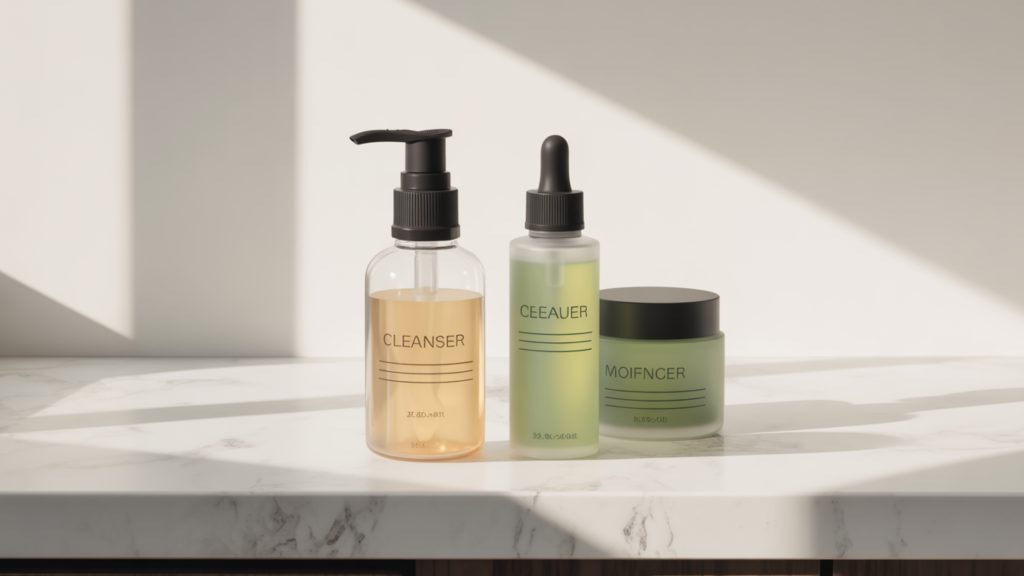
Choose Barrier-Friendly Ingredients
Science-Backed Natural Actives
Clinical research identifies several natural ingredients with proven efficacy for a natural glowing skin routine. Niacinamide (vitamin B3) strengthens skin barrier function, reduces inflammation, and improves texture with minimal irritation risk. Green tea polyphenols provide powerful antioxidant and anti-inflammatory benefits supported by multiple controlled trials.
Fermented botanicals like Galactomyces demonstrate significant improvements in facial aging parameters over 12-month studies. Plant-derived antioxidants including vitamin C, vitamin E, and resveratrol work synergistically to neutralize free radicals and support collagen integrity.
Soothing Barrier Supporters
Look for these evidence-based ingredients:
- Oat extract: Calms irritation and supports barrier repair
- Aloe vera: Provides hydration and anti-inflammatory action
- Panthenol (provitamin B5): Enhances moisture retention
- Ceramides: Restore lipid barrier function
- Hyaluronic acid: Attracts and holds moisture in skin
Avoid harsh acids, aggressive exfoliants, and essential oils that can sensitize skin during barrier healing phases. Natural doesn’t automatically mean gentle—always assess individual ingredient safety.
Protect Against Daily Damage
Non-Negotiable Sun Protection
Broad-spectrum SPF 30 or higher remains the single most effective anti-aging intervention, reducing skin cancer risk by 50% and photoaging by 80% according to the American Academy of Dermatology. UV radiation drives collagen breakdown, generates free radicals, and interferes with DNA repair mechanisms.
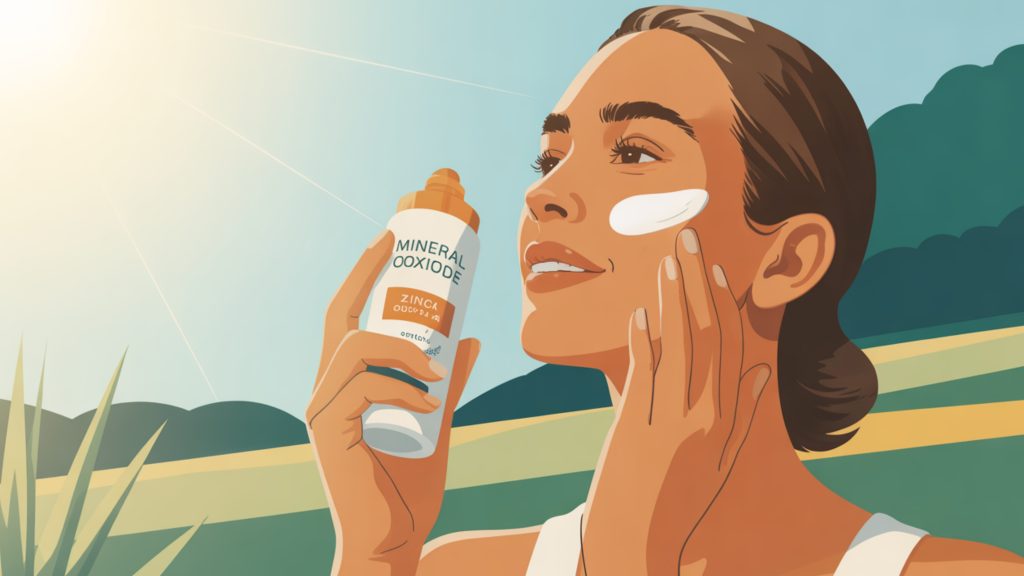
Natural mineral sunscreens with zinc oxide or titanium dioxide offer reef-safe protection without chemical filters. Modern formulations minimize white cast while providing comprehensive UVA/UVB coverage. Reapply every two hours during sun exposure, regardless of formula.
Environmental Defense
Beyond UV protection, your skin faces pollution, blue light from screens, and oxidative stressors. Antioxidant-rich skincare products create a protective shield against environmental aggressors. Physical activity improves skin microcirculation and reduces oxidative stress, though chlorinated pool water can compromise barrier function.
Move Your Body Regularly
Exercise Benefits Skin
Regular physical activity positively impacts skin health through multiple mechanisms. Exercise improves microcirculation, delivering oxygen and nutrients to skin cells while removing metabolic waste. Studies demonstrate that consistent movement stimulates collagen synthesis, enhances barrier function, and reduces systemic inflammation.
Physical activity also improves sleep quality and mental wellbeing, indirectly benefiting your natural glowing skin routine. The increased blood flow during exercise creates a temporary “glow” that becomes more permanent with regular practice.
Smart Movement Tips
- Aim for 150 minutes of moderate exercise weekly
- Cleanse skin promptly after sweating to prevent breakouts
- Stay hydrated before, during, and after workouts
- Wear breathable, moisture-wicking fabrics
- Apply mineral SPF before outdoor activities
Frequently Asked Questions
How long does it take to see results from a natural glowing skin routine?
Most people see initial improvements in skin hydration and texture within 2-4 weeks of starting a consistent natural glowing skin routine. Clinical studies show statistically significant changes in skin barrier function and moisture levels appear after 28 days of gentle, supportive care. However, deeper improvements in collagen density, fine lines, and overall radiance typically require 8-12 weeks of consistent practice, as this aligns with your skin’s natural renewal cycle. Lifestyle changes like better sleep and nutrition may show visible benefits even sooner, within 1-2 weeks.
Can natural ingredients really work as well as synthetic ones?
Research demonstrates that many natural ingredients deliver clinically significant results comparable to synthetic alternatives. Plant-derived antioxidants like green tea polyphenols, vitamins C and E, and niacinamide show proven efficacy in controlled trials. The key is choosing evidence-based natural actives at effective concentrations rather than assuming all “natural” products work equally. Some synthetic ingredients like certain retinoids remain unmatched for specific concerns, but natural options excel for barrier support, antioxidant protection, and gentle maintenance.
What should I eat for naturally glowing skin?
Focus on antioxidant-rich whole foods that combat inflammation and oxidative stress. Omega-3 fatty acids from oily fish, chia seeds, and walnuts reduce skin inflammation and support barrier function. Colorful fruits and vegetables high in carotenoids—sweet potatoes, carrots, tomatoes, berries—protect against UV damage and promote radiance. Vitamin C-rich citrus fruits boost collagen production, while leafy greens provide lutein and beta-carotene for improved hydration. Green tea offers powerful polyphenol antioxidants that protect skin cells from environmental damage.
How does sleep affect my skin’s appearance?
Sleep directly impacts skin health through hormonal regulation and cellular repair processes. During deep sleep stages, growth hormones stimulate collagen production and accelerate skin cell regeneration. Research shows that chronic sleep deprivation compromises skin barrier function, reduces elasticity, increases inflammation, and accelerates visible aging signs like fine lines and dark circles. Your skin performs its most intensive repair between 9 PM and midnight, with collagen synthesis peaking during quality deep sleep. Consistently getting 7-9 hours enhances hydration, firmness, and overall complexion radiance.
Is drinking more water enough to hydrate my skin?
While adequate water intake supports overall skin health, drinking water alone cannot replace topical moisturizers for surface hydration. A 2015 study found that increasing dietary water intake improved deep skin layer hydration, particularly in people with initially low consumption, but had minimal impact on visible surface dryness. The research showed that applying quality moisturizers produced significantly greater improvements in skin hydration than water intake alone. For optimal results, combine proper hydration (8+ glasses daily) with barrier-supportive moisturizers containing ingredients like hyaluronic acid and ceramides.
What’s the minimum effective skincare routine?
Dermatologists recommend a simple 3-step approach: gentle cleanse, moisturize with SPF, and targeted treatment. Morning routines should include a pH-balanced cleanser, antioxidant serum (like vitamin C), and broad-spectrum SPF 30 or higher. Evening care involves cleansing again, then applying a treatment product like niacinamide or gentle retinoid, followed by a nourishing moisturizer. Studies show this minimalist approach increases adherence by 68% compared to complex regimens while respecting skin barrier function. Avoid overloading skin with conflicting actives or excessive products that can trigger sensitivity.
Are natural face masks actually beneficial?
Certain natural face masks provide legitimate benefits when formulated correctly. Clinical research supports ingredients like oat extract for calming irritation, aloe vera for hydration and anti-inflammatory effects, and antioxidant-rich plant extracts for protective benefits. However, not all DIY masks are safe—some natural ingredients like lemon juice or baking soda can severely disrupt your skin’s pH and barrier function. For best results, choose masks with dermatologist-approved ingredients suited to your skin type, and always patch-test before full application. Professional formulations often deliver more consistent, stable results than homemade versions.
How important is SPF in a natural skincare routine?
SPF is absolutely critical and non-negotiable regardless of your routine philosophy. Daily broad-spectrum SPF 30 or higher reduces skin cancer risk by 50% and slows photoaging by 80%, according to the American Academy of Dermatology. UV radiation damages collagen, generates free radicals, interferes with DNA repair, and drives most visible signs of premature aging. Natural mineral sunscreens with zinc oxide or titanium dioxide offer effective, reef-safe protection. Apply SPF every morning as your final step, and reapply every two hours during sun exposure, even on cloudy days or indoors near windows.
Can supplements improve skin from within?
Evidence supports certain supplements for skin health when used appropriately. Hydrolyzed collagen peptides demonstrate improvements in skin hydration, elasticity, and wrinkle reduction in randomized controlled trials lasting 8-12 weeks. Antioxidant combinations including vitamins C and E, when taken orally, show measurable benefits for skin brightness and oxidative stress markers. However, supplements work best as complements to—not replacements for—topical care, sun protection, and healthy lifestyle habits. Always choose high-quality, third-party tested products and consult healthcare providers before starting new supplements, especially if you have underlying health conditions.
What mistakes damage the skin barrier?
Common barrier-damaging mistakes include over-cleansing with harsh foaming products, using multiple exfoliating acids simultaneously, mixing retinoids with acids in the same routine, and skipping moisturizer. Over-exfoliating strips protective lipids and compromises barrier integrity, leading to sensitivity, dryness, and inflammation. Using hot water, harsh scrubs, or products with high concentrations of essential oils can also disrupt barrier function. Even natural products require patch testing, as ingredients like certain plant extracts can sensitize skin. Focus on gentle, pH-balanced formulas and give your skin adequate recovery time between active treatments.
Start Your Natural Glow Journey
Transforming your complexion doesn’t require expensive treatments or complicated routines. These seven science-backed rituals—quality sleep, proper hydration, antioxidant-rich nutrition, simplified skincare, barrier-friendly ingredients, daily SPF, and regular movement—create a foundation for lasting radiance. Clinical research consistently shows that gentle, consistent care outperforms aggressive interventions for healthy, glowing skin.
Begin with one or two changes and build gradually. Your skin responds best to sustainable habits maintained over weeks and months, not quick fixes. Listen to your skin’s signals, adjust as needed, and remember that natural beauty starts with supporting your body’s innate healing wisdom.
Explore more evidence-based nutrition guides to optimize your health and wellness on the Beauty & Self-Care page.