
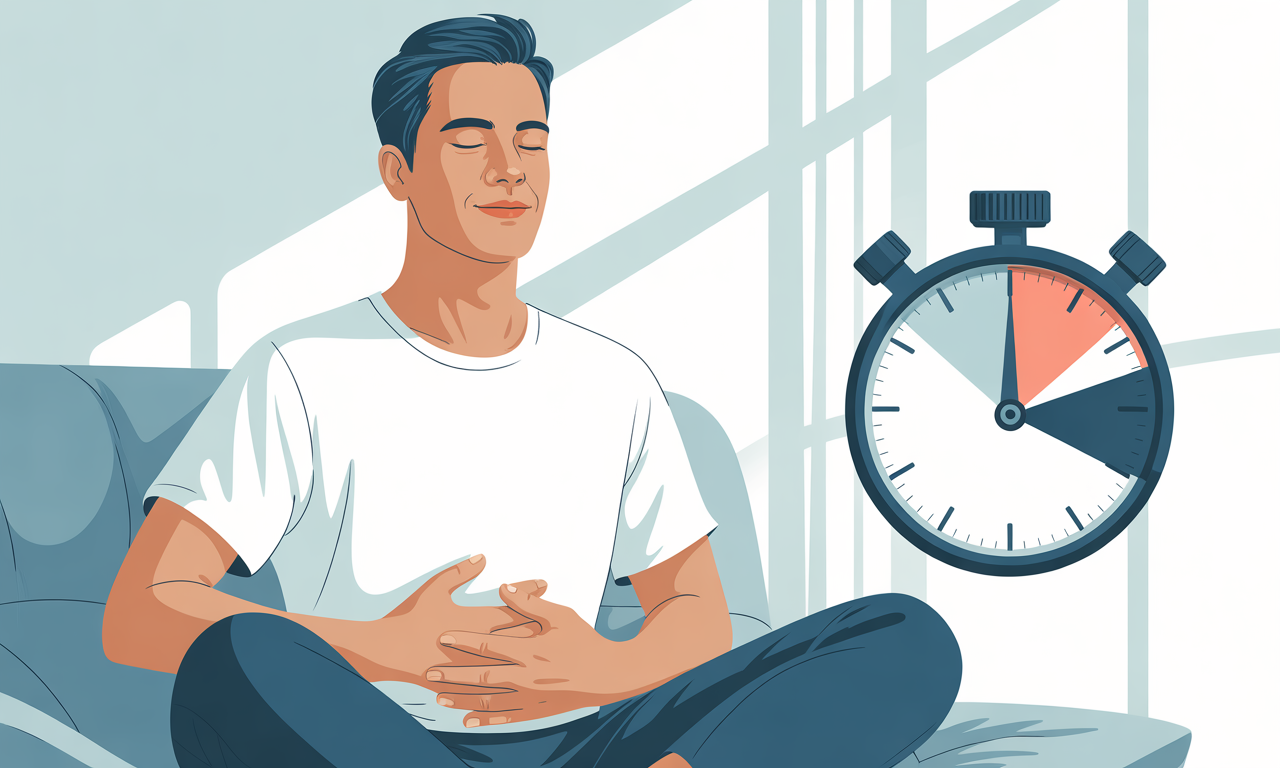
Stress spirals trap millions of men in a vicious cycle where tension breeds more anxiety, which generates additional stress, perpetuating a downward trajectory that sabotages performance and drains vitality. Diaphragmatic breathing offers a scientifically validated intervention to disrupt this cycle in just 2 minutes, activating your parasympathetic nervous system, lowering cortisol levels, and restoring mental equilibrium. This comprehensive guide unveils the precise methodology to harness this ancient technique for modern stress management, empowering you to reclaim control when pressure mounts.
Understanding Stress Spirals and Their Impact
Stress spirals represent a self-reinforcing loop where perceived stress triggers anxiety and depression, which subsequently amplifies sensitivity to future stressors. Research demonstrates that daily stress and negative emotions reciprocally reinforce one another through cognitive-emotional downward spirals, progressively deteriorating mental health. Poor cognitive control contributes to this phenomenon by generating dependent stressors—self-created problems that fuel rumination and escalate both anxiety and depressive symptoms.
The Neuroscience Behind Stress Accumulation
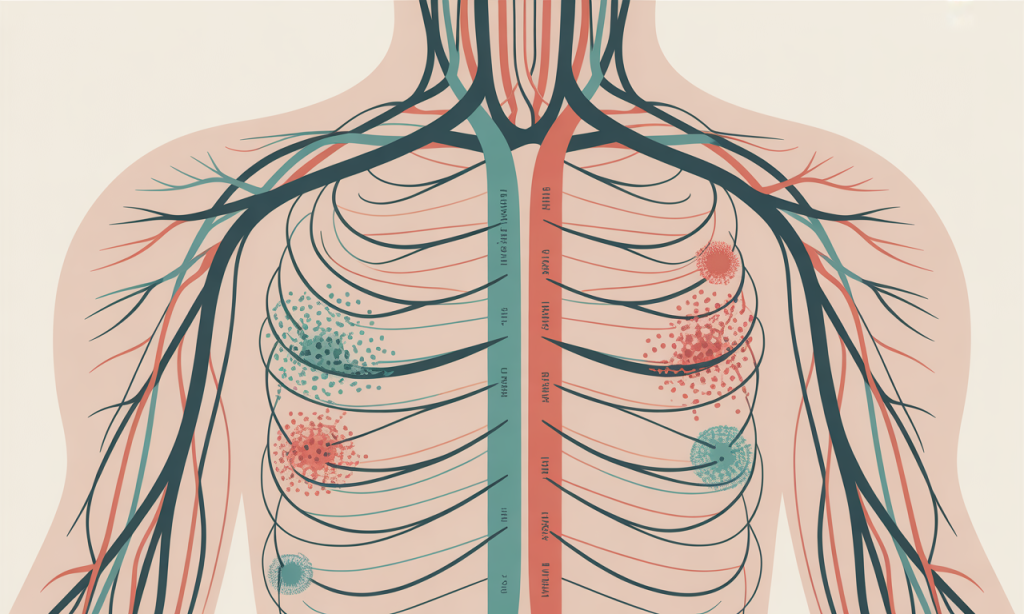
Your nervous system operates through two primary branches: the sympathetic fight-or-flight response and the parasympathetic rest-and-digest mechanism. When stressors activate your sympathetic system, cortisol floods your bloodstream, heart rate accelerates, and muscles tense for combat or escape. Without intervention, this hyperarousal becomes chronic, establishing neural pathways that make subsequent stress reactions more intense and frequent.
Physical Manifestations of Chronic Stress
Prolonged activation of stress responses manifests through elevated blood pressure, compromised immune function, digestive disturbances, and cardiovascular strain. Men experiencing persistent stress often encounter diminished stamina, reduced testosterone production, compromised sleep architecture, and deteriorating athletic performance. These physiological consequences compound psychological distress, tightening the stress spiral’s grip.
The Science of Diaphragmatic Breathing
Diaphragmatic breathing, also called belly breathing or abdominal respiration, involves contracting your diaphragm to expand the lower lung capacity and deepen both inhalation and exhalation. This technique differs fundamentally from shallow chest breathing, which perpetuates stress responses by limiting oxygen exchange and maintaining sympathetic dominance. Scientific investigations reveal that diaphragmatic breathing interventions reduce physiological stress biomarkers, including salivary cortisol, blood pressure, and respiratory rate.
Vagus Nerve Activation Through Breathing
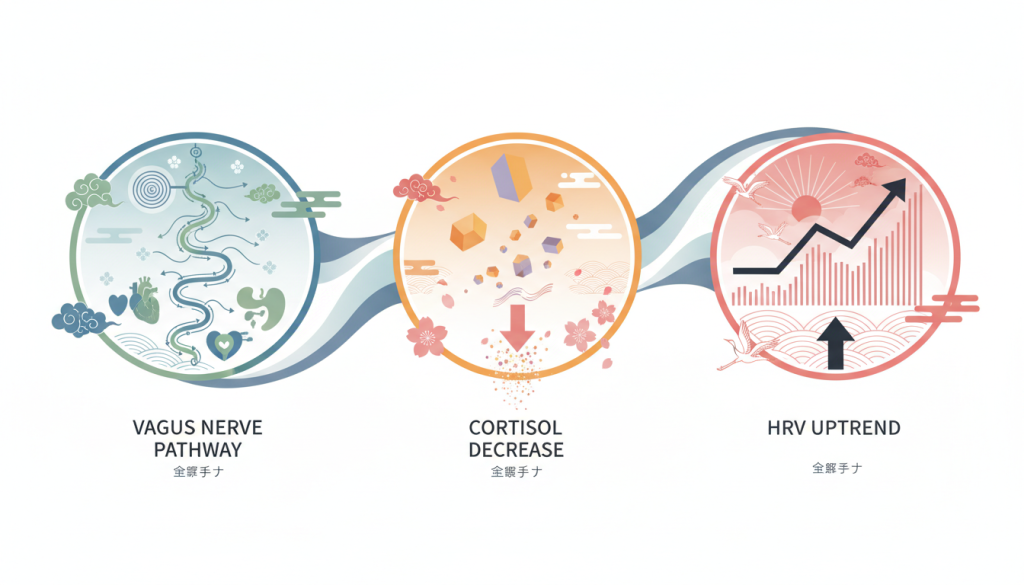
The vagus nerve serves as the primary conduit for parasympathetic signaling, directly connecting your brainstem to vital organs including heart, lungs, and digestive tract. Slow diaphragmatic breathing at approximately six breaths per minute optimally stimulates vagal tone, increasing heart rate variability—a key indicator of stress resilience and adaptability. Research confirms that breathing rates between 4.5 and 6.5 breaths per minute maximize vagal activation and shift autonomic balance toward relaxation.
Cortisol Reduction and Hormonal Balance
Studies demonstrate that diaphragmatic breathing interventions lasting just eight weeks significantly lower cortisol concentrations while simultaneously improving sustained attention capabilities. One investigation revealed that trained participants exhibited substantially reduced cortisol levels post-intervention compared to control groups showing no change. This hormonal recalibration directly interrupts stress spirals by diminishing the biochemical fuel that perpetuates anxiety cycles.
Heart Rate Variability Enhancement
Heart rate variability refers to the fluctuations in the intervals between consecutive heartbeats and serves as a crucial biomarker for stress adaptation, mood regulation, and overall well-being. Resonance breathing at six breaths per minute consistently increases HRV parameters, indicating enhanced parasympathetic predominance and improved physiological resilience. Higher HRV correlates with superior emotional regulation, reduced inflammation, and greater capacity to handle subsequent stressors.
The 2-Minute Diaphragmatic Breathing Protocol
This evidence-based protocol condenses the maximum stress-reduction benefits into a time-efficient routine that can be executed anywhere, from office environments to athletic venues. The technique requires no equipment and can interrupt stress spirals at their inception, preventing escalation into full-blown anxiety episodes.
Step-by-Step Execution Guide
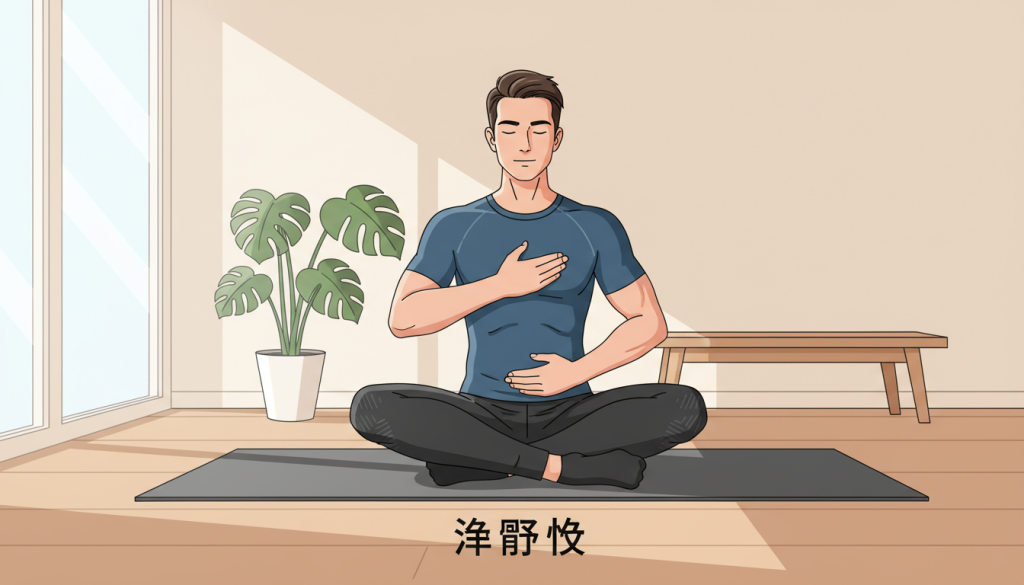
- Position Selection: Sit upright in a chair with feet flat on the floor, or lie supine with knees bent and supported by a pillow
- Hand Placement: Position one hand on your upper chest and the other on your belly just below the rib cage to monitor movement patterns
- Nasal Inhalation: Breathe in slowly through your nose for approximately five seconds, directing air toward your lower abdomen so the belly hand rises while the chest hand remains relatively stationary
- Brief Retention: Hold the full breath for three seconds, allowing oxygen saturation to optimize
- Extended Exhalation: Exhale slowly through pursed lips for approximately six to seven seconds—one-third longer than inhalation duration—while actively contracting abdominal muscles
- Cycle Repetition: Complete four to six breathing cycles, targeting a rate of approximately six breaths per minute for maximum vagal stimulation
Optimal Breath Ratios
Research comparing different inhalation-to-exhalation ratios reveals that equal five-second intervals (5:5 ratio) at 5.5 breaths per minute most significantly increase heart rate variability and enhance baroreceptor function. However, extended exhalations using a 2:1 ratio (such as three-second inhale, six-second exhale) effectively downregulates sympathetic activation and accelerates parasympathetic engagement. Experiment with both approaches to identify your optimal pattern.
Timing Considerations
Maximum relaxation manifests during the exhalation phase when vagal tone reaches its peak. Each complete two-minute session delivers measurable stress reduction, though cumulative benefits amplify with consistent daily practice. Strategic deployment during high-stress moments—before presentations, following confrontations, or during performance anxiety—yields immediate nervous system recalibration.
Immediate Applications for Men Under Pressure
Modern masculine existence presents relentless stressors spanning professional deadlines, financial obligations, relationship dynamics, and performance expectations across multiple domains. Diaphragmatic breathing provides a discreet, socially acceptable intervention deployable in virtually any context without drawing attention or requiring retreat from responsibilities.
Workplace Stress Management
Office environments generate persistent low-grade stress punctuated by acute pressure spikes during presentations, negotiations, or confrontations. Implementing a two-minute breathing routine at your desk interrupts rumination cycles, restores cognitive clarity, and reengages the prefrontal cortex required for empathy, strategic thinking, and problem-solving. The technique proves particularly valuable before high-stakes meetings or when facing aggressive deadlines.
Athletic Performance Enhancement
Pre-competition anxiety and mid-training stress impair stamina, coordination, and decision-making capacity. Diaphragmatic breathing executed before athletic endeavors optimizes oxygen saturation, stabilizes heart rate, and establishes the parasympathetic balance conducive to peak performance. Post-exercise implementation accelerates recovery by shifting from sympathetic dominance toward rest-and-repair physiology.
Relationship Conflict De-escalation
Heated exchanges with partners, family members, or colleagues trigger fight-or-flight responses that compromise rational discourse and emotional regulation. Excusing yourself briefly to execute the two-minute protocol before responding prevents regrettable reactions, lowers defensive posturing, and restores the neurological capacity for constructive communication.
Common Execution Mistakes to Avoid
Chest Breathing Pattern
Many practitioners inadvertently maintain shallow chest breathing rather than engaging the diaphragm, negating stress-reduction benefits. Monitor your hand placement vigilantly—the chest hand should remain relatively still while the abdominal hand moves substantially with each breath cycle. If chest movement dominates, consciously redirect air flow toward your lower belly.
Excessively Rapid Pace
Rushing through breathing cycles at rates exceeding seven breaths per minute fails to activate optimal vagal stimulation and may inadvertently sustain sympathetic arousal. Use mental counting to maintain approximately five to six seconds per inhalation and six to seven seconds per exhalation, achieving the target rate of six breaths per minute.
Inadequate Exhalation Completion
Incomplete exhalations limit carbon dioxide expulsion and prevent maximum parasympathetic activation. Ensure you fully empty your lungs during each exhale phase, even tightening abdominal muscles to expel residual air. Maximum relaxation manifests during complete exhalations when vagal tone peaks.
Irregular Practice Consistency
Sporadic implementation yields minimal cumulative benefits compared to consistent daily practice that retrains baseline autonomic functioning. Establish specific trigger moments for routine execution—upon waking, before meals, or during work transitions—to build sustainable habits that compound stress resilience over time.
Advanced Variations and Modifications
Box Breathing Integration
Box breathing combines diaphragmatic technique with equal-duration holds between inhalation and exhalation phases. Execute four-second inhales through your nose, four-second breath retention, four-second exhales, and four-second empty-lung holds. This variant proves particularly effective for acute anxiety and panic attack interruption.
4-7-8 Breathing Protocol
This modification emphasizes extended breath retention and exhalation for enhanced sedative effects. Inhale through your nose for four seconds, hold for seven seconds, then exhale forcefully through pursed lips for eight seconds while making a “whoosh” sound. Repeat four consecutive cycles for rapid nervous system downregulation.
Progressive Muscle Relaxation Combination
Enhance breathing efficacy by systematically tensing and releasing muscle groups during each breath cycle. Inhale while contracting a specific body region (fists, shoulders, facial muscles), hold briefly, then exhale while completely releasing that tension. Progress through major muscle groups across multiple breathing cycles.
Biofeedback-Assisted Training
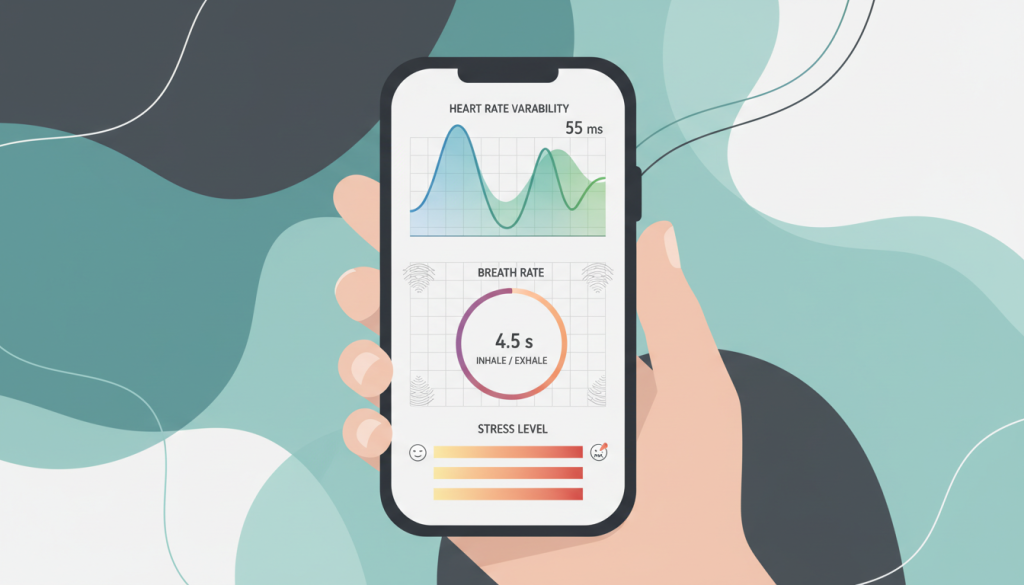
Heart rate variability monitors and biofeedback devices provide real-time data on your autonomic nervous system responses, enabling precision optimization of your breathing pattern. These tools identify your unique resonance frequency—the specific breathing rate that maximizes your individual HRV response—typically ranging from 4.5 to 6.5 breaths per minute.
Building Long-Term Stress Resilience
Neuroplastic Adaptation Through Repetition
Consistent diaphragmatic breathing practice induces neuroplastic changes that reset your baseline autonomic balance, making parasympathetic activation increasingly accessible. Research demonstrates that one month of daily six-breaths-per-minute practice decreases resting breathing rate and increases resting high-frequency HRV—markers of enhanced vagal tone and stress resilience.
Dose-Response Relationships
While two-minute interventions deliver immediate stress interruption, extended practice durations amplify benefits. Studies employing 20-minute sessions over eight weeks show superior cortisol reduction and attention improvement compared to briefer protocols. Consider progressive expansion: begin with two-minute emergency interventions, then incorporate five-minute morning and evening sessions to build cumulative resilience.
Integration with Complementary Practices
Diaphragmatic breathing synergizes powerfully with other stress-management modalities including cold exposure, meditation, progressive muscle relaxation, and vagus nerve massage. Combining techniques creates additive effects that exceed individual practice benefits. Experiment systematically to construct a personalized stress-management toolkit matched to your lifestyle and preferences.
Lifestyle Factors That Amplify Benefits
Adequate sleep, consistent exercise, nutritional optimization, and social connection provide the physiological foundation that maximizes breathing practice effectiveness. Conversely, sleep deprivation, sedentary behavior, inflammatory diets, and social isolation undermine autonomic balance regardless of breathing proficiency. Address these foundational elements concurrently for optimal stress resilience.
Troubleshooting Challenges and Obstacles
Lightheadedness or Dizziness
Initial practice sometimes produces mild lightheadedness due to altered carbon dioxide levels and unfamiliar oxygenation patterns. This typically resolves within several sessions as your body adapts. If symptoms persist or intensify, reduce the breath-hold duration and ensure you’re not hyperventilating by maintaining a slow, controlled breathing rate.
Mind Wandering and Distraction
Mental distraction represents a normal phenomenon rather than failure. When thoughts arise, acknowledge them without judgment, then gently redirect attention to breath sensations, hand movements, or counting patterns. Each redirection strengthens attentional control, compounding benefits beyond stress reduction.
Skepticism About Rapid Results
Men conditioned to value pharmaceutical interventions or intensive protocols may doubt that simple breathing delivers meaningful impact. However, robust research demonstrates that even single 20-minute sessions produce measurable biomarker changes including reduced cortisol, lowered blood pressure, and improved mood states. Commit to consistent two-week experimentation before evaluating efficacy.
Environmental Limitations
Open-plan offices, public transportation, and shared living spaces sometimes inhibit full protocol implementation. Adapt by practicing discreet nasal breathing without blatant hand placement, or excuse yourself briefly to restrooms or outdoor spaces for uninterrupted sessions. Consistency matters more than perfect environmental conditions.
Physiological Indicators of Effective Practice
Observable Physical Changes
Successful diaphragmatic breathing produces discernible physical manifestations, including reduced muscle tension, particularly in the shoulders and jaw, a slower respiratory rate observable through chest movements, warmer extremities due to improved circulation, and softened facial expressions as stress-related muscle contractions release.
Subjective Experience Markers
Internal sensations confirming effective practice include mental clarity emerging from cognitive fog, reduced racing thoughts and rumination loops, improved emotional stability and reduced reactivity, and enhanced present-moment awareness rather than future-oriented anxiety.
Measurable Biomarker Improvements
Quantifiable indicators accessible through simple monitoring include decreased resting heart rate measured via pulse or wearable devices, increased heart rate variability tracked through specialized monitors or smartphone applications, reduced blood pressure readings in hypertensive individuals, and improved sustained attention performance on cognitive tasks.
Integration Strategies for Busy Schedules
Micro-Practice Opportunities
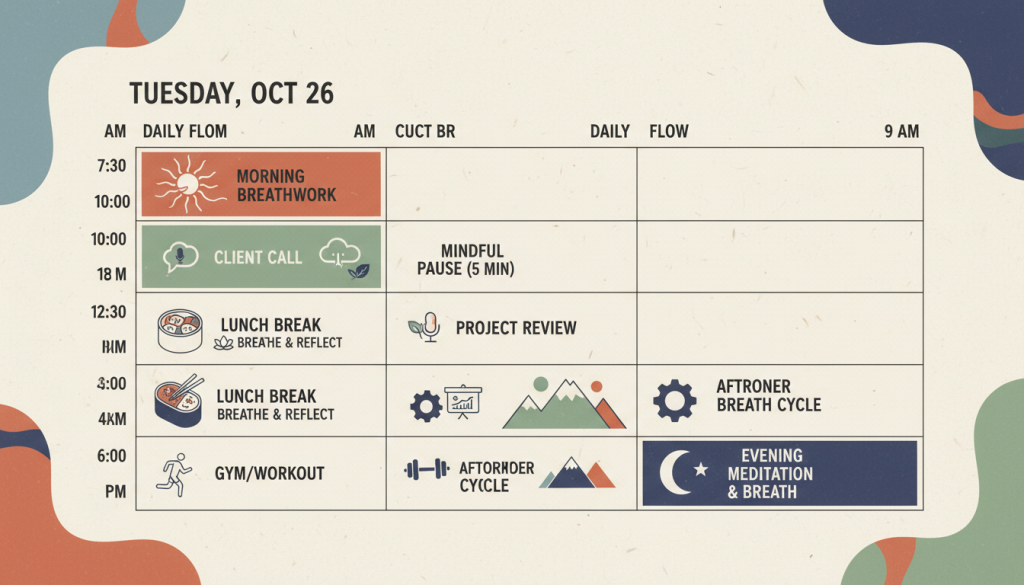
Identify natural transition points throughout your day conducive to two-minute interventions: immediately upon waking before checking devices, during commute time whether driving or using public transit, before meals to enhance digestion through parasympathetic activation, and during bathroom breaks providing guaranteed privacy.
Habit Stacking Methodology
Link breathing practice to established routines through habit stacking, such as completing one cycle while coffee brews each morning, practicing during the final two minutes of lunch breaks, or implementing the protocol immediately after closing your laptop at the end of the workday. Attachment to existing habits dramatically improves consistency.
Emergency Deployment Protocols
Identify your personal stress triggers and precondition automatic breathing responses: before difficult conversations, immediately following criticism or conflict, when experiencing deadline pressure or time scarcity, and during physical discomfort or pain episodes.
Technology-Assisted Reminders
Leverage smartphone applications, smartwatch notifications, or calendar blocks to prompt regular practice until automaticity develops. Set recurring reminders at strategic intervals aligned with your personal stress patterns and schedule constraints.
Evidence-Based Benefits Beyond Stress Reduction
Cognitive Performance Enhancement
Diaphragmatic breathing improves sustained attention capabilities, with research demonstrating significant increases in attention scores following eight-week interventions. Enhanced oxygenation supports prefrontal cortex function, improving executive functions including working memory, decision-making, and impulse control. These cognitive benefits translate directly to professional performance and interpersonal effectiveness.
Emotional Regulation Improvement
Studies reveal that diaphragmatic breathing reduces negative affect while cortisol levels decrease, indicating genuine emotional regulation rather than mere suppression. Practitioners report enhanced capacity to experience emotions without overwhelming reactivity, improved empathy and social connection, and reduced propensity toward anger outbursts or depressive episodes.
Cardiovascular Health Protection
Regular breathing practice reduces systolic and diastolic blood pressure in both normotensive and hypertensive populations. Enhanced baroreceptor sensitivity—the mechanism regulating blood pressure fluctuations—improves cardiovascular adaptability and reduces strain on arterial systems. These protective effects accumulate over time, potentially reducing cardiovascular disease risk.
Sleep Quality Optimization
Parasympathetic activation through evening diaphragmatic breathing facilitates transition into restorative sleep states. The 4-7-8 variant proves particularly effective for sleep induction, with practitioners reporting reduced sleep latency and improved sleep continuity. Better sleep subsequently enhances daytime stress resilience, creating positive feedback loops.
Creating Supportive Environmental Conditions
Physical Space Optimization
While diaphragmatic breathing functions effectively in any environment, optimized conditions enhance early learning and consistency. Designate a specific location with minimal distractions, comfortable seating or lying surface, appropriate temperature avoiding excessive heat or cold, and optional ambient elements like natural light or calming background sounds.
Social Support Structures
Share your practice with trusted allies who can provide accountability and reinforcement. Consider practicing alongside partners or friends, joining online communities focused on breathwork and stress management, or working with coaches or therapists trained in breathing interventions.
Tracking and Documentation
Maintain a practice log documenting frequency, duration, pre-practice stress levels, post-practice subjective experiences, and contextual factors surrounding effective versus ineffective sessions. This data enables pattern identification and protocol optimization personalized to your unique physiology and circumstances.
Gradual Progression Planning
Establish realistic progression targets rather than expecting immediate mastery: week one focuses on establishing basic technique and hand-placement accuracy; week two emphasizes achieving the target breathing rate of six breaths per minute; week three builds consistency with twice-daily scheduled sessions; and week four integrates emergency deployment during acute stress events.
Mechanisms of Action Explained
Autonomic Nervous System Rebalancing
Diaphragmatic breathing directly influences the balance between sympathetic arousal and parasympathetic recovery systems. Slow, deep breathing with extended exhalations preferentially activates parasympathetic pathways, shifting autonomic tone away from chronic fight-or-flight dominance toward sustainable rest-and-digest functioning.
Baroreceptor Sensitivity Enhancement
Baroreceptors are specialized sensors monitoring blood pressure fluctuations within arterial walls. Breathing at six breaths per minute creates rhythmic blood pressure oscillations that optimize baroreceptor responsiveness, improving cardiovascular regulation and stress adaptability. Enhanced baroreceptor function translates to more stable blood pressure and reduced cardiovascular reactivity.
Gas Exchange Optimization
Diaphragmatic breathing maximizes alveolar ventilation—the volume of fresh air reaching gas-exchange surfaces in lung depths. This optimization improves oxygen delivery to tissues including brain regions governing executive function and emotional regulation, while simultaneously facilitating carbon dioxide removal that prevents acidosis and respiratory distress.
Inflammatory Response Modulation
Vagal activation through breathing practice exerts anti-inflammatory effects by regulating cytokine production and immune system activation. This mechanism explains observed improvements in conditions with inflammatory components, including cardiovascular disease, autoimmune disorders, and metabolic syndrome. Regular practice may contribute to reduced systemic inflammation over time.
FAQ Section
How quickly does diaphragmatic breathing reduce stress?
Immediate physiological changes occur within the first complete breath cycle, including reduced heart rate and muscle tension. However, subjective stress relief typically manifests within 30 to 90 seconds of continuous practice. Research demonstrates measurable cortisol reductions after a single 20-minute session, with cumulative benefits amplifying with consistent practice over weeks.
Can I practice diaphragmatic breathing while standing or walking?
Yes, diaphragmatic breathing adapts to various postures including standing and walking, though learning the technique initially proves easier while seated or lying down. Once you establish proper diaphragmatic engagement, maintain the practice during daily activities like commuting, waiting in lines, or walking between meetings. Focus on maintaining abdominal expansion rather than chest lifting regardless of position.
Is diaphragmatic breathing safe for everyone?
Diaphragmatic breathing is generally safe for most individuals, with minimal contraindications. However, people with severe respiratory conditions like COPD or recent abdominal surgery should consult healthcare providers before implementing intensive breathing protocols. If you experience persistent lightheadedness, chest pain, or breathing difficulty during practice, discontinue and seek medical evaluation.
How does diaphragmatic breathing differ from meditation?
Diaphragmatic breathing is a specific physiological technique that targets the autonomic nervous system through controlled breathing patterns. Meditation encompasses broader mental practices that may or may not include breath awareness, focusing on consciousness, attention, or contemplation. However, diaphragmatic breathing frequently serves as a foundational element within meditation practices, and both share stress-reduction benefits through partially overlapping mechanisms.
Why does the two-minute duration matter specifically?
Two minutes represents an optimal balance between effectiveness and practicality for emergency stress intervention. This duration allows approximately 10 to 12 complete breath cycles at the target rate of six breaths per minute, sufficient to initiate autonomic nervous system shifts. While longer sessions amplify benefits, two-minute protocols prove sustainable for consistent implementation during high-pressure situations where extended practice is impractical.
What time of day is best for diaphragmatic breathing practice?
Optimal timing depends on individual goals and schedules rather than universal prescriptions. Morning practice establishes parasympathetic tone for the day ahead, reducing baseline stress reactivity. Evening sessions facilitate sleep onset by downregulating sympathetic activation accumulated throughout the day. Mid-day implementation interrupts stress accumulation and prevents spiral formation. Ideally, practice multiple times daily at transition points between activities.
Can diaphragmatic breathing replace anxiety medication?
Diaphragmatic breathing should not replace prescribed medications without explicit physician guidance. While research confirms breathing exercises reduce anxiety symptoms and physiological stress markers, severe anxiety disorders often require comprehensive treatment including medication, psychotherapy, and lifestyle modifications. Breathing practice serves as a valuable complementary intervention that may eventually enable medication reduction under professional supervision.
How long until I notice long-term benefits?
Individual responses vary, but research demonstrates measurable improvements within two to eight weeks of consistent practice. One study showed significant reductions in cortisol levels and improvements in attention after 8 weeks of regular diaphragmatic breathing sessions. Some practitioners report subjective benefits including improved stress resilience and emotional regulation within days, while structural changes in autonomic nervous system function require weeks to months of sustained practice.
Why do I feel more anxious when I first start practicing?
Initial increases in anxiety sometimes occur as you direct attention toward bodily sensations previously avoided or as breathing pattern changes create unfamiliar physical experiences. This phenomenon typically resolves within several sessions as your nervous system adapts. Ensure you’re maintaining slow, controlled breathing rather than hyperventilating, and consider reducing the session duration initially while gradually building tolerance.
Can I combine diaphragmatic breathing with other stress management techniques?
Absolutely—diaphragmatic breathing synergizes effectively with complementary stress management approaches including progressive muscle relaxation, meditation, cold exposure, exercise, and cognitive behavioral therapy techniques. Many practitioners find that combining breathing with physical relaxation methods or mindfulness practices produces additive benefits exceeding individual technique effectiveness. Experiment systematically to identify your optimal combination.
Conclusion and Implementation Roadmap
Stress spirals need not dictate your mental state, physical health, or performance capacity. The two-minute diaphragmatic breathing routine provides an evidence-based, accessible intervention that disrupts stress cycles at their neurological foundation through vagal activation, cortisol reduction, and autonomic rebalancing. Begin implementation today by practicing the basic technique twice—once now to establish baseline competency, and again during your next stress encounter to experience real-world efficacy.
Commit to consistent daily practice for two weeks, tracking your subjective experiences and objective indicators like resting heart rate or sleep quality. Establish environmental cues and habit-stacking connections that trigger automatic practice during high-value moments throughout your day. As proficiency develops, explore advanced variations including box breathing, 4-7-8 protocols, and biofeedback-assisted training to optimize your personalized stress management system.
Your nervous system possesses an innate capacity for resilience, adaptability, and recovery—diaphragmatic breathing simply provides the key to unlock these latent capabilities. Transform stress from an uncontrollable adversary into a manageable challenge through this simple yet profound physiological intervention backed by decades of rigorous scientific investigation. Click here for more Stress Control guide.