Your skin whispers secrets about what you consume. Every morsel of food either accelerates cellular senescence or fortifies your dermal architecture against the relentless march of time. The luminous complexion you covet doesn’t emerge from expensive serums bottled in laboratory vials—it blossoms from nature’s pharmacy, specifically from five extraordinary Anti-Aging Fruits that recalibrate your skin’s biological clock from within.
These vibrant superfoods harbor concentrated phytonutrients and polyphenolic compounds that neutralize free radicals, stimulate fibroblast activity, and orchestrate collagen synthesis with remarkable precision. While cosmetic counters overflow with synthetic promises, clinical research validates what ancient civilizations instinctively understood: certain fruits possess unparalleled dermatological benefits that transcend topical interventions.
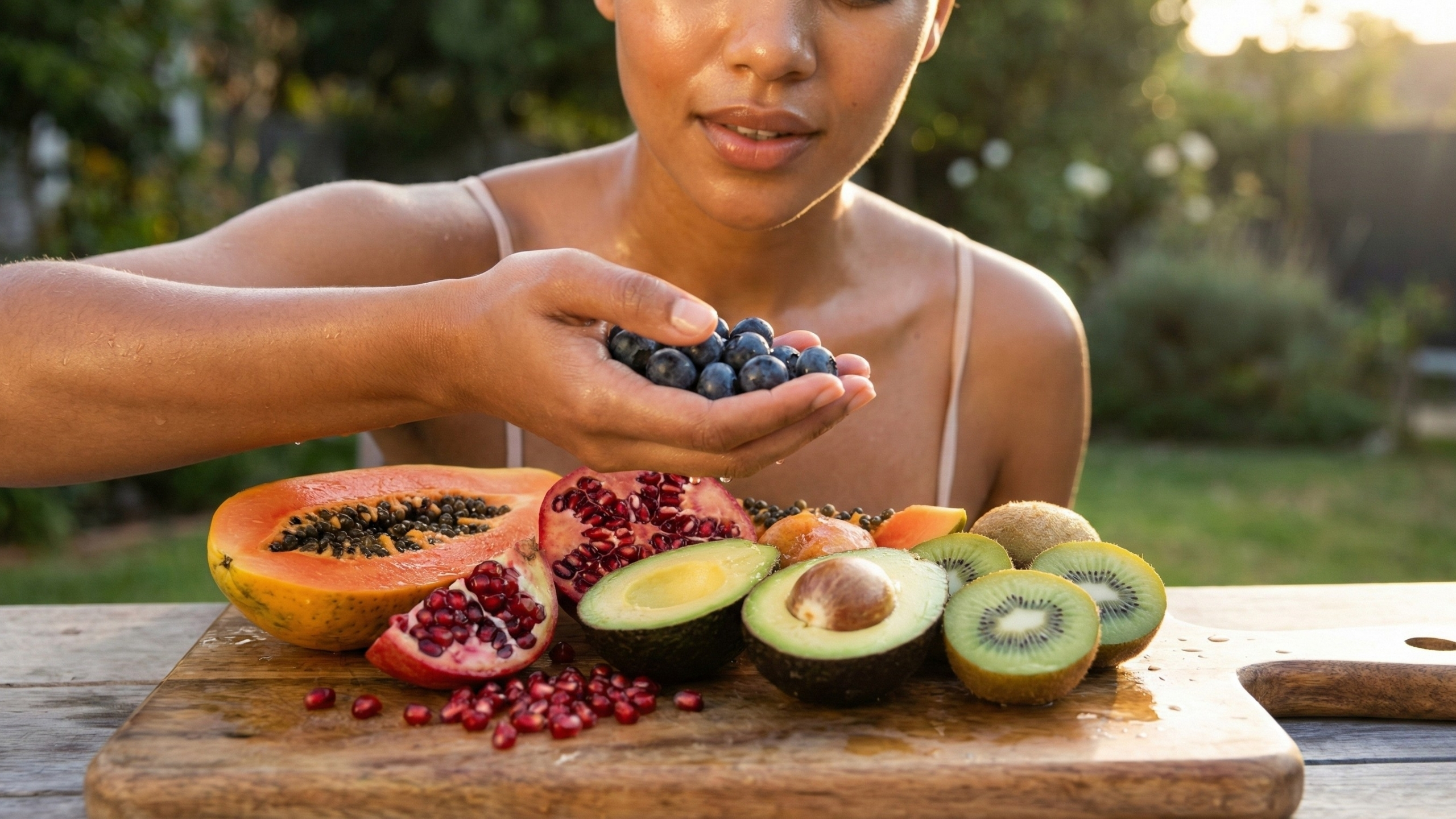
Blueberries pulsating with anthocyanins, pomegranates bursting with punicalagins, papaya rich in proteolytic enzymes, creamy avocados laden with monounsaturated lipids, and vitamin C-saturated kiwis collectively form an arsenal against premature aging.
These Anti-Aging Fruits don’t merely mask deterioration—they fundamentally alter cellular behavior, fortifying your integumentary system’s resilience while delivering that coveted incandescent glow that signals vitality from deep within your tissue matrix. Discover how these five botanical powerhouses can transform your complexion through strategic nutritional intervention.
- Understanding Anti-Aging and the Power of Fruit Snacks
- The Science Behind Anti-Aging Fruits
- Best Anti-Aging Fruit Snack #1: Blueberries
- Best Anti-Aging Fruit Snack #2: Pomegranate Seeds
- Best Anti-Aging Fruit Snack #3: Papaya
- Best Anti-Aging Fruit Snack #4: Avocado
- Best Anti-Aging Fruit Snack #5: Kiwi
- Combining Anti-Aging Fruits for Maximum Benefits
- Preparing Anti-Aging Fruit Snacks for the Week
- The Best Times to Eat Anti-Aging Fruit Snacks
- Nutritional Breakdown of Each Anti-Aging Fruit
- How Anti-Aging Fruits Support Collagen Production
- Anti-Aging Fruits vs Other Anti-Aging Foods
- Enhancing Absorption of Anti-Aging Nutrients
- Organic vs Conventional Anti-Aging Fruits
- Potential Side Effects and Considerations
- Interactions with Medications
- Anti-Aging Fruit Snacks for Different Skin Types
- Creating Anti-Aging Fruit Smoothie Snacks
- Dried vs Fresh Anti-Aging Fruits
- Seasonal Anti-Aging Fruit Guide
- Anti-Aging Fruit Snack Recipes
- The Role of Hydration with Fruit Snacks
- Scientific Studies on Anti-Aging Fruits
- Anti-Aging Fruits and Gut-Skin Connection
- Lifestyle Factors That Enhance Fruit Benefits
- Long-Term Benefits of Consistent Fruit Snacking
- Common Mistakes to Avoid with Anti-Aging Fruits
- Budget-Friendly Shopping for Anti-Aging Fruits
- Anti-Aging Fruit Snacks for Different Life Stages
- FAQs
- How many servings of anti-aging fruits should I eat daily?
- Can anti-aging fruits reverse existing wrinkles?
- Which anti-aging fruit is most effective for collagen production?
- Are frozen anti-aging fruits as beneficial as fresh ones?
- Can I eat anti-aging fruits if I have diabetes?
- How long does it take to see skin improvements from eating anti-aging fruits?
- Should I eat anti-aging fruits with or without the skin?
- Can children benefit from anti-aging fruit snacks?
- Do anti-aging fruits help with dark spots and hyperpigmentation?
- Is it better to eat anti-aging fruits whole or blended?
- Can anti-aging fruits cause breakouts in acne-prone skin?
- What time of day is best for eating anti-aging fruit snacks?
- Do organic anti-aging fruits work better than conventional?
- Can I combine all five anti-aging fruits in one snack?
- Are there any anti-aging fruits to avoid during pregnancy?
- Conclusion
Understanding Anti-Aging and the Power of Fruit Snacks
How Aging Affects Your Skin at the Cellular Level
Skin aging occurs when collagen and elastin proteins break down faster than your body can regenerate them. Free radicals generated by UV exposure, pollution, and metabolic processes attack cellular structures, causing DNA damage and accelerating visible aging signs. This oxidative stress weakens the skin’s protective barrier, leading to moisture loss, sagging, and wrinkle formation.
As you age, cellular regeneration slows, skin becomes thinner, and natural antioxidant defenses decline. The accumulation of damaged cells creates visible signs including fine lines, age spots, and uneven texture that make skin appear older than its chronological age.
The Role of Nutrition in Slowing Down Aging
Your diet directly influences how quickly your skin ages. Consuming foods high in antioxidants, vitamins, and healthy fats provides the raw materials your body needs for cellular repair and protection. Nutritional deficiencies accelerate aging by compromising collagen production, weakening skin barriers, and reducing the body’s ability to neutralize free radicals.
Research demonstrates that diets rich in fruits and vegetables correlate with fewer wrinkles, better skin elasticity, and more even tone. The bioactive compounds in fruits support multiple anti-aging pathways simultaneously, creating comprehensive protection against premature aging.
Why Fruits Are Nature’s Anti-Aging Powerhouses
Fruits contain concentrated phytonutrients evolved to protect plants from environmental stress—these same compounds protect your skin when consumed. The vibrant colors in fruits signal high antioxidant content, with each pigment offering unique protective benefits. Unlike isolated supplements, whole fruits provide synergistic combinations of nutrients that work together more effectively than individual compounds.
The water content in fruits supports hydration while natural sugars provide quick energy without the inflammatory effects of processed sweets. Fiber in fruits promotes gut health, which directly impacts skin clarity through the gut-skin axis.
The Science Behind Anti-Aging Fruits
Antioxidants and Their Impact on Skin Youth
Antioxidants neutralize free radicals before they can damage cellular structures, effectively preventing the chain reactions that lead to premature aging. Different antioxidants protect various cellular components—vitamin C guards water-soluble areas while vitamin E protects lipid membranes. This comprehensive protection maintains cellular integrity and supports healthy skin function.
Studies show that adequate antioxidant intake reduces oxidative stress markers in skin tissue, resulting in measurable improvements in texture, tone, and elasticity. The diverse antioxidant profile in fruits provides broader protection than any single compound could achieve.
Essential Vitamins for Collagen Production
Vitamin C serves as the most crucial nutrient for collagen synthesis, acting as a cofactor for enzymes that build collagen molecules. Without sufficient vitamin C, your body cannot produce stable collagen structures, regardless of adequate protein intake. This makes vitamin C-rich fruits essential for maintaining skin firmness and reducing wrinkle formation.
B vitamins support cellular energy production needed for the demanding processes of skin regeneration. Vitamin A regulates cell turnover, ensuring damaged cells shed promptly while new, healthy cells take their place.
Polyphenols and Cellular Protection
Polyphenols are plant compounds with potent anti-inflammatory and antioxidant properties that protect against multiple aging pathways. These compounds activate cellular defense mechanisms, enhancing your skin’s natural ability to resist damage. Polyphenols also improve circulation, ensuring skin cells receive adequate oxygen and nutrients for optimal function.
Research indicates that polyphenol consumption reduces inflammation markers throughout the body, including in skin tissue. This systemic anti-inflammatory effect addresses one of the root causes of accelerated aging.
Free Radicals and How Fruits Combat Them
Free radicals are unstable molecules missing an electron, making them highly reactive and damaging to cells. UV radiation, pollution, and normal metabolism continuously generate these destructive molecules. When free radical production exceeds your body’s antioxidant defenses, oxidative stress occurs, accelerating all aging processes.
Fruits provide a continuous supply of antioxidants that donate electrons to stabilize free radicals without becoming harmful themselves. This protective action prevents the DNA damage, protein degradation, and lipid peroxidation that manifest as visible aging signs.
Best Anti-Aging Fruit Snack #1: Blueberries
Anthocyanins for Skin Elasticity and Firmness
Blueberries owe their deep blue color to anthocyanins, powerful antioxidants that specifically protect collagen and elastin fibers from degradation. These compounds strengthen capillary walls, improving circulation to skin and reducing the appearance of broken blood vessels. Clinical studies demonstrate that anthocyanin consumption significantly reduces oxidative stress in skin tissue.
The unique molecular structure of anthocyanins allows them to cross cell membranes easily, providing protection deep within skin cells. This penetrating action offers more comprehensive anti-aging benefits than surface-level treatments.
Vitamin C Content in Blueberries for Collagen Synthesis
One cup of blueberries delivers approximately 24% of your daily vitamin C requirement, supporting continuous collagen production throughout the day. The vitamin C in blueberries works synergistically with anthocyanins to provide enhanced antioxidant protection. Regular consumption stimulates fibroblasts—the cells responsible for producing collagen and elastin.
Research highlighted by Healthline confirms that blueberry intake supports collagen synthesis and reduces signs of aging.
How Blueberries Reduce Fine Lines and Wrinkles
Blueberries combat wrinkles through multiple mechanisms: protecting existing collagen from breakdown, supporting new collagen synthesis, and neutralizing the free radicals that cause wrinkle formation. The natural fruit acids in blueberries provide gentle exfoliation, removing dead cells that make fine lines more visible. Studies show that participants consuming blueberries daily experience measurable reductions in wrinkle depth and improved skin smoothness.
The anti-inflammatory properties of blueberries also reduce the chronic inflammation that accelerates collagen degradation. This dual action of protection and repair creates visible improvements in skin texture over time.
Easy Ways to Enjoy Blueberries as Daily Snacks
Fresh blueberries make perfect portable snacks—simply rinse a cup and pack in a container for on-the-go nutrition. Add blueberries to Greek yogurt for a protein-rich snack that supports collagen production. Freeze blueberries for a refreshing treat that satisfies sweet cravings while delivering anti-aging nutrients.
Blend blueberries into smoothies with almond milk and spinach for a nutrient-dense breakfast or afternoon snack. Mix dried blueberries (without added sugar) with raw nuts for a trail mix that provides sustained energy and skin benefits.
Best Anti-Aging Fruit Snack #2: Pomegranate Seeds
Punicalagins and Their Anti-Aging Properties
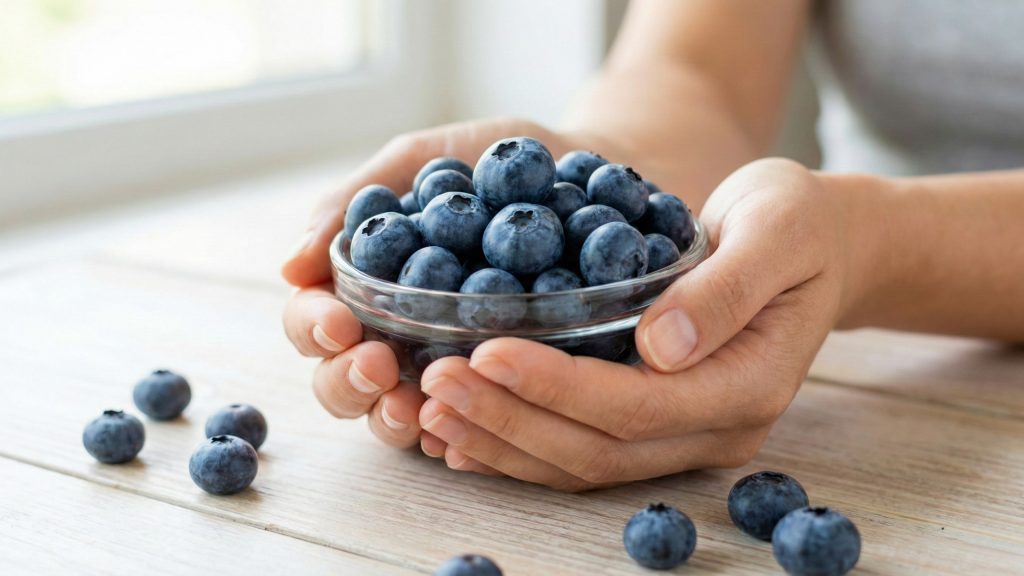
Pomegranates contain punicalagins, unique antioxidants found almost exclusively in this fruit that demonstrate three times the antioxidant activity of green tea. These powerful compounds reduce oxidative stress and inflammation in skin cells, protecting against environmental damage. Punicalagins also possess antimicrobial properties that support clear, healthy skin.
Research from clinical dermatology studies shows that punicalagins inhibit collagen breakdown and improve protection against UV damage.
How Pomegranate Boosts Collagen Regeneration
Pomegranates are rich in ellagic acid, a compound scientifically proven to stimulate collagen production and inhibit collagen breakdown. This dual action helps maintain skin firmness and elasticity while reducing the appearance of fine lines and wrinkles. Clinical trials demonstrate that pomegranate consumption increases skin thickness and collagen density.
The vitamin C content in pomegranates further supports collagen synthesis, providing the essential cofactor needed for stable collagen formation. Together, these compounds create optimal conditions for maintaining youthful skin structure.
Anti-Inflammatory Benefits for Skin Health
Chronic inflammation accelerates all aging processes, making pomegranate’s potent anti-inflammatory properties particularly valuable for skin health. The fruit’s polyphenols reduce inflammatory markers throughout the body, calming irritated skin and reducing redness. This anti-inflammatory action benefits conditions like acne, rosacea, and eczema.
Studies show that participants consuming pomegranate juice daily experience significant reductions in inflammatory biomarkers. Lower inflammation levels translate to clearer, more even-toned skin with better healing capacity.
Creative Pomegranate Snack Ideas for Busy Days
Pomegranate arils (seeds) make convenient grab-and-go snacks—pre-pack small containers for quick access throughout the week. Sprinkle pomegranate seeds over salads for a burst of sweetness and crunch that elevates ordinary meals. Mix arils with cottage cheese or Greek yogurt for a protein-rich snack that supports muscle maintenance and skin health.
Add pomegranate seeds to overnight oats or chia pudding for effortless breakfast prep. Freeze pomegranate arils and blend into smoothies for extra antioxidant power without diluting flavor.
Best Anti-Aging Fruit Snack #3: Papaya
Papain Enzyme for Natural Skin Renewal
Papaya contains papain, a proteolytic enzyme that gently breaks down dead skin cells and promotes cellular turnover. This natural exfoliation reveals fresh, radiant skin underneath while improving texture and tone. Unlike harsh chemical exfoliants, papain works gently and can be safely consumed for systemic skin benefits.
The enzyme also helps dissolve damaged proteins, supporting the body’s natural healing and renewal processes. Regular papaya consumption accelerates the replacement of damaged cells with healthy new ones.
Vitamin A and Beta-Carotene for Skin Repair
Papaya ranks as one of the richest sources of beta-carotene, which your body converts to vitamin A for cellular repair and regeneration. Vitamin A regulates cell turnover, preventing the buildup of dead cells that create dullness and clogged pores. This nutrient also supports sebum production, maintaining skin’s natural moisture balance.
Research from botanical skincare studies indicates that papaya’s enzymes and carotenoids reduce pigmentation and encourage luminosity.
How Papaya Improves Skin Texture and Tone
The combination of vitamin C, papain, and beta-carotene in papaya creates a powerful trio for improving overall skin appearance. Vitamin C brightens skin and fades dark spots while papain exfoliates and beta-carotene repairs damage. Clinical evidence shows that regular papaya consumption results in smoother texture and more even tone.
The fruit’s natural antioxidants protect against UV damage, one of the primary causes of uneven pigmentation. This protective effect prevents new dark spots from forming while existing hyperpigmentation fades.
Delicious Papaya Snack Combinations
Fresh papaya cubes with a squeeze of lime juice create a refreshing tropical snack that satisfies sweet cravings. Blend papaya with coconut water and frozen mango for a hydrating smoothie packed with skin-loving vitamins. Wrap papaya slices with prosciutto for a savory-sweet appetizer that provides protein alongside fruit benefits.
Add diced papaya to fruit salads with berries and kiwi for maximum antioxidant variety. Grill papaya slices briefly and top with Greek yogurt and honey for a warm, comforting snack.
Best Anti-Aging Fruit Snack #4: Avocado
Healthy Fats That Nourish Aging Skin
Avocados provide monounsaturated fats that strengthen cell membranes throughout your body, including in skin cells. These healthy fats improve moisture retention and maintain the lipid barrier that protects skin from environmental damage. Unlike saturated fats that promote inflammation, avocado’s fats reduce inflammatory markers and support overall skin health.
The oleic acid in avocados enhances the absorption of fat-soluble vitamins like A, D, E, and K. This improved nutrient uptake maximizes the benefits of other anti-aging foods you consume.
Lutein and Zeaxanthin for Skin Protection
Avocados contain significant amounts of lutein and zeaxanthin, carotenoids that protect skin from UV damage and blue light exposure. These compounds accumulate in skin tissue, providing ongoing protection against environmental stressors. Studies show that adequate lutein intake correlates with better skin hydration and elasticity.
The antioxidant properties of these carotenoids complement other protective compounds in avocados, creating comprehensive defense against premature aging. Research indicates they specifically protect against photoaging, the accelerated aging caused by sun exposure.
Biotin Content for Skin Cell Regeneration
Avocados provide substantial biotin, a B vitamin essential for healthy cell growth and fatty acid production. Biotin deficiency manifests as dry, flaky skin and impaired wound healing. Adequate biotin levels support the production of ceramides, lipids that form your skin’s moisture barrier.
This nutrient also supports the metabolism of amino acids needed for collagen production. The combination of biotin with avocado’s healthy fats creates ideal conditions for maintaining supple, resilient skin.
Quick Avocado Snacks for Anti-Aging Benefits
Mash avocado on whole grain toast with a sprinkle of sea salt and red pepper flakes for a satisfying snack rich in healthy fats and fiber. Slice avocado and eat with cherry tomatoes and mozzarella for a caprese-style combination. Blend avocado into smoothies for creamy texture without dairy, adding healthy fats that support nutrient absorption.
Make guacamole and enjoy with vegetable sticks for a nutrient-dense snack that combines antioxidants from multiple sources. Stuff avocado halves with tuna or chickpea salad for a complete mini-meal that supports skin health.
Best Anti-Aging Fruit Snack #5: Kiwi
Vitamin C Levels That Surpass Oranges
Kiwis contain more vitamin C per serving than oranges—a single kiwi provides over 100% of your daily requirement. This exceptional vitamin C content makes kiwis one of the most powerful fruits for collagen production and antioxidant protection. The bioavailability of vitamin C in kiwis exceeds that of many supplements, ensuring your body absorbs and utilizes it efficiently.
Regular kiwi consumption maintains consistently high vitamin C levels, providing continuous support for collagen synthesis throughout the day. This sustained nutrient supply creates better results than sporadic high-dose supplementation.
How Kiwi Supports Skin Firmness and Elasticity
The combination of vitamin C, vitamin E, and polyphenols in kiwis creates synergistic effects that enhance skin firmness. Vitamin C builds new collagen while vitamin E protects existing collagen from oxidative damage. This dual action maintains the structural integrity that keeps skin looking firm and youthful.
Research from nutritional science studies demonstrates that kiwi consumption improves skin density and hydration in just eight weeks.
Vitamin E and Antioxidant Synergy in Kiwi
Kiwis provide both water-soluble (vitamin C) and fat-soluble (vitamin E) antioxidants, offering comprehensive protection across all cellular structures. This rare combination in a single fruit creates enhanced antioxidant effects greater than either vitamin provides alone. The vitamin E in kiwis specifically protects cell membranes and skin lipids from oxidative damage.
The synergy between these vitamins extends their effectiveness, with vitamin C regenerating oxidized vitamin E so it can continue protecting cells. This recycling effect maximizes antioxidant capacity.
Simple Kiwi Snacking Methods
Slice kiwis in half and scoop out the flesh with a spoon for the easiest eating method—no peeling required. Add diced kiwi to morning yogurt or oatmeal for a vitamin C boost that enhances iron absorption. Blend kiwis with spinach and banana for a green smoothie packed with skin-supporting nutrients.
Create fruit kebabs alternating kiwi with strawberries and pineapple for a visually appealing snack. Freeze kiwi slices and enjoy as a cool, refreshing treat during warm weather.
Combining Anti-Aging Fruits for Maximum Benefits
Synergistic Effects of Multiple Antioxidants
Different antioxidants protect various cellular structures and work through distinct mechanisms, making variety essential for comprehensive anti-aging benefits. Combining multiple fruit types provides broader protection than eating large amounts of a single fruit. The diverse phytonutrients interact synergistically, enhancing each other’s effectiveness.
Research indicates that mixed fruit consumption creates greater antioxidant capacity in blood plasma than isolated fruits. This enhanced protection translates to better skin outcomes including reduced wrinkles and improved texture.
Creating Powerful Fruit Snack Combinations
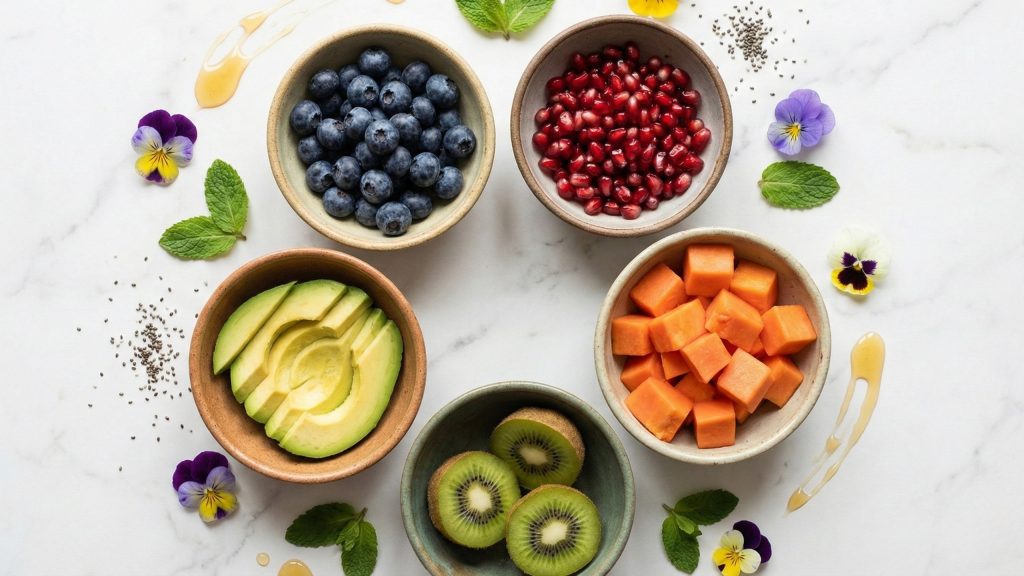
Build fruit bowls featuring all five anti-aging fruits for maximum nutrient diversity. Start with a base of diced papaya and avocado, add blueberries and pomegranate seeds, and top with sliced kiwi. This combination provides vitamin C, vitamin E, healthy fats, and multiple antioxidant classes in one satisfying snack.
Create smoothie blends using three different fruits to balance flavors while maximizing nutrition. Pair blueberries with avocado and kiwi for a creamy, antioxidant-rich drink that supports collagen production.
Timing Your Fruit Intake for Optimal Absorption
Consume vitamin C-rich fruits like kiwi and papaya in the morning when cortisol levels naturally peak, as vitamin C helps moderate stress hormone effects. Eat fatty fruits like avocado with meals to enhance the absorption of fat-soluble vitamins from other foods. This strategic timing maximizes nutrient utilization.
Space fruit snacks throughout the day to maintain consistent antioxidant levels in your bloodstream. Regular intervals provide continuous protection rather than peaks and valleys that reduce effectiveness.
Preparing Anti-Aging Fruit Snacks for the Week
Meal Prep Strategies for Fresh Fruit Snacks
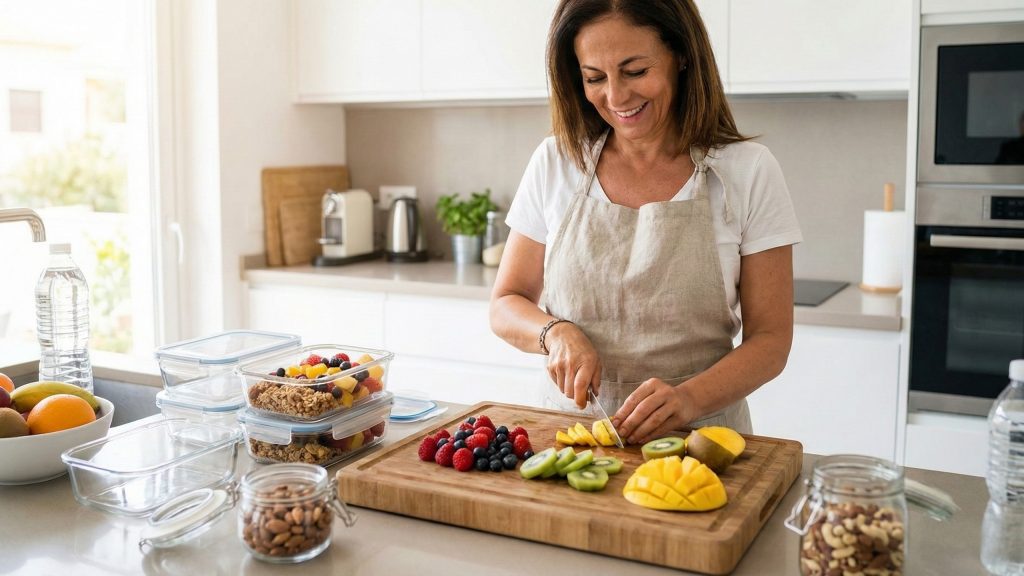
Dedicate one hour weekly to washing, cutting, and portioning fruits for convenient grab-and-go snacking. Wash blueberries and pomegranate seeds, storing them in airtight containers for 5-7 day freshness. Cut papaya and kiwi into bite-sized pieces, keeping them separate to prevent texture changes.
Prepare avocados fresh daily as they oxidize quickly once cut—keep whole avocados at room temperature for ripening, then refrigerate when ready. Pre-portion mixed fruit combinations in small containers for portion control and convenience.
Storage Tips to Preserve Nutritional Value
Store berries unwashed in the refrigerator, washing only before eating to prevent premature spoilage. Keep cut fruits in airtight containers to minimize oxygen exposure that degrades vitamin C. Add a squeeze of lemon juice to prevent browning while boosting vitamin C content.
Freeze excess ripe fruits immediately to preserve nutrients—frozen fruits retain most antioxidants and work perfectly in smoothies. Store pomegranate arils in the freezer for up to six months without significant nutrient loss.
Portion Control for Balanced Nutrition
Aim for 2-3 servings of anti-aging fruits daily, with one serving equaling approximately one cup of berries, half a papaya, one avocado, or two kiwis. This variety provides comprehensive nutrients without excessive natural sugar intake. Pre-portioning snacks prevents overeating and ensures balanced nutrition throughout the week.
Use measuring cups initially to learn appropriate serving sizes, then estimate visually once familiar with portions. Balance fruit intake with protein and healthy fats from other sources for stable blood sugar.
Container Options for On-the-Go Snacking
Glass containers with secure lids preserve fruit freshness while avoiding plastic chemicals that may disrupt hormones. Silicone bags offer reusable, flexible options ideal for berries and cut fruits. Mason jars work perfectly for layered fruit parfaits or mixed fruit salads.
Invest in insulated lunch bags with ice packs to keep fruits fresh during commutes or workdays. Bento-style containers with compartments keep different fruits separate, preventing flavor transfer and texture changes.
The Best Times to Eat Anti-Aging Fruit Snacks
Morning Snacks for Energy and Skin Nourishment
Start your day with vitamin C-rich fruits like kiwi or papaya to support morning collagen synthesis and provide sustained energy. The natural sugars in fruits deliver quick glucose for brain function while fiber prevents blood sugar spikes. Morning fruit consumption ensures nutrients are available during peak cellular activity hours.
Pairing fruits with protein sources like yogurt or nuts creates balanced snacks that sustain energy until lunch. This combination prevents the energy crashes that stress skin and accelerate aging.
Afternoon Snacks to Combat Oxidative Stress
The 3-4 PM timeframe represents peak oxidative stress as your body’s natural antioxidant defenses decline throughout the day. Consuming antioxidant-rich fruits during this window provides targeted protection when you need it most. Blueberries or pomegranate seeds make ideal afternoon snacks that combat free radical accumulation.
Afternoon fruit breaks also prevent reaching for processed snacks that promote inflammation and accelerate aging. The natural sweetness satisfies cravings while delivering skin benefits.
Evening Options That Support Overnight Skin Repair
Light fruit snacks 2-3 hours before bed provide nutrients your body uses during overnight repair processes without disrupting sleep. Avocado’s healthy fats support the production of hormones needed for cellular regeneration during deep sleep. The magnesium in certain fruits promotes relaxation and better sleep quality.
Avoid large fruit portions late at night as the natural sugars may interfere with sleep for some people. Small servings of berries with a small amount of protein make ideal evening snacks.
Nutritional Breakdown of Each Anti-Aging Fruit
Calorie Content and Macronutrient Profiles
Blueberries provide approximately 84 calories per cup with 21g carbohydrates and 4g fiber. Pomegranate arils contain about 144 calories per cup with 32g carbohydrates. Papaya offers 62 calories per cup with 16g carbohydrates and 2.5g fiber. Avocado contains 234 calories per fruit with 12g carbohydrates, 10g fiber, and 21g healthy fats. Kiwi provides 42 calories per fruit with 10g carbohydrates and 2g fiber.
These moderate calorie counts make all five fruits appropriate for daily consumption within a balanced diet. The fiber content supports satiety and blood sugar control.
Vitamin and Mineral Comparison Chart
Kiwi leads in vitamin C with 71mg per fruit, followed by papaya with 88mg per cup. Blueberries excel in manganese, providing 25% of daily needs per cup. Pomegranate delivers significant potassium at 236mg per 100g. Avocado provides the most vitamin E at 2.7mg per fruit plus 485mg potassium.
Each fruit offers unique mineral profiles that complement each other when consumed in variety. This diversity ensures comprehensive micronutrient intake for optimal skin health.
Antioxidant Levels Across Different Fruits
Blueberries rank among the highest ORAC (Oxygen Radical Absorbance Capacity) scores of all fruits, indicating exceptional antioxidant power. Pomegranate demonstrates three times the antioxidant activity of green tea. Kiwi provides potent vitamin C antioxidant protection. Papaya offers beta-carotene and lycopene antioxidants.
These varied antioxidant types create comprehensive protection across different cellular structures and aging pathways. Regular consumption of all five fruits provides optimal antioxidant coverage.
Fiber Content and Digestive Benefits
Adequate fiber intake supports the gut-skin axis, promoting clear, healthy skin through improved digestion and toxin elimination. Avocado leads in fiber with 10g per fruit, followed by blueberries at 4g per cup. This fiber feeds beneficial gut bacteria that produce anti-inflammatory compounds benefiting skin.
The soluble fiber in fruits slows sugar absorption, preventing the glycation that damages collagen. Regular fruit consumption promotes regularity and supports a healthy microbiome essential for glowing skin.
How Anti-Aging Fruits Support Collagen Production
The Collagen-Vitamin C Connection
Collagen synthesis absolutely requires vitamin C as a cofactor for the enzymes that build collagen molecules. Without adequate vitamin C, these enzymes cannot function, halting collagen production regardless of protein intake. The five anti-aging fruits provide exceptional vitamin C levels, ensuring continuous collagen synthesis.
Vitamin C also protects newly formed collagen from degradation, maximizing the impact of each molecule produced. This dual role makes vitamin C the single most important nutrient for maintaining youthful skin structure.
Amino Acids in Fruits That Build Protein
While fruits aren’t primary protein sources, they contain specific amino acids that support collagen synthesis. Papaya provides proline and glycine, two amino acids abundant in collagen structure. These fruits work synergistically with protein foods to optimize collagen production.
The vitamin and mineral content in fruits activates the enzymatic processes that assemble amino acids into functional collagen molecules. This supporting role makes fruits essential even when protein intake is adequate.
Copper and Other Minerals for Collagen Cross-Linking
Copper enables the cross-linking that gives collagen its strength and flexibility. Avocado and kiwi provide meaningful copper amounts that support this critical process. Without proper cross-linking, collagen remains weak and cannot effectively support skin structure.
Manganese, abundant in blueberries, also participates in collagen formation and protects against oxidative damage during synthesis. These trace minerals represent often-overlooked factors in maintaining collagen quality.
Anti-Aging Fruits vs Other Anti-Aging Foods
Comparing Fruits to Vegetables for Skin Health
Both fruits and vegetables provide antioxidants, but fruits generally contain higher vitamin C concentrations crucial for collagen synthesis. Vegetables excel in minerals and certain phytonutrients like sulforaphane found in cruciferous varieties. The ideal anti-aging diet includes generous amounts of both food groups.
Fruits’ natural sweetness makes them more appealing as snacks, improving dietary compliance. The convenience of fresh fruit requires no preparation, removing barriers to consistent consumption.
Why Fruits Excel in Antioxidant Delivery
The concentrated phytonutrients that give fruits their vibrant colors deliver exceptional antioxidant power in small portions. One cup of blueberries provides more antioxidant capacity than many vegetable servings. This efficiency makes fruits particularly valuable for busy people seeking maximum nutrition in minimal volume.
The natural packaging of fruits preserves nutrients until consumption, unlike cut vegetables that lose vitamins through oxidation. Whole fruits maintain their nutritional integrity from harvest to consumption.
Balancing Fruits with Other Nutrient Sources
While fruits offer remarkable anti-aging benefits, complete nutrition requires diverse food sources. Combine fruits with lean proteins for amino acids, fatty fish for omega-3s, and nuts for additional vitamin E. This balanced approach provides all nutrients needed for comprehensive skin health.
Fruits complement rather than replace other anti-aging foods. The synergy between different food groups creates better results than any single food could achieve alone.
Enhancing Absorption of Anti-Aging Nutrients
Pairing Fruits with Healthy Fats
Fat-soluble vitamins like A and E require dietary fat for absorption. Pair beta-carotene-rich papaya with avocado or nuts to maximize vitamin A uptake. Add a small amount of nut butter to fruit snacks to enhance the absorption of all fat-soluble antioxidants.
This strategic pairing increases the nutritional value of your snacks without adding excessive calories. Even small amounts of fat significantly improve nutrient bioavailability.
The Role of Gut Health in Nutrient Uptake
Your gut microbiome determines how effectively you absorb and utilize nutrients from fruits. The prebiotic fiber in fruits feeds beneficial bacteria that support nutrient absorption and produce skin-supporting compounds. A healthy gut maximizes the anti-aging benefits you receive from fruit consumption.
Probiotic foods like yogurt pair excellently with fruits, providing both prebiotics (from fruit fiber) and probiotics (from fermented foods). This combination optimizes gut health and skin outcomes.
Supplements vs Whole Fruits for Anti-Aging
Whole fruits provide nutrients in naturally balanced ratios with supporting compounds that enhance absorption and effectiveness. Isolated supplements lack the fiber, water, and complementary phytonutrients found in whole foods. Research consistently shows that whole food consumption creates better health outcomes than supplementation.
The act of chewing fruits triggers digestive processes and releases enzymes that optimize nutrient extraction. This complete nutritional package makes whole fruits superior to even high-quality supplements.

Organic vs Conventional Anti-Aging Fruits
Pesticide Concerns and Skin Health
Conventional fruits often contain pesticide residues that may disrupt hormones and promote inflammation, potentially counteracting skin benefits. The Environmental Working Group identifies strawberries, blueberries, and peaches among fruits with higher pesticide loads. Organic versions reduce this chemical exposure significantly.
However, the benefits of eating conventional fruits outweigh the risks of avoiding fruits entirely due to cost concerns. Washing thoroughly removes much surface residue, making conventional fruits still valuable for skin health.
Nutritional Differences Between Growing Methods
Studies show minimal nutritional differences between organic and conventional fruits in terms of vitamins and minerals. The primary advantage of organic produce lies in reduced chemical exposure rather than enhanced nutrient content. Both types provide comparable anti-aging benefits.
Some research suggests organic fruits may contain slightly higher antioxidant levels due to plants producing more protective compounds without pesticides. These differences remain modest and shouldn’t prevent conventional fruit consumption.
The Dirty Dozen and Clean Fifteen Guide
Prioritize organic purchases for fruits on the “Dirty Dozen” list, including strawberries and blueberries, which typically have higher pesticide residues. Fruits with thick, inedible peels like avocado and kiwi rank on the “Clean Fifteen,” making conventional versions acceptable choices.
This strategic approach allows budget-conscious shoppers to maximize pesticide reduction while maintaining generous fruit intake. Focus spending on organic versions of thin-skinned fruits you eat most frequently.
Budget-Friendly Choices for Quality Fruits
Frozen organic fruits offer excellent value, providing pesticide-free options at lower prices than fresh organic. Frozen fruits retain most nutrients and work perfectly for smoothies and yogurt toppings. Buy conventional fruits for those with protective peels, reserving organic purchases for berries and thin-skinned varieties.
Shop seasonal fruits when prices drop and quality peaks. Stock up during sales and freeze excess for year-round availability at minimal cost.
Potential Side Effects and Considerations
Natural Sugars and Blood Glucose Management
While fruit sugars come packaged with fiber that slows absorption, people with diabetes or insulin resistance should monitor portion sizes. Pair fruits with protein or healthy fats to further moderate blood sugar impact. The anti-aging benefits of fruits justify their inclusion even for diabetics when consumed mindfully.
Choose lower-glycemic fruits like berries over tropical fruits if blood sugar control is a primary concern. The fiber in whole fruits creates much lower glycemic responses than fruit juices.
Fruit Allergies and Sensitivities
Some people experience oral allergy syndrome with certain fruits, causing mouth tingling or itching. This typically affects those with pollen allergies who cross-react to proteins in fresh fruits. Cooking fruits often eliminates this reaction by denaturing the problematic proteins.
True fruit allergies remain rare but can be serious. Discontinue consumption and consult an allergist if you experience symptoms beyond mild mouth tingling, including hives, swelling, or breathing difficulty.
Interactions with Medications
Pomegranate may interact with blood pressure medications and statins, potentially enhancing their effects. Grapefruit famously interacts with many medications, though the fruits discussed here generally don’t cause similar concerns. Always inform healthcare providers about your fruit consumption when starting new medications.
The vitamin K in avocados may interfere with blood thinners like warfarin. Maintain consistent avocado intake rather than dramatic fluctuations to keep medication dosing stable.
Appropriate Serving Sizes for Different Ages
Adults benefit from 2-3 servings of anti-aging fruits daily, while children need 1-2 servings based on age and activity level. Older adults may require smaller portions due to reduced caloric needs but shouldn’t reduce fruit intake as antioxidant needs actually increase with age.
Pregnant women can safely enjoy these fruits, which provide folate and vitamins supporting fetal development. The nutrients in fruits support both maternal health and healthy fetal growth.
Anti-Aging Fruit Snacks for Different Skin Types
Best Choices for Dry, Mature Skin
Dry, aging skin benefits most from avocado’s healthy fats and papaya’s vitamin A, both supporting moisture retention and barrier function. The vitamin E in avocado penetrates deeply to nourish dry skin from within. Focus on these hydrating fruits while including vitamin C-rich options for collagen support.
Mature skin requires extra antioxidant protection as natural defenses decline with age. Emphasize blueberries and pomegranate for their exceptional antioxidant profiles that combat accumulated damage.
Fruits That Balance Oily, Aging Skin
Oily skin benefits from papaya’s vitamin A, which regulates sebum production without over-drying. The natural acids in berries provide gentle exfoliation that prevents clogged pores. These fruits address aging concerns while managing oil production.
Avoid excessive avocado if oiliness is severe, though moderate amounts provide valuable nutrients without worsening oil issues. The key lies in balance rather than elimination.
Options for Sensitive Skin Prone to Inflammation
Sensitive skin responds well to pomegranate’s anti-inflammatory properties and blueberry’s soothing compounds. These fruits calm reactivity while providing anti-aging benefits. Avoid citrus fruits which may trigger sensitivity in some people.
The antioxidants in these gentle fruits reduce the inflammation that contributes to both sensitivity and accelerated aging. Consistent consumption often improves skin tolerance over time.
Creating Anti-Aging Fruit Smoothie Snacks
Nutrient-Dense Smoothie Combinations
Blend one cup blueberries, half an avocado, one kiwi, and almond milk for a complete anti-aging smoothie providing vitamin C, vitamin E, and healthy fats. Add a handful of spinach for extra nutrients without altering flavor. This combination delivers comprehensive skin support in one convenient drink.
Create tropical versions using papaya, half an avocado, coconut water, and lime juice for hydrating refreshment. The vitamin A and healthy fats work synergistically for skin health.
Avoiding Sugar Spikes in Fruit Smoothies
Always include protein powder, Greek yogurt, or nut butter in fruit smoothies to slow sugar absorption. The protein creates a more gradual glucose release that prevents inflammatory spikes. Limit smoothies to 1-1.5 cups of fruit to control total sugar content.
Add chia seeds or ground flaxseed for extra fiber that further moderates blood sugar response. These additions provide omega-3 fatty acids that complement fruit nutrients.
Adding Protein and Healthy Fats
Incorporate hemp seeds, which provide complete protein and healthy fats in one ingredient. A tablespoon of almond butter adds richness while supporting nutrient absorption. These additions transform fruit smoothies into complete meals or substantial snacks.
Collagen powder blends seamlessly into smoothies, directly providing the protein your skin needs. Combined with vitamin C from fruits, this creates optimal conditions for collagen utilization.
Best Blending Techniques to Preserve Nutrients
Blend smoothies briefly—just until smooth—to minimize heat generation and oxidation that degrades vitamins. Start with liquids, add soft ingredients, then finish with frozen items for efficient blending. Consume smoothies immediately after blending to maximize nutrient retention.
Use a high-powered blender to thoroughly break down cell walls, releasing more nutrients for absorption. The fine consistency improves digestibility and nutrient availability.
Dried vs Fresh Anti-Aging Fruits
Nutritional Changes During Dehydration
Drying concentrates sugars and calories while removing water content. Dried blueberries contain approximately three times the calories per cup compared to fresh. Heat-sensitive vitamins like vitamin C decline during drying, reducing some anti-aging benefits.
However, many antioxidants remain stable or even concentrate during drying. Dried fruits provide convenient, shelf-stable options when fresh versions are unavailable.
When Dried Fruits Work Best
Dried fruits excel for travel, hiking, or situations where fresh fruit isn’t practical. Mix dried blueberries with nuts for portable trail mix providing sustained energy. The concentrated nutrients in dried fruits deliver substantial benefits despite reduced vitamin C.
Use dried fruits sparingly as garnishes rather than main snacks to control sugar and calorie intake. A tablespoon of dried pomegranate seeds adds flavor and nutrients without excess calories.
Sugar Content Comparisons
Fresh blueberries contain about 15g sugar per cup, while dried versions pack 65g per cup. This concentration makes portion control critical with dried fruits. The lack of water means the fiber-to-sugar ratio changes dramatically, affecting blood sugar impact.
Choose unsweetened dried fruits to avoid added sugars that negate health benefits. Read labels carefully as many commercial dried fruits contain added sweeteners.
Making Your Own Dried Fruit Snacks
Dehydrate fruits at home using a food dehydrator or low-temperature oven (135-145°F) to preserve maximum nutrients. Slice fruits uniformly for even drying and avoid added sugars or oils. Homemade dried fruits taste superior to commercial versions and cost less.
Store dried fruits in airtight containers away from light and heat to maintain quality. Properly dried fruits last several months, providing anti-aging snacks year-round.
Seasonal Anti-Aging Fruit Guide
Spring Fruits for Skin Renewal
Spring brings strawberries and early-season kiwis perfect for supporting the skin renewal that accompanies seasonal transitions. The vitamin C in spring fruits helps repair winter damage from dry air and harsh weather. Fresh produce availability increases, making this ideal for establishing new healthy habits.
Spring represents rebirth and renewal—align your skin care nutrition with nature’s cycles by emphasizing fresh, seasonal fruits. The psychological boost from fresh produce enhances consistency in healthy eating.
Summer Options for UV Protection
Summer’s abundance of berries provides antioxidants that complement sun protection efforts. While fruits never replace sunscreen, their antioxidants reduce oxidative damage from UV exposure. Peak-season berries contain maximum nutrients at lowest prices.
The hydration from water-rich summer fruits supports skin moisture lost to heat and sun exposure. Frozen fruit snacks provide cooling refreshment while delivering anti-aging benefits.
Fall Choices for Antioxidant Loading
Fall brings peak pomegranate season with the year’s best quality and prices. Stock up on pomegranates in autumn to take advantage of this timing. The transition to cooler weather makes this ideal for preparing skin for winter’s challenges.
Increase antioxidant-rich fruit intake as summer ends to help repair accumulated sun damage before winter. This seasonal approach aligns with your skin’s changing needs.
Winter Fruits to Combat Dry Skin
Winter citrus and kiwis provide vitamin C when other fresh options dwindle. Focus on avocados and frozen berries to maintain healthy fat and antioxidant intake during cold months. The fats in avocado combat winter’s drying effects from indoor heating.
Frozen summer fruits provide consistent quality year-round, ensuring you maintain anti-aging nutrition regardless of season. Stock freezers in summer for winter access to peak-season nutrients.
Anti-Aging Fruit Snack Recipes
No-Prep Quick Grab-and-Go Options
Keep washed berries in clear containers at eye level in your refrigerator for instant access. Pre-portion mixed fruits into small jars for grab-and-go convenience requiring zero morning preparation. The visible availability encourages consistent consumption.
Whole kiwis and avocados require no preparation until eating—pack with a spoon for workplace snacking. This simplicity removes barriers that prevent healthy eating when tired or busy.
Five-Minute Fruit Bowl Combinations
Layer Greek yogurt with blueberries, diced kiwi, and pomegranate seeds for a complete snack in minutes. Top with sliced almonds for healthy fats and crunch. This combination provides protein, probiotics, and anti-aging fruits in one satisfying bowl.
Dice papaya and avocado, squeeze fresh lime juice over top, and sprinkle with sea salt for a savory-sweet treat. The healthy fats enhance vitamin A absorption from papaya.
Frozen Fruit Bark for Sweet Treats
Blend Greek yogurt with honey, spread thin on a parchment-lined sheet, and top with blueberries, pomegranate seeds, and kiwi slices. Freeze until solid, then break into pieces for a healthy “candy” alternative. This treat satisfies sweet cravings while providing probiotics and antioxidants.
The frozen format makes nutrients feel indulgent, improving dietary adherence. Prepare large batches and store in freezer bags for convenient access to healthy desserts.
Fruit Parfaits with Anti-Aging Boosters
Layer overnight oats with mashed avocado, diced papaya, blueberries, and chia seeds for a complete breakfast parfait. The combination provides sustained energy, healthy fats, protein, and comprehensive skin nutrients. Prepare in mason jars for 3-4 days of ready-made breakfasts.
Alternate layers of coconut yogurt with each of the five fruits for a rainbow parfait that delivers complete anti-aging nutrition. Top with hemp seeds for extra protein and omega-3s.
The Role of Hydration with Fruit Snacks
Water Content in Anti-Aging Fruits
Papaya contains 88% water, kiwi 83%, and blueberries 84%, making them excellent hydration sources. This water content supports skin plumpness and moisture retention from within. The minerals in fruit water enhance hydration more effectively than plain water alone.
Proper cellular hydration enables all anti-aging processes to function optimally. Dehydrated cells cannot produce collagen efficiently or defend against oxidative stress.
Combining Fruit Intake with Adequate Hydration
Drink water alongside fruit snacks to maximize hydration benefits. The fiber in fruits requires adequate fluid to support digestive health and nutrient absorption. Aim for at least eight glasses of water daily in addition to water-rich fruits.
The synergy between fruit nutrients and adequate hydration creates visible skin improvements faster than either approach alone. Well-hydrated skin better utilizes the vitamins and antioxidants from fruits.
How Hydration Amplifies Fruit Benefits
Adequate hydration improves nutrient transport throughout the body, ensuring vitamins from fruits reach skin cells efficiently. Water supports the elimination of toxins that would otherwise accumulate and damage skin. This cleansing effect enhances the protective benefits of fruit antioxidants.
Dehydration reduces skin’s ability to produce collagen and repair damage, negating much of the benefit from anti-aging fruits. Maintaining hydration represents a non-negotiable foundation for skin health.
Scientific Studies on Anti-Aging Fruits
Research on Berries and Cognitive Function
Studies published by the National Center for Biotechnology Information demonstrate that berry consumption improves cognitive function and reduces oxidative stress. The same antioxidants that protect brain cells also help neutralize free radicals that accelerate aging.
Research indicates that blueberry supplementation reduces wrinkle severity and improves skin tone over 16 weeks. These findings provide scientific validation for traditional beauty practices involving berries.
Clinical Trials on Fruit-Based Diets
Clinical evidence shows that diets emphasizing fruits and vegetables correlate with measurably fewer wrinkles and better skin quality. Participants with higher fruit and vegetable intake demonstrate younger-appearing skin compared to low-fruit consumers.
Long-term studies spanning decades reveal that consistent fruit consumption associates with slower biological aging across multiple markers. The compounds in fruits affect aging at the genetic level, influencing how quickly cells age.
Longevity Studies Featuring Fruit Consumption
Population studies consistently show that people consuming generous fruit amounts live longer and experience less age-related disease. The Blue Zones, regions where people routinely live past 100, all feature fruit-rich dietary patterns. This correlation suggests fruits’ benefits extend beyond skin to overall longevity.
The antioxidants and phytonutrients in fruits protect against cardiovascular disease, cancer, and neurodegeneration—the primary causes of premature death. Skin appearance reflects internal health, making visible skin benefits markers of comprehensive anti-aging effects.
Anti-Aging Fruits and Gut-Skin Connection
Prebiotic Fiber in Fruits
The fiber in all five anti-aging fruits feeds beneficial gut bacteria that produce short-chain fatty acids with anti-inflammatory effects. These bacterial metabolites reduce systemic inflammation that accelerates skin aging. A healthy gut microbiome improves nutrient absorption, maximizing benefits from fruits.
Prebiotic fiber also regulates immune function, reducing autoimmune reactions that can manifest as skin inflammation. The gut-skin axis represents a crucial pathway through which fruits deliver anti-aging benefits.
Supporting Microbiome Diversity
Diverse fruit consumption promotes diverse gut bacteria populations, which correlates with better health outcomes. Each fruit type feeds different bacterial species, making variety essential for optimal microbiome health. This diversity strengthens immune function and reduces inflammation affecting skin.
People with acne and other inflammatory skin conditions often show reduced gut bacteria diversity. Increasing fruit variety helps restore this diversity and may improve skin clarity.
How Gut Health Reflects on Skin
Your complexion provides a visible window into digestive health—persistent skin issues often signal gut imbalances. The inflammation, toxin accumulation, and nutrient malabsorption from poor gut health all manifest as skin problems. Fruit consumption addresses root causes rather than merely masking symptoms.
The fiber, antioxidants, and phytonutrients in fruits create optimal gut conditions that translate to clear, radiant skin. This inside-out approach delivers lasting results that topical treatments cannot achieve.
Lifestyle Factors That Enhance Fruit Benefits
Sleep Quality and Nutrient Utilization
Your body performs most cellular repair during deep sleep stages, utilizing the nutrients from daily fruit consumption for collagen synthesis and damage repair. Without adequate sleep, your body cannot fully leverage fruit nutrients for anti-aging benefits. Aim for 7-9 hours nightly to maximize results.
The magnesium in avocados and antioxidants in berries actually support better sleep quality, creating a positive feedback loop. Better sleep enhances nutrient utilization, which provides compounds that improve sleep—a cycle supporting optimal aging.
Exercise and Antioxidant Protection
Regular physical activity increases oxidative stress temporarily but triggers adaptations that strengthen antioxidant defenses long-term. The antioxidants from fruits support exercise recovery while exercise enhances how your body utilizes these protective compounds. This synergy creates better results than either practice alone.
Exercise improves circulation, ensuring nutrients from fruits reach skin cells efficiently. The increased blood flow also accelerates waste removal, supporting clearer skin.
Stress Management for Optimal Results
Chronic stress generates cortisol that breaks down collagen and triggers inflammatory processes throughout the body. Managing stress through meditation, yoga, or other techniques protects the collagen your body builds using fruit nutrients. No amount of healthy eating can overcome the aging effects of chronic stress.
The act of preparing and mindfully enjoying fruit snacks can serve as a stress-reduction practice itself. Taking time to nourish yourself with beautiful, healthy foods supports both physical and emotional well-being.
Long-Term Benefits of Consistent Fruit Snacking
Three-Month Skin Transformation Timeline
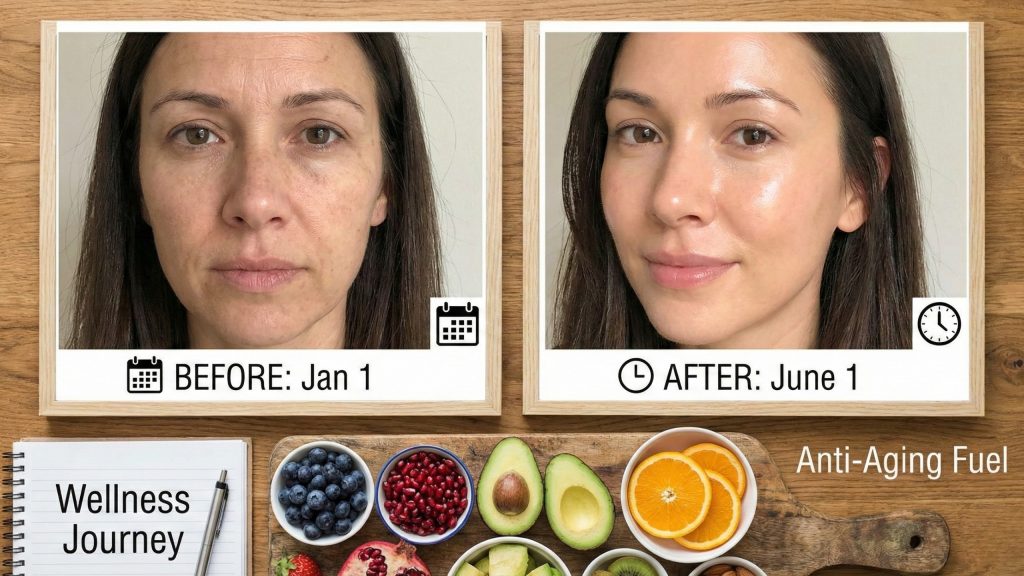
Initial improvements in hydration and radiance appear within 2-4 weeks of consistent fruit consumption. By 8-12 weeks, you’ll notice measurable improvements in skin texture, tone, and firmness as collagen production increases and damage repairs. Fine lines become less pronounced as skin cells become better hydrated and protected.
The three-month mark represents a turning point where cumulative benefits become clearly visible. Friends and family typically notice your improved complexion by this timeframe.
One-Year Results and Maintenance
After one year of consistent fruit intake, your skin shows dramatic improvements in elasticity, pigmentation, and overall quality. The ongoing protection from antioxidants prevents new damage while repair processes address existing issues. Your biological skin age may measure years younger than chronological age.
Long-term maintenance requires continued consistent intake rather than sporadic efforts. The protective benefits accumulate over time, with each passing year showing progressively better results compared to those not prioritizing fruit nutrition.
Lifelong Anti-Aging Through Nutrition
Viewing fruit consumption as a lifelong practice rather than a temporary intervention creates the most profound anti-aging effects. People maintaining fruit-rich diets throughout adulthood consistently appear younger than peers with poor nutritional habits. The compounding effects over decades create remarkable differences.
Starting at any age provides benefits—it’s never too late to improve skin health through nutrition. However, earlier adoption provides more years of protection and fewer accumulated damage to repair.
Common Mistakes to Avoid with Anti-Aging Fruits
Overconsumption and Sugar Overload
While fruits contain beneficial nutrients, excessive consumption provides too much natural sugar, potentially causing blood sugar instability and inflammation. Stick to 2-3 servings daily rather than unlimited quantities. Balance fruits with vegetables, proteins, and healthy fats for comprehensive nutrition.
The fiber in whole fruits moderates sugar impact, but this protection has limits. Excessive fruit intake can still promote weight gain and metabolic issues that accelerate aging.
Ignoring Variety and Eating Only One Type
Eating only one fruit type, even a nutrient-dense option like blueberries, provides incomplete nutrition compared to diverse fruit intake. Each fruit offers unique phytonutrients and antioxidants that complement others. Variety ensures comprehensive protection across all aging pathways.
Rotate through different fruits weekly to maximize nutrient diversity. This approach also prevents taste fatigue that might reduce long-term dietary compliance.
Poor Storage Leading to Nutrient Loss
Improper storage accelerates nutrient degradation, reducing anti-aging benefits. Keep berries refrigerated, store cut fruits in airtight containers, and consume within optimal timeframes. Vitamin C degrades rapidly when exposed to air, light, and heat.
Plan fruit purchases around consumption patterns to ensure freshness. Buying excessive amounts that spoil wastes money and reduces nutritional value.
Forgetting to Pair with Other Nutrients
Fruits alone cannot provide complete nutrition for optimal skin health. Pair fruits with protein sources for amino acids, healthy fats for enhanced absorption, and mineral-rich foods for comprehensive nutrition. This synergy creates better results than fruits in isolation.
The vitamin C from fruits works more effectively when paired with adequate protein for collagen building. Consider fruits as one component of a complete anti-aging nutrition strategy.
Budget-Friendly Shopping for Anti-Aging Fruits
Buying In Season for Best Prices
Seasonal fruits cost significantly less and offer superior quality compared to out-of-season imports. Buy blueberries in summer, pomegranates in fall, and kiwis in winter for best value. Seasonal eating aligns with nature’s patterns while supporting budget-conscious nutrition.
Visit farmers markets near closing time for discounts on produce vendors want to sell before packing up. These end-of-day deals provide premium fruits at fraction of regular cost.
Frozen Options That Retain Nutrients
Frozen fruits undergo processing at peak ripeness, often containing more nutrients than “fresh” fruits shipped long distances. Frozen blueberries and pomegranate seeds cost less than fresh while lasting months without spoilage. This convenience and economy make frozen fruits excellent choices.
Buy large bags of frozen fruits from warehouse stores for maximum savings. The per-serving cost drops dramatically with bulk purchases, and freezer storage prevents waste.
Shopping at Farmers Markets
Farmers markets often offer competitive prices for locally grown fruits at peak freshness. Building relationships with vendors may yield discounts for regular customers. The superior quality and freshness at farmers markets provide maximum nutrient density per dollar spent.
Shop markets at season’s end when farmers offer discounts to sell remaining inventory. This timing provides opportunities to buy fruit for freezing at minimal cost.
Bulk Buying and Proper Storage
Purchase cases of in-season fruits and preserve through freezing or dehydrating for year-round access at summer prices. Frozen fruits retain most nutrients and work perfectly for smoothies and cooking. This strategy requires upfront investment but delivers substantial long-term savings.
Wash berries in a vinegar solution (1 part vinegar to 3 parts water) before storage to extend freshness and prevent mold. Pat completely dry before refrigerating to maximize shelf life and preserve nutritional value.
Anti-Aging Fruit Snacks for Different Life Stages
Benefits for Women in Their 30s
Your 30s mark the beginning of visible collagen decline, making this the ideal time to establish protective nutrition habits. The antioxidants in these five fruits prevent early damage accumulation while supporting ongoing collagen production. Starting anti-aging nutrition in your 30s provides maximum preventive benefits.
Women in their 30s often balance demanding careers and family responsibilities—convenient fruit snacks provide essential nutrition without time-intensive meal preparation. The energy from natural fruit sugars supports busy lifestyles while protecting skin.
Essential Fruits for 40s and Beyond
During your 40s, hormonal changes accelerate skin aging, making nutrient-dense fruits increasingly important. Focus on avocado’s healthy fats to combat dryness and blueberries’ antioxidants to protect against accumulated damage. The vitamin C in kiwi and papaya becomes crucial as collagen production slows significantly.
This decade requires intensified anti-aging efforts as cellular repair mechanisms decline. Consistent fruit consumption helps moderate these changes and maintain youthful appearance.
Menopause and Skin-Supporting Fruits
Declining estrogen during menopause dramatically affects skin thickness, moisture, and elasticity. The healthy fats in avocado support hormone production and skin barrier function during this transition. Antioxidants from berries and pomegranate combat the increased oxidative stress that accompanies hormonal changes.
Phytonutrients in fruits provide gentle hormone-balancing effects that may ease menopausal symptoms. The comprehensive nutrition from diverse fruits supports overall wellness during this challenging life stage.
Senior Nutrition and Fruit Intake
Seniors require fewer calories but actually need more nutrients, making nutrient-dense fruits ideal for older adults. The antioxidant protection becomes increasingly critical as natural defenses weaken with advanced age. Soft fruits like papaya and avocado accommodate dental concerns common in seniors.
The fiber in fruits supports digestive health often compromised in older adults. Regular fruit consumption correlates with better cognitive function and reduced disease risk throughout the senior years.
FAQs
How many servings of anti-aging fruits should I eat daily?
Aim for 2-3 servings daily, with one serving equaling one cup of berries, half a papaya, one avocado, or two kiwis. This amount provides optimal anti-aging nutrients without excessive sugar intake. Distribute servings throughout the day for continuous antioxidant protection and stable blood sugar.
Can anti-aging fruits reverse existing wrinkles?
Anti-aging fruits cannot completely reverse deep wrinkles but can reduce their appearance by supporting collagen production and skin hydration. Studies show measurable improvements in wrinkle depth after 8-16 weeks of consistent fruit consumption. The earlier you start, the more dramatic the preventive and restorative effects.
Which anti-aging fruit is most effective for collagen production?
Kiwi provides the highest vitamin C content at over 100% of daily needs per fruit, making it exceptionally effective for collagen synthesis. However, combining all five fruits creates synergistic effects superior to any single fruit. The variety ensures comprehensive nutrient support for optimal collagen production.
Are frozen anti-aging fruits as beneficial as fresh ones?
Frozen fruits retain most nutrients since they’re frozen at peak ripeness, often exceeding the nutritional value of “fresh” fruits shipped long distances. Vitamin C may decrease slightly during freezing, but antioxidants and most vitamins remain stable. Frozen options provide convenient, affordable access to anti-aging benefits year-round.
Can I eat anti-aging fruits if I have diabetes?
Yes, people with diabetes can safely enjoy these fruits when paired with protein or healthy fats to moderate blood sugar impact. Choose lower-glycemic options like berries and focus on appropriate portion sizes. The fiber in whole fruits slows sugar absorption significantly compared to fruit juice. Always monitor blood glucose responses and consult your healthcare provider.
How long does it take to see skin improvements from eating anti-aging fruits?
Initial improvements in hydration and radiance typically appear within 2-4 weeks of daily consumption. More significant changes in texture, tone, and fine lines emerge after 8-12 weeks as collagen production increases. Maximum benefits accumulate over months to years of consistent intake, with progressive improvements at each milestone.
Should I eat anti-aging fruits with or without the skin?
Eat kiwi and blueberry skins whenever possible as they contain concentrated fiber and antioxidants. Papaya and avocado skins are inedible and should be removed. Pomegranate arils (seeds) are edible while the outer peel is discarded. Fruit skins provide additional prebiotic fiber that supports gut health.
Can children benefit from anti-aging fruit snacks?
Children benefit from the vitamins, antioxidants, and fiber in these fruits for overall growth and development. While anti-aging isn’t relevant for children, the same nutrients support healthy development. Serve age-appropriate portions—about 1-2 servings daily for most children. Introduce whole nuts and seeds with caution due to choking risks in young children.
Do anti-aging fruits help with dark spots and hyperpigmentation?
Yes, the vitamin C in kiwi and papaya inhibits excess melanin production while promoting cell turnover to fade existing dark spots. Pomegranate’s antioxidants protect against UV damage that causes hyperpigmentation. Consistent consumption over 8-12 weeks produces visible lightening effects, though results vary by individual and pigmentation severity.
Is it better to eat anti-aging fruits whole or blended?
Whole fruits provide more satiety and require no equipment, making them ideal for most situations. Blended fruits in smoothies offer convenient nutrient delivery and may improve absorption by breaking down cell walls. Both methods provide excellent benefits—choose based on preference and lifestyle. Avoid straining smoothies, which removes beneficial fiber.
Can anti-aging fruits cause breakouts in acne-prone skin?
Most people tolerate these fruits well, but individual responses vary. The natural sugars may trigger breakouts in highly sensitive individuals, though the fiber moderates this effect. The anti-inflammatory and antioxidant properties typically benefit acne-prone skin. If breakouts occur, reduce portion sizes or pair fruits with more protein and healthy fats to stabilize blood sugar.
What time of day is best for eating anti-aging fruit snacks?
Morning consumption provides vitamin C when cortisol naturally peaks, supporting collagen synthesis throughout the day. Afternoon snacks combat oxidative stress that accumulates as natural defenses decline. Evening portions should be light to avoid sleep disruption from natural sugars. Distribute intake across multiple times for continuous antioxidant protection.
Do organic anti-aging fruits work better than conventional?
Organic and conventional fruits provide similar vitamin and antioxidant content, making both effective for anti-aging benefits. Organic options reduce pesticide exposure, which may benefit overall health and reduce inflammation. Prioritize organic for thin-skinned berries while conventional avocados and kiwis with thick peels are acceptable. The most important factor is eating fruits consistently, regardless of growing method.
Can I combine all five anti-aging fruits in one snack?
Yes, combining all five fruits in a smoothie or fruit bowl provides comprehensive anti-aging nutrition with diverse antioxidants working synergistically. This variety ensures you receive the full spectrum of vitamins, minerals, and phytonutrients for optimal skin health. Mix frozen and fresh versions for convenience and blend with yogurt or nut butter for balanced nutrition.
Are there any anti-aging fruits to avoid during pregnancy?
All five anti-aging fruits are safe during pregnancy and provide valuable nutrients for both mother and baby. Papaya should be ripe—avoid unripe papaya which contains latex that may trigger contractions. The folate, vitamin C, and healthy fats support fetal development while maintaining maternal skin health. Wash all fruits thoroughly to reduce foodborne illness risk.
Conclusion
These five anti-aging fruit snacks—blueberries, pomegranate, papaya, avocado, and kiwi—offer scientifically proven benefits for maintaining youthful, radiant skin throughout your life. Their concentrated antioxidants, essential vitamins, and beneficial compounds work together to protect collagen, combat free radicals, and support cellular renewal processes that keep skin looking its best.
The beauty of these anti-aging fruits lies in their accessibility and simplicity. No expensive treatments or complicated protocols are required—just consistent daily consumption of these delicious whole foods creates measurable improvements in skin texture, tone, and firmness. Whether eaten fresh, frozen, or blended into smoothies, these fruits deliver powerful nutrition that transforms your complexion from the inside out.
Start incorporating these five anti-aging fruit snacks into your daily routine today and commit to consistency over the coming months. Your skin will reward your efforts with improved radiance, reduced fine lines, and a youthful glow that reflects the powerful nutrition you’re providing. Remember that anti-aging is a lifelong journey—the sooner you begin nourishing your skin with these remarkable fruits, the more years of vibrant, healthy skin you’ll enjoy.