Is your complexion suffering from the lackluster pallor of urban fatigue, leaving you desperate for a revival of youthful effulgence? In the relentless pursuit of cutaneous perfection, we often find ourselves ensnared in a labyrinth of synthetic elixirs and exorbitant dermatological interventions, yet true radiance remains tantalizingly elusive. It is a wearying, usually futile cycle of trial and error.
However, nature frequently conceals the most efficacious panaceas in the most unassuming vessels. Enter the humble almond, a drupe of formidable potency that has been revered since antiquity. Beyond its culinary ubiquity, this oleaginous powerhouse harbors secret weapons capable of transmuting your visage from dull to luminous with surprising velocity.
We are not merely discussing superficial hydration; we are exploring a cellular renaissance fueled by abundant alpha-tocopherol and essential fatty acids. The Almond Benefits for skin extend far beyond simple nourishment; they offer a robust prophylactic shield against oxidative stress and a restorative balm for environmental ravages.
As we delve into the biochemical architecture of this ancient nut, prepare to discover how three specific properties can orchestrate a symphony of dermatological health, gifting you that covetable, ethereal glow. Abandon the artificial. Embrace the kernel.
- Essential Nutrients Found in Almonds
- The Connection Between Diet and Skin Radiance
- Antioxidants That Fight Free Radical Damage
- How Almonds Reduce Fine Lines and Wrinkles
- The Role of Healthy Fats in Skin Elasticity
- Omega-3 Fatty Acids for Supple Skin
- How Almonds Prevent Dry, Flaky Skin
- The Hydration Connection to Skin Glow
- Reducing Dark Spots and Hyperpigmentation
- How Almonds Improve Overall Complexion
- The Vitamin Content That Enhances Brightness
- Best Times to Eat Almonds for Skin Health
- Raw vs Roasted: Which Is Better for Your Skin
- How to Use Almond Oil in Your Skincare Routine
- DIY Almond Face Masks for Radiant Skin
- Combining Internal and External Almond Benefits
- Exfoliating Almond Scrub Formula
- Almond Milk Cleanser for Sensitive Skin
- Overnight Almond Treatment for Deep Nourishment
- Mineral Composition for Healthy Skin
- Fiber and Its Impact on Skin Clarity
- Biotin and Collagen Production
- Prebiotic Benefits for Clear Skin
- The Gut-Skin Axis Explained
- Why Almonds Stand Out for Beauty Benefits
- Combining Different Nuts for Optimal Results
- Appropriate Dosage to Avoid Adverse Effects
- When to Consult a Healthcare Professional
- Creating a Skin-Healthy Meal Plan
- Hydration and Its Role in Maximizing Benefits
- Clinical Evidence for Anti-Aging Properties
- Studies on Almond Oil Effectiveness
- Maintaining Your Glow with Consistent Use
- Realistic Expectations and Individual Variations
- Storage Tips to Preserve Nutritional Value
- Signs of Fresh, High-Quality Almonds
- Exercise and Skin Circulation
- Stress Management for Optimal Glow
- Conclusion
The Science Behind Almond Benefits for Skin Health
How Almonds Nourish Your Skin From Within
Your skin reflects what you feed your body, and almonds provide essential building blocks for healthy cell regeneration. When you consume almonds regularly, their nutrients enter your bloodstream and travel to skin cells, supporting repair processes and protecting against environmental damage. This inside-out approach creates lasting improvements that topical treatments alone cannot achieve.
The lipid content in almonds helps maintain your skin’s protective barrier, preventing moisture loss and keeping irritants out. Meanwhile, their protein content supplies amino acids necessary for collagen synthesis, the structural protein that keeps skin firm and youthful.
Essential Nutrients Found in Almonds
Almonds pack an impressive nutritional punch in a small package. A single ounce contains approximately 6 grams of protein, 14 grams of healthy fats, and 3.5 grams of fiber. More importantly for skin health, they deliver 7.3 milligrams of vitamin E, nearly half your daily requirement.
Beyond vitamin E, almonds contain significant amounts of magnesium, calcium, zinc, and B vitamins. Each nutrient plays a specific role in maintaining skin integrity, from regulating oil production to supporting cell turnover. This synergistic combination makes almonds uniquely effective for skin health.
The Connection Between Diet and Skin Radiance
The foods you eat directly influence skin appearance, texture, and resilience. Processed foods and sugar trigger inflammation that manifests as breakouts, redness, and accelerated aging. Conversely, nutrient-dense whole foods like almonds provide anti-inflammatory compounds that calm and clarify your complexion.
Research shows that diets rich in healthy fats, antioxidants, and vitamins create measurable improvements in skin hydration, elasticity, and tone. Almonds check all these boxes, making them an ideal foundation for any skin-focused nutrition plan.
Amazing Reason 1: Almonds Combat Premature Aging
Vitamin E Powerhouse for Youthful Skin
Vitamin E stands as one of the most powerful skin protectors, and almonds deliver it in abundance. This fat-soluble antioxidant shields cell membranes from oxidative stress caused by UV exposure, pollution, and normal metabolic processes. By neutralizing free radicals before they damage DNA, vitamin E prevents the breakdown of collagen and elastin fibers.
Regular vitamin E consumption through almonds helps maintain skin’s structural integrity, reducing the formation of wrinkles and fine lines. Studies demonstrate that adequate vitamin E intake correlates with fewer visible signs of aging and better overall skin quality.
Antioxidants That Fight Free Radical Damage
Beyond vitamin E, almonds contain flavonoids, phenolic acids, and other phytochemicals with antioxidant properties. These compounds work together to create a comprehensive defense system against cellular damage. Free radicals, unstable molecules generated by sun exposure and stress, attack healthy cells and accelerate aging.
The antioxidants in almonds donate electrons to stabilize free radicals, stopping the chain reaction of damage. This protection extends to all body systems but shows most visibly in your skin, where reduced oxidative stress translates to a more youthful appearance.
How Almonds Reduce Fine Lines and Wrinkles
Fine lines and wrinkles form when collagen production slows, and existing collagen breaks down faster than it’s replaced. Almonds address this problem through multiple mechanisms. Their vitamin E content protects existing collagen from degradation, while their protein provides raw materials for new collagen synthesis.
Additionally, almonds contain copper and manganese, trace minerals essential for cross-linking collagen fibers. This cross-linking creates the strong, flexible network that gives skin its bounce and resistance to wrinkling. Over time, consistent almond consumption supports a firmer, smoother complexion.
The Role of Healthy Fats in Skin Elasticity
The monounsaturated and polyunsaturated fats in almonds serve as building blocks for cell membranes throughout your body, including skin cells. These healthy fats maintain membrane fluidity, allowing nutrients to enter cells efficiently and waste products to exit. Proper membrane function ensures cells stay plump and hydrated.
Omega-3 fatty acids specifically reduce inflammation that breaks down elastin, the protein responsible for skin’s ability to snap back after stretching. By preserving elastin integrity, almonds help maintain youthful bounce and prevent sagging.
Amazing Reason 2: Almonds Hydrate and Moisturize Naturally
Natural Oils That Lock in Moisture
Almonds naturally contain oils that mirror the lipids in your skin’s moisture barrier. When consumed, these oils integrate into cell membranes and the lipid matrix between skin cells, strengthening your skin’s ability to retain water. Unlike temporary topical moisturizers, internal hydration from almonds creates lasting improvements in skin moisture levels.
The emollient properties of almond oils also soften rough, dry patches and create a smoother texture. This internal moisturization works synergistically with any topical products you use, enhancing their effectiveness.
Omega-3 Fatty Acids for Supple Skin
While almonds contain more omega-6 than omega-3 fatty acids, they still provide valuable omega-3s that support skin hydration. These essential fats reduce trans-epidermal water loss, the process where moisture evaporates from skin’s surface. By strengthening the lipid barrier, omega-3s help skin hold onto hydration.
Furthermore, omega-3 fatty acids calm inflammation that can disrupt the moisture barrier. Conditions like eczema and psoriasis involve barrier dysfunction, and dietary omega-3s help manage these issues from within.
How Almonds Prevent Dry, Flaky Skin
Dry, flaky skin signals a compromised moisture barrier and insufficient lipid production. Almonds address both problems simultaneously. Their healthy fat content provides the raw materials your body needs to manufacture skin lipids, while vitamin E protects those lipids from oxidative damage.
The zinc in almonds also regulates sebum production, ensuring your skin produces enough natural oil to stay moisturized without becoming greasy. This balance creates the ideal environment for smooth, comfortable skin.
The Hydration Connection to Skin Glow
Properly hydrated skin catches and reflects light more effectively, creating the coveted “glow” everyone seeks. When skin cells are plump with moisture, they lie flat and create a smooth surface that appears luminous and healthy. Dehydrated cells, in contrast, create a rough, dull surface that scatters light.
Almonds support cellular hydration through multiple pathways, from providing healthy fats to delivering minerals that regulate fluid balance. This comprehensive approach creates visible radiance that no highlighter can replicate.
Amazing Reason 3: Almonds Brighten and Even Skin Tone
Natural Skin Lightening Properties
Almonds contain compounds that gently inhibit excessive melanin production, the pigment responsible for dark spots and uneven tone. Unlike harsh chemical lightening agents, almond’s natural properties work gradually and safely to brighten skin without causing irritation or rebound hyperpigmentation.
The niacin (vitamin B3) in almonds specifically targets discoloration by interfering with melanosome transfer, the process that deposits pigment in skin cells. Regular consumption leads to a more uniform, radiant complexion.
Reducing Dark Spots and Hyperpigmentation
Post-inflammatory hyperpigmentation, sun spots, and age spots all respond to almond’s brightening nutrients. Vitamin E accelerates skin cell turnover, helping pigmented cells shed faster and reveal fresh, evenly toned skin beneath. This gentle exfoliation effect happens at the cellular level without the harshness of physical scrubs.
Almonds also contain small amounts of alpha-hydroxy acids that support natural exfoliation processes. Combined with their antioxidant protection against UV damage (a primary cause of dark spots), almonds offer comprehensive hyperpigmentation management.
How Almonds Improve Overall Complexion
A clear, even complexion depends on balanced oil production, proper circulation, and efficient toxin elimination. Almonds support all three factors. Their fiber content aids digestive health and toxin removal, which directly impacts skin clarity. Poor elimination allows toxins to accumulate and manifest as breakouts or dullness.
The magnesium in almonds improves blood flow, ensuring skin cells receive adequate oxygen and nutrients while waste products get carried away efficiently. This improved circulation creates the healthy flush associated with vibrant skin.
The Vitamin Content That Enhances Brightness
B vitamins in almonds, particularly niacin and riboflavin, play crucial roles in skin brightness. Niacin improves circulation and reduces inflammation, while riboflavin supports cellular energy production. Cells with adequate energy function optimally, regenerating faster and maintaining their vitality.
Together, these vitamins create an environment where skin can achieve its brightest, most radiant state naturally. The effect compounds over time, with consistent almond consumption yielding progressively better results.
Daily Almond Consumption Recommendations for Glowing Skin
Ideal Serving Sizes for Maximum Benefits
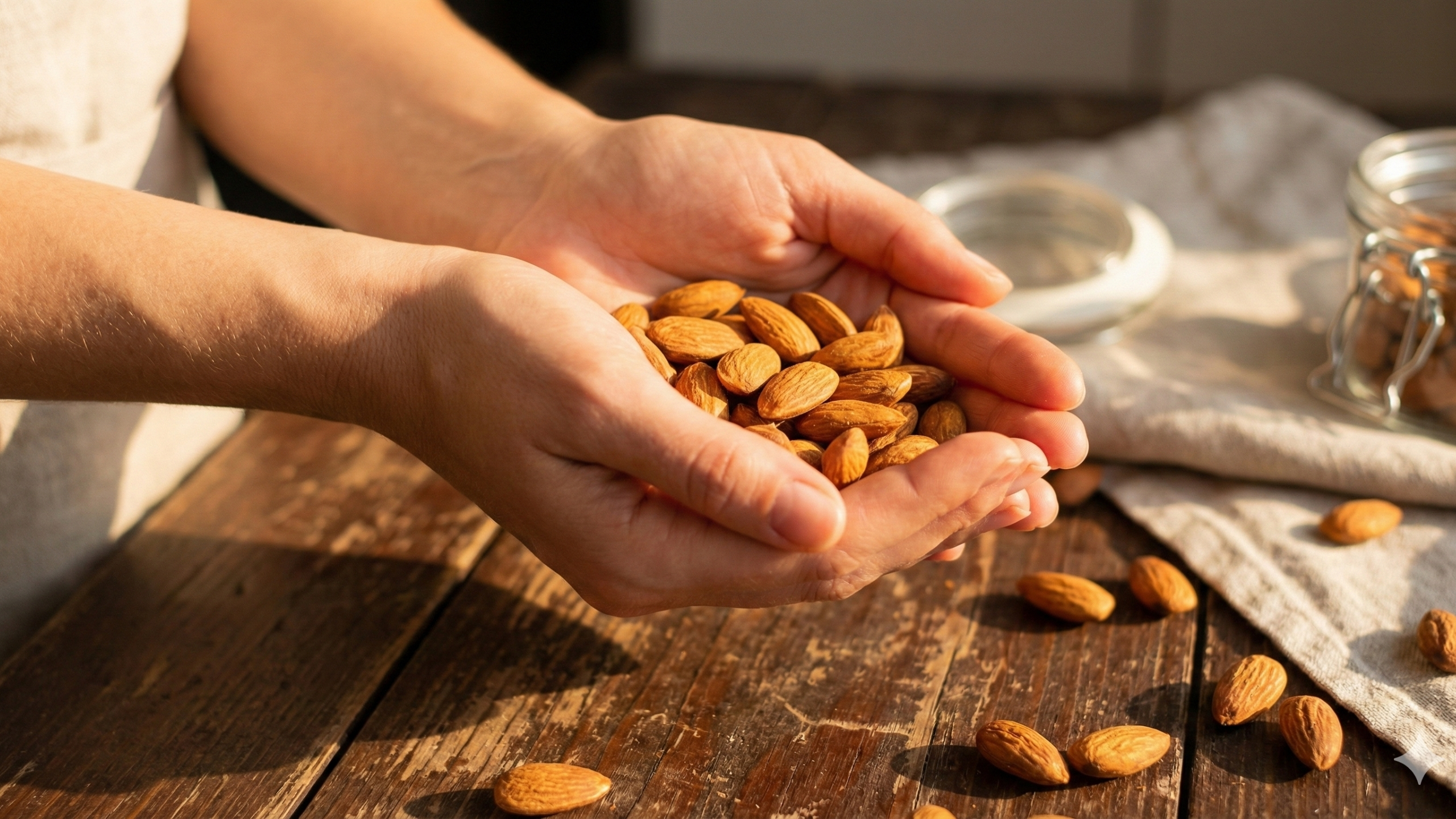
Nutritionists recommend consuming 1 to 1.5 ounces of almonds daily, equivalent to roughly 23 to 35 almonds. This amount provides optimal skin benefits without excessive calorie intake. At approximately 160 calories per ounce, almonds fit easily into most eating plans when replacing less nutritious snacks.
For those focused specifically on skin health, aim for the higher end of this range. The concentration of vitamin E and healthy fats at 1.5 ounces delivers more dramatic results. However, even a single ounce provides substantial benefits when consumed consistently.
Best Times to Eat Almonds for Skin Health
Morning consumption maximizes almond benefits by providing sustained energy and nutrients throughout the day. The protein and healthy fats stabilize blood sugar, preventing the inflammatory spikes that stress skin. Eating almonds with breakfast also ensures early nutrient absorption for skin cell repair processes.
Alternatively, consuming almonds as an afternoon snack prevents energy crashes that trigger cortisol release. Elevated cortisol breaks down collagen and triggers oil production, potentially causing breakouts. Almonds’ balanced nutrition keeps stress hormones in check.
Raw vs Roasted: Which Is Better for Your Skin
Raw almonds preserve maximum vitamin E content, as roasting can reduce this heat-sensitive nutrient by up to 20 percent. For purely skin-focused benefits, raw almonds offer slight advantages. However, dry-roasted almonds without added oils or salt remain highly beneficial and may be easier to digest for some people.
The key is avoiding almonds roasted in inflammatory oils or coated with excess salt and sugar. These additions negate many skin benefits. Stick with raw, dry-roasted, or lightly roasted options for optimal results.
Topical Application of Almond Oil for Enhanced Results
Benefits of Almond Oil for Face and Body
Sweet almond oil extracted from almonds offers concentrated skin benefits when applied topically. The oil penetrates deeply, delivering vitamin E and fatty acids directly to skin cells. Its lightweight texture suits all skin types, absorbing without leaving greasy residue.
Almond oil softens skin, reduces inflammation, and protects against UV damage. Studies show topical almond oil application improves skin barrier function and reduces trans-epidermal water loss, complementing the benefits of eating almonds.
How to Use Almond Oil in Your Skincare Routine
Apply almond oil after cleansing, either alone or mixed with your regular moisturizer. For maximum absorption, apply to damp skin while pores are open. Gently massage a few drops into your face using upward strokes, allowing 5-10 minutes for full penetration.
You can also use almond oil as a makeup remover, massage oil, or overnight treatment. For body application, massage into dry areas like elbows, knees, and heels immediately after showering.
DIY Almond Face Masks for Radiant Skin
Create a brightening mask by grinding 5-6 almonds into fine powder and mixing with 1 tablespoon of honey and 1 teaspoon of lemon juice. Apply to clean skin for 15 minutes before rinsing. The combination exfoliates dead cells while delivering concentrated nutrients.
For dry skin, blend almond powder with yogurt and a few drops of almond oil. This hydrating mask soothes irritation while providing deep moisture. Use twice weekly for best results.
Combining Internal and External Almond Benefits
The most dramatic skin transformations occur when you combine eating almonds with topical application. Internal consumption provides systemic benefits affecting all skin cells, while topical treatments target specific concerns on your face.
This dual approach accelerates results, with most people noticing improvements within 4-6 weeks. The synergistic effect creates radiance that exceeds what either method achieves alone.
Almond-Based Beauty Recipes for Glowing Skin
Almond and Honey Face Mask Recipe
Mix 2 tablespoons of finely ground almonds with 1 tablespoon of raw honey and 1 teaspoon of rosewater. The honey provides antibacterial properties and additional moisture, while rosewater balances pH and adds anti-inflammatory benefits.
Apply the mixture to clean skin, avoiding the eye area. Leave on for 20 minutes, then remove with warm water using gentle circular motions to exfoliate. This mask brightens, softens, and evens skin tone with regular weekly use.
Exfoliating Almond Scrub Formula
Combine 3 tablespoons of coarsely ground almonds with 2 tablespoons of coconut oil and 1 tablespoon of brown sugar. The almonds provide gentle physical exfoliation, coconut oil moisturizes, and sugar dissolves gradually for controlled scrubbing action.
Use this scrub once or twice weekly on damp skin, massaging in circular motions for 2-3 minutes. Rinse thoroughly and follow with moisturizer. This treatment removes dead cells, revealing fresh, glowing skin underneath.
Almond Milk Cleanser for Sensitive Skin
Soak 10 almonds overnight, peel them, and blend with 41 cup of water until smooth. Strain the mixture to remove any remaining solids. Add 1 teaspoon of almond oil and a few drops of lavender essential oil for extra soothing properties.
Use this gentle cleanser morning and night, massaging onto skin for one minute before rinsing. The mild formula cleanses without stripping natural oils, making it ideal for sensitive or reactive skin.
Overnight Almond Treatment for Deep Nourishment
Create an intensive overnight treatment by mixing equal parts almond oil and rosehip oil with 2 drops of vitamin E oil. Apply a thin layer to clean skin before bed, focusing on dry areas and fine lines.
The oils work while you sleep, penetrating deeply and supporting cellular repair processes. Wake up to noticeably softer, more supple skin. Use 2-3 times weekly for intensive repair.

Nutritional Profile: Breaking Down Almond Benefits
Protein Content and Skin Cell Regeneration
One ounce of almonds delivers 6 grams of complete protein containing all essential amino acids. These amino acids serve as building blocks for collagen, elastin, and keratin—the structural proteins that keep skin firm, elastic, and strong.
Proline and lysine, abundant in almond protein, are particularly crucial for collagen synthesis. Your body cannot produce these proteins without adequate amino acid supply, making dietary protein essential for skin repair and maintenance.
Mineral Composition for Healthy Skin
Almonds provide impressive amounts of skin-supporting minerals. One ounce contains 76 milligrams of magnesium, supporting over 300 enzymatic reactions including those involved in protein synthesis and cell regeneration. Magnesium also reduces inflammation and improves sleep quality, both crucial for skin health.
Zinc, another important almond mineral, regulates oil production and supports wound healing. Copper aids collagen cross-linking, while manganese protects against oxidative stress. This mineral synergy creates optimal conditions for healthy skin.
Fiber and Its Impact on Skin Clarity
The 3.5 grams of fiber per ounce in almonds support digestive health and regular elimination. Fiber binds toxins and excess hormones in the digestive tract, preventing reabsorption into the bloodstream where they could trigger skin issues.
A healthy gut microbiome, supported by adequate fiber intake, reduces systemic inflammation that manifests as acne, eczema, and premature aging. The gut-skin connection makes almond fiber an often-overlooked skin benefit.
Biotin and Collagen Production
Almonds contain biotin, a B vitamin essential for fatty acid metabolism and cell growth. Biotin deficiency causes skin rashes, hair loss, and brittle nails—clear signs of its importance for maintaining healthy tissue.
Adequate biotin levels support the production of ceramides, lipids that form the skin barrier. Strong barrier function prevents moisture loss and protects against environmental irritants, contributing to clear, comfortable skin.
The Connection Between Gut Health and Skin Glow
How Almonds Support Digestive Wellness
Almonds’ prebiotic fiber feeds beneficial gut bacteria, promoting a balanced microbiome. These friendly bacteria produce short-chain fatty acids that reduce inflammation throughout the body, including in skin. A healthy gut environment also enhances nutrient absorption, ensuring your body maximizes every vitamin and mineral from food.
The gentle fiber in almonds promotes regular bowel movements without causing digestive distress. Regular elimination prevents toxin buildup that can manifest as breakouts and dullness.
Prebiotic Benefits for Clear Skin
Prebiotic compounds in almond skins nourish specific beneficial bacteria strains linked to reduced inflammation and improved immune function. When your gut microbiome thrives, it produces antimicrobial peptides that protect against pathogens that might trigger skin inflammation.
Studies show that people with acne often have less diverse gut bacteria compared to those with clear skin. Almonds’ prebiotic content helps restore and maintain diversity for clearer complexions.
The Gut-Skin Axis Explained
The gut-skin axis refers to the bidirectional communication between digestive health and skin condition. Inflammation in the gut triggers inflammatory mediators that travel through the bloodstream to skin, causing redness, breakouts, and sensitivity.
Conversely, improving gut health through foods like almonds reduces systemic inflammation, allowing skin to heal and maintain its natural radiance. This connection explains why digestive issues often correlate with skin problems.
Almond Benefits vs Other Nuts for Skin Health
Comparing Nutritional Profiles
While all nuts offer health benefits, almonds lead in vitamin E content with nearly double the amount found in hazelnuts and significantly more than walnuts or cashews. This makes almonds particularly effective for skin protection against oxidative damage.
Walnuts provide more omega-3 fatty acids, beneficial for inflammation reduction, while Brazil nuts excel in selenium content. However, almonds’ balanced profile of vitamin E, healthy fats, protein, and minerals creates the most comprehensive skin support.
Why Almonds Stand Out for Beauty Benefits
Almonds’ unique combination of skin-loving nutrients in bioavailable forms sets them apart. Their vitamin E exists primarily as alpha-tocopherol, the most biologically active form that your body utilizes most efficiently.
The ratio of omega-6 to omega-3 fatty acids in almonds, while higher in omega-6, still falls within ranges that support skin health when balanced with other dietary sources. Their mild flavor and versatility also make consistent consumption easier than more strongly flavored nuts.
Combining Different Nuts for Optimal Results
Rather than choosing only one nut, mixing almonds with walnuts, Brazil nuts, and cashews provides comprehensive nutrition for skin health. Create a custom blend emphasizing almonds (50%) with smaller amounts of complementary nuts for variety.
This approach ensures you receive almonds’ vitamin E benefits while gaining omega-3s from walnuts and selenium from Brazil nuts. Rotate your nut selection weekly to prevent flavor fatigue while maintaining skin nutrition.

Potential Side Effects and Precautions
Almond Allergies and Sensitivities
Tree nut allergies affect approximately 1% of the population, with almonds being one of the most common culprits. Allergic reactions range from mild itching to severe anaphylaxis. If you experience any adverse symptoms after consuming almonds, discontinue use immediately and consult an allergist.
Some people with oral allergy syndrome may react to almonds if they’re also allergic to birch pollen. This typically causes mild mouth tingling but rarely progresses to severe reactions.
Appropriate Dosage to Avoid Adverse Effects
While almonds are nutritious, excessive consumption can cause digestive discomfort due to their high fiber and fat content. Stick to recommended serving sizes of 1-1.5 ounces daily to avoid bloating, gas, or loose stools.
Very high almond intake may also contribute to excessive calorie consumption. Despite their health benefits, almonds contain about 160 calories per ounce. Balance portion sizes with your overall caloric needs.
When to Consult a Healthcare Professional
Consult a doctor before significantly increasing almond intake if you take blood thinners, as vitamin E may affect clotting. People with kidney stones should also seek medical advice, as almonds contain oxalates that can contribute to stone formation in susceptible individuals.
If you have existing digestive conditions like IBS or Crohn’s disease, introduce almonds gradually and monitor symptoms. Some people with these conditions tolerate almonds better when soaked or blanched.
Enhancing Almond Benefits with Complementary Foods
Foods That Boost Almond Effectiveness
Pair almonds with vitamin C-rich foods like oranges, strawberries, or bell peppers to enhance collagen synthesis. Vitamin C works synergistically with almond protein to support collagen production more effectively than either nutrient alone.
Combining almonds with zinc-rich foods like pumpkin seeds amplifies their skin-clearing benefits. Both nutrients support immune function and wound healing, creating a powerful duo for blemish-prone skin.
Creating a Skin-Healthy Meal Plan
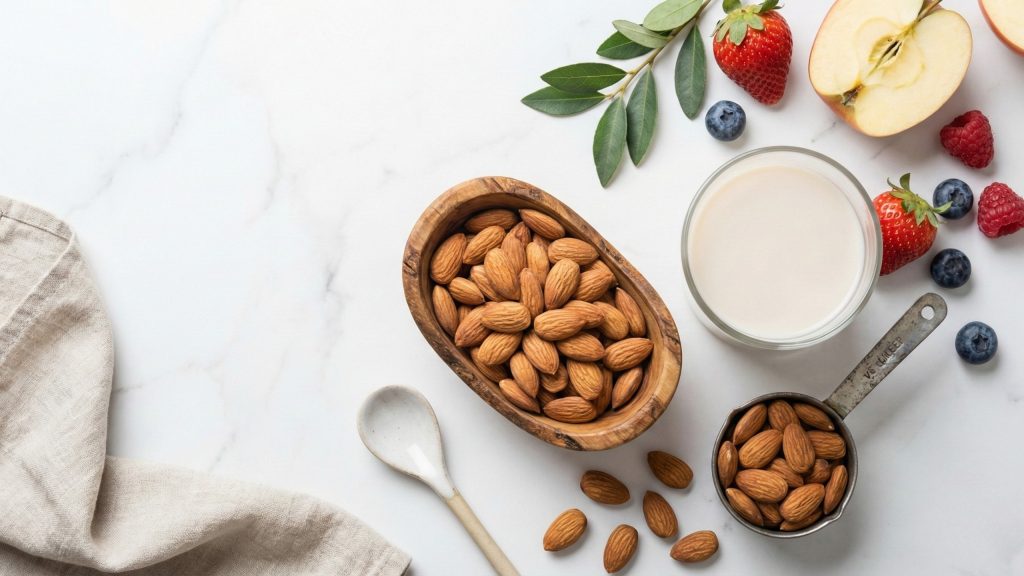
Build meals around almonds and other skin-supporting whole foods. Start your day with almond butter on whole grain toast topped with berries. Snack on raw almonds with an apple for balanced energy and skin nutrition.
Add sliced almonds to salads featuring leafy greens, avocado, and wild-caught salmon for a meal rich in antioxidants, healthy fats, and omega-3s. This combination addresses skin health from multiple angles simultaneously.
Hydration and Its Role in Maximizing Benefits
No amount of almonds can compensate for chronic dehydration. Drink at least 8 glasses of water daily to help your body utilize almond nutrients effectively. Proper hydration ensures vitamins and minerals reach skin cells and supports the elimination of toxins.
Consider adding lemon or cucumber to water for extra skin benefits. The vitamin C in lemon supports collagen production, while cucumber provides silica for skin elasticity.
Scientific Studies Supporting Almond Benefits for Skin
Research on Vitamin E and Skin Health
A 2014 study published in the Journal of Cosmetic Dermatology found that oral vitamin E supplementation significantly improved skin hydration and reduced UV-induced damage. Participants consuming vitamin E-rich foods like almonds showed measurable improvements in skin barrier function.
Research from the National Institutes of Health confirms vitamin E’s role in protecting against photoaging, the premature aging caused by sun exposure. Regular vitamin E intake reduces wrinkle formation and maintains skin elasticity.
Clinical Evidence for Anti-Aging Properties
A 2019 randomized controlled trial examined women who consumed 20% of daily calories from almonds for 16 weeks. Results showed significant reductions in wrinkle severity and improved skin tone compared to the control group. These findings suggest almonds’ comprehensive nutrient profile creates measurable anti-aging effects.
Additional research demonstrates that diets high in monounsaturated fats, like those in almonds, correlate with fewer signs of photoaging even in sun-exposed populations.
Studies on Almond Oil Effectiveness
Clinical trials on topical almond oil application show promising results for skin barrier repair and eczema management. A 2007 study found that almond oil reduced UV-induced damage when applied before sun exposure, though it shouldn’t replace proper sunscreen.
Research also indicates almond oil effectively treats dry skin conditions without causing irritation, making it suitable for sensitive skin types. The emollient properties support barrier function restoration.
Long-Term Results: What to Expect
Timeline for Visible Skin Improvements
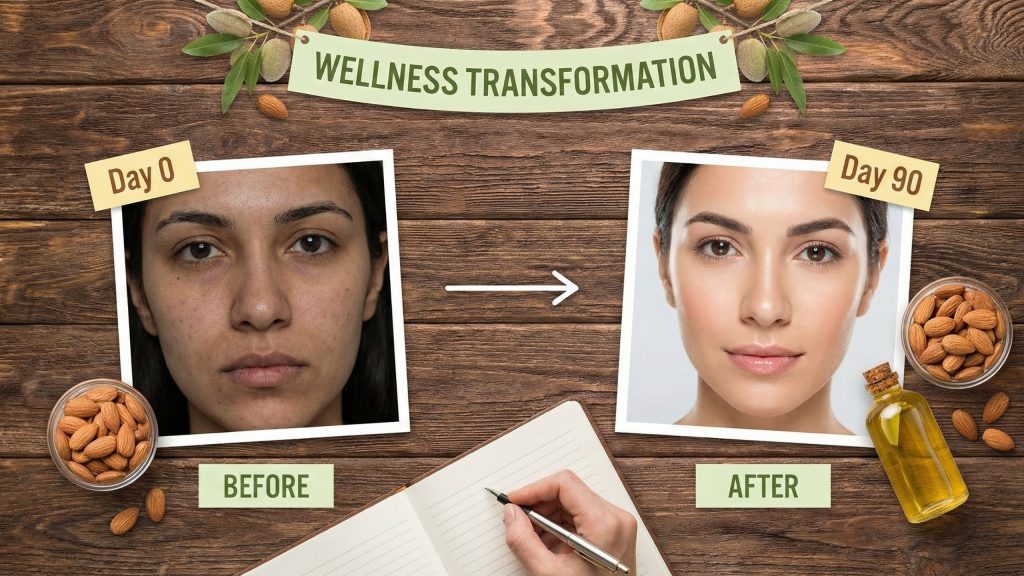
Initial improvements typically appear within 2-4 weeks of consistent almond consumption. You may notice enhanced hydration and a subtle glow as your skin’s moisture barrier strengthens. Fine lines may appear less pronounced as cells become better hydrated.
More dramatic results like improved skin tone and reduced hyperpigmentation emerge after 8-12 weeks. Skin cell turnover cycles every 28-40 days, so multiple cycles are needed for significant changes. Anti-aging benefits continue accumulating with long-term consumption.
Maintaining Your Glow with Consistent Use
Consistency matters more than occasional high doses. Daily almond consumption creates cumulative benefits that compound over time. Missing a few days won’t undo progress, but irregular consumption prevents you from reaching maximum potential.
Think of almonds as a long-term investment in skin health rather than a quick fix. The nutrients support ongoing cellular processes that maintain radiance when provided consistently.
Realistic Expectations and Individual Variations
While almonds offer substantial skin benefits, individual results vary based on genetics, age, overall diet, and lifestyle factors. Someone with severe sun damage won’t reverse all signs of aging through almonds alone, but they will support skin’s natural repair processes.
Combine almond consumption with other healthy habits like adequate sleep, stress management, and sun protection for optimal results. Almonds enhance your existing skincare routine rather than replacing it entirely.
Choosing Quality Almonds for Maximum Skin Benefits
Organic vs Conventional Almonds
Organic almonds avoid synthetic pesticides and fumigants used on conventional crops. While both types provide similar nutritional value, organic options reduce your exposure to potentially harmful chemicals. Pesticides can disrupt hormones and trigger inflammation, potentially counteracting skin benefits.
If budget constraints make organic almonds inaccessible, conventional almonds still offer valuable nutrients. Focus on buying from reputable brands that test for contaminants and store almonds properly to prevent rancidity.
Storage Tips to Preserve Nutritional Value
Store almonds in airtight containers in cool, dark places to preserve their vitamin E content and prevent oxidation of healthy fats. Refrigeration extends shelf life up to one year, while freezing preserves quality for up to two years.
Avoid buying almonds from bulk bins exposed to light and air, as this accelerates nutrient degradation. Purchase from stores with high turnover to ensure freshness. Properly stored almonds maintain their skin benefits indefinitely.
Signs of Fresh, High-Quality Almonds
Fresh almonds smell mildly sweet and nutty without any bitter or musty odors. Rancid almonds develop an unpleasant smell and taste due to oxidized fats; these should be discarded, as they can cause inflammation.
Quality almonds have uniform color without dark spots or signs of mold. They should feel firm and crunchy, not soft or chewy. When in doubt, taste one—fresh almonds have a pleasant, slightly sweet flavor.
Lifestyle Factors That Enhance Almond Benefits
Sleep and Skin Regeneration
Your body performs most skin repair during deep sleep stages. Growth hormone released during sleep triggers cell regeneration and collagen synthesis. Without adequate rest, your body cannot fully utilize almond nutrients for skin renewal.
Aim for 7-9 hours of quality sleep nightly to maximize almond benefits. The magnesium in almonds actually supports better sleep, creating a positive feedback loop for skin health.
Exercise and Skin Circulation
Regular physical activity increases blood flow to skin, delivering oxygen and nutrients from almonds more efficiently. Exercise also promotes lymphatic drainage, helping remove toxins that contribute to dullness and breakouts.
The stress-reducing effects of exercise lower cortisol levels, protecting collagen from breakdown. Moderate exercise 3-5 times weekly enhances your skin’s ability to benefit from almond nutrition.
Stress Management for Optimal Glow
Chronic stress triggers inflammatory hormones that break down collagen, increase oil production, and impair skin barrier function. Managing stress through meditation, yoga, or other relaxation techniques protects your skin investment in almonds.
The B vitamins and magnesium in almonds support nervous system health and stress resilience. Combined with active stress management, almonds help maintain calm, clear skin even during challenging periods.
FAQs
How many almonds should I eat daily for glowing skin?
Consume 23-35 almonds daily (1-1.5 ounces) for optimal skin benefits. This amount provides sufficient vitamin E, healthy fats, and protein to support skin health without excessive calories. Consistency matters more than exact numbers—eating almonds daily yields better results than occasional large portions.
Can almonds help with acne-prone skin?
Yes, almonds can help manage acne through multiple mechanisms. Their zinc content regulates oil production, while vitamin E reduces inflammation. The fiber supports gut health and hormone balance, addressing root causes of breakouts. However, some people find high-fat foods trigger acne—monitor your response and adjust intake accordingly.
Is almond oil safe for all skin types?
Sweet almond oil suits most skin types, including sensitive skin. Its lightweight texture absorbs well without clogging pores, making it appropriate for oily skin when used sparingly. However, people with tree nut allergies should avoid almond oil entirely, and anyone experiencing irritation should discontinue use.
How long does it take to see results from eating almonds?
Initial improvements, such as better hydration, appear within 2-4 weeks of daily consumption. More significant changes in skin tone, texture, and radiance typically emerge after 8-12 weeks. Anti-aging benefits accumulate over months to years of consistent intake. Patience and consistency are essential for maximum results.
Can I apply raw almonds directly to my face?
Raw almonds must be ground into powder or paste before facial application. Whole almonds are too abrasive and won’t release their beneficial oils effectively. Soak almonds overnight, remove skins, and blend into a paste with water, honey, or yogurt for safe topical use.
Are roasted almonds as beneficial as raw almonds for skin?
Raw almonds contain slightly more vitamin E than roasted versions, as heat reduces this nutrient by approximately 20 percent. However, dry-roasted almonds without added oils or salt still provide substantial skin benefits. Choose whichever form you’ll eat most consistently—regular consumption of roasted almonds beats sporadic raw almond intake.
Can almonds cause skin breakouts?
Almonds rarely cause breakouts in most people, but individual responses vary. Some people sensitive to high omega-6 foods may experience inflammation if they consume excessive amounts. If you notice breakouts after adding almonds to your diet, reduce portion size or try combining them with more omega-3-rich foods like walnuts.
Is almond milk as beneficial as whole almonds for skin?
Commercial almond milk contains far fewer almonds than whole nut consumption—often just 2-3% almond content with added water, sweeteners, and stabilizers. Homemade almond milk offers more nutrients but still lacks the fiber and full nutrient density of whole almonds. For skin benefits, prioritize eating whole almonds while enjoying almond milk as a beverage.
Can pregnant women safely consume almonds for skin health?
Pregnant women can safely eat almonds as part of a balanced diet, unless they have a nut allergy. Almonds provide folate, protein, and healthy fats, which are beneficial during pregnancy. However, consult your healthcare provider about appropriate portion sizes and any individual concerns, especially if you have gestational diabetes.
Do almonds help with under-eye dark circles?
Almonds address some causes of dark circles by improving circulation and reducing inflammation. Their vitamin K content supports proper blood clotting and may reduce the appearance of visible blood vessels. However, genetic dark circles or those from structural issues won’t fully resolve through diet alone. Almonds work best for dark circles related to dehydration or inflammation.
Can almonds reduce skin inflammation?
Yes, almonds contain anti-inflammatory compounds including vitamin E, omega-3 fatty acids, and magnesium that reduce systemic inflammation. This helps manage inflammatory skin conditions like rosacea, eczema, and acne. The antioxidants in almonds also prevent inflammation-causing free radical damage.
Are blanched almonds better for skin than almonds with skin?
Almond skins contain additional antioxidants and prebiotic fiber beneficial for gut health and skin. However, blanched almonds are easier to digest for some people and work better in certain recipes. Both types provide core skin benefits from vitamin E and healthy fats. Choose based on digestive tolerance and recipe requirements.
Can I use almond oil if I have oily skin?
Yes, almond oil is suitable for oily skin when used sparingly. It’s non-comedogenic and won’t clog pores. The lightweight oil actually helps regulate sebum production through its linoleic acid content. Apply small amounts to damp skin and allow them to fully absorb. If you notice increased oiliness, reduce frequency or amount used.
Do almond benefits work for mature skin?
Almonds offer particular benefits for mature skin through vitamin E protection against further damage and support for collagen production. While they cannot reverse existing signs of aging, they slow progression and support the skin’s repair capabilities. Mature skin often shows more dramatic improvements from consistent almond consumption due to increased vulnerability to oxidative damage.
Can children eat almonds for skin health?
Children over age 4 can safely eat almonds for nutrition and skin health, provided there are no allergies. Younger children risk choking on whole nuts—offer almond butter instead. Almonds support growing children’s overall health, with skin benefits as a bonus. One serving (about 15 almonds) suits most children’s caloric needs.
Conclusion
Almonds stand as a powerful ally in your quest for radiant, healthy skin. Through their exceptional vitamin E content, skin-supporting healthy fats, and comprehensive mineral profile, these versatile nuts address multiple aspects of skin health simultaneously. From combating premature aging to enhancing natural moisture and brightening your complexion, almonds deliver results that are both scientifically supported and visible.
The beauty of almond benefits lies in their accessibility and simplicity. No expensive treatments or complicated protocols are required—just consistent consumption of this whole food creates meaningful improvements over time. Whether you eat them raw, add them to recipes, or apply almond oil topically, you’re investing in long-term skin vitality through one of nature’s most complete nutritional packages.
Remember that almonds work best as part of a holistic approach to skin health. Combine regular consumption with adequate hydration, quality sleep, stress management, and sun protection to maximize their glow-enhancing potential. Your skin reflects your overall wellness, and almonds provide essential building blocks for the radiant complexion you deserve.