

Advanced workouts represent a transformative shift in training methodology designed for individuals committed to breaking through performance plateaus. These high-intensity strategies bypass conventional training limitations by incorporating scientifically validated techniques such as periodization, progressive overload, and specialized set structures that maximize muscle adaptation within minimal time.
Health-conscious adults aged twenty through seventy increasingly seek advanced workouts that deliver superior cardiovascular improvements, enhanced body composition changes, and sustained metabolic elevation long after training sessions conclude.
The philosophy underpinning advanced workout protocols centers on deliberate challenge escalation—continuously increasing training stress by strategically manipulating volume, intensity, frequency, or exercise selection to stimulate neuromuscular adaptations that would otherwise plateau.
By understanding and applying these seven proven high-intensity strategies, fitness enthusiasts transform ordinary training into extraordinarily effective conditioning paradigms that produce measurable physical transformations across strength, endurance, body fat reduction, and functional capacity development.
Understanding Advanced Workouts and Their Mechanisms
Advanced workouts fundamentally differ from conventional exercise protocols by emphasizing systematic stress application rather than random activity completion. Traditional training often relies on moderate-intensity sustained efforts repeated across extended timeframes. Conversely, advanced workouts strategically manipulate acute training variables—the specific configurations within individual sessions that drive physiological adaptation—to maximize training stimulus within compressed timeframes.
The neurobiological foundation of advanced workouts operates through repeated exposure to challenging movement patterns that trigger muscular protein synthesis, mitochondrial biogenesis, and enhanced cardiovascular function. Each repetition creates a microscopic disruption of muscle fibers, requiring subsequent repair, and adaptation exceeds the original stress level during recovery phases. This phenomenon—known as supercompensation—represents the physiological basis for progressive overload and drives continuous improvement cycles.
Research demonstrates that properly structured advanced workout protocols produce superior adaptations compared to traditional steady-state training across multiple fitness dimensions. A comprehensive meta-analysis examining sixty-five high-intensity interval training intervention studies found that short-term advanced workouts lasting under twelve weeks significantly improved maximal oxygen uptake, diastolic blood pressure, and fasting glucose levels in overweight populations.
Extended advanced workout programs exceeding twelve weeks demonstrated even more impressive adaptations, including meaningful reductions in waist circumference, body fat percentage, and systolic blood pressure, alongside substantial aerobic capacity improvements. These findings underscore the profound physiological transformations possible through systematic application of advanced workout principles.
Strategy One: High-Intensity Interval Training for Maximum Efficiency

High-intensity interval training represents perhaps the most researched and validated advanced workout methodology in contemporary exercise science. This strategy alternates repeated short bursts of near-maximal intensity exercise—typically eighty-five to ninety-five percent of maximal heart rate—with brief recovery periods at significantly reduced intensity. The elegant simplicity of HIIT belies its profound effectiveness: participants achieve substantial fitness improvements in dramatically shorter timeframes than with continuous moderate-intensity approaches.
The physiological mechanisms underlying HIIT effectiveness operate through multiple simultaneous adaptations. High-intensity efforts push oxygen consumption toward maximal levels, stimulating mitochondrial density increases and enhanced capacity for aerobic energy production. Simultaneously, repeated sprint intervals recruit fast-twitch muscle fibers typically under-stimulated during steady-state activities, triggering muscle growth signaling pathways. Perhaps most impressively, HIIT produces an acute metabolic elevation persisting for hours post-exercise—colloquially termed the afterburn effect—that continues calorie expenditure long after training cessation.
Practical HIIT Protocol Implementation
Classic HIIT structures might involve cycling intensities through various temporal configurations:
- Wingate protocol: Six maximum-effort thirty-second sprints separated by ninety-second recovery intervals
- Eight-by-twelve protocol: Eight-second all-out efforts followed by twelve-second lower-intensity pedaling, repeated sixty times
- Four-by-four protocol: Four-minute high-intensity efforts alternated with four-minute recovery periods
- Twenty-on-forty protocol: Twenty seconds maximum effort alternated with forty seconds recovery
Research indicates optimal HIIT implementation involves two to three weekly sessions not exceeding forty minutes total duration, allowing adequate recovery between sessions. Critically, participants must achieve genuine high-intensity effort—ninety percent or greater of maximal capacity—for HIIT to trigger superior adaptations. Moderate-intensity interval training produces inferior results to true high-intensity protocols.
Evidence-based outcomes from HIIT implementation include VO2 max increases of eighteen to forty-six percent depending on program duration and participant fitness level. Fat loss specifically targets subcutaneous adipose tissue through metabolic adaptations that enhance subsequent fat mobilization and oxidation. Cardiovascular adaptations demonstrate measurable improvements in blood pressure regulation, resting heart rate reduction, and arterial stiffness improvement—adaptations particularly valuable for adults over forty managing metabolic disease risk factors.
Strategy Two: Progressive Overload Through Systematic Intensity Escalation
Progressive overload embodies the fundamental principle governing all advanced workout success: muscles adapt to imposed demands and subsequently require greater challenge to continue improving. Without deliberate overload escalation, training effects plateau as neuromuscular systems accommodate to unchanging stimulus. Strategic progressive overload prevents adaptation plateaus while minimizing overtraining injury risk through methodical stress increments.
Progressive overload implementation can occur across multiple training variables, each producing distinct physiological effects:
Weight Progression: Incrementally increasing external resistance forces muscles to recruit additional motor units and fibers to manage novel demands. National Academy of Sports Medicine guidelines recommend five to ten percent weight increases every one to three weeks depending on current adaptation level.
Repetition Increases: Performing additional repetitions with identical weight elevates time-under-tension and metabolic stress—potent hypertrophy stimulants. Progression from 12 to 15 repetitions with a fixed weight precedes subsequent weight increases, maintaining optimal repetition ranges.
Rest Reduction: Shortening recovery intervals between sets increases metabolic demand and training density. Rest reductions from ninety seconds to sixty seconds substantially amplify training stimulus without requiring weight increases.
Volume Accumulation: Adding supplementary sets progressively increases total weekly training volume per muscle group. Periodized progression might escalate from three weekly sets to four or five sets over successive training blocks.
Exercise Selection: Substituting alternative movement patterns provides a novel stimulus, preventing accommodation. Bench press variations—incline, decline, dumbbell, machine—challenge muscles through varied angles and force curves.
Periodization Strategy for Advanced Progression
Periodization represents the sophisticated application of progressive overload through structured training phases emphasizing distinct adaptations. Linear periodization sequences phases progressing from higher repetition volumes at lower intensities toward lower repetition maximal effort training. Undulating periodization alternates intensity and volume within single microcycles, varying daily training emphasis. Block periodization dedicates extended periods to specific adaptations—accumulation phases emphasize volume, intensification phases reduce volume while increasing intensity, and realization phases demonstrate peak performance.
Research reveals periodized progressive overload produces superior long-term adaptations compared to continuously increasing training loads without variation. Periodization prevents adaptive resistance plateaus, manages accumulated fatigue, and reduces injury incidence through strategic recovery implementation.
Strategy Three: Advanced Set Structures for Intensity Amplification

Beyond basic repetition sequences, advanced set structures—sophisticated exercise configurations that amplify training stimulus—constitute fundamental components of advanced workout methodology. These techniques enable experienced trainers to achieve extraordinary training effects through manipulation of exercise sequencing and intensity configurations.
Supersets: Paired Exercise Efficiency
Supersets involve performing two exercises sequentially without rest intervals, with the second exercise initiating only after the first set completes. Agonist-antagonist supersets pair opposing muscle groups—leg extensions followed immediately by hamstring curls—allowing continuous training while one muscle group recovers. This configuration achieves two distinct advantages: substantial time-economy given identical training volume compressed into abbreviated timeframes, and enhanced training intensity from minimized rest periods.
Research comparing superset training to conventional sets demonstrates equivalent strength and hypertrophy outcomes achieved in approximately half the session duration. A 2023 study examining velocity-based training found agonist-antagonist supersets induced similar athletic performance improvements to traditional training approaches while reducing session duration significantly.
Drop Sets: Mechanical Failure Extension
Drop sets extend individual sets beyond initial failure through progressive weight reductions. Once reaching repetition failure at a given weight, participants immediately reduce load by twenty to forty percent and continue for additional repetitions. Multiple drops extend single sets to thirty or more total repetitions across three or four load decrements.
Mechanistic advantages of drop sets include accumulated time-under-tension at varied intensity levels, enhanced metabolic byproduct accumulation, and recruitment of progressively smaller motor units as fatigue accumulates. A systematic review identified drop sets as producing the most substantial improvements in endurance, strength, and hypertrophy compared to alternative set structures. Drop sets prove particularly effective for larger compound movements producing training effects lasting sessions post-workout.
Pyramid Sets: Variable Intensity Sequencing
Ascending pyramid sets begin with lighter weights and higher repetitions, progressively increasing load while decreasing repetitions across successive sets. Descending pyramid protocols reverse this sequence, beginning with heavier loads then systematically reducing resistance. Pyramid structures allow progressive intensity escalation while accumulating training volume across varied loading schemes.
Contemporary research suggests pyramid structures produce similar but not superior outcomes compared to conventional training approaches. However, pyramid training provides psychological variety and prevents accommodation through varied challenge presentation across sets.
Cluster Sets: Micro-Recovery Intensity
Cluster sets subdivide traditional sets into smaller components separated by brief recovery intervals—typically ten to thirty seconds—allowing slightly greater repetitions per individual cluster than traditional continuous sets. Three clusters of five repetitions with short rest achieves greater total volume than single fifteen-repetition sets while maintaining technique quality and force production.
Cluster set advantages include preserved force development throughout clusters minimizing technique degradation from accumulated fatigue, and cumulative volume approaching or exceeding traditional set totals. Experienced lifters benefit from cluster structures, as they enhance strength development without proportional fatigue accumulation.
Strategy Four: Cardiovascular Adaptation Through Periodized Intervals

Advanced cardiovascular training strategically varies intensity distributions across training cycles to prevent adaptive plateaus while building multifaceted aerobic capacity. Rather than monotonous steady-state running or cycling, periodized cardiovascular training manipulates intensity, duration, and frequency to maximize adaptations.
Low-intensity steady-state sessions spanning thirty to sixty minutes at conversational intensity develop aerobic base capacities, mitochondrial density improvements, and fat oxidation capabilities. These sessions promote parasympathetic activation and parasympathetic nervous system recovery, facilitating adaptation to concurrent high-intensity training.
Threshold intervals performed at lactate threshold intensity—roughly eighty-five to ninety percent maximal heart rate—sustained for three to eight minute durations develop metabolic capacity improvements without maximal exertion stress. Multiple threshold intervals separated by equal-duration recovery produce cumulative training effects building sustained power output capacity.
VO2 max intervals at ninety to ninety-five percent maximal heart rate lasting three to five minutes directly stimulate maximal aerobic capacity improvements. Research consistently demonstrates VO2 max interval training produces the fastest improvements in maximal oxygen uptake among all cardiovascular methodologies.
Repeated sprint sessions with maximal-intensity efforts separated by brief recovery develop anaerobic power, rapid force production, and explosive capacity. These sessions cause substantial acute fatigue and require complete recovery between sessions, typically limiting frequency to once weekly.
Advanced programming integrates these varied intensity zones across training weeks. A sample week might sequence: Monday—threshold intervals; Wednesday—steady-state recovery; Thursday—maximal VO2 intervals; Saturday—steady-state long duration; Sunday—complete rest. This polarized distribution—emphasizing high and low intensity while minimizing moderate intensity—produces superior cardiovascular adaptations compared to continuous moderate-intensity approaches.
Strategy Five: Body Recomposition Through Compound Movement Prioritization
Achieving simultaneous fat loss with muscle gain—termed body recomposition—represents perhaps the most challenging fitness objective. Advanced workout strategies accomplish body recomposition through deliberate exercise selection prioritizing compound movements, strategic nutrition calibration, and specific intensity-recovery manipulation.
Compound exercises that recruit multiple joints and muscle groups simultaneously offer distinct advantages over isolation movements for body recomposition:
- Neurological challenge stimulates greater growth hormone and testosterone release supporting muscle preservation during caloric deficits
- Caloric expenditure per unit time substantially exceeds isolation movements given multiple muscle group engagement
- Functional applicability transfers training benefits to real-world movement demands
- Metabolic conditioning elevates resting metabolic rate through increased muscular training demand
Core compound movements forming body recomposition foundations include:
Lower Body: Barbell squats, Romanian deadlifts, trap bar deadlifts, leg presses, Bulgarian split squats
Upper Body: Barbell bench press, incline press, bent-over rows, pull-ups, inverted rows
Bilateral: Conventional deadlifts, hex bar deadlifts, power cleans
These movements should constitute sixty to eighty percent of training volume with supplementary isolation work addressing specific weak points or injury prevention requirements.
Strategic Nutritional Implementation
Body recomposition optimization requires deliberately structured nutrition complementing training stimulus. Protein consumption supporting muscle protein synthesis—roughly one to one point two grams per pound bodyweight daily—preserves muscle mass during caloric restriction while supporting growth adaptation from training stimulus. Distributing protein across multiple meals throughout the day maximizes opportunities for myofibrillar protein synthesis compared to concentrated single-meal consumption patterns.
Caloric intake should establish modest deficits of ten to twenty percent below maintenance, providing sufficient energy deficit for fat loss while preserving metabolic rate and training performance. Excessively aggressive caloric restriction impairs recovery, reduces training intensity maintenance, and paradoxically increases muscle loss risk—counterproductive to body recomposition objectives.
Carbohydrate periodization around training sessions supports glycogen repletion and training performance during high-intensity sessions while lower carbohydrate non-training days may support fat oxidation adaptations.
Non-Exercise Activity Thermogenesis Integration
Non-exercise activity thermogenesis—colloquially termed NEAT—encompasses calorie expenditure from daily movement outside structured training. Walking, stair climbing, occupational activities, and habitual movement patterns significantly contribute to total daily energy expenditure. Deliberate NEAT enhancement through ten thousand daily steps substantially augments fat loss without imposing additional recovery demands from intense training sessions.
Strategy Six: Recovery Optimization for Maximal Adaptation

Training stimulus represents merely the initiating factor; genuine adaptation occurs during recovery phases when muscles repair, mitochondrial expansion progresses, and neuromuscular efficiency improves. Advanced workout success fundamentally depends upon recovery quality matching training intensity. Neglecting recovery optimization essentially wastes invested training effort, preventing full adaptation expression.
Sleep Architecture for Athletic Recovery
Sleep represents perhaps the most critical recovery modality given its profound effects on muscle protein synthesis, growth hormone secretion, immune function, and cognitive performance recovery. Elite athletes should target nine hours nightly minimum sleep duration, with general fitness participants benefiting from seven to eight hour targets. Sleep deprivation impairs strength expression, reduces muscular endurance capacity, and increases injury incidence through degraded neuromuscular coordination.
Sleep quality optimization strategies include:
- Consistent sleep schedules maintaining identical bedtimes and wake times
- Dark sleep environments supporting melatonin production
- Temperature optimization toward sixty-five to sixty-eight degrees Fahrenheit
- Pre-sleep nutrition emphasis on casein protein, supporting sustained nocturnal amino acid delivery
- Technology elimination thirty minutes pre-sleep reducing blue light exposur, ande disrupting circadian rhythm
- Stress reduction through evening meditation or journaling
Nutritional Recovery Acceleration
Immediate post-exercise nutrition initiates muscle protein synthesis acceleration through amino acid delivery during elevated protein synthetic sensitivity. Within thirty minutes of training completion, consuming twenty to forty grams protein alongside forty to eighty grams carbohydrate optimizes glycogen repletion and protein synthesis initiation.
Subsequent daily nutrition should emphasize protein distribution across multiple meals, micronutrient adequacy supporting immune function and inflammation regulation, and hydration optimization repleating intracellular fluid volumes depleted through sweat loss.
Active Recovery and Deloading
Complete cessation of training impairs ongoing adaptation, while excessive continuous training without recovery escalates the risk of overtraining syndrome—characterized by persistently diminished performance, elevated resting heart rate, mood disturbance, and heightened illness susceptibility. Strategic recovery implementation balances adaptive stimulus with sufficient rest preventing maladaptation.
Active recovery sessions involve low-intensity movement—walking, swimming, gentle yoga, foam rolling—promoting blood flow supporting nutrient delivery while maintaining movement practice without inducing additional fatigue. Once weekly active recovery sessions prevent sedentary deconditioning during lighter training days.
Deloading weeks, occurring every three to six weeks, involve systematically reducing training volume, intensity, or frequency by 30 to 50%, allowing accumulated neurological fatigue to dissipate and tissue repair to complete. Paradoxically, strategic deloading frequently results in performance improvements upon training resumption as fully recovered systems execute maximal efforts.
Strategy Seven: Periodized Integration of Advanced Strategies
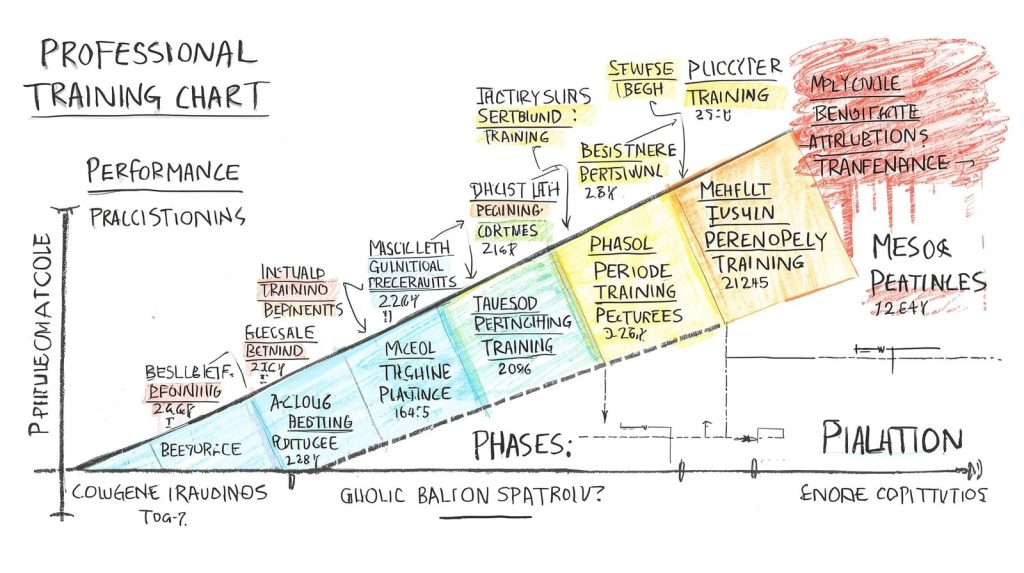
Individual advanced strategies achieve maximal effectiveness through systematic integration within comprehensive periodized training plans rather than random application. Periodization sequences varied training approaches across macrocycles (annual planning), mesocycles (four to twelve week training blocks), and microcycles (weekly training organization) to progressively build fitness while preventing accommodation.
Sample Intermediate Periodization Structure
Mesocycle One (Weeks 1-4): Accumulation Phase
- Focus: Moderate loads at higher volumes establishing muscular baseline
- Volume: Three to four weekly sets per muscle group, six to twelve repetition ranges
- Intensity techniques: Supersets emphasizing metabolic stress
- Cardio: Primarily steady-state with one threshold session weekly
- Recovery emphasis: Sleep optimization, general nutrition consistency
Mesocycle Two (Weeks 5-8): Intensification Phase
- Focus: Heavy loads at moderate volumes emphasizing strength development
- Volume: Two to three weekly sets per muscle group, three to six repetition ranges
- Intensity techniques: Drop sets for supplementary exercises, cluster sets for compounds
- Cardio: VO2 max intervals twice weekly, steady-state once weekly
- Recovery emphasis: Extended sleep priority, targeted stretching for mobility
Mesocycle Three (Weeks 9-12): Realization Phase
- Focus: Peak intensity demonstration and sport-specific power development
- Volume: Lower volume supporting maximal effort maintenance
- Intensity techniques: Primary lifts using cluster sets, supplementary work with traditional sets
- Cardio: Reduced frequency emphasizing high-intensity work and complete recovery
- Recovery emphasis: Complete deload week during mesocycle—seventy percent standard volume
This three-mesocycle structure totaling twelve weeks represents complete periodization blocks enabling both short-term performance improvements and long-term adaptation accumulation. Advanced trainees typically cycle through multiple blocks annually, strategically timing peak performance preparation around competition or goal events.
Age-Related Advanced Workout Modifications
Health-conscious adults across different age spectrums benefit from advanced workout strategies with appropriately tailored modifications addressing age-related physiological changes.
Twenties to Thirties: Aggression Phase
Younger adults typically demonstrate rapid training adaptation capacity given intact neuromuscular systems and hormonal optimization for muscle growth. Advanced strategies emphasizing higher volumes with varied intensity techniques prove highly effective. Minimal lifestyle recovery constraints enable higher training frequency and intensity. Priority remains establishing strength foundations through compound movement mastery before pursuing specialized intensity techniques.
Forties: Transition and Preservation
Beginning around age forty, individuals experience approximately one percent annual muscle mass loss—sarcopenia—from declining hormonal profiles and reduced training stimulus responsiveness. Advanced workouts for forty-year-old participants should prioritize compound movement training at least twice weekly, maintain elevated protein intake supporting muscle preservation, and integrate progressive overload preventing rapid strength loss. Recovery extends beyond younger decades, necessitating expanded sleep emphasis and potentially reduced weekly training frequency. Accumulated movement wear frequently manifests through joint discomfort; strategic accessory work addressing movement restrictions and previous injury sites proves increasingly valuable.
Fifties and Beyond: Prehab Optimization
Fifties through seventies represent phases where injury prevention transitions from optional enhancement to essential training component. Advanced workouts for participants over fifty should emphasize full-body compound movements promoting functional movement patterns applicable to daily life demands—stair climbing, carrying objects, and standing from seated positions. Multi-joint exercises distributed across three to four weekly sessions, combined with dedicated mobility work and balance training, preserve functional capacity and fall prevention. Cardiovascular training benefits from lower-impact modalities—rowing, which engages 85% of the musculature with minimal joint stress, swimming, and cycling—complementing resistance training.
Advanced Workouts: Injury Prevention and Safety Considerations
Advanced training intensities elevate injury risk if executed without proper precautions. Strategic implementation minimizes injury incidence through technique prioritization, volume management, and recovery sufficiency.
Technique Foundation: Never compromise movement quality in pursuitof heavier loads or additional repetitions. Accumulated fatigue frequently degrades technique substantially; session termination when form deteriorates prevents acute injuries.
Progression Gradualism: Incremental load increases—five to ten percent weekly maximum—allow tissues to strengthen accommodating novel demands. Excessive rapid progression overwhelms adaptive capacity, triggering injury.
Movement Variation: Excessive repetition of identical exercises concentrates stress through identical movement patterns, elevating overuse injury risk. Strategic exercise rotation distributes stress across varied movement angles and muscle recruitment patterns.
Deload Implementation: Strategic volume reductions every three to six weeks allow tissue repair to be completed, reducing chronic overuse injury development.
Warm-up Quality: Movement-specific warm-ups elevating core temperature, activating target musculature, and practicing movement patterns prevent cold-tissue injury and enhance subsequent performance.
Troubleshooting Advanced Workout Plateaus
Despite optimal programming, training plateaus eventually develop as muscular adaptation stabilizes. Strategic modifications restore progress momentum:
Training Frequency Adjustment: Maintaining identical weekly volume across increased training frequency—splitting leg training across two sessions instead of one—provides repeated adaptive stimulus without excessive single-session fatigue. Research demonstrates enhanced growth from increased frequency even with identical total volume.
Exercise Substitution: Changing primary movements provides novel stimulus preventing continued accommodation. Barbell bench press progression to incline dumbbell pressing challenges muscles through altered force curves and angles.
Intensity Technique Integration: Introducing previously unused intensity techniques—drop sets for athletes who exclusively perform conventional sets—reintensifies the training stimulus.
Periodization Alteration: Switching from linear to undulating periodization varies daily training emphasis, preventing accommodation to consistent progression patterns.
Volume Redistribution: Relocating training volume between session components—emphasizing compound movement volume while reducing accessory volume—shifts adaptive stimulus toward strength development or hypertrophy depending on objectives.
Metabolic Conditioning for Accelerated Fat Loss
Metabolic conditioning—often abbreviated as metcon—represents an advanced training methodology combining cardiovascular challenge with resistance exercise stimulus within structurally compressed timeframes. Unlike traditional steady-state cardio or isolated resistance training, metcon protocols simultaneously activate all three energy systems: the phosphocreatine system (explosive power up to 10 seconds), the glycolytic system (moderate-intensity effort spanning 1 to 3 minutes), and the oxidative system (sustained, lower-intensity activities exceeding 3 minutes). This multisystem activation produces profound metabolic elevations persisting hours post-exercise, maximizing total daily energy expenditure critical for fat loss objectives.
The distinguished advantage of metcon training involves accelerated post-exercise metabolic elevation. Traditional moderate-intensity cardiovascular sessions, while benefiting cardiac health, produce minimal adipose tissue reduction and normalized metabolism within minutes post-session. Conversely, metcon sessions generate substantially elevated resting metabolic rates persisting twelve to forty-eight hours following training completion, creating cumulative energy deficits supporting fat loss without requiring continuous intense effort.
Agonist-Antagonist Supersets for Conditioning
Agonist-antagonist supersets, specifically designed for metabolic enhancement, pair opposing muscle groups and have them perform sequential exercises with minimal rest intervals. Leg extensions immediately followed by hamstring curls, or chest press movements directly preceding bent-over rowing, allow continuous training intensity while alternating muscle group activity. This configuration optimizes time-economy while maintaining maximal heart rate elevation throughout extended sets, amplifying total caloric expenditure.
Antagonist Supersets for Fat Blasting
Antagonist supersets targeting single body regions through multiple exercise angles create concentrated muscular fatigue producing extraordinarily elevated metabolic demand. Four successive quadriceps-focused movements—leg presses, leg extensions, sissy squats, and leg press finishers—each attacking quadriceps from distinct biomechanical angles, completely exhaust target musculature within single training blocks. This specialized agonist superset approach produces maximal fat oxidation rates, enhanced insulin sensitivity improvements, and superior muscular endurance development compared to traditional training approaches.
Giant Metabolic Supersets for Total-Body Conditioning
Giant metabolic supersets integrate four sequential exercises—push movement, pull movement, press variation, and core component—performed with minimal rest between exercises. Full-body supersets combining upper-body compound exercise with lower-body compound movement achieve nearly complete muscular engagement, producing maximal cardiovascular challenge and metabolic elevation. A sample protocol might sequence: barbell back squats, barbell bench press, bent-over rows, and medicine ball slams, each performed for eight to ten repetitions before brief rest and repetition cycling.
Strategic progression within six-week metcon blocks gradually escalates intensity through reduced rest intervals, increased movement velocity, and higher training density. Week one emphasizes movement learning through extended recovery intervals; week six demands maximum velocity with minimal rest periods. This graduated progression allows neuromuscular system adaptation while preventing injury incidence.
Missing Section: Compound Exercise Mastery and Variation Selection
Compound movements recruiting multiple joints and muscle groups simultaneously form the foundation of advanced workout programming through their efficiency and functional carryover. Strategic selection among compound variations ensures complete muscular development while addressing individual biomechanical characteristics.
Squat Pattern Variations and Application
Squat pattern movements fundamentally differ through positioning changes altering muscle recruitment emphasis. Back squats position barbell posterior to neck, directing greater stress through posterior chain musculature—gluteus maximus, hamstrings, erector spinae. Back squat training produces superior lower limb strength development, particularly through leg press measurements reflecting quadriceps and hip extensor strength gains exceeding front squat comparable protocols. Back squats suit strength emphasis and performance sports requiring powerful hip extension.
Front squats position the barbell anteriorly on the shoulder complexes, vertically orienting the torso position and emphasizing the quadriceps musculature directly. Front squat emphasis on quadriceps development produces muscle thickness increases throughout lateral thigh regions—proximal, middle, and distal portions—enabling comprehensive quadriceps development. Front squats particularly benefit athletes requiring anterior thigh strength or individuals with posterior chain dominance requiring quadriceps emphasis.
Goblet squats employing handheld kettlebells or dumbbells encourage upright positioning and anterior core engagement, serving rehabilitation and movement pattern learning purposes. Bulgarian split squats distributing load unilaterally across body dimensions emphasize single-leg stability, addressing movement asymmetries while producing unilateral strength development valuable for injury prevention.
Deadlift Pattern Variations for Comprehensive Development
Deadlift pattern variations demonstrate distinctly different biomechanical demands altering target musculature activation profiles. Conventional deadlifts with conventional stance width—shoulder-width positioning with toes pointing forward—emphasize quadriceps and erector spinae musculature. Sumo deadlifts employing wider stance widths with externally rotated feet emphasize hip abductor engagement and reduce lumbar spinal stress through decreased forward torso lean. Trap bar deadlifts utilizing hexagonal barrels position load through body center of mass, increasing lower back stress while enabling greater load handling compared to conventional variations.
Romanian deadlifts emphasizing extended range of motion through minimal knee bend produce pronounced hamstring and posterior chain activation. Nordic hamstring training employing eccentric-focused knee flexion generates maximal hamstring fiber growth and injury-prevention benefits, particularly valuable for sprinting athletes. Strategic deadlift variation rotation ensures comprehensive posterior chain development while preventing overuse injuries from identical movement repetition.
Pressing Movement Categories
Vertical pressing movements—military press, push press, overhead press—develop shoulder stability and triceps strength applicable to athletic performance and functional movement. Horizontal pressing variations—barbell bench press, incline press, dumbbell press—emphasis pectoralis major hypertrophy and horizontal stability. Manipulation between incline and decline pressing angles distributes stress across the superior, middle, and inferior pectoral regions, promoting complete chest development.
Dumbbell variations compared to barbell equivalents require enhanced stabilization capacity from shoulder stabilizers and core musculature, producing greater neuromuscular adaptation while potentially limiting load capacity. Strategic alternation between barbell and dumbbell pressing within periodized blocks provides continued stimulus variety preventing accommodation.
Pulling Movement Variations
Pulling movement variations manipulate grip width, hand positioning, and range of motion altering target muscle emphasis. Wide-grip pull-ups emphasize latissimus dorsi outer segments producing complete back width. Narrow-grip chin-ups emphasizing biceps involvement suits arm development objectives. Seal rows—performed prone on benches minimizing leg involvement—concentrate load through back musculature preventing momentum utilization.
T-bar rows and pendulum row machines distribute stress through varied planes enabling comprehensive back muscle engagement. Strategic pulling variation implementation ensures balanced development, preventing anterior chain dominance throughunevenl pressing emphasis.
Missing Section: Advanced Hypertrophy Protocols and Range of Motion Optimization
Range of motion optimization is a specialized, advanced technique that enhances hypertrophy by extending muscle fiber length, emphasizing long muscle position loading. Research demonstrates hypertrophy maximization requires deliberately incorporating exercises and techniques emphasizing extended range positions where muscles achieve maximal lengthened state loading. Dumbbell flyes emphasizing eccentric stress through extended range produce superior pectoral growth compared to pressing variations emphasizing shortened positions.
Eccentric-focused training emphasizing lengthening muscle contractions—the lowering phase of movements—produces the greatest muscle damage and subsequent growth stimulus compared to concentric emphasis. Nordic hamstring training employing isolated eccentric knee flexion contraction produces hamstring hypertrophy particularly pronounced within biceps femoris long head—the anatomical location most susceptible to hamstring strain injuries. Strategic eccentric emphasis through specific exercises directly targeting vulnerable injury sites provides dual benefits: hypertrophy development alongside injury prevention through structural strengthening.
Time-Under-Tension Optimization
Time-under-tension—the duration muscles remain under tension during sets—substantially influences hypertrophy stimulus intensity. Research indicates optimal hypertrophy development occurs through tension duration ranging between forty to seventy seconds per set, regardless of load magnitude. Manipulation of repetition tempo—deliberate control of lifting and lowering speeds—enables time-under-tension optimization without load increases. Performing six repetitions with three-second descent, two-second pause, and two-second ascent accumulates forty-eight seconds tension exceeding equivalent rapid-tempo twelve-repetition protocols.
Blood Flow Restriction Training
Blood flow restriction training employs specialized cuffs partially occluding arterial and venous blood flow around limbs during exercise, enabling substantial hypertrophy development using minimal loads—approximately thirty to fifty percent of maximal strength capacity. This specialized methodology produces hypertrophy and strength adaptations exceeding conventional low-load training while substantially reducing mechanical loading stress on joints and connective tissues. Blood flow restriction particularly benefits rehabilitation populations requiring load minimization, individuals recovering from injury, and advanced trainees seeking training variation.
High-load blood flow restriction combining seventy to eighty percent maximum effort loading with forty to sixty percent arterial occlusion pressure produces maximal strength and hypertrophy gains, while low-load blood flow restriction—twenty to thirty percent maximum loading with sixty to eighty percent occlusion—optimizes cardiovascular capacity improvements and reduced overall fatigue. Strategic implementation during specific training blocks enables periodized benefits cycling between strength emphasis and endurance enhancement.
Nutrition Periodization Across Training Cycles
Nutrition periodization strategically aligns dietary energy, macronutrient, and micronutrient availability with training demands across accumulation, intensification, and realization phases. This sophisticated approach ensures training stress receives optimal nutritional support while manipulating body composition through strategic caloric and macronutrient cycling aligned with training emphasis.
Macrocycle Nutritional Adjustments
Accumulation phases emphasizing higher training volumes at moderate intensities require elevated carbohydrate availability to support glycogen repletion between frequent sessions. Nutritional emphasis might include forty to fifty percent carbohydrate, twenty-five to thirty percent protein, and twenty to thirty percent fat distributions. These carbohydrate-emphasizing distributions support repeated training sessions within single weeks while enabling sufficient protein delivery.
Intensification phases reducing volume while escalating load and intensity demands benefit from decreased carbohydrate availability—thirty to forty percent distributions—with elevated fat percentages—thirty to forty percent—supporting sustained energy availability for heavy lifting. This shift emphasizes mitochondrial adaptation through partial glycogen depletion, potentially enhancing fat oxidation capacity and metabolic flexibility.
Realization phases preceding peak performance demonstration emphasize moderate carbohydrate availability slightly exceeding maintenance alongside elevated protein intake—forty percent carbohydrate, thirty-five percent protein, twenty-five percent fat—supporting final strength developments while maintaining muscle preservation during peak intensity demands.
Carbohydrate Periodization: Train-Low Strategies
Strategic carbohydrate periodization implementing “train-low” protocols deliberately depleting muscular glycogen stores before specific sessions activates nutrient-sensitive cell signaling pathways enhancing endurance adaptations and mitochondrial improvements. Training three to ten weeks with selectively reduced carbohydrate availability preceding particular sessions augments oxidative enzyme activity and mitochondrial protein expansion, exceeding constant high-carbohydrate availability protocols.
Implementation might involve reduced carbohydrate consumption preceding lower-intensity steady-state sessions while maintaining elevated carbohydrates surrounding high-intensity interval training sessions requiring maximum glycolytic capacity. This strategic periodization supports heterogeneous adaptation—simultaneous improvements in strength, endurance, and metabolism—complexly achieved through consistent nutritional approaches.
Frequently Asked Questions: Advanced Workouts
Q1: What defines advanced workouts compared to traditional training?
Advanced workouts systematically manipulate acute training variables—intensity, volume, frequency, set structures, exercise selection—to maximize physiological adaptation within compressed timeframes. Unlike traditional training emphasizing general activity completion, advanced approaches deliberately escalate challenge through progressive overload, varied intensity techniques, and periodized cycling. Structured scientific principles guide advanced workout design rather than random exercise selection.
Research demonstrates advanced workout protocols produce superior physiological adaptations, including greater VO2 max improvements, enhanced fat loss specificity, and superior strength development compared to traditional moderate-intensity approaches. Advanced workouts sacrifice volume sustainability for intensity optimization, enabling meaningful fitness improvements despite reduced session frequency or duration.
Q2: Is high-intensity interval training safe for individuals over fifty?
High-intensity interval training demonstrates remarkable safety when properly implemented with appropriate medical clearance and progression. Multiple clinical trials examining HIIT in cardiac rehabilitation populations—including post-heart attack patients—documented low adverse event rates with proper supervision. A 2019 study examining low-volume HIIT in older women aged sixty to seventy-five found completion rates and affective responses (enjoyment ratings) comparable to moderate-intensity training with similar fitness improvements despite substantially reduced time investment.
Safety principles include medical consultation prior to initiating high-intensity training, progressive intensity escalation over weeks rather than immediate maximum effort, and environmental monitoring during early sessions. Individuals experiencing chest discomfort, excessive dizziness, or other concerning symptoms should cease training immediately and consult healthcare providers.
Q3: How frequently should advanced workouts incorporate drop sets?
Drop set frequency depends upon training phase and recovery capacity. During accumulation phases emphasizing higher volumes, incorporating drop sets into one to two exercises weekly prevents overadaptation. Intensification phases might expand drop set application to two to three exercises while reducing total weekly exercise count, maintaining total volume while increasing intensity. Critically, drop sets substantially elevate training stress; excessive implementation rapidly induces fatigue accumulation preventing sustained performance.
Professional recommendation restricts drop sets to larger compound movements—not smaller isolation exercises—preserving adequate recovery for training frequency maintenance. Single drop set applications typically suffice for most exercises; multiple drops within single workouts risk excessive fatigue precluding quality performance on subsequent exercises.
Q4: What nutritional approach optimizes body recomposition results?
Body recomposition nutritional strategy combines elevated protein intake, modest caloric deficit, and strategic carbohydrate timing. Protein consumption targets one to one point two grams per pound bodyweight daily, distributed across multiple meals maximizing daily protein synthesis opportunities. Caloric deficit magnitude of ten to twenty percent below maintenance provides fat loss stimulus while preserving metabolic rate and training performance.
Carbohydrate distribution emphasizes adequate intake around training sessions supporting high-intensity performance, with reduced carbohydrate non-training days potentially supporting fat oxidation. Micronutrient adequacy through whole-food emphasis supports immune function and recovery optimization. Hydration maintaining cellular fluid volume throughout training enables maximal performance capacity.
Critically, body recomposition progresses substantially slower than isolated fat loss or muscle gain phases—participants should expect one to two pounds weekly weight loss with concurrent muscle gain manifestation through improved measurements and visual changes despite stable scale weight.
Q5: How does periodization prevent training plateaus?
Training plateaus develop from muscular adaptation to unchanging stimulus; muscles rapidly accommodate to consistent challenge magnitude reaching stasis where improvement cessation occurs. Periodization prevents accommodation through systematic variation of training stimulus across mesocycle phases. Accumulation phases emphasizing higher volumes and moderate intensities build muscular endurance foundation; intensification phases escalate intensity while reducing volume, driving strength development; realization phases peak intensity, allowing peak performance demonstration.
Alternating phases provides continuous novel stimulus preventing accommodation while distributing stress loads managing fatigue accumulation. Research reveals periodized progression produces superior long-term strength and hypertrophy development compared to continuous unstandardized progression. Strategic variation also provides psychological benefits from preventing monotonous repetition of identical programming.
Q6: What sleep duration should advanced trainees target?
Elite athletes should prioritize nine hours minimum nightly sleep, with general fitness enthusiasts benefiting from seven to eight hour targets. Sleep represents a critical adaptation vehicle; growth hormone secretion peaks during sleep, enabling muscle protein synthesis and tissue repair completion. Individual sleep requirement variation exists—some athletes thrive on eight hours while others require ten—necessitating personalized determination through performance and recovery monitoring.
Quality supersedes quantity; eight hours fragmented sleep provides inferior recovery compared to seven continuous uninterrupted hours. Sleep optimization prioritizes consistent schedules, dark, cool environments, pre-sleep stress reduction, and the elimination of technology, supporting sleep initiation and depth.
Q7: Can supersets replace traditional set structures for all exercises?
Supersets provide time-efficient alternatives to traditional training enabling equivalent training volume in substantially reduced session duration. Agonist-antagonist supersets—pairing opposing muscle groups—prove particularly effective enabling continuous training while one musculature recovers. However, maximal strength development typically benefits from traditional sets with extended rest periods supporting complete neuromuscular recovery between maximum-effort sets.
Strategic implementation pairs supersets with primary exercises during moderate-intensity phases, transitioning to traditional rest periods during maximal strength phases. Accessory movements benefit consistently from superset implementation given reduced maximal strength requirements. Individual preference and objective-specific considerations guide implementation approach determination.
Q8: How should advanced trainees approach deloading?
Deload implementation involves systematically reducing training volume, intensity, or frequency by thirty to fifty percent every three to six weeks, allowing neurological fatigue dissipation and tissue repair completion. Complete rest exceeding two weeks typically causes detraining effects partially reversing accumulated adaptations; strategic reduction maintains movement practice while providing meaningful recovery.
Deload activities might include reduced-weight training sessions at lower volumes, increased emphasis on active recovery, expanded mobility work, and maintained cardiovascular activity at predominantly lower intensities. Participants frequently report improved motivation, pain reduction, and performance increases upon return to normal training loads following properly implemented deloads.
Q9: What age-specific modifications apply to advanced workouts for participants over sixty?
Advanced workouts for individuals over sixty should emphasize multi-joint compound movements performed at moderate-to-high intensities supporting functional movement preservation and fall prevention. Resistance training frequency should maintain twice-weekly minimum targets, with cardiovascular training emphasizing lower-impact modalities—rowing, engaging extensive musculature, swimming, cycling—preventing joint stress accumulation. Recovery extends substantially; extended sleep emphasis and deload frequency increases to every four weeks or sooner prove beneficial.
Prehab philosophy prioritizes injury prevention through proactive movement limitation correction and previous injury site reinforcement. Movement velocity is slightly lower than in younger trainees; improved recovery mechanisms prioritize controlled tempos over explosive movement patterns. Functional movement applicability guides exercise selection—training movements supporting real-world demands like stair climbing and standing from seated positions.
Q10: How specifically does progressive overload drive muscle growth?
Progressive overload forces muscles to recruit additional motor units and fibers managing novel training stimulus, triggering muscle damage requiring repair. During recovery, muscle protein synthesis exceeds protein breakdown, resulting in net muscle tissue accretion. Increased training demands signal neuromuscular system requiring enhanced capacity; adaptation occurs through both myofibrillar expansion increasing contractile protein, and sarcoplasmic hypertrophy from metabolic organelle expansion.
Multiple progressive overload mechanisms exist—load increases, repetition additions, set volume expansion, rest reduction, exercise selection changes—each producing similar adaptation stimulus through varied mechanisms. Critically, consistent progression remains essential; static training loads plateaus adaptation within two to four weeks. Strategic progression following 10% guidelines prevents injury while maintaining adaptation momentum across extended training periods.
Q11: How does metabolic conditioning differ from traditional cardio for fat loss?
Metabolic conditioning combines strength and high-intensity cardiovascular work within single sessions, simultaneously activating all three energy systems and producing exercise afterburn effects lasting hours post-session. Traditional steady-state cardio primarily emphasizes aerobic energy production and results in minimal post-exercise metabolic elevation. Metcon’s multisystem activation and the magnitude of its metabolic effects produce a superior fat-loss stimulus compared to equivalent-timesteady-state modalities, making Metcon particularly valuable for time-constrained individuals.
Q12: What advantages does blood flow restriction training provide over conventional resistance training?
Blood flow restriction training enables substantial hypertrophy and strength development using loads thirty to fifty percent lower than conventional training, substantially reducing mechanical loading stress on joints and connective tissues. This training modality proves particularly valuable for rehabilitation populations, individuals with joint concerns, and advanced trainees seeking training variation preventing accommodation. High-load blood flow restriction maximizes strength adaptations while low-load variants emphasize cardiovascular improvements.
Q13: How should carbohydrate intake be adjusted across different training phases?
Carbohydrate availability should align with training emphasis: accumulation phases emphasizing higher volumes benefit from forty to fifty percent carbohydrate distributions supporting glycogen repletion between frequent sessions; intensification phases benefit from thirty to forty percent carbohydrate enabling metabolic adaptations through partial glycogen depletion; realization phases require moderate carbohydrate availability—forty percent—supporting peak intensity performance. Strategic train-low sessions selectively reduce carbohydrate preceding specific sessions activating adaptive pathways exceeding constant high-carbohydrate approaches.
Q14: What is optimal eccentric training frequency within periodized programs?
Eccentric training emphasizing lengthening contractions produces substantial muscle damage requiring extended recovery compared to conventional training. Implementation should restrict eccentric emphasis to once weekly per muscle group, typically through single specialized exercises targeting specific vulnerable regions rather than applying eccentric emphasis across all movements. Excessive eccentric training frequency exceeds recovery capacity, producing overtraining manifestations that prevent consistent training participation.
Q15: How does exercise order affect concurrent strength and endurance training outcomes?
Research reveals that exercise ordering substantially influences concurrent training interference effects: performing strength training before cardiovascular exercise better preserves neuromuscular adaptations and strength gains than the reverse sequencing. This phenomenon results from accumulated fatigue, interference with strength movement quality, and force production capacity when performed after intensive cardiovascular demands. Strategic exercise ordering prioritizes adaptations matching training objectives.
Conclusion
Advanced workouts represent scientifically validated methodologies enabling health-conscious adults across age spectrums to achieve extraordinary fitness improvements through deliberate, strategic training. High-intensity interval training, progressive overload implementation, advanced set structures, periodized cardiovascular conditioning, compound movement prioritization, recovery optimization, and systematic periodization integration constitute seven proven strategies producing measurable physical transformations across strength, endurance, body composition, and functional capacity dimensions.
Success in implementing advanced workouts requires consistent dedication to progressive challenge, strategic recovery, and patient persistence through adaptation cycles. While adaptation pace varies individually based on training experience, genetics, and lifestyle consistency, properly implemented advanced approaches produce results substantially exceeding untrained baseline expectations.
Individuals seeking comprehensive guidance establishing advanced workout programs should consult certified fitness professionals conducting thorough fitness assessments and designing personalized programming addressing specific objectives and individual constraints.