

Crossing the four-decade threshold doesn’t signal the terminus of your athletic prowess. Building stamina after 40 requires a recalibrated approach that honors physiological shifts while maximizing cardiovascular vigor.
Men navigating their fifth decade face accelerated declines in aerobic capacity—up to 20% per decade beyond age 70—yet strategic training protocols can substantially mitigate these losses.
The secret lies not in replicating youthful training intensities but in embracing periodization, recovery optimization, and biomechanical intelligence to forge endurance without courting overtraining syndrome.
Understanding Age-Related Stamina Decline
Cardiovascular Capacity Changes
Your cardiorespiratory system undergoes measurable transformations after 40. Longitudinal research reveals peak VO2—the gold standard for aerobic fitness—declines approximately 3-6% per decade in your 20s and 30s, then accelerates dramatically to over 20% per decade after age 70.
Men experience a steeper decline in physical function than women starting in their 40s, regardless of physical activity habits. This occurs because oxygen pulse utilization per heartbeat diminishes, while maximum heart rate declines 4-6% per decade, with minimal age-related acceleration.
Metabolic Rate Slowdown
Cellular metabolism decreases by 2-4% per decade after age 300, directly impacting protein synthesis and tissue repair. This metabolic deceleration extends muscle recovery durations and slows the regeneration cascade.
Growth hormone production simultaneously wanes, creating what researchers term a “perfect storm” for prolonged post-exercise fatigue. Athletes over 40 consequently require 48-72 hours between intense training bouts versus 24 hours for younger counterparts.
Hormonal Fluctuations Impact
Testosterone levels naturally decline after 40, affecting muscle maintenance and recovery capacity. Decreased sensitivity to recovery nutrients compounds these hormonal shifts.
Satellite cells—microscopic powerhouses orchestrating muscle repair—lose efficiency with advancing age. Scientists have identified “inflammaging,” a persistent low-grade inflammatory state that interferes with normal exercise adaptation and extends soreness duration.
Cardiovascular Training Strategies
Zone-Based Aerobic Development
Training your cardiovascular system remains paramount for stamina enhancement at any age. Implement the 80/20 approach: dedicate 80% of cardio sessions to Zone 2 easy-pace work and 20% to high-intensity intervals. This combination can improve VO2 max by up to 1.0 L/min.
Moderate-intensity continuous training (MICT) builds endurance and facilitates fat oxidation, while high-intensity efforts push physiological limits and develop power. Results typically manifest within 8-12 weeks, with 5-10% improvements common across 2-3 months.
Interval Training Protocols
High-intensity interval training (HIIT) effectively taxes the muscular and cardiovascular systems to build stamina over time. Interval methodologies alternate between 90-95% effort bursts and active recovery periods. Research demonstrates this approach enhances cardiovascular fitness while improving metabolic efficiency.
For men over 40, consider moderate-intensity intervals initially—such as 2×6×250m at 85% maximum velocity with 30-second recoveries—before progressing to higher intensities.
Progressive Volume Increases
Gradually increase cardiovascular volume to avoid overtraining. Distance runners, for example, spend substantial portions of their annual cycle accumulating mileage at relatively easy paces, building aerobic engines before incorporating speed work near competition dates.
Aim for at least 150 minutes of moderate-intensity cardio weekly as recommended by Physical Activity Guidelines for Americans. Distribute these minutes across 2-4 cardio days, varying formats between steady jogging and interval-based sessions.

Resistance Training Fundamentals
Compound Movement Selection
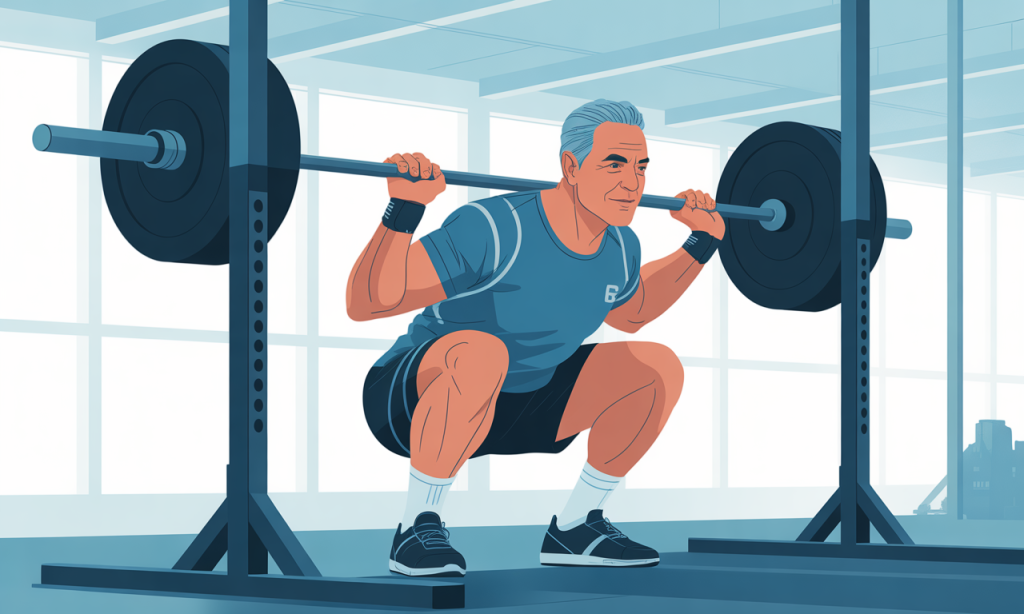
Compound exercises that target multiple muscle groups simultaneously elicit superior hormonal responses. Squats strengthen hips, knees, and load bones through pelvis and spine—increasingly critical as bone density declines. These functional movements facilitate everyday tasks like standing, climbing stairs, and rising from bed. Goblet squats build leg strength and core engagement without spinal overload, while lateral lunges strengthen hip abductors and adductors while improving lateral stability.
Progressive Overload Principles
Start with moderate loads emphasizing impeccable form, then gradually increase weight or complexity through single-leg variations to maintain muscular adaptation. Even bodyweight movements like sitting onto chairs and standing with control provide sufficient stimulus initially. Deadlifts, pull-ups, push-ups, and farmer’s carries create comprehensive strength foundations. Push-ups and planks reinforce upper-body strength and trunk stabilization essential for postural integrity.
Optimal Training Frequency
Schedule 2-3 full-body strength sessions weekly, incorporating squats, presses, pulls, and core movements. This frequency allows adequate recovery between sessions while providing sufficient stimulus for adaptation. Resistance training stimulates muscle growth and signals the production of testosterone. Combining resistance and aerobic exercises in balanced routines offers comprehensive benefits for hormonal optimization and overall well-being.
Periodization and Recovery Cycles
Training Block Structure
Periodization involves planned manipulation of training variables—load, sets, repetitions—to maximize adaptations. This approach proves crucial for longevity in those strength training over 40. Cycle through training blocks featuring different styles and intensities to maintain health and motivation long-term. A well-designed 12-month plan might begin with higher-volume development blocks, then potentiate that work capacity and muscle as higher-end strength in subsequent phases.
Deload Week Implementation
Research confirms 80% of athletes experience improved performance after deload weeks. Schedule these recovery weeks every 2-5 weeks of intensive training. During deloads, reduce workout duration 40-50% and intensity by approximately 50%, while maintaining movement quality. Athletes report fewer nagging pains and steadier improvements in subsequent blocks when deloads occur every 4-8 weeks. Three weeks of high-load work followed by a single deload week represents a proven coaching pattern.
Recovery Time Requirements
Men aged 50+ require 48-72 hours between intense workouts for full recovery compared to 24 hours for younger athletes. Recovery extends to 4-7 days in those 60 and beyond, influenced by intensity levels. Age-related muscle loss (sarcopenia), decreased circulation, and reduced tissue repair capacity all contribute to extended recovery needs. Space workouts by at least six hours and rest at minimum one day weekly to prevent overtraining syndrome.
Overtraining Prevention Strategies
Recognizing Warning Signs
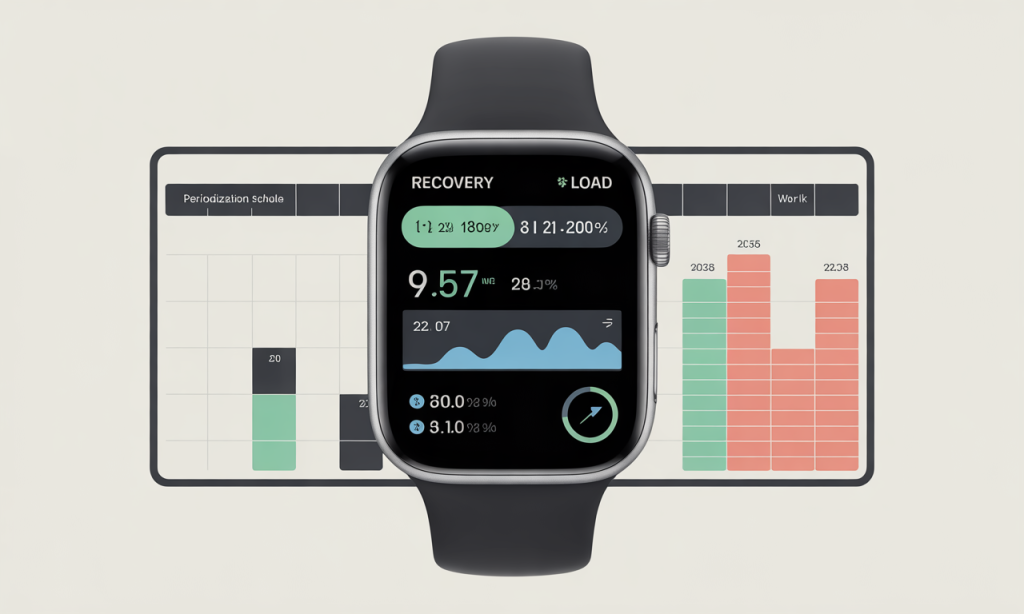
Overtraining syndrome represents maladapted responses to excessive exercise without adequate rest, causing perturbations across multiple body systems. Heavy training shifts cardiac autonomic balance toward sympathetic over parasympathetic drive. Monitor nocturnal heart rate variability, as it better magnifies induced changes in autonomic nervous system activity than resting heart rate for evaluating cumulative physical fatigue. Parasympathetic indices decrease up to 41% during three-week heavy training periods, while sympathetic activity increases up to 31%.
Training Load Monitoring
Adjust training volume and intensity based on performance markers and mood states. Profile of Mood States questionnaires help identify when training loads should be modified. Post-exercise heart rate variability correlates with training load variables in interval running exercises. When overtraining symptoms emerge, stop gym activities for 1-2 weeks and reduce daily exercise substantially. After recovery weeks, ease back with lighter training loads and less intense workouts before gradually increasing.
Tapering for Performance
Implement tapering strategies before competitions or testing periods. Ensure adequate calories match training loads, maintain proper hydration, and ingest sufficient carbohydrates during exercise sessions. Abstain from training following infections, heat stress, or high-stress periods. Avoid extreme environmental conditions that compound physiological stress. Rest periods exceeding six hours between exercise bouts facilitate autonomic nervous system recovery.

Nutrition and Lifestyle Factors
Protein and Macronutrient Timing
Ensure adequate caloric intake matches your training load. Older athletes demonstrate decreased sensitivity to recovery nutrients, necessitating strategic timing of macronutrients. While poor dietary habits can precipitate overtraining, healthy nutrition accelerates workout recovery and prevents overtraining syndrome. Protein requirements increase with age due to reduced synthesis rates. Distribute protein intake across multiple meals to optimize muscle protein synthesis throughout the day.
Sleep Quality Optimization
Adequate sleep represents a non-negotiable recovery component. Sleep patterns become lighter after 40, reducing deep recovery phases. Prioritize 7-9 hours nightly and consider extra sleep during deload or heavy training weeks. Nocturnal heart rate variability measurements conducted during sleep provide superior fatigue evaluation compared to waking assessments. Sleep debt accumulation impairs hormonal regulation, immune function, and muscle repair.
Hydration and Supplementation
Maintain proper hydration throughout training cycles. Decreased circulation after 40 slows nutrient delivery to working tissues. Consider evidence-based supplementation strategies supporting recovery and hormonal health. Resistance training combined with adequate nutrition naturally supports testosterone levels in men over 40. Avoid unsubstantiated health claims and focus on whole-food nutrition prioritizing micronutrient density.

Mobility and Flexibility Training
Joint Mobility Fundamentals
Mobility work becomes non-negotiable after 40 as muscles, ligaments, and tendons naturally lose elasticity and strength. Joint mobility differs from flexibility—it encompasses the ability to move joints through their full range of motion with control and stability. Daily mobility routines lasting just 10 minutes reduce stiffness and improve functional movement patterns critical for injury prevention. Men over 40 should prioritize mobility exercises targeting hips, thoracic spine, shoulders, and ankles—regions prone to restriction with aging.
Dynamic Stretching Protocols
Dynamic stretches prepare neuromuscular systems for activity more effectively than static holds before workouts. Inchworms mobilize hamstrings and shoulders while activating core musculature. Leg swings through sagittal and frontal planes lubricate hip joints and activate stabilizing muscles. Back and chest rotations address thoracic spine rigidity common in desk workers and older athletes. Complete 5-10 repetitions per movement before training sessions to elevate tissue temperature and synovial fluid production.
Static Flexibility Work
Reserve static stretching for post-workout cooldowns when muscles remain warm and pliable. Hold each stretch 15-30 seconds without bouncing, focusing on major muscle groups trained that session. Quadriceps, hamstrings, hip flexors, and chest muscles frequently develop tightness requiring dedicated stretching attention. The figure-four hip stretch targets the external rotators, while seated variations provide accessibility for beginners. Incorporate yoga flows like downward dog, cobra, and child’s pose 2-3 times weekly to cultivate total-body suppleness.
Specialized Mobility Drills
The scorpion stretch specifically targets lower back mobility and spinal rotation—both declining precipitously after 40. Segmented cat-cow movements isolate vertebral segments for improved thoracic extension and flexion. Hip flow sequences combining 90/90 positions and internal/external rotation patterns restore hip capsule mobility lost through sedentary lifestyles. Reverse snow angels address scapular retraction and thoracic extension simultaneously. Dedicate 10-15 minutes daily to mobility-specific training separate from strength or cardio sessions for optimal results.

Injury Prevention and Body Maintenance
Common Injury Risk Factors
Men entering their 40s face elevated injury susceptibility due to decreased tissue elasticity, slower recovery rates, and accumulated movement compensations. Rotator cuff impingement, lower back strain, Achilles tendinopathy, and knee osteoarthritis represent frequent pathologies in this demographic. Strength training emerges as the number one preventative measure, with robust musculature providing active shock absorption protecting joints from impact forces. Strong core and lower body muscles repeatedly absorb and dissipate forces that would otherwise damage connective tissues.
Prehabilitation Exercise Selection
Targeted prehabilitation exercises address vulnerable anatomical regions before injuries manifest. Single-leg balance drills enhance proprioception and ankle stability, reducing the risk of falls and sprains. Glute bridges and clamshells activate underutilized hip extensors and abductors, countering anterior chain dominance. Face pulls and band pull-aparts strengthen posterior shoulder girdle muscles protecting rotator cuff integrity during pressing movements. Plank variations build anti-extension and anti-rotation core strength, safeguarding lumbar spine health.
Proper Form and Technique
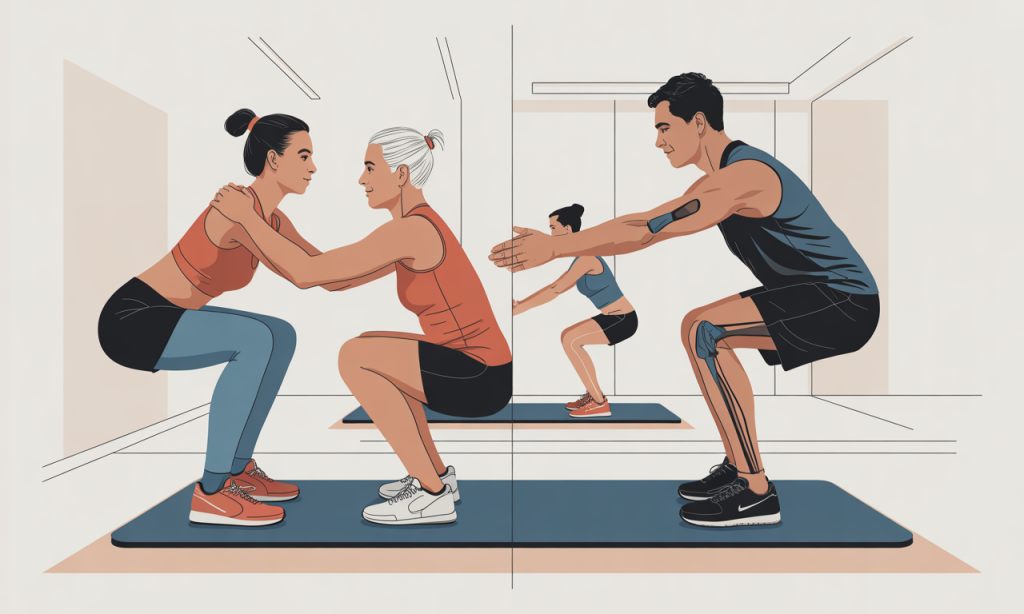
Incorrect exercise form places unnecessary stress on joints and soft tissues, exponentially increasing injury probability. Start movements with lighter loads, focusing exclusively on biomechanical precision before adding resistance. Consider working with qualified trainers who can identify compensatory patterns and provide real-time feedback. Video analysis reveals subtle technique flaws invisible to self-assessment. Master foundational movement patterns—hip hinge, squat, push, pull, carry—before progressing to complex variations or maximal loads.
Self-Myofascial Release Techniques
Foam rolling and targeted soft tissue work accelerate recovery and maintain tissue quality between training sessions. Roll hamstrings, IT bands, upper back, and chest muscles for 30 seconds per region 2-4 passes. Apply moderate pressure—discomfort without sharp pain indicates appropriate intensity. Avoid rolling directly over joints, bony prominences, or the lumbar spine. Schedule foam rolling sessions post-workout or on recovery days, never as warm-up protocols which may decrease subsequent force production. Massage balls target smaller muscle groups, such as the feet, forearms, and external rotators, that aren’t accessible to standard rollers.
Sample Training Programs and Schedules
Beginner Four-Day Split
Men new to structured training benefit from conservative volume distribution across four weekly sessions. Day 1 features full-body strength training—goblet squats, push-ups, bent rows, planks—3 sets of 8-12 repetitions with 90-second rest intervals. Day 2 includes 30 minutes of steady-state cardio, such as brisk walking, swimming, or cycling at a conversational pace. Day 3 repeats full-body strength with exercise variations to prevent adaptation plateaus. Day 4 introduces interval work: 30 seconds jogging, 30 seconds jumping jacks, 30 seconds high knees, and 30 seconds squat jumps, repeated 4 times. Schedule rest days between consecutive training sessions initially.
Intermediate Five-Day Protocol
Athletic men with training foundations can handle increased frequency and specialization. Monday targets chest and back—bench press, chest fly, pulldowns, bent rows—3 sets of 8-10 repetitions. Tuesday features leg-focused training including squats, Bulgarian split squats, calf raises, and kettlebell swing finishers. Wednesday addresses upper body hypertrophy with arm-specific work and maximum rep sets. Thursday returns to lower body with higher repetition ranges and accessory movements. Friday concludes with metabolic conditioning—circuit training alternating strength and cardio bursts—followed by farmer’s walks.
Advanced Periodized Template
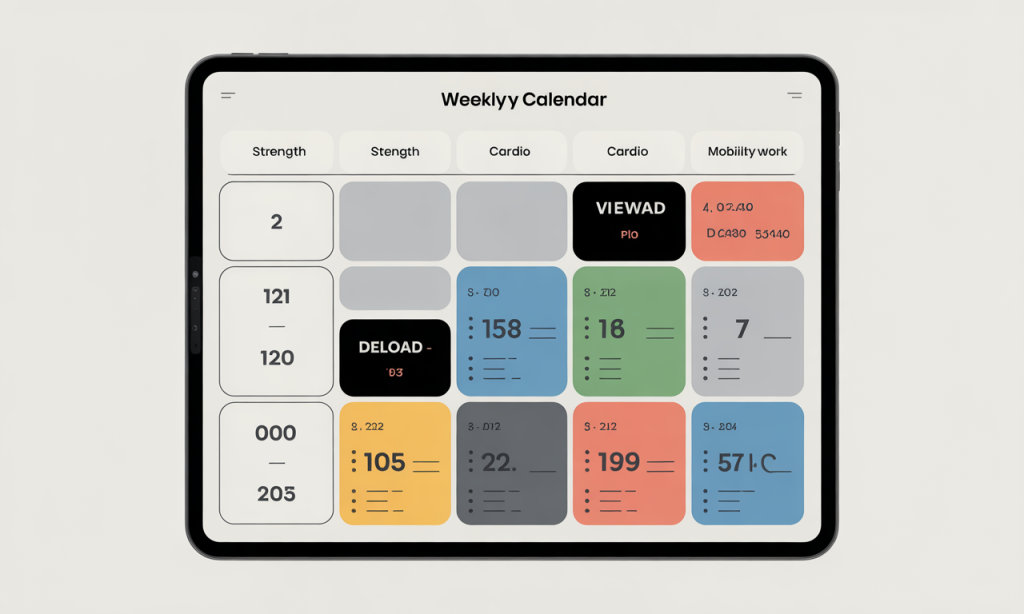
Experienced lifters over 40 require periodization strategies manipulating intensity and volume across mesocycles. Structure 12-week blocks progressing from hypertrophy phases (3-4 sets, 8-12 reps, moderate loads) through strength emphasis (4-5 sets, 4-6 reps, heavy loads) culminating in power expression. Incorporate deload weeks every third or fourth week reducing volume 40-50%. Combine three strength sessions, two cardiovascular days featuring 80/20 zone distribution, and two mobility-focused recovery sessions weekly. Rotate exercise selections every 4-6 weeks maintaining movement pattern categories while introducing novel stimuli.
Recovery Day Activities
Active recovery days facilitate adaptation without imposing additional training stress. Gentle 20-30 minute walks elevate circulation supporting nutrient delivery and metabolic waste removal. Yoga or tai chi sessions cultivate mind-body awareness while addressing flexibility deficits. Foam rolling routines spanning 15-20 minutes target chronically tight regions. Light swimming or aquatic exercise provides joint-friendly movement in buoyant environments. Avoid complete sedentary rest days which may increase stiffness—gentle movement proves superior for recovery optimization.
Mind-Body Integration and Stress Management
Meditation for Athletic Performance
Mindfulness practices enhance focus, emotional regulation, and competitive composure. Athletes utilizing meditation techniques demonstrate improved stress management during high-pressure situations. Focused breathing exercises activate the parasympathetic nervous system, countering sympathetic dominance caused by chronic training stress. Begin with 5-10 minute daily sessions emphasizing breath awareness—inhaling for four counts, holding for four, exhaling for six. Body scanning protocols systematically release muscular tension accumulated during training.
Breathing and Relaxation Techniques
Deliberate breathing patterns modulate autonomic nervous system balance critical for recovery. Box breathing—four seconds inhale, four second hold, four second exhale, four second hold—reduces cortisol levels and heart rate variability. Progressive muscle relaxation involves sequentially tensing and releasing muscle groups from feet to head. Practice these techniques during cooldowns to accelerate parasympathetic activation post-exercise. Mindful movement during warm-ups cultivates present-moment awareness reducing mental distraction during workouts.
Cognitive Reframing Strategies
Mental resilience determines long-term training adherence as much as physical capacity. Reframe competitive setbacks and training plateaus as growth opportunities rather than failures. Athletes encounter intense pressure regularly—mindfulness offers practical stress management approaches. Visualization practices mentally rehearse successful performance scenarios, priming neuromuscular pathways. Develop balanced perspectives on temporary performance decrements, recognizing fluctuation as normal within periodized training.
Yoga and Tai Chi Integration
Eastern movement disciplines complement Western strength and conditioning paradigms. Yoga flows improve flexibility, balance, and breathing coordination while reducing injury risk. Warrior poses, tree pose, and chair pose challenge stability and lower body strength. Tai chi’s flowing sequences cultivate proprioception and mindful movement control. Schedule 20-30 minute sessions twice weekly on recovery days or as active cooldowns after cardio sessions. These practices address both physical suppleness and mental centering unavailable through conventional training alone.

Technology and Tracking Tools
Wearable Fitness Monitors
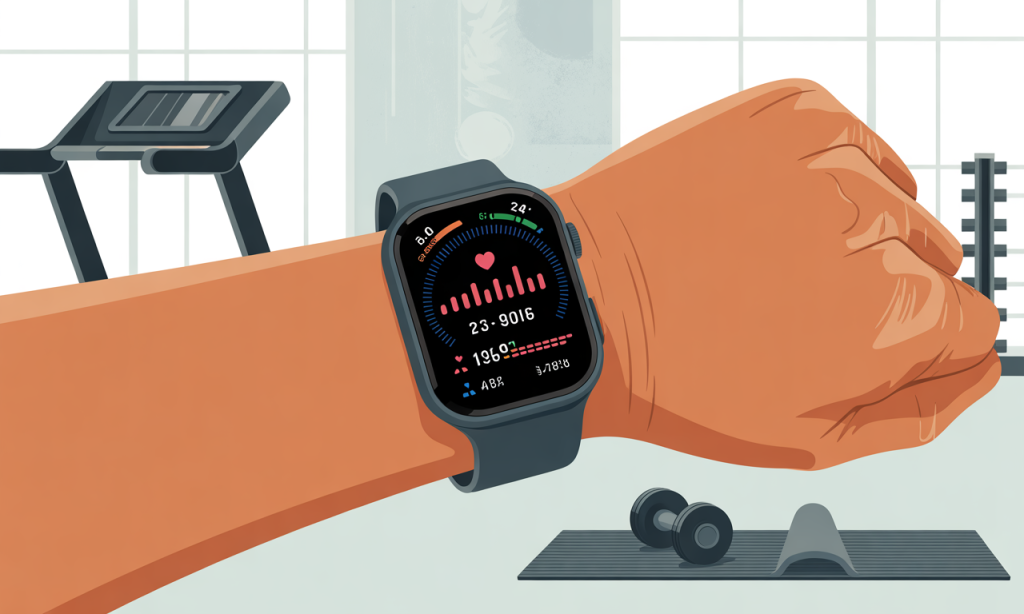
Modern technology facilitates objective training load monitoring essential for preventing overtraining. Garmin Forerunner 55 provides heart rate tracking, activity metrics, and user-friendly interfaces ideal for older adults. High-contrast displays and simple navigation suit less tech-savvy users. Wrist-based heart rate monitoring eliminates chest strap inconvenience while delivering sufficiently accurate data. Track daily steps, calories burned, distance covered, and cardiovascular health metrics, informing training adjustments.
Heart Rate Variability Monitoring
HRV measurements reveal autonomic nervous system status and recovery readiness. Morning HRV readings below individual baselines indicate incomplete recovery requiring training modifications. Nocturnal HRV monitoring during sleep provides superior fatigue assessment compared to waking measurements. Devices capable of HRV analysis enable data-driven decisions about training intensity and volume. Parasympathetic indices decrease up to 41% during heavy training blocks, signaling accumulated fatigue.
Training Log Applications
Digital or physical training journals document workout details, subjective energy ratings, and progress markers. Record exercises, sets, repetitions, loads, rest intervals, and perceived exertion for each session. Longitudinal tracking reveals patterns connecting training variables to performance outcomes and recovery status. Profile of Mood States questionnaires identify when training loads require reduction. Consistent logging enables retrospective analysis during plateau periods, revealing effective versus ineffective programming strategies.
GPS and Performance Metrics
GPS-enabled devices track cardiovascular training pace, distance, elevation, and route data. Analyze splits and average speeds across training blocks identifying cardiovascular fitness improvements. Monitor training volume accumulation, preventing excessive weekly mileage increases that trigger overuse injuries. Garmin platforms integrate strength and cardio data providing comprehensive training load calculations. Fall detection features offer safety reassurance for solo outdoor training sessions common among older athletes.
Warm-Up and Cooldown Essentials
Pre-Workout Preparation Protocols
Proper warm-ups lasting 5-10 minutes prove especially critical for injury prevention after 40. Begin with light cardiovascular activity—walking, cycling, or rowing—elevating core temperature and heart rate gradually. Tissue temperature increases enhance oxygen delivery and enzymatic reactions supporting muscular contraction. Dynamic stretches targeting movement patterns in upcoming workouts activate neuromuscular pathways. Foam rolling before warm-ups may decrease force production—reserve self-myofascial release for post-exercise or recovery days.
Movement-Specific Activation
Perform lighter sets of planned exercises before working loads. Complete 2-3 ramp-up sets increasing from 40% to 70% of working weight. This neural priming enhances motor unit recruitment and movement pattern precision. Include activation drills for stabilizing muscles—glute bridges before squats, band pull-aparts before presses. Activate core musculature through planks or dead bugs, establishing trunk stability before compound movements.
Post-Exercise Cooldown Strategies
Dedicate 5-10 minutes to structured cooldowns facilitating metabolic waste removal and parasympathetic activation. Continue exercise at drastically reduced intensity—walking after running, easy cycling after intervals—allowing gradual heart rate descent. Avoid abrupt cessation which pools blood in extremities potentially causing dizziness. Static stretching becomes appropriate during cooldowns when muscles remain warm and pliable. Hold stretches 20-30 seconds focusing on primary movers from that session.
Recovery Acceleration Methods
Implement evidence-based recovery modalities post-workout optimizing adaptation while minimizing soreness. Contrast showers alternating hot and cold water exposure may enhance circulation. Compression garments potentially reduce inflammation and accelerate glycogen resynthesis. Prioritize hydration and immediate post-workout nutrition within 30-60 minutes. Schedule foam rolling sessions 2-6 hours post-training targeting areas of residual tension. Quality sleep remains the ultimate recovery tool—prioritize 7-9 hours nightly.
FAQ
How long does it take to build stamina after 40?
Building stamina after 40 typically requires 8-12 weeks of consistent training to observe measurable improvements. You can expect a 5-10% increase in aerobic capacity over 2-3 months with regular cardiovascular and resistance training. Individual results vary based on baseline fitness, training consistency, recovery optimization, and genetic factors. Progressive overload and periodization accelerate adaptation rates.
What are the signs of overtraining in men over 40?
Overtraining manifests through persistent fatigue, elevated resting heart rate, decreased heart rate variability, and mood disturbances. Physical symptoms include prolonged muscle soreness, increased injury susceptibility, sleep disruption, and performance plateaus or declines. Autonomic nervous system imbalances show up as 41% decreases in parasympathetic indices during heavy training periods.
Monitoring subjective fatigue through questionnaires, alongside objective markers such as nocturnal heart rate variability, provides optimal detection of overtraining.
How many rest days do I need per week after 40?
Men over 40 should rest at minimum one full day weekly and space workouts by at least six hours. Athletes aged 50+ require 48-72 hours between intense sessions for complete recovery. Consider implementing 1-2 light recovery days featuring gentle walks, mobility routines, or yoga sessions alongside complete rest days. Schedule deload weeks every 2-5 weeks of hard training.
Can I do HIIT training safely after 40?
High-intensity interval training remains safe and effective for men over 40 when implemented progressively. Begin with moderate-intensity intervals at 85% maximum velocity before advancing to 90-95% efforts. HIIT taxesthe cardiovascular and muscular systems to build stamina efficiently, burning substantial calories in minimal time. Ensure adequate recovery between HIIT sessions and monitor heart rate variability to assess training load tolerance.
What exercises boost testosterone naturally after 40?
Compound movements targeting large muscle groups stimulate testosterone production most effectively. Squats, deadlifts, and pull-ups signal the body to release hormones needed for muscle growth and recovery. Resistance training combined with cardiovascular exercise provides comprehensive benefits for testosterone regulation and overall hormonal health. Farmer’s carries strengthen grip, core, and shoulders simultaneously while promoting hormonal responses.
How do I know if I’m building stamina or overtraining?
Progressive stamina development shows consistent performance improvements, stable or decreasing resting heart rate, and manageable post-workout fatigue. Overtraining presents opposite patterns: performance declines, elevated resting heart rate, decreased heart rate variability, and persistent exhaustion. Monitor nocturnal heart rate variability as it magnifies autonomic nervous system changes better than waking measurements. Track subjective energy levels, sleep quality, and mood alongside objective performance metrics.
Should I focus on cardio or strength training after 40?
Both cardiovascular and resistance training prove essential for comprehensive stamina development after 40. The American College of Sports Medicine recommends adults over 40 combine aerobic and resistance exercises for optimal benefits including improved bone density, muscle mass, and cardiovascular health. Schedule 2-3 strength sessions and 2-4 cardio days weekly with 1-2 light recovery days. This balanced approach addresses multiple physiological systems simultaneously.
What is the best training split for men over 40?
Full-body training splits 2-3 times weekly optimize recovery while providing sufficient stimulus for adaptation. This frequency allows 48-72 hours between intense sessions as required by older athletes. Incorporate 2-4 cardiovascular days featuring varied intensities from steady-state to intervals. Include 1-2 active recovery days with mobility work or gentle movement. Periodize training blocks every 3-6 weeks to prevent adaptation plateaus.
How can I improve my VO2 max after 40?
Implement the 80/20 training ratio: 80% Zone 2 easy-pace cardio and 20% high-intensity intervals. This combination can enhance VO2 max by up to 1.0 L/min over 8-12 weeks. Despite natural age-related declines, strategic training substantially mitigates aerobic capacity losses.
Men experience accelerated VO2 max decline rates after 40, making early intervention crucial. Maintain lifelong physical activity as highly active individuals demonstrate markedly preserved aerobic capacity even at 80 years old.
When should I take a deload week?
Schedule deload weeks every 2-5 weeks of intensive training depending on individual recovery capacity. Research shows 80% of athletes experience performance improvements following deload weeks. During these recovery phases, reduce workout duration 40-50% and intensity by approximately 50% while maintaining movement quality. Athletes over 40 often need deloads every 2-3 weeks rather than the 3-5 week intervals sufficient for younger trainees.
Conclusion
Building stamina after 40 represents an achievable goal when intelligent programming replaces youthful recklessness. Implement periodized training structures, monitor recovery markers religiously, and embrace mobility work as foundational rather than supplementary. Your cardiovascular capacity, muscular endurance, and overall vitality need not decline precipitously—strategic interventions preserve and enhance functional capacity well beyond the fifth decade. Technology-assisted monitoring, combined with mind-body practices, creates comprehensive systems that address physiological and psychological performance dimensions.