

Building lean mass becomes progressively challenging after your fourth decade. The anabolic machinery inside your muscle cells develops resistance to traditional dietary strategies.
Understanding how much protein after 40 your body requires separates those who maintain their physique from those who gradually diminish.
This comprehensive guide unveils seven evidence-based secrets that counteract age-related muscle wasting. These strategies empower you to reclaim the muscular development you thought was lost forever.
Your transformation begins with recognizing that protein after 40 demands an entirely different nutritional paradigm than what worked in your twenties.
Why Protein After 40 Changes Everything
Anabolic Resistance Emerges
Your skeletal musculature undergoes fundamental metabolic shifts beginning around age 40. The cellular mechanisms governing muscle protein synthesis become increasingly resistant to amino acid stimulation.
Research demonstrates that while younger individuals respond robustly to 20 grams of dietary protein, older adults require significantly higher quantities to trigger equivalent anabolic responses.
This phenomenon, termed anabolic resistance, represents one of the primary drivers of sarcopenia. Scientists have documented that a 71-year-old man needs approximately 40 grams of protein to achieve the same muscle-building response that a 22-year-old achieves with just 20 grams.
The magnitude of this difference underscores why conventional protein recommendations fail for mature athletes.
Hormonal Decline Compounds Challenges
Testosterone concentrations naturally diminish with advancing age. Studies reveal that men aged 69 years average 274 ng/dL compared to 367 ng/dL in 23-year-old counterparts.
This hormonal environment creates additional obstacles for muscle accretion and preservation.
Lower anabolic hormone levels reduce both translational efficiency and ribosomal biogenesis capacity. Your body literally produces fewer cellular factories for assembling muscle proteins.
Compensating through strategic protein after 40 intake becomes non-negotiable for maintaining muscular integrity.

Secret 1: The Precise Protein Threshold
Calculate Your Individual Requirements
Research from Stanford Lifestyle Medicine establishes that adults over 50 require 1.2-1.6 grams of protein per kilogram of body weight daily.
This recommendation represents approximately double the federal guidelines. A 180-pound individual needs between 98-131 grams daily to combat muscle loss effectively.
The specific threshold depends on training intensity, existing muscle mass, and metabolic health. More physically active individuals gravitate toward the higher end of this spectrum.
Sedentary adults still benefit from the 1.2 g/kg baseline to prevent progressive atrophy.
Distribution Matters More Than Total
Spreading protein consumption across multiple meals amplifies muscle-building signals. Studies demonstrate that insufficient protein per meal impairs optimal muscle protein synthesis even when daily totals are adequate.
Concentrating protein in a single feeding occasion squanders anabolic opportunities throughout the day.
Experts recommend distributing approximately 25-30 grams across breakfast, lunch, and dinner. This pattern maintains elevated muscle protein synthesis rates across waking hours.
Evening protein intake deserves particular attention given extended overnight fasting periods.
Secret 2: The Leucine Advantage
Why This Amino Acid Dominates
Leucine functions as the primary molecular trigger for muscle protein synthesis initiation. This branched-chain amino acid activates the mTOR signaling pathway that governs cellular growth processes.
Without sufficient leucine concentration, protein synthesis remains dormant regardless of total amino acid availability.
Research indicates older adults need 3-4 grams of leucine per meal to maximally stimulate anabolism. This threshold significantly exceeds requirements in younger populations.
A study published in the American Journal of Physiology confirmed that elderly individuals require 41% leucine content in essential amino acid mixtures, compared to just 26% for young adults.
Leucine-Rich Food Sources
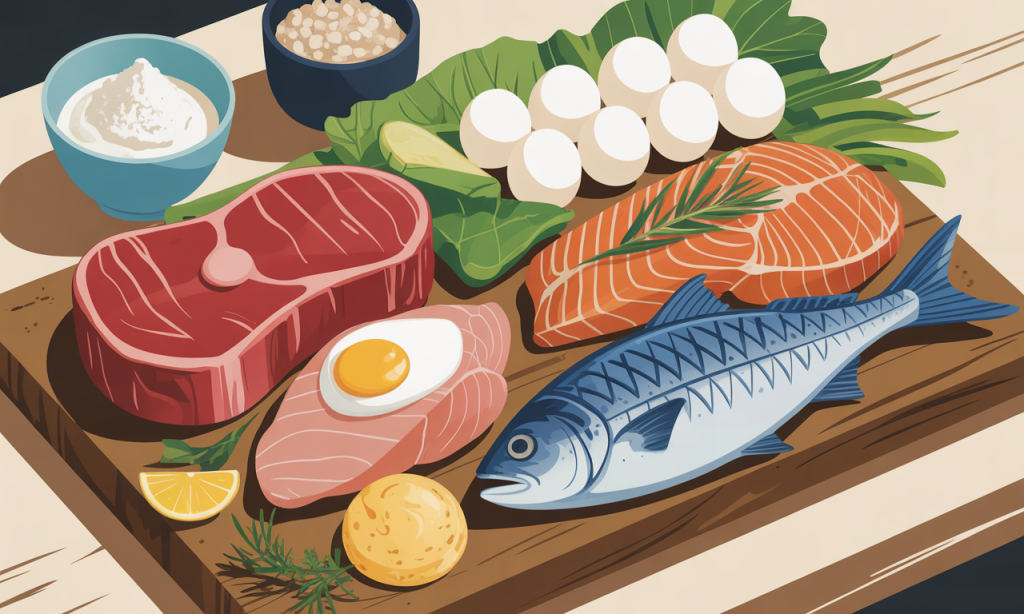
Strategic food selection ensures adequate leucine delivery without excessive caloric burden. High-quality protein sources naturally concentrate this critical amino acid. Consider these leucine-dense options:
- Whey protein isolate: 2.5-3g leucine per 25g serving
- Chicken breast: 2.8g leucine per 4oz serving
- Lean beef: 2.4g leucine per 4oz serving
- Salmon: 2.2g leucine per 4oz serving
- Eggs: 0.5g leucine per large egg
- Greek yogurt: 2g leucine per cup
Supplementing meals with 4 grams of pure leucine has demonstrated acute improvements in muscle protein synthesis among older adults consuming otherwise suboptimal protein quantities. This strategy provides flexibility when whole food sources prove insufficient.

Secret 3: Timing Your Protein Intake
The Extended Anabolic Window
Contrary to outdated bro-science, the anabolic window extends far beyond 30 minutes post-exercise. Muscle protein synthesis remains elevated for 24-48 hours following resistance training. This extended timeframe provides strategic flexibility for nutrient delivery.
However, consuming 20-40 grams of protein every 3-4 hours maintains optimal synthesis rates. The per-meal recommendation translates to approximately 0.25-0.40 grams per kilogram of body weight. For a 180-pound individual, this equates to 20-33 grams per feeding.
Pre-Sleep Protein Strategy
Nighttime represents an extended catabolic period that can undermine daytime anabolic efforts. Consuming 30-40 grams of protein before bed supports overnight muscle protein synthesis.
Research confirms that pre-sleep casein or whey intake enhances recovery and growth adaptations.
Casein protein offers theoretical advantages due to slower digestion kinetics. However, studies demonstrate whey also effectively supports overnight anabolism. The critical factor remains hitting sufficient protein quantity rather than obsessing over protein type.
Post-Workout Nutrition Precision
Resistance exercise sensitizes muscle tissue to amino acid stimulation. Capitalizing on this heightened responsiveness optimizes training adaptations. Aim for 30-35 grams of protein within two hours post-workout.
This post-training protein bolus should emphasize fast-digesting sources rich in leucine. Whey protein isolate represents the gold standard due to rapid absorption and superior amino acid profile.
Pairing protein with carbohydrates enhances glycogen replenishment without compromising muscle protein synthesis.
Secret 4: Optimal Protein Sources
Animal-Based Superiority
Animal proteins contain complete amino acid profiles with high leucine concentrations. These characteristics make them particularly effective for overcoming anabolic resistance in mature individuals.
Research consistently demonstrates superior muscle protein synthesis responses to animal versus plant proteins.
A study involving 60 healthy men aged 70-72 revealed that 35 grams of whey or casein stimulated robust muscle protein synthesis, while equivalent wheat protein produced minimal response.
Participants required nearly 60 grams of wheat protein to match the anabolic effect of 35 grams of whey. This dramatic difference has profound implications for protein source selection.
Top Animal Protein Choices
- Whey protein isolate: Fastest absorption, highest leucine content, convenient
- Lean beef: Complete amino acids, creatine, zinc, iron
- Chicken breast: Low fat, high protein density, versatile
- Salmon: Omega-3 fatty acids, complete protein, anti-inflammatory
- Whole eggs: Nutrient-dense, convenient, affordable
- Greek yogurt: Whey and casein combination, probiotics
- Cottage cheese: Slow-digesting casein for sustained amino acid release
Plant Protein Considerations
Plant-based proteins face inherent limitations for older adults seeking muscle preservation. Lower leucine content, incomplete amino acid profiles, and reduced digestibility compromise their anabolic potential. However, strategic approaches can enhance their effectiveness.
Soy protein demonstrates the highest quality among plant options with a DIAAS score of 0.9. Research indicates that blending plant and animal proteins may provide synergistic benefits.
A milk-soy protein combination sustained elevated muscle protein synthesis rates longer than either source alone.
Plant-based individuals should prioritize:
- Consuming 1.6 g/kg body weight at minimum
- Combining complementary protein sources
- Supplementing with leucine to reach 3-4g per meal
- Increasing per-meal protein quantities to 40-50g
Secret 5: Resistance Training Synergy
Frequency Trumps Volume
Training frequency significantly impacts muscle protein synthesis duration and magnitude. Research demonstrates that three weekly sessions prove more effective than single-session high-volume approaches. This pattern maintains chronically elevated synthesis rates while allowing adequate recovery.
A study comparing training frequencies found that 2 sets performed three times weekly produced equal or superior results compared to 6 sets once weekly.
The higher frequency approach proved less strenuous while optimizing anabolic responses. For men over 40, this represents a sustainable long-term strategy.
Session Duration Guidelines
Optimal training sessions last 45-60 minutes. Extended workout durations elevate cortisol concentrations that antagonize muscle-building efforts.
Mature athletes benefit from efficient, intense sessions rather than marathon gym visits.
Full-body routines three days weekly effectively stimulate all major muscle groups with appropriate frequency.
This approach proves superior to traditional body-part splits for experienced lifters seeking muscle preservation after 40. The increased stimulation frequency better exploits the protein you consume.
Progressive Overload Principles
Muscle protein synthesis responds to mechanical tension created through progressively challenging loads. Implementing gradual increases in weight, repetitions, or training density ensures continued adaptation. Without progressive overload, protein intake alone cannot drive muscular development.
Focus on compound movements that recruit maximum muscle mass:
- Squats
- Deadlifts
- Bench press variations
- Overhead pressing
- Rowing movements
- Pull-ups or lat pulldowns
These exercises generate substantial mechanical stress that signals your body to utilize dietary protein for muscle construction rather than oxidation.

Secret 6: Avoiding Common Mistakes
Skimping on Breakfast Protein
Most individuals consume inadequate protein at breakfast, missing critical morning anabolic opportunities. NHANES data reveals older adults typically reach 25-30 gram protein thresholds only at dinner.
This skewed distribution pattern wastes two daily muscle-building windows. Prioritizing substantial breakfast protein jumpstarts muscle protein synthesis after overnight fasting.
Target 30-35 grams within an hour of waking. Greek yogurt, eggs, protein shakes, or lean breakfast meats easily achieve this threshold.
Relying Exclusively on Plants
While plant-based diets offer legitimate health benefits, they present challenges for muscle preservation after 40.
The dramatically higher protein quantities required to match animal protein responses often prove impractical. Appetite suppression in older adults makes consuming 60+ grams of plant protein per meal nearly impossible.
Incorporating even modest animal protein quantities significantly enhances anabolic efficiency. If ethical or health concerns drive plant-based choices, strategic supplementation with leucine and increased protein targets become essential.
Neglecting Protein Quality
All protein sources are not metabolically equivalent. Collagen and gelatin, despite high protein content, lack sufficient essential amino acids for muscle building. Focusing on high-quality complete proteins ensures your intake translates to actual tissue construction.
Prioritize proteins with high biological value and digestibility scores. Animal sources consistently outperform plant options on these metrics.
When selecting supplements, whey isolate or hydrolysate provide superior absorption compared to concentrates.
Inadequate Total Intake
Many health-conscious individuals underestimate their actual protein needs after 40. The outdated 0.8 g/kg RDA proves woefully insufficient for muscle preservation.
Consuming merely adequate amounts guarantees gradual muscle loss regardless of training efforts.
Track your intake meticulously for at least two weeks to establish baseline consumption patterns. Most discover they’re consuming 30-50% less protein than optimal recommendations.
Closing this gap produces remarkable improvements in body composition and functional capacity.
Secret 7: Supplementation Strategies
Whey Protein Isolate Benefits
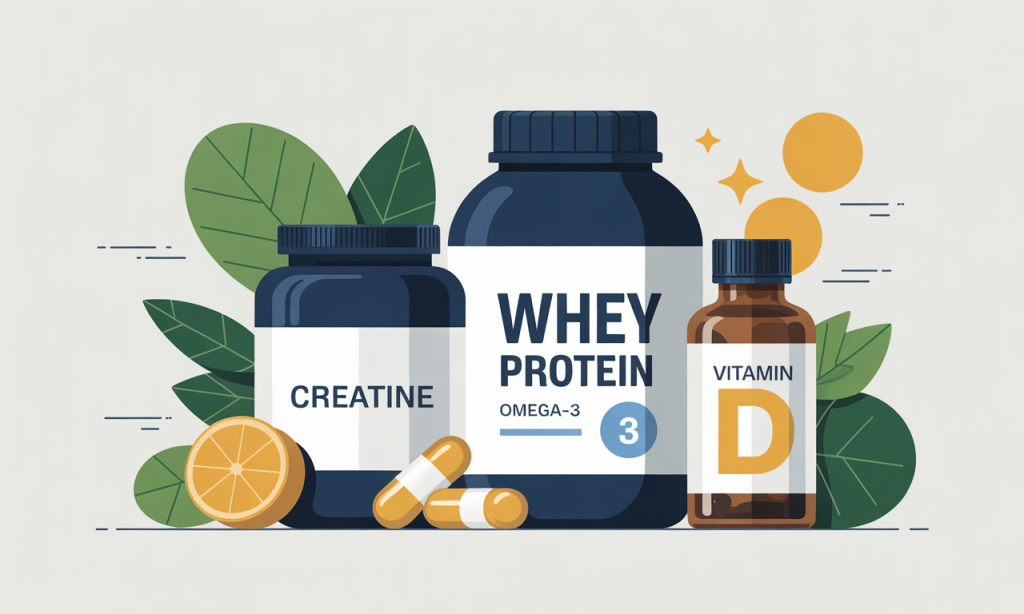
Whey represents the gold standard for supplemental protein. Its rapid digestion kinetics deliver amino acids precisely when muscles need them most. The exceptional leucine content makes it particularly valuable for overcoming anabolic resistance.
Whey isolate provides advantages over concentrate forms including higher protein percentage, minimal lactose, and faster absorption.
A 25-30 gram serving post-workout or between meals effectively bridges dietary protein gaps. Studies confirm whey’s superiority for stimulating muscle protein synthesis compared to other protein types.
Creatine Monohydrate Addition
Creatine monohydrate enhances both strength performance and muscle protein synthesis signaling. Research demonstrates consistent benefits for older adults when combined with resistance training.
Standard dosing involves 3-5 grams daily without cycling or loading phases.
This supplement increases intramuscular phosphocreatine stores, enabling higher training intensities. The enhanced mechanical tension translates to superior muscle-building stimulus.
Creatine also draws water into muscle cells, creating an anabolic environment conducive to protein accretion.
Vitamin D Optimization
Vitamin D deficiency correlates with accelerated muscle loss and reduced strength in older adults. This hormone-like vitamin influences calcium absorption, phosphorus metabolism, and muscle contraction capacity. Many individuals over 40 demonstrate suboptimal levels despite adequate sun exposure.
Supplementing with 2000-4000 IU daily helps maintain optimal 25-hydroxyvitamin D concentrations. Combining vitamin D with adequate protein intake and resistance training produces synergistic effects on muscle preservation. Blood testing confirms your individual status and supplementation needs.
Omega-3 Fatty Acids
EPA and DHA omega-3 fatty acids may support muscle health and slow age-related muscle loss. These anti-inflammatory compounds potentially enhance muscle protein synthesis responsiveness.
Fatty fish consumption provides food-based sources, while supplements offer concentrated doses.
Target 2-3 grams of combined EPA and DHA daily from either whole food sources or high-quality fish oil supplements. This strategy complements protein intake by creating a favorable inflammatory environment for muscle growth and recovery.
Frequently Asked Questions
How much protein after 40 do I actually need daily?
Adults over 40 require 1.2-1.6 grams of protein per kilogram of body weight daily to maintain and build muscle. This represents approximately double the standard RDA of 0.8 g/kg. For a 180-pound individual, this translates to 98-131 grams daily depending on activity level and training intensity.
Research from Stanford Lifestyle Medicine confirms this elevated requirement helps combat anabolic resistance. Studies demonstrate that higher protein intakes slow age-related muscle loss by 40% compared to standard recommendations.
What makes protein after 40 different from younger ages?
Anabolic resistance emerges around age 40, requiring significantly higher protein quantities to stimulate equivalent muscle growth responses. A 71-year-old needs approximately 40 grams of protein to achieve the same muscle-building effect that a 22-year-old achieves with just 20 grams.
This occurs because aging muscles become less sensitive to amino acid stimulation. Hormonal changes including reduced testosterone further compromise muscle protein synthesis efficiency. Per-meal protein requirements increase from 0.2 g/kg to 0.4 g/kg body weight to overcome these metabolic changes.
Should I eat protein after 40 immediately after workouts?
The anabolic window extends 24-48 hours post-exercise rather than just 30 minutes. However, consuming 20-40 grams of protein within 2 hours after training optimizes recovery and muscle protein synthesis. Resistance exercise sensitizes muscle tissue to amino acid stimulation, making post-workout timing particularly valuable.
For older adults, 30-35 grams within two hours post-workout proves optimal. Fast-digesting proteins like whey isolate provide advantages during this period due to rapid amino acid delivery.
Can I build muscle after 40 with plant-based protein?
Plant-based proteins can support muscle growth after 40 but require strategic modifications. Research shows older adults need nearly twice as much wheat protein (60g) compared to whey (35g) to achieve equivalent muscle protein synthesis responses.
Plant proteins typically contain lower leucine concentrations and incomplete amino acid profiles. Success requires consuming minimum 1.6 g/kg body weight daily, combining complementary protein sources, and potentially supplementing with leucine to reach 3-4 grams per meal. Soy protein demonstrates superior results among plant options with a DIAAS score of 0.9.
How should I distribute protein after 40 throughout the day?
Distribute protein across three main meals with approximately 25-35 grams per feeding. Studies demonstrate that inadequate per-meal protein impairs muscle protein synthesis even when daily totals are sufficient. This pattern maintains elevated anabolic signals throughout waking hours.
Older adults need roughly 0.4 grams per kilogram body weight per meal. Consuming protein every 3-4 hours optimizes muscle protein synthesis rates. Don’t neglect the 30-40 gram pre-sleep protein serving to support overnight recovery.
What protein sources work best after 40?
Animal proteins demonstrate superior effectiveness for muscle building after 40 due to complete amino acid profiles and high leucine content.
Top choices include whey protein isolate, lean beef, chicken breast, salmon, whole eggs, Greek yogurt, and cottage cheese.
These sources contain 2-3 grams of leucine per serving, meeting the threshold for maximal muscle protein synthesis stimulation.
Research confirms animal proteins consistently outperform plant alternatives for overcoming anabolic resistance in older adults.
Is whey protein better than other supplements for muscle building?
Whey protein demonstrates superior muscle protein synthesis responses compared to other protein types. Its rapid absorption delivers amino acids quickly when muscles are most receptive. The exceptional leucine content makes it particularly valuable for older adults combating anabolic resistance.
Studies involving older adults show whey stimulates robust muscle protein synthesis while equivalent amounts of plant proteins like wheat produce minimal response.
Whey isolate provides advantages over concentrate including higher protein percentage and faster absorption. For plant-based individuals, pea protein represents the best alternative.
How many days per week should I train for muscle growth after 40?
Three resistance training sessions per week optimally stimulates muscle protein synthesis while allowing adequate recovery. Research demonstrates this frequency proves more effective than single high-volume weekly sessions for older adults.
Studies comparing training frequencies found 2 sets performed three times weekly produced superior results to 6 sets once weekly.
Full-body routines hitting major muscle groups three days weekly maximize protein utilization for muscle construction. Sessions should last 45-60 minutes focusing on progressive compound movements.
Do I need leucine supplementation after 40?
Leucine supplementation can help older adults reach the 3-4 gram per meal threshold needed to maximally stimulate muscle protein synthesis.
This becomes particularly valuable when consuming lower protein meals or relying on plant-based sources with inherently lower leucine content.
Research demonstrates that supplementing meals with 4 grams of leucine improved muscle protein synthesis in older adults consuming otherwise suboptimal protein quantities.
However, choosing high-quality protein sources naturally rich in leucine often eliminates supplementation necessity. Whey protein, beef, chicken, and salmon provide 2-3 grams per serving without additional supplements.
Can I consume too much protein after 40?
While most Americans exceed protein needs, active individuals over 40 typically benefit from higher intakes up to 1.6 g/kg body weight.
Research supports this elevated consumption for muscle preservation without adverse effects in healthy individuals.
The body efficiently processes protein within this range when combined with resistance training. However, exceeding 2.0 g/kg body weight provides minimal additional muscle-building benefits while increasing caloric intake unnecessarily.
Individuals with kidney disease should consult healthcare providers before increasing protein consumption substantially.
Transform Your Physique Starting Today
The seven secrets revealed throughout this comprehensive guide provide your roadmap for reclaiming muscular development after 40.
Anabolic resistance no longer sentences you to progressive muscle wasting and declining strength. Strategic protein after 40 intake combined with intelligent training reverses age-related metabolic changes.
Implementation starts with calculating your individual protein requirements at 1.2-1.6 g/kg body weight daily. Distribute this across three meals providing 25-35 grams each, emphasizing leucine-rich sources.
Prioritize animal proteins for superior amino acid profiles while supplementing strategically with whey isolate.
Combine this nutritional foundation with resistance training three times weekly focusing on compound movements.
Progress gradually while respecting enhanced recovery needs that accompany mature training. Track your intake meticulously for two weeks to ensure you’re meeting elevated protein thresholds.
The metabolic deck may be stacked against you, but evidence-based nutrition and training strategies restore the advantage. Your most impressive physique doesn’t have to remain a distant memory from your twenties.
Implement these proven protein after 40 principles and experience the transformative results that proper nutrition delivers.
Ready to optimize your complete nutrition strategy? Explore our detailed guides on testosterone optimization through diet, strategic carbohydrate timing for muscle growth, and science-backed supplement protocols for men over 40. Your journey toward exceptional health and performance continues with informed nutritional choices that compound over time.