
Why Your Energy Tanks After 40
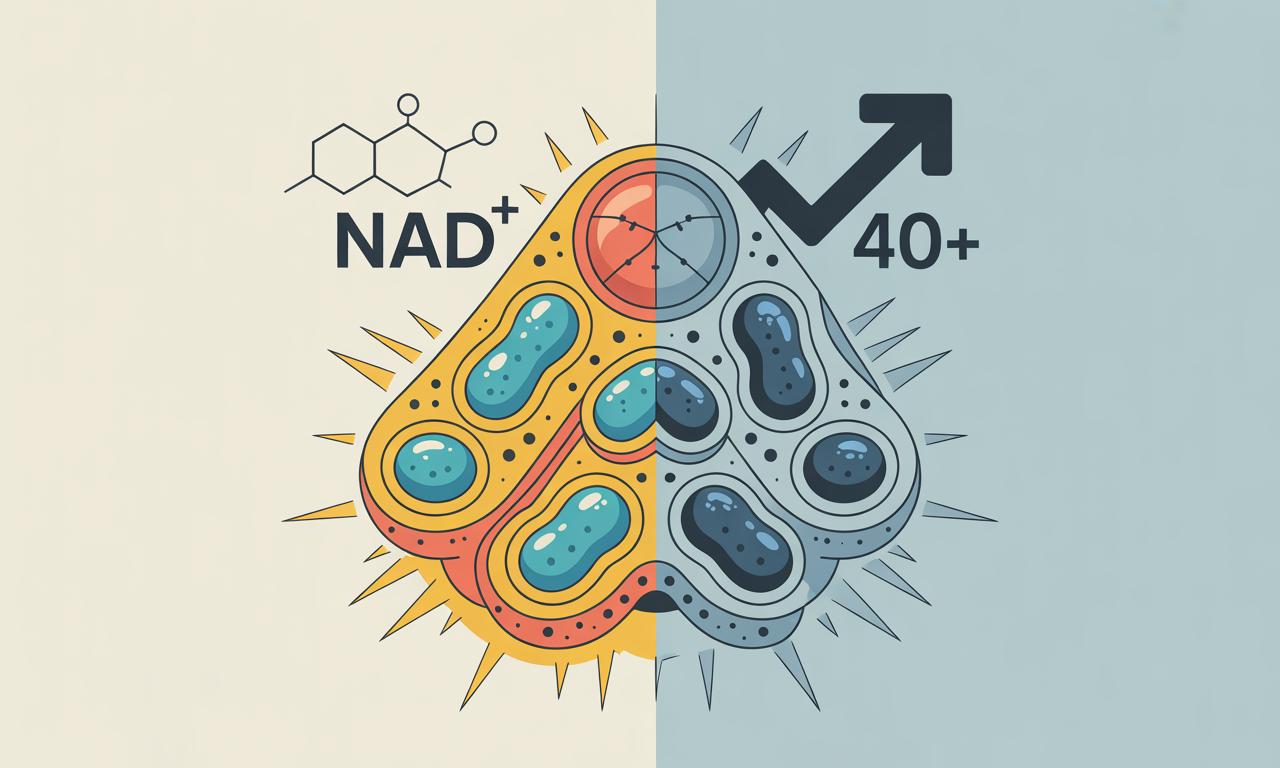
Your cellular powerhouses start dimming around age 40, and the culprit isn’t just poor sleep or stress. The real troublemaker is NAD plus decline after 40, a metabolic shift that drains your vitality at the molecular level.
This essential coenzyme drops by 50% or more as you age, sabotaging everything from energy production to DNA repair.
Understanding this decline and implementing science-backed countermeasures can help you reclaim the vigor you thought was gone forever.
Understanding the NAD Crisis
Nicotinamide adenine dinucleotide isn’t just another supplement buzzword. It’s the metabolic workhorse that powers over 500 enzymatic reactions in your body. Every cell depends on this coenzyme to convert food into usable energy, repair damaged DNA, and communicate between your nucleus and mitochondria.
Research shows that NAD plus decline after 40 accelerates dramatically. Studies tracking human tissue samples found NAD levels plummet by 80-90% between young adults (20-40 years) and elderly individuals (60+ years). Your skin loses over 50% of its NAD content during adult aging.
Why This Matters Now
The metabolic consequences hit hard and fast. Lower NAD means your mitochondria struggle to produce ATP, the energy currency driving every cellular process. Your sirtuins, the longevity enzymes protecting against age-related diseases, become sluggish without adequate NAD.
DNA damage accumulates faster when NAD-dependent repair enzymes can’t keep pace. Male subjects show particularly steep NAD declines, with strong negative correlations between age and NAD levels (r = -0.706). This isn’t just about feeling tired—it’s cellular deterioration at work.
The Metabolic Domino Effect
When NAD drops, your PARP enzymes hyperactivate in response to oxidative DNA damage. This creates a vicious cycle where PARP consumes remaining NAD stores to fix genetic lesions, depleting the very resource needed for energy production. Meanwhile, CD38 enzymes, which increase with inflammation and aging, devour NAD at alarming rates.
Your NAD/NADH ratio shifts toward a more reduced state, signaling metabolic dysfunction. Blood samples from aged individuals reveal this redox imbalance correlates with decreased cellular resilience. The oxidative stress, impaired energy metabolism, and diminished cellular repair create a perfect storm of biological aging.
Strategic Supplementation Protocols
NAD precursors bypass the rate-limiting steps that slow natural biosynthesis. These compounds provide building blocks your cells can rapidly convert into functional NAD, restoring depleted stores without requiring complex enzymatic pathways.
Nicotinamide Riboside Advantages
NR stands as the most researched NAD precursor for human use. Clinical trials demonstrate doses from 100-3000mg daily significantly elevate blood NAD levels. A recent safety study using 3000mg daily for 30 days showed a remarkable 3.7-fold increase in whole blood NAD (range 1.8-5.8-fold) without severe adverse effects.
The compound works by entering cells and converting directly to nicotinamide mononucleotide (NMN), then to NAD through NMNAT enzymes. This pathway proves more efficient than standard niacin, which causes uncomfortable flushing and requires more metabolic steps.
NMN: The Direct Approach
Nicotinamide mononucleotide sits one enzymatic step closer to NAD than NR. Some researchers theorize this proximity makes NMN more potent, though human trials remain less extensive than NR studies. Doses typically range from 250-1000mg daily.
The key advantage is rapid cellular uptake. NMN may enter cells through specific transporters, potentially offering faster NAD restoration during acute metabolic stress.
Timing and Dosage Optimization
Take NAD precursors in the morning to align with your circadian NAD rhythms. Your body’s NAD levels naturally fluctuate throughout the day, peaking during active hours. Split larger doses (1000mg+) into morning and early afternoon servings to maintain steady blood concentrations.
Start conservatively at 250-500mg and increase gradually over 2-4 weeks. Monitor your response through energy levels, sleep quality, and recovery capacity. Combining precursors with methylation support (B vitamins, TMG) prevents methyl donor depletion during extended use.
Metabolic Activation Through Exercise
Physical exertion triggers powerful NAD-boosting mechanisms that supplementation alone can’t replicate. Movement activates AMPK, your cellular energy sensor, which directly upregulates the enzymes responsible for NAD biosynthesis. This metabolic stress response is hormetic—a beneficial adaptation to controlled cellular challenge.
High-Intensity Interval Training
HIIT protocols create metabolic perturbations that force rapid NAD turnover and regeneration. Short bursts of maximum effort (30-60 seconds) followed by active recovery periods trigger AMPK activation more effectively than steady-state cardio. This cellular “starvation signal” prompts your body to increase NAD production capacity.
Three to four HIIT sessions weekly can significantly impact NAD metabolism. The key is achieving genuine intensity—working at 85-95% of maximum heart rate during work intervals. This depletes ATP stores sufficiently to activate the salvage pathways that recycle nicotinamide back into NAD.
Resistance Training Benefits
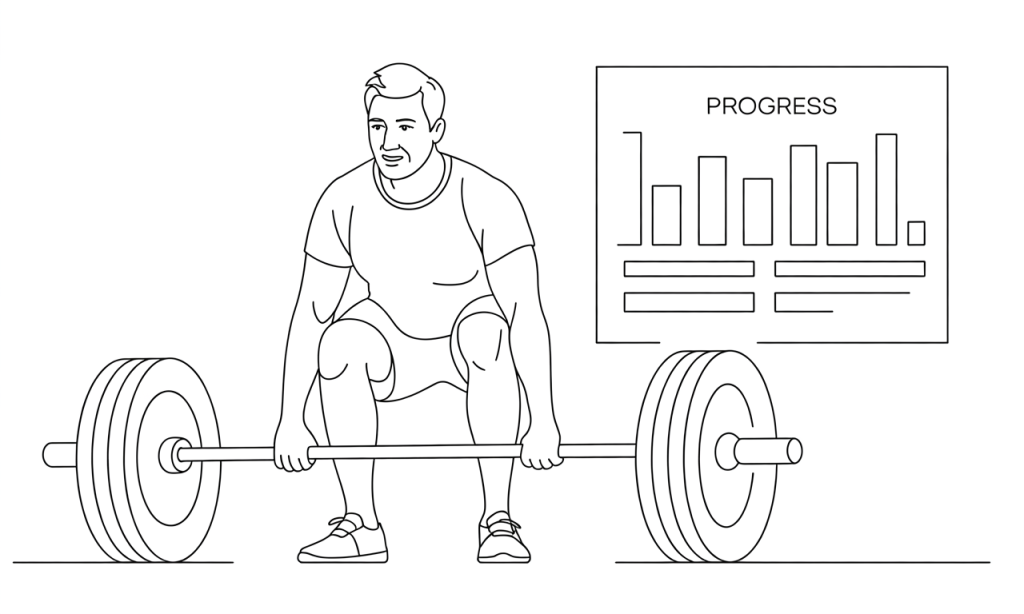
Strength training provides unique NAD advantages through muscle tissue remodeling. Lifting triggers mitochondrial biogenesis—the creation of new cellular powerhouses that require abundant NAD for proper function. Progressive overload, where you gradually increase weight or repetitions, maintains the metabolic stimulus necessary for sustained NAD production.
Compound movements like squats, deadlifts, and presses recruit maximum muscle mass, creating greater metabolic demand. Aim for 3-5 sets of 6-12 repetitions with sufficient load to challenge your muscles significantly.
Recovery and Adaptation
The NAD boost happens during recovery, not during the workout itself. Your cells repair micro-damage and build new mitochondria in the 24-72 hours post-exercise. Adequate sleep, protein intake (1.6-2.2g per kg bodyweight), and strategic rest days allow the NAD-producing machinery to upregulate fully.
Overtraining depletes NAD through excessive oxidative stress and cortisol elevation. Balance intense sessions with active recovery like walking, yoga, or swimming to maintain the hormetic sweet spot.
Nutritional Timing and Fasting
When you eat exerts profound influence on NAD metabolism, often surpassing the impact of what you eat. Time-restricted eating and periodic calorie restriction activate ancient cellular pathways that treat temporary nutrient scarcity as a signal to enhance metabolic efficiency and survival mechanisms.
Intermittent Fasting Mechanisms
Restricting your eating window to 8-10 hours daily creates a metabolic environment favoring NAD production. The fasting period activates AMPK, which directly stimulates NAMPT—the rate-limiting enzyme in the NAD salvage pathway. This recycling process converts nicotinamide back into NAD more efficiently than building it from scratch.
A 2019 Cell Metabolism study demonstrated caloric restriction increases NAD levels across multiple tissues while enhancing sirtuin activity, particularly SIRT3. This mitochondrial sirtuin orchestrates cellular energy metabolism and protects against oxidative damage. The key is consistency—intermittent fasting works best when practiced 5-7 days weekly.
Circadian Rhythm Alignment
Your NAD levels fluctuate naturally with your biological clock, peaking during active daytime hours. Eating only during daylight hours aligns nutrient intake with periods of maximum NAD biosynthesis capacity. This circadian synchronization enhances the conversion efficiency of NAD precursors from food.
Skip late-night eating, which disrupts the NAD-sirtuin-circadian feedback loop. Studies show irregular eating patterns fragment sleep architecture and impair NAD-dependent circadian reprogramming. Finish your last meal 3-4 hours before bedtime to allow overnight fasting to work its metabolic magic.
Calorie Restriction Without Malnutrition
Reducing daily calories by 20-30% while maintaining nutrient density produces robust NAD elevation. The metabolic “stress” signals cells to shift from growth mode to maintenance and repair mode. This activates longevity pathways including sirtuins, AMPK, and autophagy—all NAD-dependent processes.
Focus on nutrient-dense whole foods during eating windows. Vegetables, lean proteins, healthy fats, and moderate complex carbohydrates provide NAD precursors (tryptophan, nicotinic acid) while avoiding the insulin spikes that suppress fat-burning and metabolic flexibility. Quality trumps quantity.
Autophagy Activation
Extended fasting periods (16-18 hours) trigger autophagy, your cellular recycling program. This process breaks down damaged cellular components, including dysfunctional mitochondria, and recycles their building blocks. The cleanup creates metabolic efficiency gains that reduce NAD consumption while increasing production capacity.
Combine intermittent fasting with one 24-hour fast monthly for deeper autophagy activation. Stay well-hydrated with water, black coffee, or green tea during fasting windows. The polyphenols in coffee and tea provide additional support for NAD-dependent enzymes.
Thermogenic Stress Response
Controlled exposure to temperature extremes activates adaptive stress pathways that boost NAD through hormesis. Both heat and cold challenge cellular homeostasis, triggering protective responses that enhance metabolic resilience and increase NAD biosynthesis.
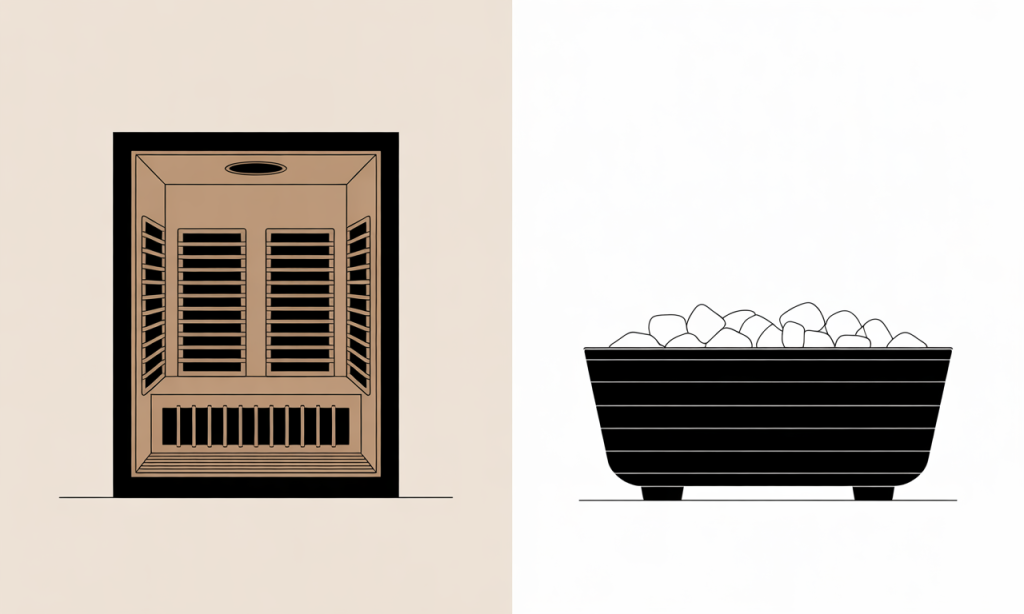
Sauna Protocol Benefits
Regular sauna use elevates NAD levels by activating heat shock proteins (HSPs). These molecular chaperones increase the NAD+/NADH ratio while protecting cellular structures from thermal damage. The elevated temperatures (163-212°F) create beneficial metabolic stress that upregulates protective mechanisms.
Studies examining HGH and NAD responses found that two 20-minute sauna sessions at 176°F or one 30-minute session at 163°F produce measurable benefits. Infrared saunas may offer particular advantages by penetrating tissues more deeply and stimulating mitochondrial function directly.
Heat Shock Protein Induction
HSPs maintain protein structure and support NAD recycling pathways under stress. Heat exposure triggers genetic expression of these protective molecules, creating lasting metabolic improvements that persist between sauna sessions. The adaptation builds cellular resilience against oxidative stress and inflammation.
The heat also improves circulation by causing vasodilation. Enhanced blood flow delivers oxygen and nutrients more efficiently while removing metabolic waste products that could otherwise impair NAD production.
Cold Exposure Tactics
Cold thermogenesis through ice baths, cold showers, or cryotherapy sessions activates complementary stress pathways. The cold triggers hormetic responses that increase NAD production and enhance mitochondrial resilience. Start with 30-60 seconds of cold water at shower end and progressively extend duration.
Brown adipose tissue (BAT) activation during cold exposure dramatically increases metabolic rate and NAD turnover. This specialized fat tissue burns calories to generate heat, requiring abundant NAD for the metabolic reactions driving thermogenesis. Regular cold exposure increases BAT volume and activity.
Implementation Strategy
Alternate heat and cold exposure or use them on different days based on preference and recovery needs. Post-workout sauna sessions may enhance recovery and adaptation. Morning cold exposure can boost alertness and metabolic rate for the day ahead.
Aim for 3-4 sauna sessions weekly and 5-7 cold exposures. Always prioritize safety—start conservatively, stay hydrated, and avoid extreme protocols if you have cardiovascular conditions. The goal is beneficial stress, not dangerous extremes.
Sleep Optimization for NAD Production
Sleep isn’t merely rest—it’s when your body performs critical NAD-dependent maintenance. The circadian fluctuation of NAD levels directly controls your sleep-wake cycles, while sleep quality determines how effectively your cells replenish NAD stores overnight.
Circadian NAD Rhythms
NAD levels oscillate in a 24-hour pattern controlled by your master clock genes. Research in Molecular Cell reveals that NAD controls circadian reprogramming, and decreases in NAD levels associate strongly with circadian and sleep-wake disruptions. This bidirectional relationship means poor sleep depletes NAD, while low NAD fragments sleep quality.
Your body produces peak NAD during late morning through afternoon, supporting high metabolic activity. Levels decline toward evening, signaling cellular systems to shift toward repair and maintenance modes. Respecting this natural rhythm through consistent sleep-wake timing reinforces the NAD-circadian feedback loop.
Sirtuin Sleep Connection
Sirtuins require NAD as a cofactor to function, and these longevity enzymes play essential roles in regulating your biological clock. When NAD drops due to age or lifestyle factors, sirtuin activity declines, causing irregularities in circadian timing that manifest as sleep disturbances.
Maintaining optimal NAD through supplementation and lifestyle interventions may boost sirtuin function, thereby restoring balance to circadian rhythms and improving sleep quality substantially. The SIRT1 enzyme particularly influences the expression of clock genes that govern sleep-wake cycles.
Sleep Hygiene Essentials
Protect your NAD-sleep relationship through evidence-based sleep practices. Maintain consistent bed and wake times within 30 minutes daily, including weekends. This regularity entrains your circadian system and optimizes the NAD production-consumption cycle.
Create complete darkness in your bedroom, blocking all light sources that could suppress melatonin production. Cool room temperatures (65-68°F) support natural core body temperature decline necessary for sleep onset. These environmental factors work synergistically with NAD-dependent circadian mechanisms.
Blue Light Management
Artificial blue light exposure after sunset disrupts the NAD-circadian-sleep axis. Blue wavelengths suppress melatonin and confuse your master clock about the time of day. Use blue-blocking glasses 2-3 hours before bed or enable night mode on electronic devices.
Morning sunlight exposure provides the opposite benefit—it reinforces circadian timing and may support NAD production through vitamin D synthesis and direct cellular signaling. Spend 10-20 minutes outdoors within an hour of waking for maximum circadian entrainment.
Recovery and Consolidation
Deep sleep stages are when your body performs the most intensive NAD-dependent cellular repair. DNA damage repair, mitochondrial quality control, and protein turnover all require abundant NAD and peak during deep non-REM sleep. Fragmented or insufficient sleep curtails these restoration processes, accelerating NAD depletion.
Aim for 7-9 hours nightly, prioritizing sleep consistency over duration. Quality metrics matter more than simple hours in bed. Track wake episodes, time to fall asleep, and subjective restoration to assess your sleep effectiveness.
Inflammation Control Strategies
Chronic inflammation acts as a NAD vampire, draining your cellular reserves through multiple mechanisms. The enzyme CD38 increases dramatically during inflammatory states and aging, consuming NAD at rates that overwhelm your biosynthesis capacity.
The CD38 Connection
CD38 functions as a NADase—an enzyme that degrades NAD. Inflammatory conditions dramatically upregulate CD38 expression in immune cells, creating a metabolic sink that depletes NAD throughout your body. Studies on gout inflammation reveal that CD38 activity correlates directly with disease severity and NAD depletion.
Research demonstrates that CD38 knockout mice maintain higher NAD levels and show suppressed inflammatory responses compared to normal mice. While genetic deletion isn’t an option for humans, this finding highlights how critical CD38 control is for preserving NAD stores during aging.
Anti-Inflammatory Nutrition
Specific nutrients can inhibit CD38 activity or reduce inflammation that triggers CD38 upregulation. Apigenin, a flavonoid found in parsley, celery, and chamomile, shows promise as a CD38 inhibitor in laboratory studies. While human trials are limited, including these foods in your diet provides potential CD38-blocking benefits alongside general anti-inflammatory effects.
Omega-3 fatty acids from fish, flaxseed, and walnuts reduce systemic inflammation through multiple pathways. Aim for 2-3g daily of EPA and DHA combined. These essential fats modulate inflammatory signaling cascades that would otherwise trigger NAD consumption.
Stress Management Impact
Chronic psychological stress elevates cortisol and inflammatory cytokines, both driving increased CD38 expression and NAD depletion. Implementing evidence-based stress reduction techniques protects your NAD stores indirectly by dampening inflammatory signaling.
Meditation, breathwork, and mindfulness practices measurably reduce inflammatory markers in controlled studies. Even 10-15 minutes daily of focused breathing or meditation can lower cortisol and decrease the inflammatory burden that depletes NAD. The key is consistency rather than duration.
Gut Health Foundation
Your gut microbiome profoundly influences systemic inflammation levels. Dysbiosis—microbial imbalance—triggers inflammatory responses that elevate CD38 and drain NAD. Support optimal gut health through fermented foods (kimchi, sauerkraut, kefir), prebiotic fiber (onions, garlic, asparagus), and probiotic supplementation.
Gut barrier integrity matters too. A “leaky gut” allows bacterial endotoxins into circulation, triggering widespread inflammation. Support barrier function with L-glutamine, zinc, and collagen peptides. This foundational approach prevents the inflammatory cascade that depletes NAD at the cellular level.
Exercise and Inflammation Balance
While acute exercise creates temporary inflammation, regular training reduces chronic inflammatory markers. The key is avoiding overtraining, which generates excessive oxidative stress and depletes NAD faster than your recovery mechanisms can replenish it.
Monitor training volume and intensity to stay in the adaptive zone. Persistent muscle soreness, declining performance, mood changes, and poor sleep signal excessive inflammatory stress. Scale back training when these symptoms appear to protect NAD stores and allow recovery adaptations to occur.
Frequently Asked Questions
What causes NAD plus decline after 40 in the body?
Multiple factors drive the NAD plus decline after 40, including increased activity of NAD-consuming enzymes like CD38 and PARP, reduced expression of NAMPT (the rate-limiting enzyme in NAD biosynthesis), and accumulating oxidative damage that depletes NAD stores faster than they can be replenished. Chronic inflammation associated with aging further accelerates NAD consumption through CD38 upregulation.
Men experience particularly steep declines, with studies showing NAD levels dropping 50-90% between ages 20-40 and those over 60. This decline impacts energy production, DNA repair capacity, and overall cellular function.
How quickly do NAD boosters increase levels?
NR and NMN supplements can elevate blood NAD levels within hours of ingestion, with peak increases occurring at 8-24 hours post-dose. A clinical trial using 3000mg NR daily showed a 3.7-fold increase in whole blood NAD after 30 days of supplementation.
However, tissue-specific responses vary—some organs may take weeks to show significant NAD elevation. Consistent daily supplementation produces the most reliable results for maintaining elevated NAD throughout your body.
Can you reverse aging by increasing NAD levels?
While NAD restoration cannot fully reverse aging, it can improve multiple aging-related biomarkers and enhance healthspan. Studies show NAD boosting enhances mitochondrial function, improves metabolic markers, supports DNA repair mechanisms, and may reduce some age-related functional declines.
Think of NAD optimization as maintaining your cellular infrastructure rather than turning back time. The goal is preserving function and preventing age-accelerating damage rather than achieving biological age reversal.
What foods naturally contain NAD precursors?
Tryptophan-rich foods like turkey, chicken, eggs, and dairy provide raw materials for the de novo NAD synthesis pathway, though this route is less efficient than supplementation. Nicotinic acid (niacin) appears in fish, beef, peanuts, and mushrooms, offering another precursor option.
Small amounts of NR occur naturally in cow’s milk, with trace quantities in other dairy products. However, dietary sources provide insufficient quantities to significantly impact NAD levels in aging adults, making supplementation more practical for therapeutic effects.
Is NMN or NR better for NAD restoration?
Current human clinical evidence favors NR due to more extensive safety and efficacy studies, with doses up to 3000mg daily showing excellent tolerability and significant NAD elevation. NMN sits one metabolic step closer to NAD, theoretically offering faster conversion, but lacks equivalent human trial data.
Both compounds effectively raise NAD levels when absorbed properly. Choose based on availability, cost, and personal response. Some individuals report better subjective effects with one versus the other, suggesting individual variability in metabolism.
How does exercise increase NAD production?
Physical activity activates AMPK, your cellular energy sensor, which directly upregulates NAMPT—the enzyme controlling the rate-limiting step in NAD biosynthesis. Exercise also triggers mitochondrial biogenesis, creating new cellular powerhouses that require abundant NAD for optimal function.
The metabolic stress from training depletes ATP and NAD temporarily, signaling your cells to increase production capacity during recovery. This hormetic adaptation makes your NAD-producing machinery more efficient over time with consistent training.
Does fasting really boost NAD levels?
Yes, time-restricted eating and periodic calorie restriction activate the NAD salvage pathway through AMPK activation and increased NAMPT expression. A 2019 Cell Metabolism study confirmed that caloric restriction increases NAD across multiple tissues while enhancing sirtuin activity, particularly the longevity-promoting SIRT3 enzyme.
The fasting period creates a metabolic environment that favors NAD recycling over consumption. Consistency matters more than extreme duration—daily 16-hour fasts typically provide more sustainable benefits than sporadic longer fasts.
Can NAD supplementation improve sleep quality?
Research indicates NAD plays a fundamental role in regulating circadian rhythms, and maintaining optimal levels can improve sleep efficiency and architecture. NAD controls the activity of sirtuins that regulate clock genes governing sleep-wake cycles.
Studies show decreases in NAD levels correlate with circadian and sleep-wake disruptions. While direct evidence of NAD supplementation improving human sleep remains limited, the mechanistic connection through sirtuin-circadian pathways suggests potential benefits, particularly for those with age-related sleep deterioration.
What are the side effects of NAD boosters?
Clinical trials of NR at doses up to 3000mg daily for 30 days reported no moderate or severe adverse events. Some participants experience mild flushing, nausea, or digestive discomfort, typically resolving with dose adjustment or taking supplements with food.
A slight initial rise in homocysteine levels has been observed with high-dose NR, though methyl donor pools remained intact. Adding TMG (trimethylglycine) or B vitamins can support methylation during extended supplementation to prevent potential depletion.
How long does it take to feel effects from NAD supplementation?
Subjective improvements in energy and mental clarity often emerge within 1-2 weeks of consistent supplementation at therapeutic doses (500-1000mg daily). However, deeper metabolic adaptations including improved mitochondrial function and enhanced cellular repair may require 4-8 weeks to become fully apparent.
Individual responses vary based on baseline NAD levels, age, metabolic health, and lifestyle factors. Tracking objective metrics like exercise performance, sleep quality scores, and recovery time provides better assessment than subjective feelings alone during the initial supplementation period.
Reclaiming Your Cellular Power
The NAD plus decline after 40 isn’t inevitable cellular decay—it’s a modifiable biological process. By implementing strategic supplementation, metabolic activation through exercise, nutritional timing, thermogenic stress, quality sleep, and inflammation control, you create a comprehensive protocol that addresses NAD depletion from multiple angles. These evidence-based interventions work synergistically, producing effects greater than any single strategy alone.
Start with one or two approaches that fit most naturally into your current lifestyle, then progressively add additional strategies as they become habitual. Consistency trumps perfection in longevity protocols. Your cells respond to sustained signals rather than sporadic efforts.
The research is clear—NAD restoration represents one of the most promising interventions for extending healthspan and maintaining vitality beyond midlife. Take action today to protect your cellular powerhouses and preserve the energy, resilience, and repair capacity that define vibrant aging.