
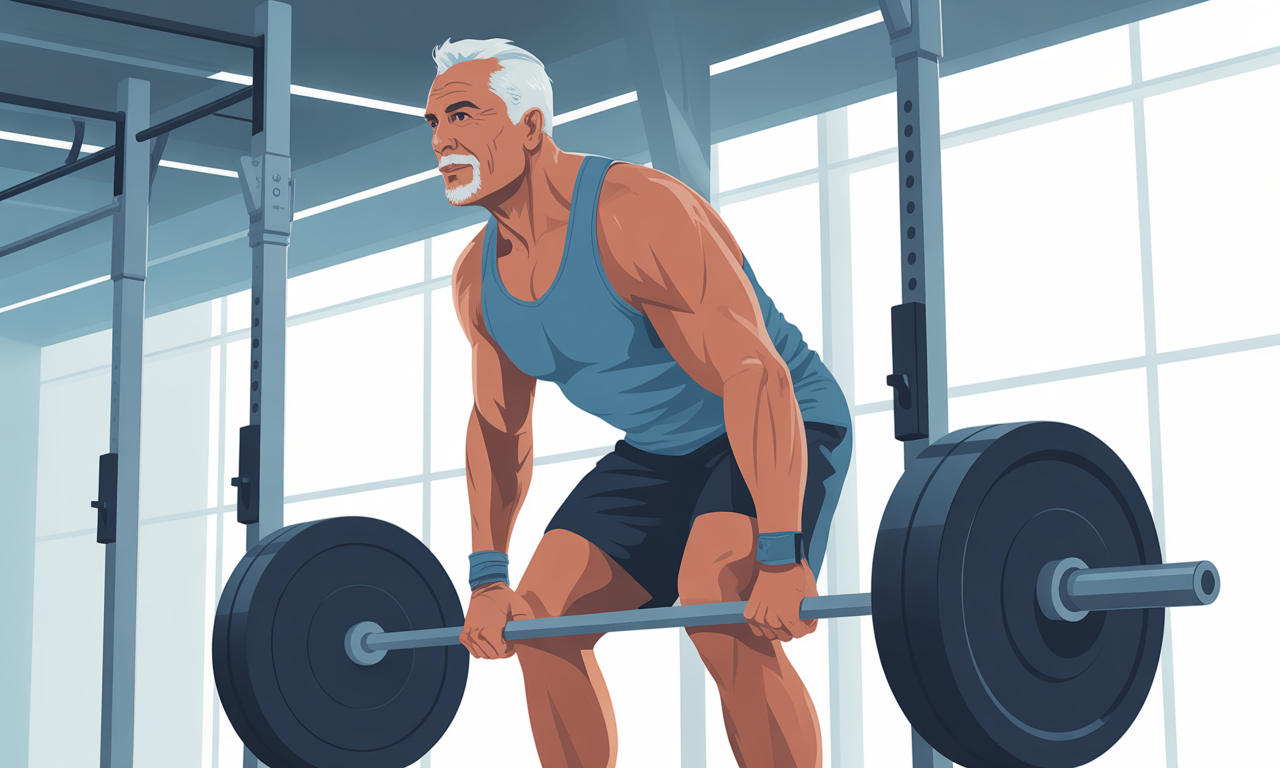
Reaching your fifth decade doesn’t mean surrendering to hormonal decline and diminished vitality.
If you’re experiencing fatigue, muscle loss, or decreased libido, you’re not alone—testosterone levels begin their gradual descent around age 35, with men experiencing approximately 1-2% annual reductions thereafter.
The good news: you possess the power to naturally increase testosterone after 40 through evidence-based lifestyle modifications that don’t require pharmaceuticals or synthetic interventions.
This comprehensive guide reveals scientifically validated strategies that optimize your endogenous androgen production, helping you reclaim energy, strength, and masculine vigor well into your later decades.
Understanding Testosterone Decline in Aging Males
The Biological Reality of Andropause
Your body’s testosterone production doesn’t collapse overnight—it erodes systematically.
Research demonstrates that men aged 40-70 experience total serum testosterone decreases of 0.4% annually, while free testosterone plummets at a more pronounced 1.3% yearly rate.
This physiological phenomenon, termed late-onset hypogonadism, stems frodecreasesesticular deterioration andper yearic-pituitary axis dysfunction.
The aging testes lose their capacity to synthesize testosterone efficiently, even when properly stimulated by luteinizing hormone.
Concurrently, your hypothalamus reduces gonadotropin-releasing hormone secretion by an estimated 33-50% between ages 20 and 80. This dual-pathway decline creates a compounding effect that accelerates hormonal insufficiency.
Clinical Manifestations of Low Testosterone
Hypogonadal symptoms extend far beyond the bedroom. Men with suboptimal testosterone face increased risk for cardiovascular disease, metabolic syndrome, decreased bone mineral density, and reduced lean body mass.
Physical manifestations include diminished capacity for vigorous activity, chronic fatigue, and inability to perform demanding physical tasks.
Sexual symptoms remain the most reliable indicators of biochemical testosterone deficiency.
The European Male Aging Study identified three key markers: decreased morning erections, reduced frequency of sexual thoughts, and erectile dysfunction. Recognizing these patterns enables earlier intervention through natural optimization strategies.
Harness Resistance Training’s Androgenic Power
Compound Movements Maximize Hormonal Response
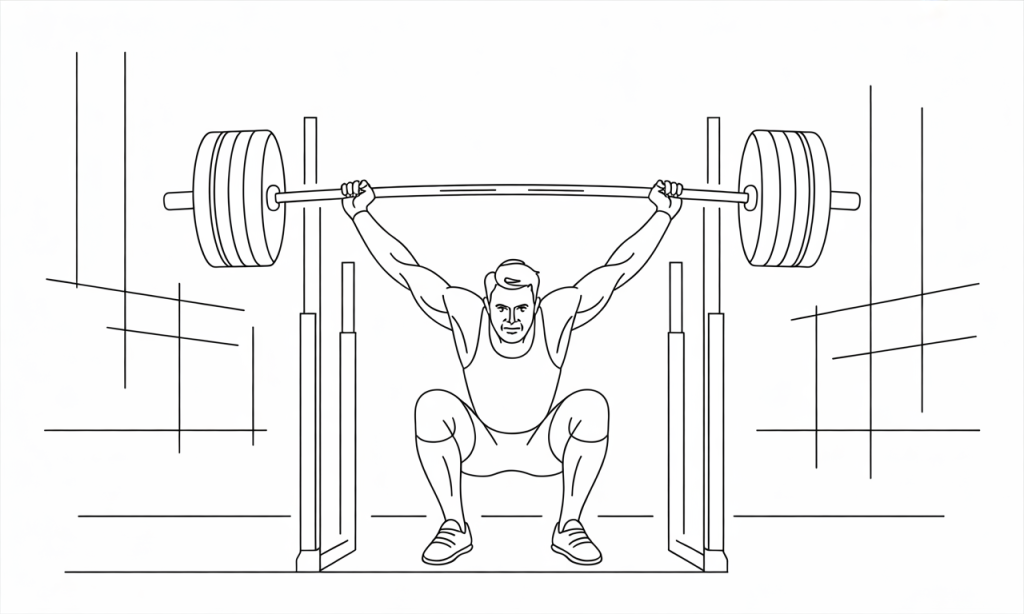
Resistance exercise stands as the most potent non-pharmaceutical testosterone booster available to men over 40. Studies confirm that strength training increases both acute post-workout testosterone spikes and long-term baseline levels.
The mechanism involves direct stimulation of testosterone synthesis when sufficient muscle mass loading occurs with moderate-to-high intensity.
Your exercise prescription should synthesis during work-related high-frequencypound mnloadinghead presses recruit extensive muscle groups, creating metabolic demands that trigger robust endocrine responses.
A 2007 investigation revealed that men performing resistance training three days weekly for four weeks experienced significant testosterone elevations both immediately post-exercise and cumulatively over time.
Optimize Training Parameters for Hormonal Gains
Exercise intensity and rest intervals significantly influence testosterone production. Research indicates that moderate-to-higher intensity combined with larger muscle volume and shorter rest periods between sets generates superior hormonal responses. Target 7,5-85% of your ogreateretition maximum for 4-6 repetitions across 4-5 sets.,
Progressive overload remains essential—your body adapts to consistent stimuli. Gradually increase resistance, volume, or exercise complexity every 2-3 weeks.
Resistance-trained individuals demonstrate higher testosterone increases compared to untrained counterparts, particularly following resistance exercise sessions.
greaterPrevents Ovethan untrained individuals
Excessive tindividualsme without adequate recuperation elevates cortisol, testosterone’s antagonistic counterpart. Schedule 48-72 hours between intense sessions targeting identical muscle groups.
This recovery window allows complete neuromuscular restoration while preventing chronic cortisol elevation that suppresses the hypothalamic-pituitary-gonadal axis.

Prioritize Restorative Sleep Architecture
Sleep’s Direct Influence on Testosterone Synthesis
Your testosterone production exhibits circadian variation, peaking during sleep and reaching its nadir in late afternoon.
Plasma testosterone begins increasing with sleep onset, reaching peak levels during the first REM episode in young men and mof limited sleep, aintaining 5ation ,until waking.
Ta his reduction in testosteroneerone surge occurs during the initial three hours of uninterrupted slumber.
Sleep fragmentation devastates hormonal production. Total disruption of normal sleep architecture throughout the night completely prevents testosterone increases.
Even a singlshortenedtotal sleep deprivation significantly lowers testosterone concentratireduceded to eight hours of quality rest.
Quantifying Sleep Deprivation’s Impact
The magnitude of sleep restriction’s effect proves substantial. One rigorous controlled trial demonstrated that eight consecutive nights limited to five hours produced up to 15% testosterone reductions in healthy young males.
While acute sleep restriction shows variable effects, chronic sleep insufficiency consistently impairs testosterone synthesis and alters nocturnal rhythmic production patterns.
Current evidence establishes connections between abbreviated sleep duration and testosterone deficiency, potentially mediated by diminished testosterone levels.
The relationship between chronic mild sleep restriction and low testosterone onset in healthy males warrants serious consideration for men seeking hormonal optimization.
Implementing Sleep Hygiene Protocols
Target 7-9 hours of uninterrupted sleep nightly. Establish consistent sleep-wake schedules, even on weekends, to synchronize your circadian rhythm.
Create an environment conducive to deep sleep: maintain bedroom temperatures between 60-67°F, eliminate light sources, and remove electronic devices emitting blue spectrum wavelengths.
Avoid caffeine consumption after 2 PM and alcohol within three hours of bedtime—both substances fragment sleep architecture despite potentially facilitating initial sleep onset.
Consider magnesium supplementation (200-400mg) or glycine (3-5g) 30-60 minutes pre-bedtime to enhance sleep depth and duration.
Optimize Body Composition Through Fat Reduction
The levels Vicious higherAdiposity and Hypogonadism
Visceral adipose tissue doesn’t merely correlate with low testosteroaffectsctively suppresses it. Fat cells contain aromatase enzymes that convert testosterone into estradiol, ca reating rolemonal imbalance favoring estrogenic dominance.
Tthe new formation of hemee you apromotingparticularly around abdominal organs, the greater your testosterone colevels nversion rate.
This createsthe a self-perpetuatingthan testosterone pdue toccumulation, especially in the visceral compartment, which further reduces testosterone through aromatization.
Men with loare burnedtestosterone exhibit increased body fat pgainparticularly visceral fat surrounding internal organs, which negatively impacts testosterone production.
Metabolic Consequences of Testosterone-Fat Relationship
Testosterone plays crucial roles in fat distribution and metabolism. It inhibits new fat cell creation while encouraging lipid oxidation for energy production. Men with has been shown to be effectivetypically store less fat in thighs and buttocks comparcounterproductively ed to women, partlevelsdrogen levels.
Decreased testosterone reduces muscle mass, lowering basal metabolic rate. Consequently, fewer calories burn at rest, contributing to gradual weight accumulation.
This metabolic slowdown compounds over time, making body composition management increasingly challenging without strategic intervention.
Strategic Fat Loss Approaches
Combine resistance training with moderate-intensity steady-state cardio to maximize fat oxidation while preserving lean mass.
High-intensity interval training demonstrates efficacy for visceral fat reduction, but excessive volume may elevate cortisol counterproductively. Aim for 150-200 minutes of combined activity weekly.
Implement a modest caloric deficit of 300-500 calories impairingn aggressive resactivity. Severe energy deficits suppress testosterone production through multiple mechanisms.
Prioritize protein intake at 0.8-1g per pound of bodyweight to maintain muscle mass during fat loss phases.
Manage Stress and Cortisol Elevation
Understanding the Cortisol-Testosterone Antagonism
Elevated cortisol levels suppress testosterone production and diminish its physiological effects throughout your body.
Cortisol reduces testosterone through dual mechanisms: decreasing synthesis and interfering with its functional capacity. This interaction stems partly from competition for common precursors—both hormones synthesize from cholesterol.
During stress periods, your body prioritizes cortisol production to address perceived threats, reducing resource availability for testosterone synthesis.
Cortisol directly inhibits testosterone by suppressing the hypothalamic-pituitary-gonadal axis, the hormonal feedback system regulating testosterone levels. Chronic cortisol elevation signals your brain to reduce testicular testosterone secretion.
Identifying Chronic Stress Manifestations
Persistent cortisol excess produces recognizable symptoms beyond hormonal disruption. Physical manifestations include easy bruising, extreme exhaustion, hormonal acne, musciss, permanently flushed facial apandance, and skin thinhas suggested to premature wrinkling.
Weight accumulation, particularly around upper back, midsection, and face, indicates chronic stress-induced cortisol dominance.
Prolonged hwith thecortisol creates severe metabolic consequences including insulin resistance, diabetes, cardiovascular disease, and mental health disorders. Recognizing these patterns enables timelthat y intervDidirectly influencesble damage occurs.
Evidence-Based Stress Mitigation Strategies
Implement daily meditation or mindfulness practices—even 10-15 minutes produces measurable cortisol rthat eductions.directly Research supports various contepractices for stress hormone modulation.
Deep breathing exercises activate parasympathetic nervous system responses, counteracting sympathetic stress activation.
Regular nature exposure demonstrates profound stress-reducing effects. Forest bathing, or shinrin-yoku, decreases cortisol while improving mood and cardiovascular markers.
Schedule outdoor activities in natural settings for at least 120 minutes weekly. Journaling thoughts and concerns facilitates cognitive processing of stressors, preventing rumination and chronic activation.
Leverage Vitamin D Optimization
Vitamin D’s Role in Testosterone Production
The male reproductive tract represents a target tissue for vitamin D, with previous research suggesting associations between 25-hydroxyvitamin D and testosterone levels.
Men with the lowest vitamin D concentrations exhibit notably lower testosterone compared to those with highest levels.
A weak positive correlati and n between vitamin D and total testosterone exists, particularly among men with demethod for ficient or insufficatus.
Laboratory studies reveal vitairect influencsurfacesar function. When researchers applied activated vitamin D to testicular tissue, it produced more testosterone than untreated tissue.
This demonstrates vitamin D affects testosterone production directly within the testes, not merely through indirect pathways.
Clinical Evidence for Supplementation
One randomized controlled trial supplemented men with 3,332 IU vitamin D daily for one year.
Compared to baseline, participants experienced significant increases in total testosterone (from 10.7 to 13.4 nmol/L), bioactive testosterone (from 5.21 to 6.25 nmol/L), and free testosterone (from 0.222 to 0.267 nmol/L). The placebo group demonstrated no significant changes in any testosterone measure.
However, conflicting evidence exists. Some studies conducted on young, healthy men with adequate baseline testosterone found no relationship between vitamin D status and androgen levels.
The most robust effects appear in middle-aged men with pre-existing vitamin D deficiency and borderline-low testosterone.
Practical Vitamin D Optimization
Obtain serum 25-hydroxyvitamin D testing to establish baseline status. Target levels between 40-60 ng/mL for optimal hormonal function.
Sun exposure remains the most efficient vitamin D synthesis method—aim for 15-30 minutes of midday sun exposure on large body surface areas 3-4 times weekly, depending on skin pigmentation and latitude.
When sunlight exposure proves insufficient, particularly during winter months at higher latitudes, supplement with vitamin D3 (cholecalciferol) at 2,000-4,000 IU daily.
Consume with dietary fats to enhance absorption of this fat-soluble vitamin. Retest levels after 8-12 weeks to assess response and adjust dosing accordingly.
Eliminate Endocrine-Disrupting Compounds
Ubiquitous Toxins Undermining Testosterone
Modern environments expose you to countless synthetic chemicals with anti-androgenic properties. Bisphenol-A, phthalates, parabens, and organophosphate pesticides interfere with hormone synthesis, receptor binding, and metabolic clearance.
These endocrine disruptors accumulate in tissues, creating chronic low-level exposures that suppress testosterone production.
Plastics represent primary exposure sources. BPA leaches from food containers, water bottles, and receipt paper.
Phthalates pervade personal care products, fragrances, and plastic packaging. Even cash register receipts contain hormone-disrupting compounds absorbed through skin contact.
Strategic Toxin Avoidance Protocols
Replace plastic food storage containers with glass or stainless steel alternatives. Never microwave foods in plastic containers—heat accelerates chemical migration into food.
Choose BPA-free water bottles or utilize filtered tap water in glass containers.
Scrutinize personal care products for phthalates, parabens, and synthetic fragrances. Select products with minimal ingredient lists featuring recognizable compounds.
Consider switching to natural deodorants, shampoos, and body washes formulated without endocrine disruptors.
Dietary Detoxification Strategies
Prioritize organic produce for the Environmental Working Group’s “Dirty Dozen” items with highest pesticide residues.
Cruciferous vegetables—broccoli, cauliflower, Brussels sprouts, kale—contain indole-3-carbinol and diindolylmethane, compounds supporting estrogen metabolism and reducing estrogenic burden.
Filter drinking water to remove chlorine, fluoride, and pharmaceutical residues. Reverse osmosis systems provide comprehensive filtration.
Consume adequate fiber (35-40g daily) to bind toxins in the digestive tract and facilitate elimination before reabsorption.
Implement Strategic Nutritional Protocols
Macronutrient Optimization for Testosterone
Dietary fat intake directly influences testosterone production—cholesterol serves as the precursor molecule for all steroid hormones. Studies demonstrate that low-fat diets the supprof es and testosterone synthesis. Target 25-35% of total calories from fat, emphasizing monounsaturated and saturated sources rather than excessive polyunsaturated fats.
Include cholesterol-rich foods: whole eggs, grass-fed beealterations in the f, wild-caught fatty fish, dairy. Don’t fear dietary cholesterol—it doesn’t significantly impact blood cholesterol in most individuals and provides essential building blocks for hormone synthesis.
Micronutrient Cofactors for Androgen Synthesis
Zinc plays critical roles in testosterone production and regulation. Deficiency suppresses testosterone levels, while supplementation in deficient individuals restores optimal production.
Food sources include oysters, red meat, pumpkin seeds, and chickpeas. Consider supplementing 15-30mg daily if dietary intake proves insufficient.
Magnesium influences testosterone bioavailability by reducing sex hormone-binding globulin, increasing free testosterone concentrations.
Consume magnesium-rich foods: dark leafy greens, nuts, seeds, dark chocolate, and avocados. Supplementation at 200-400mg daily supports both sleep quality and testosterone optimization.
Timing and Frequency Considerations
Intermittent fasting demonstrates mixed effects on testosterone. While some research suggests potential benefits, extended fasting or severe caloric restriction suppresses hormonal production.
If implementing time-restricted eating, limit fasting windows to 14-16 hours and maintain adequate caloric intake during feeding periods.
Consume protein consistently throughout the day to support muscle protein synthesis and prevent muscle catabolism.
Target 25-40g protein per meal across 3-4 meals daily. Post-resistance training, prioritize protein intake within two hours to maximize muscle recovery and growth stimulus.

FAQ: Your Testosterone Questions Answered
What age does testosterone start declining in men?
Testosterone levels begin their gradual decline around age 35 in most men. Between ages 40-70, total serum testosterone decreases approximately 0.4% annually, while free testosterone shows a more pronounced decline of 1.3% per year.
This age-related reduction results from both testicular dysfunction and hypothalamic-pituitary axis alterations.
Can resistance training really increase testosterone after 40?
Yes, resistance training represents one of the most effective natural methods to increase testosterone after 40. Research confirms that strength training elevates both acute post-workout testosterone levels and long-term baseline concentrations.
A 2007 study demonstrated that men performing resistance training three days weekly for four weeks experienced significant testosterone increases both immediately after workouts and cumulatively over time.
The hormonal response proves especially robust when exercises involve large muscle groups, moderate-to-high intensity, and shorter rest intervals between sets.
How many hours of sleep do I need for optimal testosterone production?
Target 7-9 hours of uninterrupted sleep nightly for optimal testosterone synthesis. Testosterone production peaks during the first three hours of sleep, particularly during initial REM ep,s.
Sleep restriction to five hours per night for,ocontain compounds nights can reduce testosterone levels by uthereby reducing the estrogenngle night of total sleep deprivation significantly lowers testosterone concentrations compared to eight hours of quality rest.
The relationship between sleep duration and testosterone appears most pronounced with chronic sleep insufficiency rather than occasional poor sleep.
Does losing belly fat increase testosterone levels?
Reducing visceral abdominal fat can significantly increase testosterone after 40. Adipose tissue contains aromatase enzymes that convert testosterone into estradiol, creating hormonal imbalance.
The more body fat you carry, particularly visceral fat surrounding organs, the greater your testosterone-to-estrogen conversion rate.
This creates a vicious cycle where low testosterone promotes fat accumulation, which further reduces testosterone through aromatization.
Strategic fat loss through combined resistance training and moderate caloric deficit helps break this cycle and restore hormonal balance.
What is the relationship between stress and testosterone?
Chronic stress elevates cortisol, which directly suppresses testosterone production through multiple mechanisms. Cortisol and testosterone compete for common precursors since both synthesize from cholesterol.
During stress periods, your body prioritizes cortisol production, reducing resources available for testosterone synthesis.
Additionally, cortisol directly inhibits the hypothalamic-pituitary-gonadal axis, the feedback system regulating testosterone levels.
Chronic cortisol elevation signals your brain to reduce testicular testosterone secretion, potentially lowering levels substantially over time.
Should I take vitamin D suppthat lements to boost testhat tosterone?
Vitamin D supplementation may incrcomposition influenceeficient. One study found that 3,332 IU daily for one year increased total testosterone from 10.7 to 13.4 nmol/L in men with vitamin D deficiency.
Research shows vitamin D affects testosterone production directly in testicular tissue. However, effects appear most pronounced in middle-aged men with pre-existing deficiency rather than young men with adequate baseline levels.
Test your 25-hydroxyvitamin D levels first, then supplement 2,000-4,000 IU daily if levels fall below 40 ng/mL.
What foods naturally increase testosterone production?
Foods that support testosterone synthesis include those rich in healthy fats, zinc, magnesium, and vitamin D. Whole eggs, grass-fed beef, wild-caught fatty fish, and full-fat dairy provide cholesterol—the precursor molecule for all steroid hormones.
Zinc-rich foods like oysters, red meat, pumpkin seeds, and chickpeas support testosterone production and regulation.
Cruciferous vegetables including broccoli, cauliflower, and Brussels sprouts contain compounds that support healthy estrogen metabolism, reducing estrogenic burden.
Dietary fat intake directly influences testosterone—target 25-35% of calories from fat, emphasizing monounsaturated and saturated sources.
How long does it take to see testosterone improvements naturally?
Natural testosterone optimization typically requires 8-12 weeks of consistent intervention to produce measurable changes. Sleep improvements may show effects within 1-2 weeks, while resistance training adaptations emerge after 4-6 weeks.
Body composition changes through fat loss require 12-16 weeks for significant impact on testosterone-estrogen balance. Vitamin D supplementation shows effects within 8-12 weeks in deficient individuals.
Stress management techniques produce cortisol reductions within 2-4 weeks of consistent practice. Combine multiple strategies simultaneously for synergistic effects and optimal results.
Can testosterone levels be too high naturally?
While naturally elevating testosterone through lifestyle modifications, you’re extremely unlikely to achieve supraphysiological levels that cause adverse effects. Your body possesses sophisticated feedback mechanisms that prevent excessive endogenous production.
The hypothalamic-pituitary-gonadal axis employs negative feedback loops that reduce production when levels reach optimal ranges.
Natural methods typically restore deficient or suboptimal levels toward normal ranges rather than creating excessive elevations.
This differs dramatically from exogenous testosterone therapy or anabolic steroid use, which can produce dangerously elevated levels beyond physiological norms.
What lifestyle factors have the biggest impact on testosterone?
Research indicates resistance training, sleep quality, and body composition exert the most substantial influences on testosterone levels in men over 40. Strength training with compound movements produces both acute and chronic testosterone elevations.
Sleep restriction by just a few hours nightly can reduce testosterone by 15%. Visceral fat accumulation suppresses testosterone through aromatization while creating a self-perpetuating cycle of hormonal decline.
Chronic stress and elevated cortisol significantly impair testosterone synthesis by suppressing the hypothalamic-pituitary-gonadal axis. Addressing these foundational factors produces the most dramatic natural improvements.
Reclaim Your Masculine Vitality Through Natural Optimization
Your testosterone trajectory after 40 isn’t predetermined by genetics or inevitable aging.
The seven evidence-based strategies presented here—resistance training, sleep optimization, body composition management, stress reduction, vitamin D sufficiency, endocrine disruptor avoidance, and strategic nutrition—provide comprehensive tools to increase testosterone after 40 naturally.
Each intervention targets distinct physiological pathways, creating synergistic effects when implemented collectively.
Begin with foundational changes: establish consistent resistance training protocols, prioritize 7-9 hours of quality sleep nightly, and reduce visceral adiposity through moderate caloric deficits combined with strength work. These three interventions alone produce substantial hormonal improvements within 12-16 weeks.
Layer additional strategies progressively—optimize vitamin D status, implement stress management practices, eliminate endocrine disruptors, and refine nutritional protocols for comprehensive hormonal optimization.
Remember that natural testosterone enhancement requires patience and consistency. Unlike pharmaceutical interventions that produce rapid but unsustainable changes, lifestyle modifications create gradual, permanent improvements that support long-term health and vitality.
Monitor your progress through regular blood testing every 12 weeks, tracking not just testosterone but also metabolic markers, inflammation indicators, and body composition metrics. This data-driven approach enables protocol refinement based on your unique physiological responses.
Your journey toward hormonal optimization extends beyond testosterone alone—these strategies enhance overall health span, reduce chronic disease risk, improve cognitive function, and extend active longevity.
Explore our related articles on metabolic health optimization, advanced resistance training protocols for men over 40, and comprehensive guides to sleep enhancement for complete information on maximizing your masculine vitality naturally.