
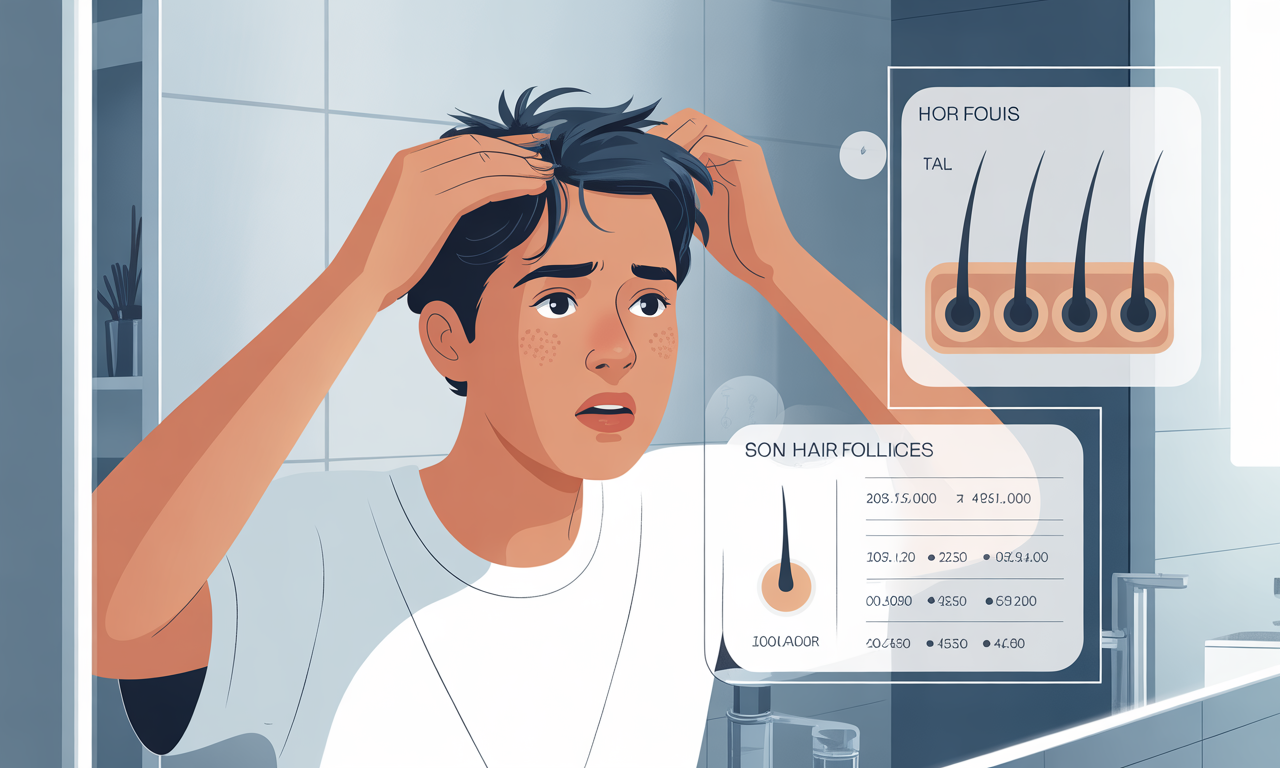
Waking up to find clumps of hair on your pillow can be terrifying, especially when you’re only in your twenties. Hair loss in 20s affects up to 30% of men before reaching age 30, and women aren’t immune either.
This premature follicular disruption stems from various culprits—genetics, hormonal fluctuations, nutritional deficiencies, and lifestyle choices.
Understanding the underlying mechanisms behind early-onset alopecia empowers you to take decisive action. Science now provides concrete prevention strategies that can slow or even reverse thinning.
This comprehensive guide reveals evidence-based solutions to protect your crowning glory during these formative years.
Understanding Early-Onset Androgenetic Alopecia
The DHT Connection Explained
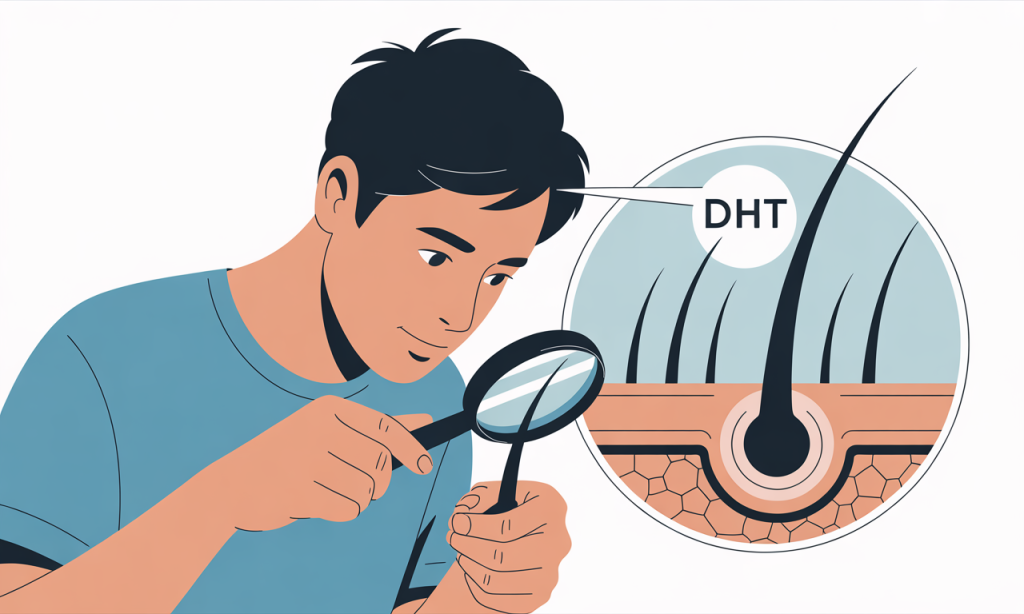
Dihydrotestosterone, commonly called DHT, represents the primary antagonist in male pattern baldness. This potent androgen is produced when the enzyme 5-alpha reductase converts testosterone into its more potent derivative.
DHT binds to androgen receptors in genetically susceptible hair follicles, triggering a devastating cascade of miniaturization.
Over successive growth cycles, follicles shrink progressively smaller, producing thinner, shorter strands until they eventually become dormant.
Genetic Predisposition Matters
Androgenetic alopecia represents an inherited condition affecting 30-50% of men by age 50. If your parents or grandparents experienced premature thinning, you’ve likely inherited this predisposition.
Women with polycystic ovary syndrome face heightened vulnerability to hormonal hair loss during their twenties.
Genetic testing can identify specific markers, though family history usually provides sufficient prognostic information.
Hormonal Fluctuations Trigger Shedding
Thyroid disorders frequently manifest as diffuse hair thinning in young adults. Both hyperthyroidism and hypothyroidism disrupt the normal anagen-catagen-telogen cycle, pushing follicles prematurely into the resting phase.
Women experiencing hormonal changes during hormonal contraception may notice increased shedding. Stress-induced cortisol spikes can trigger telogen effluvium, causing sudden, dramatic hair loss.
Nutritional Deficiencies Accelerating Hair Loss
Iron Depletion Weakens Follicles
Iron deficiency is the most common nutritional deficiency worldwide, particularly affecting women with hair loss.
This essential mineral facilitates oxygen transport to hair follicles, enabling optimal cellular metabolism. Without adequate iron stores, follicles cannot sustain healthy growth cycles.
Concurrent vitamin C supplementation enhances iron absorption significantly.
Protein Inadequacy Compromises Keratin
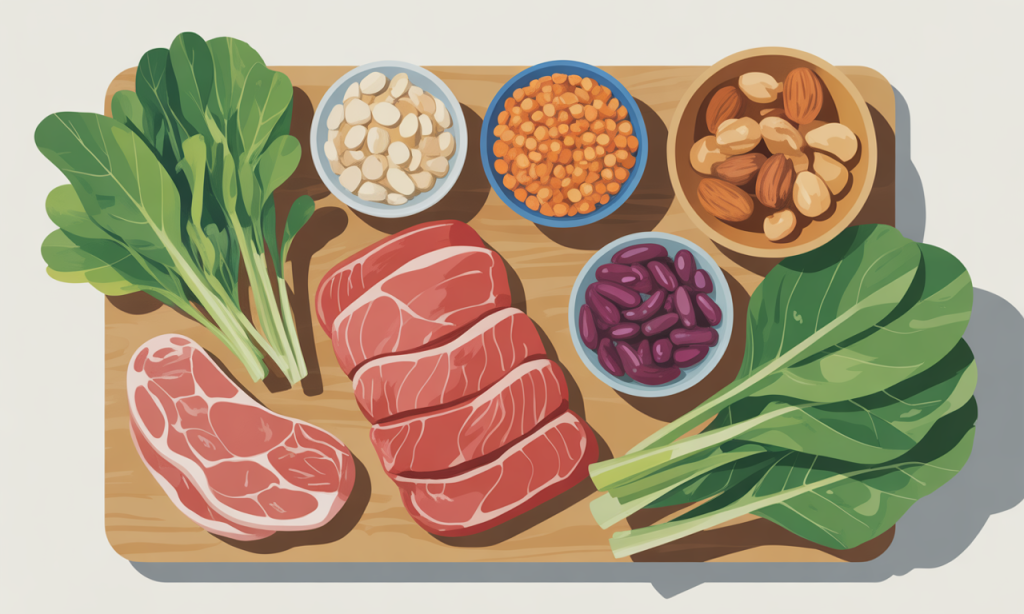
Hair consists primarily of keratin, a structural protein requiring consistent dietary protein intake. Crash dieting and extreme caloric restriction deprive follicles of essential amino acids necessary for strand production.
Vegetarians and vegans must ensure adequate plant-based protein sources. Aim for 0.8-1.0 grams of protein per kilogram of body weight daily.
Vitamin D and Zinc Shortfalls
Zinc deficiency directly correlates with alopecia, and supplementation demonstrates hair regrowth in deficient individuals.
The National Institutes of Health recommends obtaining zinc through dietary sources like oysters, meat, poultry, and legumes.
Vitamin D receptors exist throughout hair follicles, regulating growth cycle transitions. Low vitamin D levels disrupt follicular function, contributing to diffuse thinning patterns.
Biotin’s Role Remains Controversial
While biotin (vitamin B7) supports keratin infrastructure, scientific evidence for supplementation in non-deficient individuals remains limited.
Biotin deficiency is rare in developed nations due to adequate dietary intake and intestinal bacterial synthesis. Marketing claims often exceed clinical evidence, though biotin remains generally safe at recommended dosages.
Lifestyle Modifications for Follicular Health
Stress Management Prevents Telogen Effluvium
Chronic psychological stress triggers telogen effluvium, a condition where follicles prematurely enter the resting phase.
Academic pressure, career transitions, and relationship turbulence characterize the twenties, creating perfect conditions for stress-induced shedding.
Cortisol elevation disrupts normal hormonal balance, affecting hair cycle regulation. Regular meditation, yoga, or cardiovascular exercise significantly reduces stress biomarkers.
Smoking Doubles Hair Loss Risk
Regular smokers face approximately twice the likelihood of premature hair thinning compared to non-smokers. Nicotine constricts blood vessels, reducing nutrient delivery to scalp follicles.
Toxic compounds in cigarette smoke damage DNA in follicular cells, impairing regenerative capacity. Alcohol consumption similarly affects follicular health by depleting essential nutrients.
Sleep Quality Impacts Growth Cycles
Adequate sleep duration allows for cellular repair and regeneration processes essential to hair growth. Growth hormone secretion peaks during deep sleep stages, influencing follicular activity.
Aim for seven to nine hours nightly to optimize endocrine function. Chronic sleep deprivation elevates inflammatory markers that may accelerate miniaturization.
Avoiding Traction and Chemical Damage
Tight hairstyles—ponytails, braids, extensions—create constant tension on follicles, causing traction alopecia. This mechanical stress gradually pulls follicles from the scalp, particularly along the hairline.
Chemical treatments, including relaxers, perms, and harsh dyeing, damage the hair shaft and may injure follicular structures. Heat styling tools should be used judiciously with protective products.

Evidence-Based Medical Interventions
Minoxidil: Topical Growth Stimulation
Minoxidil represents one of two FDA-approved treatments for androgenetic alopecia. This topical vasodilator increases blood flow to follicles and prolongs the anagen growth phase.
Available in 2% and 5% concentrations, the higher strength demonstrates superior efficacy. Results typically appear after four to six months of consistent twice-daily application. Discontinuation results in gradual return to baseline thinning patterns.
Finasteride: DHT Inhibition Strategy
Oral finasteride blocks 5-alpha reductase, preventing testosterone conversion to DHT. FDA-approved for men aged 18 and older, this medication significantly reduces scalp DHT levels by approximately 70%.
Clinical trials demonstrate superior long-term efficacy compared to minoxidil monotherapy. Topical finasteride formulations minimize systemic absorption and potential side effects.
Combination Therapy Shows Superiority
Recent meta-analyses confirm that combining minoxidil and finasteride produces superior outcomes compared to either monotherapy.
Studies report clinically meaningful improvements in hair density, diameter, and global photographic assessment scores.
One trial found 92.4% of patients achieved stable or improved outcomes after 12 months on combination oral therapy. Patients with advanced baseline hair loss showed equal or greater improvement rates.
Dutasteride: Enhanced DHT Suppression
Dutasteride inhibits both type I and type II 5-alpha reductase enzymes, providing more comprehensive DHT blockade than finasteride.
While not FDA-approved specifically for hair loss, off-label use demonstrates promising results. Network meta-analyses suggest potential efficacy advantages, though head-to-head comparisons remain limited.
Natural Adjunctive Therapies Worth Considering
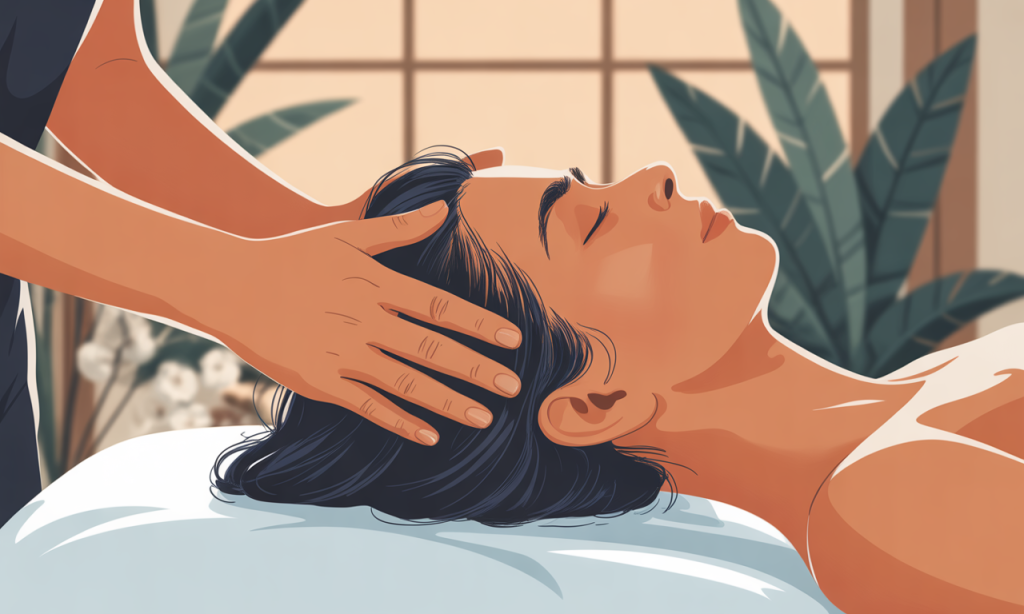
Scalp Massage Increases Thickness
Regular scalp massage may promote hair thickness by mechanically stimulating follicles. A 2016 study involving nine men showed thicker hair after 24 weeks of daily 4-minute massages.
Survey research from 2019 found approximately 69% of participants reported alopecia improvement with twice-daily scalp massage. Increased blood circulation delivers enhanced nutrient and oxygen supply to follicular cells.
Medium Pressure Optimal Technique
Research indicates medium-pressure massage produces optimal results for androgenic alopecia. Use fingertips to apply gentle circular motions across the entire scalp.
Five to ten minutes daily provides sufficient mechanical stimulation. This cost-free intervention carries no side effects and may complement pharmaceutical treatments.
Saw Palmetto’s Limited Evidence
Saw palmetto extract theoretically inhibits 5-alpha reductase similarly to finasteride, though clinical evidence remains inconsistent.
Thickening shampoos containing saw palmetto may offer modest benefits for androgenetic alopecia. Oral supplements lack robust clinical validation compared to FDA-approved medications.
Consider saw palmetto as a potential adjunct rather than primary intervention.
Red Light Therapy Shows Promise
Low-level laser therapy stimulates cellular metabolism through photobiomodulation. FDA-cleared devices exist for home use, though evidence quality varies.
Combination with pharmaceutical treatments may enhance outcomes. Cost considerations and time commitment limit accessibility for some patients.
Prevention Strategies Starting Today
Early Intervention Yields Best Results
Beginning treatment at the first signs of thinning produces superior long-term outcomes compared to delayed intervention.
Once follicles become completely dormant, regeneration becomes significantly more challenging.
Photographic documentation establishes baseline conditions for tracking progress. Monthly progress photos help assess treatment efficacy objectively.
Comprehensive Approach Maximizes Success
Combining multiple evidence-based strategies produces synergistic benefits exceeding individual interventions.
Address nutritional deficiencies through dietary optimization and targeted supplementation.
Implement stress-reduction practices and eliminate damaging hair care habits. Consider pharmaceutical interventions under medical supervision when appropriate.
Consistency Determines Outcomes
Hair growth cycles span months, requiring sustained commitment to treatment protocols. Inconsistent medication application or premature discontinuation undermines therapeutic potential.
Set daily reminders for topical applications and oral medications. Patience is essential, as visible improvements typically take 4 to 6 months.
Professional Evaluation Essential
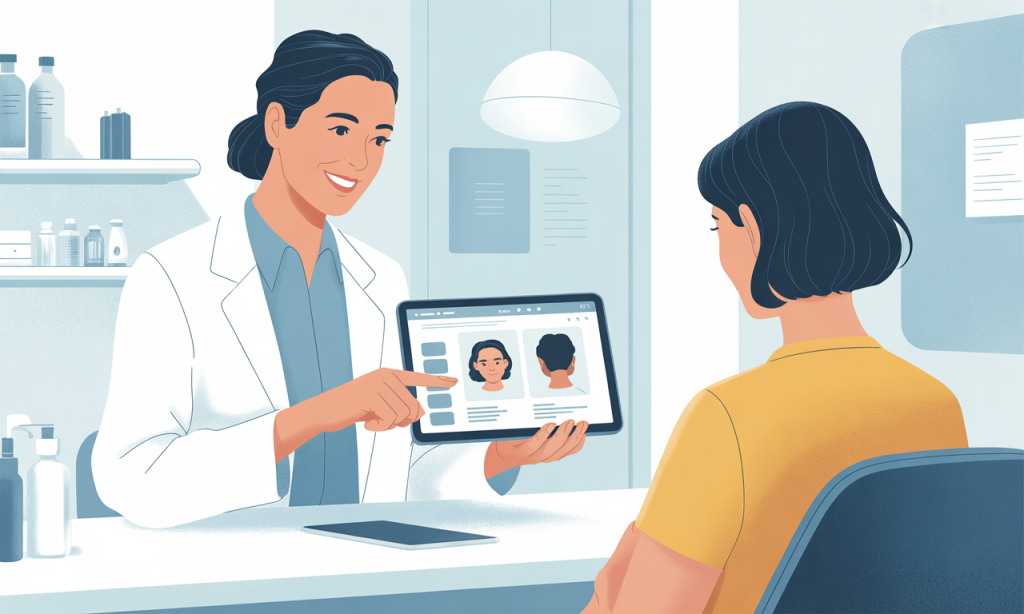
Consult board-certified dermatologists for accurate diagnosis and personalized treatment planning. Thyroid testing, complete blood counts, and hormone panels identify underlying medical conditions.
Trichoscopy and scalp biopsies provide detailed follicular analysis when diagnosis remains uncertain. Professional guidance optimizes treatment selection and monitoring.
Monitoring Progress and Adjusting Strategy
Photographic Documentation Protocol
Take standardized photos monthly under consistent lighting conditions and angles. Include frontal, vertex, and temporal regions for comprehensive assessment.
Digital comparison reveals subtle changes invisible to daily observation. Share images with healthcare providers during follow-up appointments.
Tracking Shedding Patterns
Increased shedding during initial treatment months may indicate follicles synchronizing into active growth phases. This temporary phenomenon typically resolves within three to four months.
Keep a daily hair count log to differentiate normal shedding (50-100 hairs daily) from pathological loss.
Laboratory Monitoring Requirements
Patients taking oral finasteride should undergo periodic hormone panel testing, though routine monitoring remains controversial.
Discuss appropriate laboratory surveillance with prescribing physicians. Track any side effects meticulously and report promptly to healthcare providers.
Knowing When to Escalate Treatment
If monotherapy is insufficient after 12 months, consider combination therapy or alternative medications.
Hair transplantation becomes viable when pharmaceutical management reaches therapeutic ceiling. Platelet-rich plasma injections represent emerging treatment options with preliminary supporting evidence.
Frequently Asked Questions
Can hair loss in 20s be reversed completely?
Hair loss in 20s can often be slowed, stopped, or partially reversed with early intervention. Combination therapies including minoxidil and finasteride demonstrate that over 92% of patients achieve stable or improved hair density after 12 months.
Complete reversal depends on follicular damage extent—dormant follicles cannot regenerate, but miniaturized follicles may recover with treatment.
Starting treatment early produces the best outcomes before irreversible follicular death occurs.
What percentage of people experience hair loss in their 20s?
Up to 30% of men experience some degree of hair loss before reaching age 30. Androgenetic alopecia affects 30-50% of men by age 50, with many cases beginning in the twenties.
Women also experience early hair thinning, particularly those with hormonal conditions like polycystic ovary syndrome. Genetic predisposition and family history significantly influence early-onset alopecia risk.
How long does it take to see results from hair loss treatments?
Most pharmaceutical treatments require four to six months before visible improvements appear. Hair growth cycles span several months, necessitating patient commitment to consistent application.
Studies on combination minoxidil-finasteride therapy show significant hair density increases at three months, with continued improvement at six months. Individual response varies based on baseline severity and genetic factors.
Are there side effects from finasteride use?
Oral finasteride may cause decreased libido and sexual dysfunction in a small percentage of users. Topical finasteride formulations minimize systemic absorption, potentially reducing the incidence of side effects.
Most patients tolerate finasteride well, with side effects typically reversible upon discontinuation. Discuss individual risk profiles with healthcare providers before starting treatment.
Does stress really cause permanent hair loss?
Stress-induced telogen effluvium typically represents temporary hair loss that resolves once stress diminishes. Chronic, unmanaged stress can disrupt hormonal balance and potentially accelerate androgenetic alopecia in genetically predisposed individuals.
Stress management through meditation, exercise, and lifestyle modifications significantly reduces the risk of hair loss. Permanent loss occurs only if stress triggers autoimmune responses or compounds genetic susceptibility.
Which vitamins should I take for hair loss in 20s?
Iron, zinc, biotin, vitamin D, and vitamin C represent key nutrients for hair health. Iron deficiency commonly correlates with hair loss, particularly in women.
Zinc deficiency directly causes alopecia, with supplementation promoting regrowth in deficient individuals.
Vitamin C enhances iron absorption and collagen synthesis. Only supplement if dietary intake proves inadequate or laboratory testing confirms deficiencies.
Can scalp massage really help with hair growth?
Research suggests regular scalp massage may increase hair thickness through improved blood circulation. A 2016 study found thicker hair after 24 weeks of daily 4-minute massages.
Survey research reported that 69% of participants experienced alopecia improvement with twice-daily scalp massage.
Medium-pressure massage appears most effective for androgenic alopecia. While evidence remains preliminary, this risk-free intervention may complement other treatments.
Is hair loss in 20s always genetic?
While androgenetic alopecia represents the most common cause, other factors contribute to hair loss in 20s. Nutritional deficiencies, thyroid disorders, autoimmune conditions, stress, and medications can trigger early thinning.
Traction alopecia from tight hairstyles and chemical damage from treatments cause localized loss. A comprehensive medical evaluation identifies underlying causes beyond genetic predisposition.
Should I use 2% or 5% minoxidil concentration?
The 5% minoxidil concentration demonstrates superior efficacy compared to 2% formulations. Studies show greater terminal hair count increases with 5% strength, though it may cause slightly more scalp irritation.
Start with 5% concentration unless sensitivity develops, then consider stepping down to 2%. Consistent twice-daily application matters more than concentration selection for long-term results.
When should I see a dermatologist about hair loss?
Consult a board-certified dermatologist at the first signs of unusual thinning, receding hairline, or increased shedding.
Early intervention produces superior outcomes compared to delayed treatment. Sudden, rapid hair loss warrants immediate evaluation to rule out medical conditions.
Dermatologists provide accurate diagnosis, laboratory testing, and personalized treatment plans, optimizing prevention strategies.
Taking Control of Your Hair Health Journey
Hair loss in 20s represents a distressing challenge, but scientific advances provide genuine hope for preservation and regrowth.
Early intervention combining lifestyle modifications, nutritional optimization, and evidence-based medical treatments produces the best long-term outcomes.
Consistency and patience prove essential as follicular regeneration requires months of sustained effort. Don’t let premature thinning undermine your confidence during these formative years.
Professional dermatological evaluation ensures accurate diagnosis and personalized treatment selection.
Whether addressing genetic predisposition, hormonal imbalances, or nutritional deficiencies, comprehensive strategies maximize success potential.
Track progress methodically through photographic documentation and remain committed to your chosen protocols. The investment in follicular health today pays dividends throughout your lifetime.
Ready to optimize your overall wellness? Explore our related guides on Hair Loss Prevention optimization, hormone-balancing strategies, and stress-management techniques that complement hair-preservation efforts.
Your journey to comprehensive health starts with informed decisions and consistent action.