
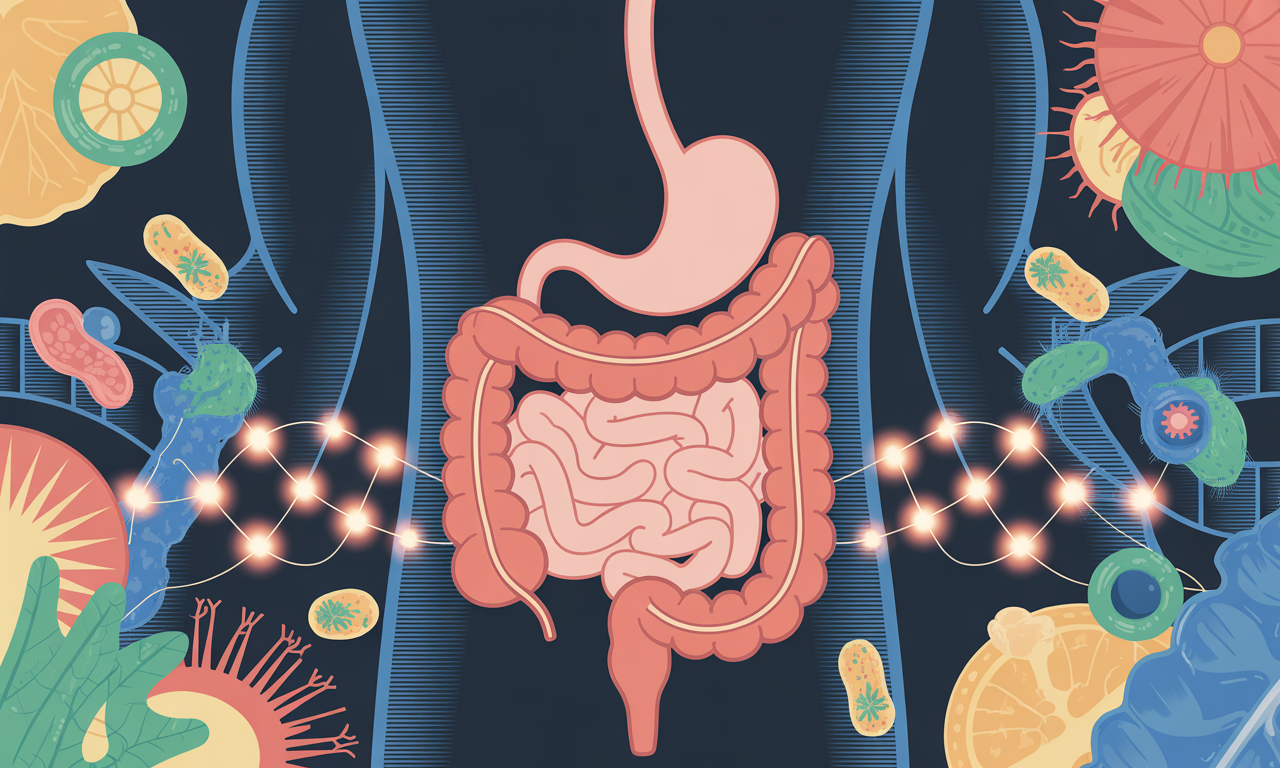
Your belly harbors trillions of microscopic allies that secretly orchestrate your emotional landscape every single day. The gut microbiome mental health connection represents one of medicine’s most revolutionary discoveries, unveiling how intestinal bacteria directly influence anxiety, depression, and daily mood fluctuations.
Scientists now recognize your digestive tract as a second brain, producing 90% of your body’s serotonin and continuously communicating with your cranial command center through neural highways.
This bidirectional relationship means your mental state affects gut health while simultaneously, your intestinal microbes sculpt cognitive function, stress resilience, and emotional regulation.
Understanding these seven evidence-based secrets empowers you to harness microbial power for superior psychological wellness.
The Vagus Nerve Superhighway
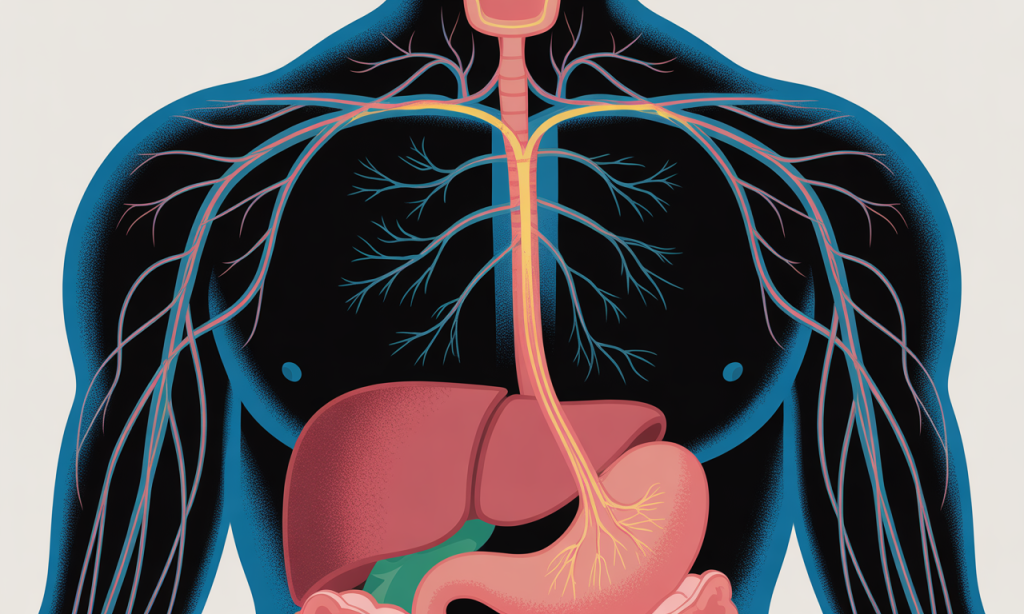
Your body contains a biological information superhighway connecting belly to brain. The vagus nerve serves as the primary communication conduit in the gut microbiome mental health axis, transmitting signals bidirectionally between your gastrointestinal tract and central nervous system.
How Neural Signals Travel
This cranial nerve comprises 80-90% afferent fibers carrying information upward from intestinal walls to brain structures governing mood and cognition. Microbial metabolites stimulate vagus nerve receptors embedded in gut lining, triggering electrical impulses that reach limbic regions within milliseconds. Research demonstrates that severing this neural pathway abolishes depression-like behaviors induced by transferring gut bacteria from depressed individuals into laboratory animals.
Parasympathetic Control Mechanisms
The vagus nerve orchestrates parasympathetic nervous system functions that counteract stress responses. When beneficial microbes flourish, they produce compounds stimulating vagal tone, which dampens anxiety and promotes relaxation. Enhanced vagal activity reduces inflammatory cytokines while increasing neurotransmitter production essential for emotional equilibrium.
- Improved heart rate variability indicating stress resilience
- Enhanced digestion and nutrient absorption
- Reduced systemic inflammation markers
- Better sleep quality and circadian rhythm regulation
Neurotransmitter Factories Inside Your Intestines
Your gut functions as a neurochemical manufacturing plant producing mood-regulating compounds. Intestinal microbes synthesize neurotransmitters including serotonin, dopamine, and gamma-aminobutyric acid that profoundly impact the gut microbiome mental health relationship.
Serotonin Production Dominance
Approximately 90% of your body’s serotonin originates in enterochromaffin cells lining the digestive tract. Specific bacterial strains stimulate tryptophan metabolism, converting this amino acid precursor into serotonin through enzymatic processes. Microbial dysbiosis disrupts this conversion, creating neurotransmitter deficiencies associated with depression and anxiety disorders.
GABA and Dopamine Synthesis
Certain probiotic species directly produce gamma-aminobutyric acid, the brain’s primary inhibitory neurotransmitter that reduces neuronal excitability and promotes calmness. Lactobacillus and Bifidobacterium strains manufacture dopamine, the reward and motivation neurotransmitter critical for positive mood states. Clinical investigations reveal that supplementing these bacterial species significantly improves depressive symptomatology compared to placebo interventions.
- Lactobacillus rhamnosus reduces stress-induced corticosterone elevation
- Bifidobacterium longum alleviates anxiety in irritable bowel syndrome patients
- Lactobacillus helveticus improves psychological distress scores
- Bifidobacterium breve enhances cognitive function in healthy adults
Tryptophan Metabolism Pathways
Microbes regulate tryptophan metabolism along competing pathways affecting mental health outcomes. The serotonin pathway promotes mood stability while the kynurenine pathway generates neuroactive metabolites with inflammatory properties. Balanced microbial communities favor serotonin production, whereas dysbiosis shifts tryptophan toward kynurenine, potentially exacerbating depressive states.
Short-Chain Fatty Acids: Microbial Mood Modulators
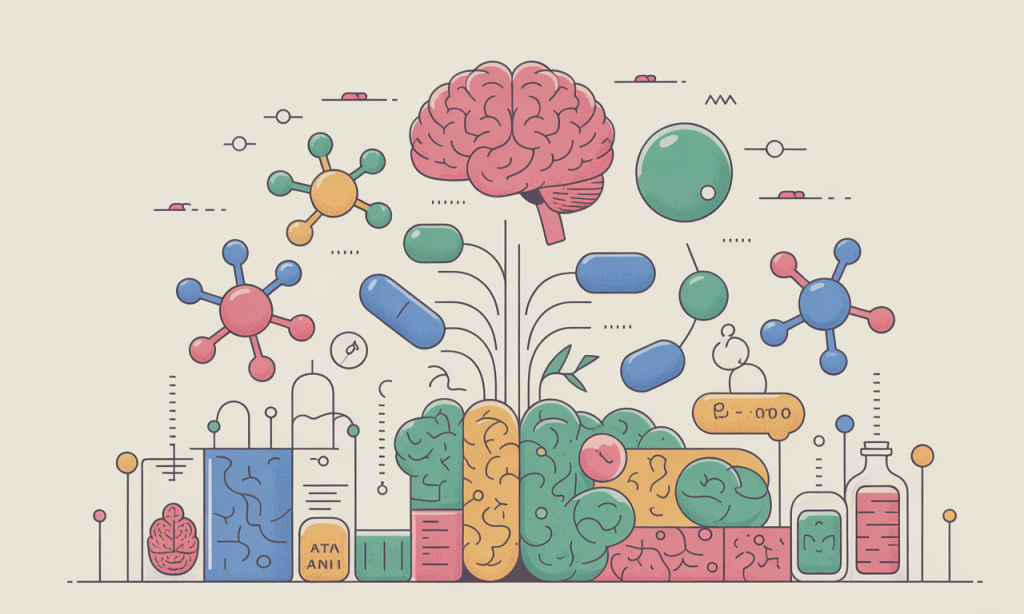
Fermentation of dietary fibers by intestinal bacteria generates short-chain fatty acids that powerfully influence the gut microbiome mental health axis. These metabolites cross the blood-brain barrier, directly affecting neurological function and psychiatric outcomes.
Butyrate’s Neuroprotective Properties
Butyrate represents the most extensively researched SCFA for mental health applications. This four-carbon compound enhances blood-brain barrier integrity, preventing inflammatory molecules from damaging neural tissue. Butyrate also functions as a histone deacetylase inhibitor, modulating gene expression patterns associated with neuroplasticity and stress resilience.
Acetate and Propionate Effects
Acetate crosses into brain tissue where it influences appetite regulation and neurotransmitter synthesis pathways. Propionate modulates immune cell function, reducing neuroinflammation implicated in depression pathogenesis. Clinical studies demonstrate that SCFA supplementation improves depressive symptoms through multiple biological mechanisms including hypothalamic-pituitary-adrenal axis regulation.
- Reduced pro-inflammatory cytokine production
- Enhanced brain-derived neurotrophic factor expression
- Improved mitochondrial energy metabolism
- Strengthened intestinal barrier function preventing endotoxin leakage
Fiber Consumption Requirements
Adequate dietary fiber intake ensures robust SCFA production by colonic bacteria. Most adults require 25-35 grams daily, yet average consumption remains significantly deficient. Resistant starches, inulin, and oligosaccharides serve as optimal substrates for SCFA-producing bacterial strains within the gut microbiome mental health framework.
Inflammatory Pathways and Neuropsychiatric Disorders
Chronic low-grade inflammation represents a unifying mechanism connecting gut dysbiosis with mental health deterioration. The gut microbiome mental health relationship involves complex immunological interactions that either protect against or precipitate mood disorders.
Lipopolysaccharide Translocation
Gram-negative bacterial cell walls contain lipopolysaccharide, a potent inflammatory molecule. When intestinal barrier integrity becomes compromised, LPS enters systemic circulation, triggering widespread immune activation. Elevated serum LPS correlates with depression severity and treatment resistance in clinical populations.
Cytokine-Mediated Neurotoxicity
Pro-inflammatory cytokines including interleukin-6, tumor necrosis factor-alpha, and interleukin-1beta cross into brain tissue, disrupting neurotransmitter metabolism and neuronal survival. These immune messengers activate indoleamine 2,3-dioxygenase, shunting tryptophan away from serotonin production toward neurotoxic kynurenine metabolites. Microbial modulation strategies reduce inflammatory markers while simultaneously improving psychiatric symptoms.
Microglial Activation States
Brain-resident immune cells called microglia respond to circulating inflammatory signals originating from dysbiotic gut microbiota. Chronically activated microglia prune synaptic connections and release reactive oxygen species that damage neuronal structures. The gut microbiome mental health connection includes microglial programming, where beneficial bacteria promote anti-inflammatory M2 phenotypes supporting neuroplasticity.
- Increased blood-brain barrier permeability allows inflammatory infiltration
- Reduced hippocampal neurogenesis impairs memory formation
- Altered neurotransmitter receptor sensitivity decreases medication efficacy
- Disrupted circadian rhythm genes affecting sleep-wake cycles
Probiotic Interventions: Evidence-Based Strains
Targeted probiotic supplementation offers therapeutic potential for modulating the gut microbiome mental health axis. Clinical trials identify specific bacterial strains demonstrating consistent benefits for depression and anxiety.
Lactobacillus Species Efficacy
Meta-analyses reveal that Lactobacillus plantarum, L. helveticus, and L. rhamnosus significantly reduce depressive symptom scores on validated assessment tools. A systematic review encompassing multiple randomized controlled trials found mean depression score reductions of 2.69 points favoring probiotic interventions over placebo. These strains modulate hypothalamic-pituitary-adrenal axis function, reducing excessive cortisol secretion during stress exposure.
Bifidobacterium Therapeutic Applications
Bifidobacterium longum and B. breve demonstrate anxiolytic properties in human clinical investigations. Participants receiving these strains report decreased anxiety scale scores alongside improvements in stress-related gastrointestinal symptoms. Mechanisms include enhanced GABA production and reduced inflammatory cytokine expression.
- Daily dosages ranging from 1-10 billion colony-forming units show efficacy
- Multi-strain formulations may provide synergistic benefits
- Treatment duration requires minimum 8-12 weeks for measurable improvements
- Refrigerated products maintain higher bacterial viability
Psychobiotic Considerations
The term psychobiotic describes probiotics conferring mental health benefits through gut microbiome mental health mechanisms. Not all probiotic products demonstrate psychiatric efficacy, necessitating strain-specific selection based on clinical evidence. Emerging research explores precision medicine approaches matching individual microbial profiles with targeted interventions.
Dietary Patterns Shaping Mental Resilience
Nutritional choices profoundly influence gut microbial composition and subsequently affect the gut microbiome mental health relationship. Specific dietary patterns either promote beneficial bacterial diversity or contribute to dysbiosis.
Mediterranean Diet Benefits
This eating pattern emphasizes plant foods, omega-3 fatty acids, and fermented products supporting microbial diversity. Observational studies associate Mediterranean diet adherence with reduced depression incidence and improved cognitive function. The diet provides abundant prebiotic fibers feeding SCFA-producing bacteria while supplying anti-inflammatory polyphenols that modulate immune responses.
Fermented Food Incorporation
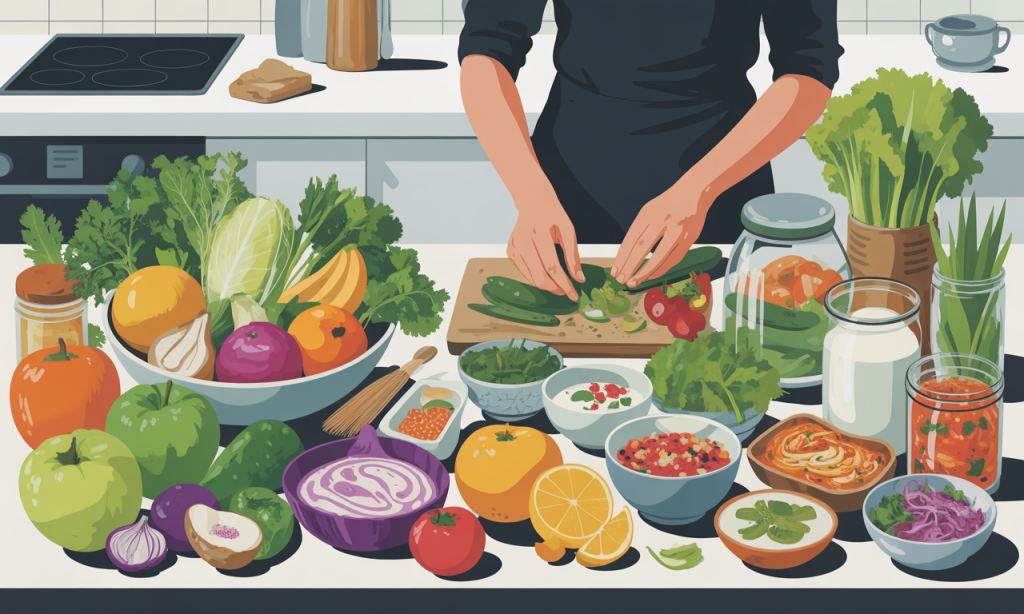
Traditionally fermented foods deliver live microorganisms plus bioactive compounds generated during fermentation processes. Kimchi, sauerkraut, kefir, and yogurt contain probiotic strains alongside organic acids and vitamins enhancing the gut microbiome mental health axis. Recent investigations demonstrate that fermented food consumption reduces anxiety and depression markers through immune modulation.
- Start with small portions allowing gut adaptation
- Choose unpasteurized varieties containing live cultures
- Incorporate multiple fermented foods for bacterial diversity
- Pair with prebiotic fiber sources maximizing benefits
Ultra-Processed Food Consequences
Diets dominated by refined sugars, artificial additives, and emulsifiers devastate microbial ecosystems. These ingredients promote pathogenic bacterial overgrowth while reducing beneficial species populations. Epidemiological data links ultra-processed food consumption with elevated depression and anxiety rates across diverse populations.
Polyphenol-Rich Compound Effects
Plant polyphenols undergo bacterial metabolism in the colon, generating bioactive metabolites with neuroprotective properties. Green tea catechins, berry anthocyanins, and cocoa flavanols enhance gut microbiome mental health outcomes through antioxidant and anti-inflammatory mechanisms. These compounds also serve as prebiotic substrates selectively nourishing beneficial bacterial strains.

Circadian Rhythms and Microbial Oscillations
Biological clocks governing sleep-wake cycles intricately connect with the gut microbiome mental health axis. Microbial communities exhibit daily fluctuations synchronized with host circadian rhythms.
Time-Restricted Eating Windows
Consuming meals within consistent daily timeframes entrains both host and microbial circadian patterns. Studies reveal that erratic eating schedules disrupt bacterial rhythms, promoting dysbiosis and metabolic dysfunction associated with mood disorders. Time-restricted feeding protocols restore microbial oscillations while improving depression and anxiety symptoms.
Sleep Quality Interdependence
Poor sleep quality alters gut microbial composition, reducing beneficial diversity while increasing inflammatory species abundance. Conversely, dysbiotic microbiomes produce metabolites interfering with sleep architecture and circadian gene expression. Addressing the gut microbiome mental health connection requires prioritizing consistent sleep schedules supporting microbial homeostasis.
- Maintain regular sleep-wake times including weekends
- Create dark sleeping environments minimizing circadian disruption
- Limit blue light exposure two hours before bedtime
- Consider morning sunlight exposure resetting biological clocks
Chronotype Considerations
Individual chronotypes (morning larks versus night owls) influence optimal meal timing for gut microbiome mental health benefits. Aligning eating patterns with endogenous circadian preferences maximizes metabolic efficiency and microbial synchronization. Shift workers face particular challenges requiring strategic interventions protecting microbial rhythms during schedule disruptions.
Stress, Cortisol, and Microbial Disruption
Psychological stress directly impacts gut microbial ecosystems through neuroendocrine pathways. The gut microbiome mental health relationship involves bidirectional stress responses where microbes both respond to and modulate cortisol secretion.
HPA Axis Dysregulation
Chronic stress hyperactivates the hypothalamic-pituitary-adrenal axis, flooding the system with cortisol. Elevated glucocorticoid levels alter intestinal permeability and mucus production, creating environments favoring pathogenic bacteria over beneficial species. This stress-induced dysbiosis perpetuates HPA dysfunction, establishing vicious cycles contributing to anxiety and depressive disorders.
Stress-Induced Permeability
Corticotropin-releasing hormone and cortisol increase intestinal barrier permeability, allowing bacterial antigens and inflammatory molecules to access systemic circulation. This “leaky gut” phenomenon amplifies inflammatory signaling reaching the brain through the gut microbiome mental health axis. Stress management interventions reduce permeability while restoring protective bacterial populations.
- Practice daily stress-reduction techniques like meditation or deep breathing
- Engage in regular physical activity modulating cortisol rhythms
- Maintain social connections buffering stress responses
- Consider adaptogenic herbs supporting HPA axis balance
Resilience-Promoting Species
Certain bacterial strains confer stress resilience by modulating cortisol production and neural stress circuits. Lactobacillus rhamnosus reduces stress-induced corticosterone elevation in preclinical models. Cultivating these resilience-promoting species through dietary and probiotic strategies strengthens the gut microbiome mental health connection during adversity.
Frequently Asked Questions
How long does it take for probiotics to improve mental health symptoms?
Most clinical trials demonstrate measurable improvements in depression and anxiety scores after 8-12 weeks of consistent probiotic supplementation. Individual responses vary based on baseline microbial composition, probiotic strain selection, and dosage parameters.
Some individuals report subjective mood improvements within 4-6 weeks, though objective assessment tools typically require longer intervention periods showing statistical significance. Patience remains essential as microbial ecosystem shifts occur gradually rather than producing immediate psychiatric effects.
Can antibiotics damage the gut microbiome mental health connection?
Antibiotic exposure significantly disrupts gut microbial diversity, potentially triggering mood disturbances in susceptible individuals. Broad-spectrum antibiotics eliminate beneficial bacteria alongside pathogenic organisms, creating temporary dysbiosis that may persist for months following treatment cessation.
Epidemiological studies associate repeated antibiotic courses with increased depression and anxiety diagnoses. When antibiotics are medically necessary, concurrent probiotic supplementation may mitigate microbial disruption, though evidence remains mixed regarding optimal timing and strain selection.
Which foods are best for gut microbiome mental health?
Fermented foods including kefir, yogurt, sauerkraut, kimchi, and kombucha deliver live probiotic organisms supporting the gut microbiome mental health axis. High-fiber foods like legumes, whole grains, vegetables, and fruits provide prebiotic substrates nourishing beneficial bacterial populations.
Omega-3 fatty acids from fatty fish, walnuts, and flaxseeds reduce inflammation while supporting microbial diversity. Polyphenol-rich foods such as berries, green tea, dark chocolate, and olive oil undergo bacterial metabolism generating neuroprotective compounds.
Does exercise influence gut microbiome mental health?
Regular physical activity enhances gut microbial diversity and increases abundance of butyrate-producing bacterial species. Exercise independently improves depression and anxiety symptoms while simultaneously modifying microbial composition in beneficial directions.
Moderate-intensity aerobic activity appears most effective for microbial modulation compared to sedentary lifestyles or extreme endurance training. The combination of exercise and dietary interventions produces synergistic effects on the gut microbiome mental health relationship exceeding either approach alone.
Can you test your gut microbiome for mental health issues?
Commercial microbiome testing services analyze stool samples identifying bacterial composition and diversity metrics. However, clinical interpretation for mental health applications remains limited as reference ranges and causative relationships require further validation.
Research identifies certain bacterial signatures associated with depression and anxiety, including reduced microbial diversity and altered Firmicutes-to-Bacteroidetes ratios. Current testing provides interesting information but lacks sufficient evidence guiding specific therapeutic decisions for psychiatric conditions.
Are there any risks associated with probiotic supplements for mental health?
Probiotic supplements demonstrate excellent safety profiles in healthy populations, with adverse events remaining rare and typically limited to mild gastrointestinal symptoms. Individuals with compromised immune systems, central venous catheters, or severe illness should consult healthcare providers before initiating supplementation.
Theoretically, introducing exogenous bacterial strains could disrupt existing microbial ecosystems, though clinical trials report no significant negative outcomes compared to placebo groups. Quality control varies among commercial products, necessitating selection of reputable manufacturers with third-party verification.
How does the gut microbiome mental health axis differ between individuals?
Gut microbial composition exhibits remarkable interpersonal variability influenced by genetics, early-life exposures, dietary patterns, geographic location, and medication history. This individual variation explains differential responses to identical probiotic or dietary interventions across populations.
Precision medicine approaches aim to characterize personal microbial signatures, enabling tailored recommendations optimizing the gut microbiome mental health connection. Future therapeutic strategies will likely incorporate microbiome profiling alongside traditional psychiatric assessments for personalized treatment planning.
Can children benefit from gut microbiome mental health interventions?
Early childhood represents a critical window for microbial colonization patterns influencing lifelong health trajectories including mental wellness. Pediatric studies investigating probiotic supplementation for anxiety and behavioral problems show promising preliminary results, though evidence remains less robust than adult investigations.
Dietary interventions emphasizing whole foods, fermented products, and adequate fiber appear safe and potentially beneficial for children’s gut microbiome mental health development. Breastfeeding, vaginal delivery, and limiting unnecessary antibiotic exposure during infancy establish healthier baseline microbial communities associated with reduced psychiatric risk.
Do antidepressants affect gut microbiome composition?
Emerging research reveals that selective serotonin reuptake inhibitors and other psychotropic medications alter gut microbial composition independent of their direct neurological effects. Some antidepressant benefits may partially result from favorable microbial shifts supporting the gut microbiome mental health axis.
Conversely, medication-induced dysbiosis could contribute to treatment side effects or therapeutic resistance in certain individuals. This bidirectional relationship suggests future psychiatric pharmacology may incorporate microbiome-modulating agents alongside traditional neurotransmitter-targeting compounds for enhanced efficacy.
What is the strongest evidence linking gut microbiome to mental health?
Meta-analyses of randomized controlled trials demonstrate statistically significant reductions in depression scores among individuals receiving specific probiotic strains compared to placebo groups. Effect sizes remain modest, suggesting gut microbiome mental health interventions work best as complementary approaches rather than standalone treatments.
Mechanistic studies in animal models provide compelling evidence that transferring microbiota from depressed humans into germ-free rodents induces depression-like behaviors, which vagus nerve severing abolishes. Human neuroimaging investigations reveal that probiotic consumption modifies brain activity patterns in regions governing emotional processing, corroborating the gut microbiome mental health connection.
Transform Your Mental Wellness Through Microbial Mastery
The gut microbiome mental health connection empowers you with actionable strategies for optimizing psychological well-being through dietary choices, probiotic supplementation, stress management, and lifestyle modifications. Scientific evidence unequivocally demonstrates that intestinal microbes influence mood, cognition, and emotional regulation through neural, immune, and metabolic pathways. Implementing these seven proven secrets positions you to harness microbial allies supporting mental resilience and flourishing.
Begin your journey by incorporating fermented foods, increasing fiber intake, and considering evidence-based probiotic strains. Prioritize consistent sleep schedules, stress-reduction practices, and regular physical activity supporting optimal gut microbiome mental health interactions. Remember that microbial ecosystem transformations require patience, with meaningful improvements emerging over weeks to months rather than days.
Explore our related articles on specific probiotic strain recommendations, anti-inflammatory dietary protocols, and vagus nerve stimulation techniques for comprehensive mental wellness optimization. Your microscopic partners await cultivation—transform your gut, transform your mind.