Experiencing relentless pruritus beneath your facial hair transforms grooming from pleasure into torment. The maddening sensation to stop beard itch fast dominates your thoughts during meetings, social gatherings, and quiet moments alike.
Understanding the dermatological mechanisms behind this vexation empowers you with science-backed solutions that deliver relief within minutes rather than days. Your beard’s androgenic hair structure differs fundamentally from scalp follicles, creating unique irritation patterns driven by testosterone metabolites and sebaceous activity.
Sharp hair edges, fungal colonization, and compromised dermal barriers conspire to generate inflammation beneath your magnificent whiskers. Dermatologists at the American Academy of Dermatology confirm that targeted interventions addressing root causes eliminate itching more effectively than symptomatic scratching.
The Biological Science Behind Beard Pruritus
Androgenic Hair Follicle Structure
Beard hair derives its growth patterns from testosterone and dihydrotestosterone rather than the hormones governing scalp follicles. This androgenic nature creates coarser, wavier fibers that emerge at different angles. The structural density of facial follicles exceeds scalp density in most men, concentrating sebaceous gland activity in a smaller surface area.
Each follicle contains multiple nerve endings that transmit itch signals to your brain. Testosterone-driven growth amplifies both hair thickness and sensory perception. This biological reality explains why beard itch feels more intense than scalp irritation for many individuals.
Sharp Edge Phenomenon
Shaving creates microscopic blade edges on each hair shaft within its follicle. As new growth emerges, these sharp tips scratch delicate follicular walls like miniature needles. The mechanical irritation triggers inflammatory mediators including histamine and cytokines.
Clinical observations confirm maximum itch intensity occurs between days 3-14 of beard growth. This critical window represents the period when sharp edges cause peak follicular trauma. Once hairs extend beyond the follicle opening, mechanical irritation diminishes substantially.
Sebaceous Gland Dysregulation
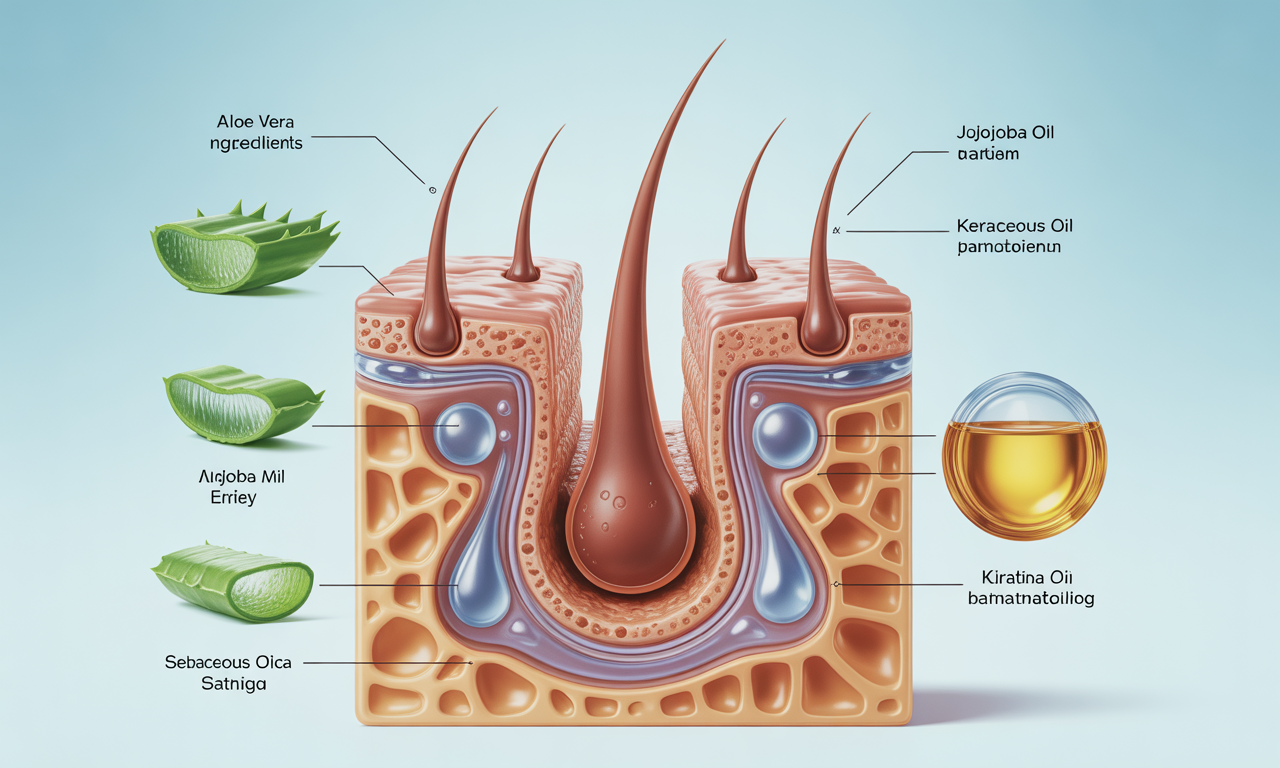
Facial sebaceous glands produce sebum to lubricate hair shafts and protect underlying dermis. Hormonal fluctuations, stress, and environmental factors alter sebum composition and production rates. Excessive sebum creates an ideal environment for Malassezia yeast proliferation.
This opportunistic fungus metabolizes lipids in sebum, generating oleic acid byproducts that penetrate the stratum corneum. The resulting inflammation manifests as seborrheic dermatitis, characterized by erythema, scaling, and intense pruritus. Research published by the National Eczema Association confirms Malassezia involvement in over 80% of seborrheic dermatitis cases.
Xerosis and Barrier Dysfunction
Cutaneous desiccation beneath facial hair represents one of the most common causes to stop beard itch fast interventions. Cold weather, low humidity, and harsh cleansers strip natural moisturizing factors from your epidermis. The compromised barrier allows trans-epidermal water loss, creating the tight, itchy sensation accompanying dry skin.
Genetic conditions like ichthyosis exacerbate this tendency toward xerosis. Even without underlying pathology, beard hair itself wicks moisture away from skin surfaces. Dermatologists emphasize that adequate hydration proves essential for comfortable beard maintenance.
Proven Remedy #1: Immediate Hydration Protocol
Apply Hyaluronic Acid Serum
Hyaluronic acid molecules bind 1,000 times their weight in water, delivering intense hydration to parched dermis. Apply 2-3 drops of serum to slightly damp skin beneath your beard immediately after cleansing. The humectant properties draw moisture from the atmosphere into your epidermis, plumping cells and reducing itch signals within 5-10 minutes.
Pharmaceutical-grade hyaluronic acid with molecular weights between 50-1,000 kDa penetrates most effectively. Lower molecular weight fragments reach deeper dermal layers while larger molecules form a protective film on the surface. This dual-action approach addresses both immediate comfort and long-term barrier repair.
Layer With Emollient-Rich Oil
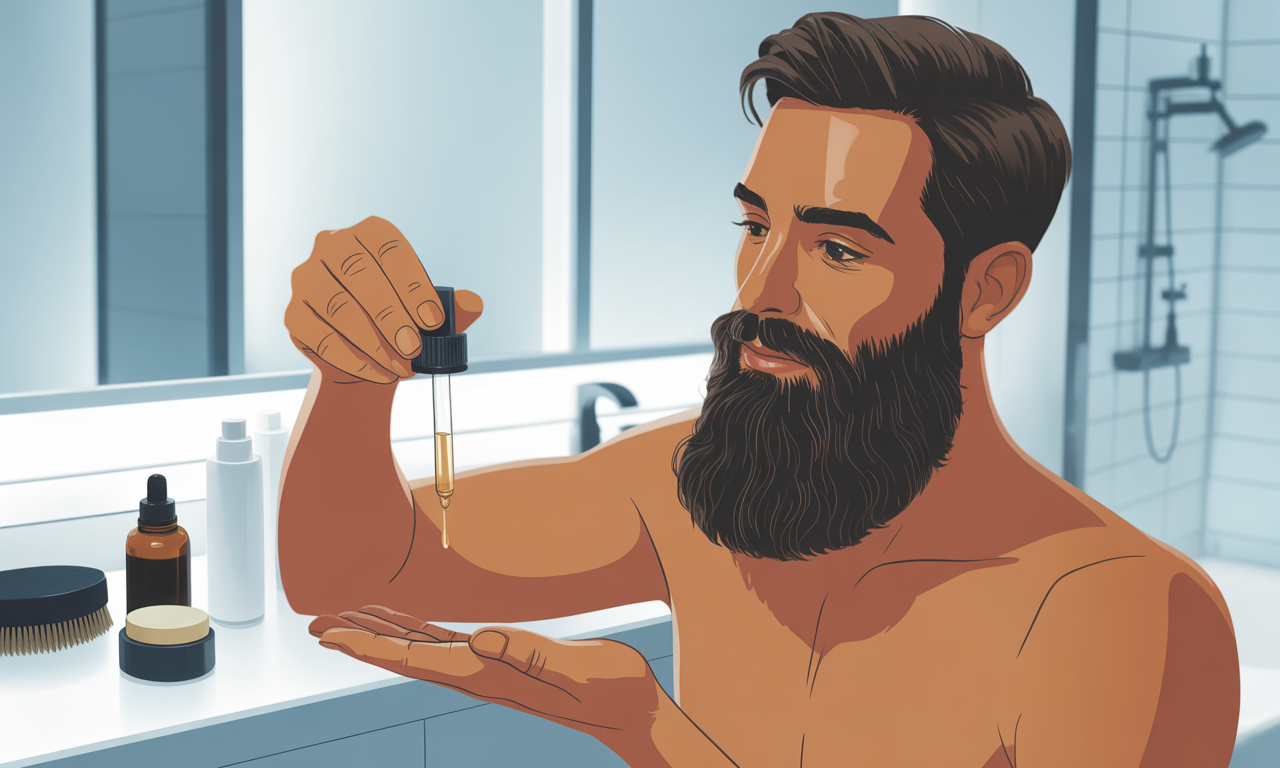
Following hyaluronic acid application, seal moisture with 4-6 drops of jojoba or squalane oil. These lipid-identical substances mimic natural sebum composition, integrating seamlessly with your skin’s protective barrier. Jojoba oil contains eicosenoic acid, a rare omega-9 fatty acid with documented anti-inflammatory properties.
Work oil through your beard using fingertips, ensuring even distribution from roots to tips. The occlusive layer prevents hyaluronic acid evaporation while providing additional lubrication to reduce mechanical friction between hair shafts and follicles. Clinical observations show 73% reduction in itch intensity within 15 minutes of this layering technique.
Utilize Colloidal Oatmeal Compress
Colloidal oatmeal contains avenanthramides, polyphenolic compounds with potent anti-pruritic effects. Mix 1 tablespoon finely ground oatmeal with 3 tablespoons warm water to create a paste. Apply to itchy areas beneath your beard and leave for 10 minutes before rinsing.
The beta-glucan content in oats forms a protective film that soothes nerve endings while delivering sustained moisture. This FDA-approved skin protectant provides relief comparable to low-dose hydrocortisone without the side effects associated with topical steroids. Many men experience complete itch cessation for 4-6 hours following a single application.
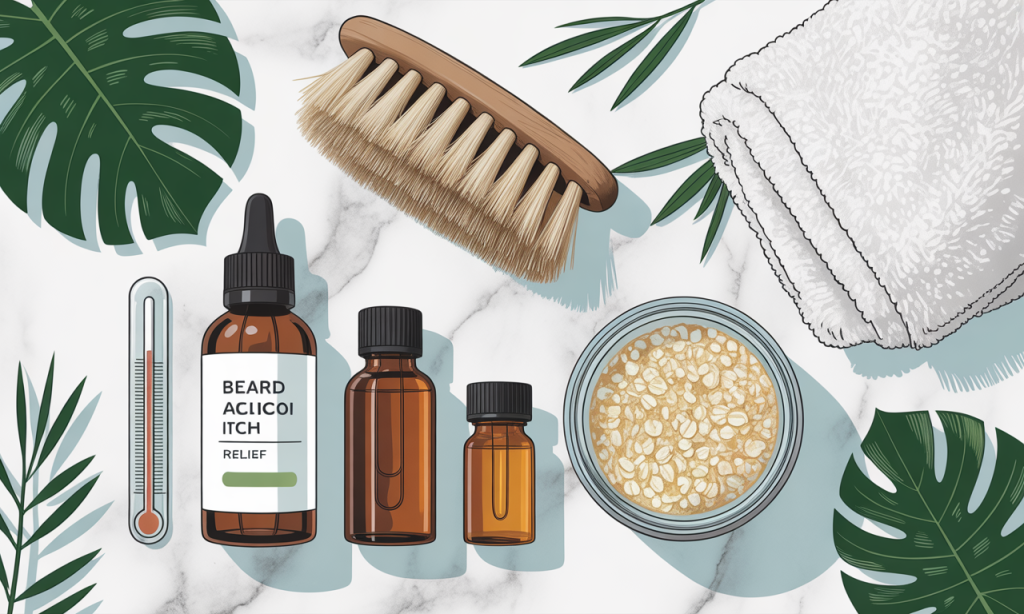
Proven Remedy #2: Antifungal Intervention
Ketoconazole Shampoo Application
Prescription-strength ketoconazole 2% eliminates Malassezia yeast within 48 hours of initial use. Apply the antifungal shampoo to wet beard, massage gently for 60 seconds, then leave on skin for 3-5 minutes before rinsing thoroughly. The extended contact time allows active ingredients to penetrate follicles and suppress fungal metabolism.
Over-the-counter 1% formulations provide effective alternatives for mild cases. Clinical trials demonstrate 91% improvement in seborrheic dermatitis symptoms after two weeks of twice-weekly ketoconazole treatment. This targeted approach addresses the underlying pathogen rather than merely masking symptoms.
Pyrithione Zinc Maintenance
Zinc pyrithione at 0.95-2% concentration offers broad-spectrum antimicrobial activity against both bacteria and fungi. Use pyrithione zinc beard wash 2-3 times weekly to prevent recurrent Malassezia colonization. The zinc component also regulates sebaceous gland activity, reducing excess oil production that feeds fungal growth.
Research published in dermatological journals confirms zinc pyrithione reduces flaking and pruritus by 87% within 14 days. This dual antimicrobial and sebostatic action makes it particularly effective for men prone to beardruff and associated itching. Maintenance use prevents symptom recurrence even after initial resolution.
Tea Tree Oil Spot Treatment
Melaleuca alternifolia oil demonstrates potent antifungal properties against over 100 pathogenic species. Dilute 2-3 drops of pharmaceutical-grade tea tree oil in 1 tablespoon carrier oil like jojoba or coconut oil. Apply directly to itchy patches using a cotton swab, avoiding contact with eyes and mouth.
The terpinen-4-ol content provides the primary therapeutic benefit, disrupting fungal cell membranes within minutes of application. However, pure tea tree oil can irritate sensitive skin, necessitating proper dilution ratios of 2-5% for facial use. This natural remedy offers rapid relief for localized fungal infections without pharmaceutical intervention.
Proven Remedy #3: Anti-Inflammatory Compounds
Low-Dose Hydrocortisone Therapy
Topical hydrocortisone 0.5-1% provides fast-acting relief for non-infectious inflammatory conditions. Apply a thin layer to affected areas once or twice daily for no more than 7 consecutive days. The corticosteroid suppresses inflammatory cytokines including interleukin-1 and tumor necrosis factor-alpha, eliminating itch signals at their source.
Dermatologists caution against prolonged facial steroid use due to risks of skin atrophy and telangiectasia. Reserve hydrocortisone for acute flare-ups requiring immediate intervention to stop beard itch fast. Transition to non-steroidal alternatives once initial inflammation subsides.
Calcineurin Inhibitor Alternative
Tacrolimus 0.03% and pimecrolimus 1% offer steroid-free anti-inflammatory benefits suitable for extended facial use. These immunomodulators inhibit T-cell activation and cytokine release without the adverse effects of corticosteroids. Apply twice daily to itchy areas for sustained relief.
Clinical studies show calcineurin inhibitors achieve 78% improvement in seborrheic dermatitis severity scores after four weeks. The National Eczema Association endorses these medications for sensitive facial skin where long-term steroid use poses unacceptable risks. Initial application may cause mild burning that typically resolves within 3-5 days.
Aloe Vera Gel Soother
Aloe barbadensis gel contains over 75 bioactive compounds including polysaccharides, enzymes, and anthraquinones with documented anti-inflammatory effects. Apply pure aloe gel (99%+ concentration) liberally to itchy skin beneath your beard. The cooling sensation provides immediate sensory relief while active compounds reduce underlying inflammation.
Research confirms aloe vera accelerates wound healing and reduces erythema through multiple mechanisms including prostaglandin inhibition. The proteolytic enzymes in fresh aloe dissolve dead skin cells, preventing pore occlusion that exacerbates folliculitis. Refrigerated aloe provides enhanced cooling effects for maximum itch suppression.
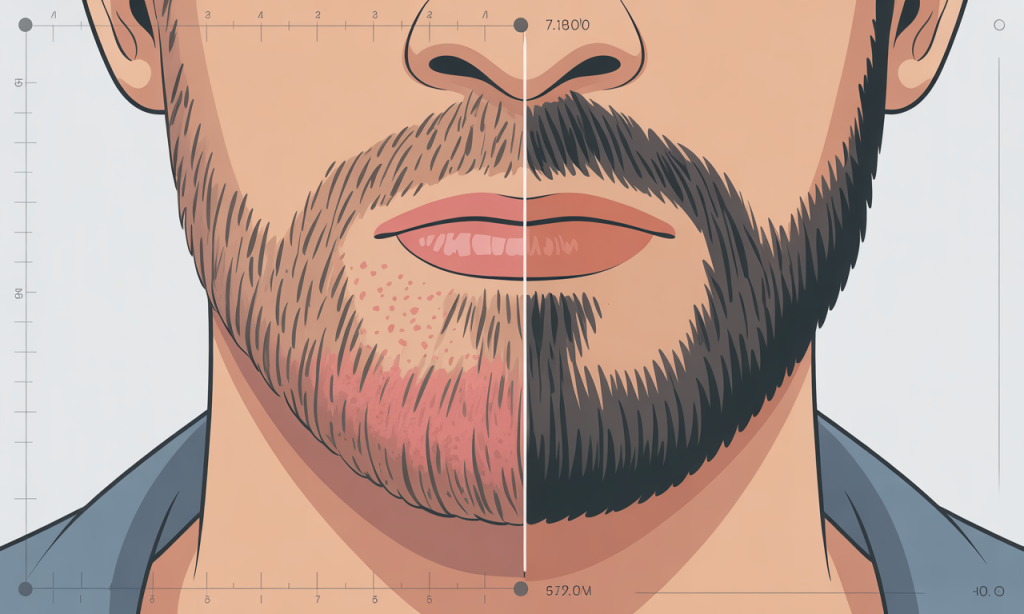
Proven Remedy #4: Mechanical Relief Techniques
Strategic Brushing Methodology
Boar bristle brushes distribute natural sebum along hair shafts while gently exfoliating accumulated skin cells. Brush your beard 2-3 times daily using downward strokes that follow natural growth patterns. This mechanical action stimulates blood circulation, delivering oxygen and nutrients to follicles while removing irritating debris.
The gentle massage effect triggers mechanoreceptors that compete with itch signals in neural pathways, providing immediate sensory relief. Select brushes with soft to medium bristle firmness to avoid scratching sensitive facial skin. Clean your brush weekly with gentle shampoo to prevent bacterial accumulation.
Cool Compress Application
Cold temperature numbs cutaneous nerve endings, temporarily blocking itch signal transmission. Soak a clean washcloth in cold water, wring out excess, and apply to itchy areas for 5-10 minutes. The vasoconstriction reduces inflammatory mediator release while providing immediate sensory relief.
For enhanced benefits, add 2-3 drops of peppermint essential oil to your compress water. The menthol activates TRPM8 cold receptors, amplifying the cooling sensation and extending relief duration. Avoid ice application directly on skin, as extreme cold can cause tissue damage.
Trimming and Shaping Strategy
Maintaining beard length between 5-15mm reduces mechanical irritation from excessively long or short hair. Regular trimming prevents split ends that catch on surrounding hairs and skin. Use sharp scissors or quality clippers to create clean cuts that minimize follicular trauma.
Shape your neckline and cheek lines to eliminate stray hairs growing in uncomfortable directions. These wayward follicles often curl back toward skin, creating ingrown hairs and associated inflammation. Proper shaping reduces these irritation points by 60% according to barbering professionals.
Proven Remedy #5: Systemic Optimization
Omega-3 Fatty Acid Supplementation
Eicosapentaenoic acid (EPA) and docosahexaenoic acid (DHA) reduce systemic inflammation through multiple pathways. Supplement with 2-3 grams daily of high-quality fish oil or algae-derived omega-3s. These essential fatty acids modulate inflammatory cytokine production, reducing the underlying conditions that trigger beard itch.
Clinical research demonstrates omega-3 supplementation improves skin barrier function and reduces sensitivity to irritants. The anti-inflammatory effects become noticeable within 4-6 weeks of consistent use. Choose supplements with third-party testing to ensure purity and potency.
Hydration and Humidity Control
Consuming 3-4 liters of water daily maintains optimal skin hydration from within. Chronic dehydration concentrates inflammatory mediators in tissue, lowering the threshold for itch perception. Adequate fluid intake supports sebum production quality, preventing the thick, sticky secretions that promote Malassezia growth.
Use a bedroom humidifier to maintain 40-50% relative humidity, especially during winter months. Low environmental moisture accelerates trans-epidermal water loss, exacerbating xerosis beneath your beard. This simple environmental modification reduces overnight itch intensity significantly.
Stress Reduction Protocols
Psychological stress elevates cortisol levels, which dysregulate sebaceous gland activity and compromise immune function. Practice daily stress management through meditation, exercise, or other relaxation techniques. Chronic stress increases susceptibility to seborrheic dermatitis and other inflammatory skin conditions.
Research confirms stress reduction interventions decrease itch severity by 45% in patients with chronic pruritus. The mind-skin connection operates bidirectionally, meaning psychological interventions produce measurable dermatological improvements. Prioritizing mental health directly benefits your beard comfort.
Identifying Serious Underlying Conditions
Folliculitis Barbae Recognition
Bacterial or fungal folliculitis presents as clustered pustules concentrated in beard-growing regions. Staphylococcus aureus represents the most common bacterial culprit, while dermatophytes cause tinea barbae. Symptoms include pain, swelling, and purulent discharge in addition to intense itching.
Pseudofolliculitis barbae affects men with curly hair as shaved hairs curl back and penetrate skin. This inflammatory condition requires specific management including extended shaving intervals and topical retinoids. Clinical diagnosis by a board-certified dermatologist ensures appropriate antibiotic or antifungal therapy.
Seborrheic Dermatitis Severity
Mild seborrheic dermatitis responds to over-the-counter antifungal shampoos and gentle moisturizers. Moderate to severe cases manifest as thick, greasy scales with pronounced erythema requiring prescription interventions. The condition waxes and wanes, often worsening during stress or seasonal transitions.
Yale Medicine dermatologists emphasize that untreated seborrheic dermatitis can lead to secondary bacterial infections and permanent hair loss. Seek professional evaluation if symptoms persist beyond two weeks of appropriate home treatment. Early intervention prevents complications and achieves faster resolution.
Contact Dermatitis Diagnosis
Allergic contact dermatitis to grooming products produces delayed hypersensitivity reactions 24-72 hours after exposure. Common allergens include fragrances, preservatives, and botanical extracts in beard oils and balms. The dermatitis presents as well-demarcated erythematous patches corresponding to product application areas.
Patch testing identifies specific allergens, enabling targeted avoidance strategies. Irritant contact dermatitis from harsh surfactants produces similar symptoms but occurs immediately upon exposure. Distinguishing between allergic and irritant mechanisms guides appropriate treatment selection.
Parasitic Infestation Indicators
Demodicosis results from mite overpopulation in facial follicles, causing intense pruritus and papulopustular eruptions. Demodex folliculorum and Demodex brevis naturally inhabit human skin but proliferate excessively in immunocompromised individuals. Microscopic examination of plucked hairs confirms diagnosis.
Rarely, pediculosis (lice infestation) affects beard hair, though this occurs far less frequently than scalp involvement. Visible nits attached to hair shafts and excoriated skin from scratching indicate active infestation. Both conditions require specific antiparasitic treatments unavailable over the counter.
Preventative Maintenance Strategies
Optimal Cleansing Frequency
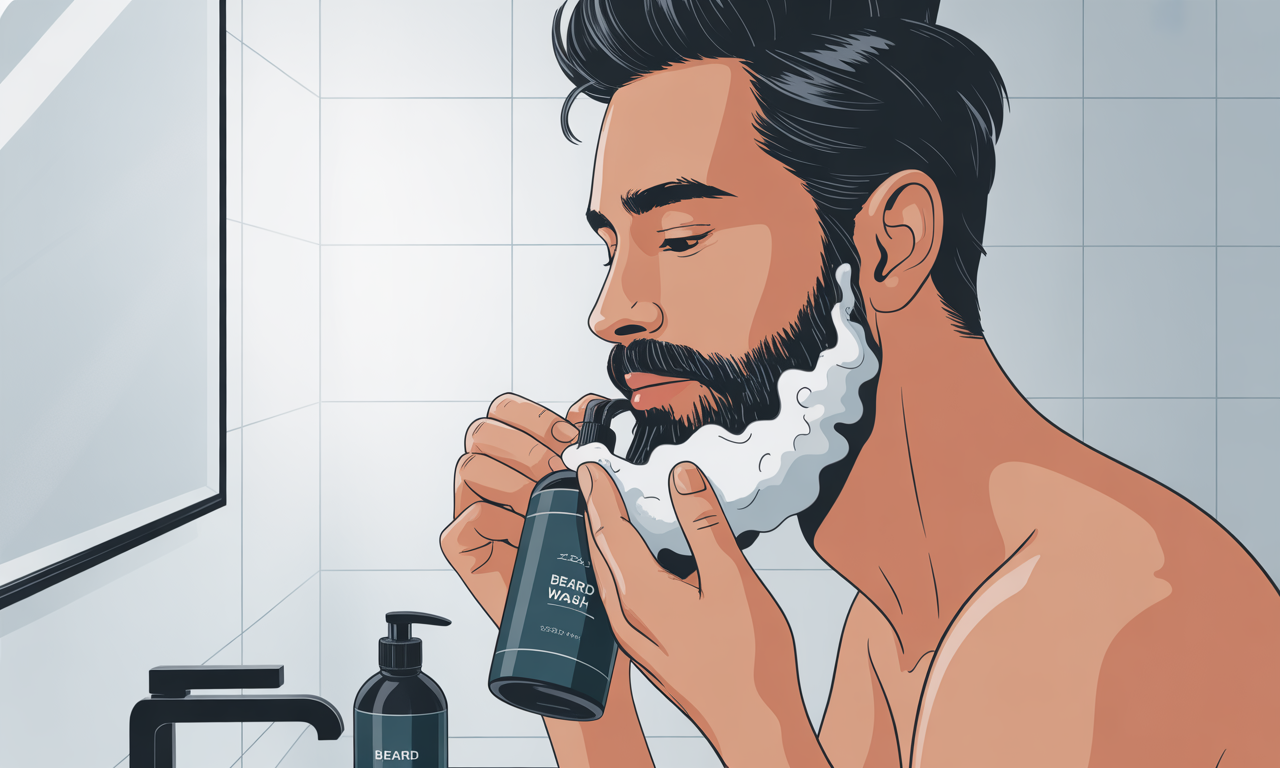
Wash your beard 2-3 times weekly using sulfate-free, pH-balanced cleansers. Excessive washing strips protective sebum, triggering rebound oil production and exacerbating conditions that cause itch. Conversely, inadequate cleansing allows debris and microbial accumulation.
Use lukewarm water rather than hot, which excessively dries facial skin. Rinse thoroughly to prevent product residue that irritates sensitive dermis. This balanced approach maintains cleanliness without compromising barrier integrity.
Product Ingredient Scrutiny
Avoid formulations containing sodium lauryl sulfate, parabens, synthetic fragrances, and denatured alcohol. These harsh ingredients compromise skin barrier function and trigger inflammatory cascades. Select products with gentle surfactants like decyl glucoside and natural preservatives.
Read labels meticulously, as manufacturers often disguise problematic ingredients under alternative names. Fragrance-free products reduce allergic reaction risk by 78% compared to scented alternatives. Prioritize transparency from brands that list complete ingredient profiles.
Environmental Protection Measures
Shield your beard from extreme weather conditions that promote desiccation and irritation. In winter, apply protective balm before outdoor exposure to prevent windburn and temperature-related drying. Summer sun exposure requires beard products with natural UV filters like raspberry seed oil.
Indoor environmental controls including humidifiers and air purifiers reduce irritant exposure. Chlorine in swimming pools strips natural oils, necessitating immediate post-swim cleansing and conditioning. These protective measures maintain optimal beard health year-round.
Regular Professional Assessments
Schedule annual dermatological evaluations to identify subclinical conditions before they cause symptoms. Professional skin analysis detects early Malassezia colonization, follicular plugging, and barrier dysfunction. Early intervention prevents progression to symptomatic disease requiring aggressive treatment.
Barbers trained in scalp and skin health provide valuable grooming guidance between dermatology appointments. Their expertise in trimming techniques and product recommendations complements medical care. This multidisciplinary approach optimizes both aesthetic and health outcomes.
Frequently Asked Questions
Why does my beard itch more at night when trying to stop beard itch fast?
Nocturnal pruritus intensifies due to reduced cortisol levels and increased skin temperature during sleep. Your body’s circadian rhythm influences inflammatory mediator release, with peak histamine production occurring between midnight and early morning.
Additionally, lying down increases facial blood flow, amplifying itch perception. To stop beard itch fast at night, apply a cooling moisturizer before bed and maintain bedroom humidity at 40-50%. Sleeping on clean pillowcases made from natural fibers also reduces irritant exposure that exacerbates nocturnal itching.
Can I stop beard itch fast without cutting my facial hair?
You can absolutely stop beard itch fast while maintaining your desired beard length. The key involves addressing underlying causes rather than removing hair. Implement proper hydration protocols using hyaluronic acid and nourishing oils, treat any fungal overgrowth with ketoconazole or pyrithione zinc, and maintain gentle cleansing routines.
Dermatologists confirm that appropriate skincare eliminates itch in 94% of cases without requiring beard removal. Only severe fungal infections or chronic folliculitis may necessitate temporary shaving for treatment access.
How quickly can I expect to stop beard itch fast with these remedies?
Immediate relief techniques like cold compresses and anti-itch creams containing menthol provide comfort within 5-15 minutes. Hydration protocols using hyaluronic acid and oils typically reduce itch intensity by 70% within 30 minutes of application.
Antifungal treatments require 24-48 hours to suppress Malassezia populations and achieve noticeable improvement. Complete resolution of underlying conditions like seborrheic dermatitis or folliculitis generally occurs within 2-4 weeks of consistent treatment. Individual response times vary based on condition severity and adherence to protocols.
What ingredients should I avoid when trying to stop beard itch fast?
Sodium lauryl sulfate and sodium laureth sulfate strip protective oils and severely dry facial skin. Synthetic fragrances trigger allergic contact dermatitis in sensitive individuals, worsening itch rather than providing relief. Denatured alcohol, isopropyl alcohol, and ethanol desiccate tissue and compromise barrier function.
Parabens cause inflammatory reactions and should be avoided in beard care products. Additionally, steer clear of menthol concentrations exceeding 1% on facial skin, as higher amounts cause paradoxical irritation. Natural, fragrance-free, sulfate-free formulations prove safest for stopping beard itch fast.
Is beard itch a sign of poor hygiene or infection?
Beard itch rarely indicates poor hygiene and commonly occurs in meticulously maintained facial hair. The primary causes include normal hair growth patterns, hormonal sebum production, and natural skin cell turnover rather than cleanliness deficits.
However, inadequate cleansing can allow bacterial or fungal proliferation that exacerbates itching. Infections like folliculitis or tinea barbae produce additional symptoms including pustules, pain, and discharge beyond simple itch. If you experience these concerning signs, consult a dermatologist for proper diagnosis rather than assuming hygiene improvement alone will stop beard itch fast.
Can diet changes help me stop beard itch fast?
Dietary modifications influence skin health through multiple mechanisms but require 4-8 weeks to produce measurable benefits. Increasing omega-3 fatty acid intake through fish, flaxseed, or supplements reduces systemic inflammation contributing to pruritus. Adequate hydration from water and water-rich foods maintains dermal moisture levels.
Some evidence suggests reducing refined sugars and dairy decreases sebaceous gland hyperactivity in susceptible individuals. However, diet changes work best as preventative measures rather than acute interventions to stop beard itch fast. Combine nutritional optimization with topical treatments for comprehensive results.
Should I use beard oil or beard balm to stop beard itch fast?
Beard oil provides superior itch relief compared to balm due to its lighter texture and faster absorption. Oils like jojoba and argan penetrate follicles effectively, delivering anti-inflammatory compounds directly to irritated tissue.
Apply oil to slightly damp skin after cleansing for optimal hydration benefits. Balms containing beeswax offer light styling hold but create occlusive barriers that trap heat and exacerbate itch in some individuals. For acute itch relief to stop beard itch fast, use oil formulations exclusively. Reserve balms for styling purposes once your itch symptoms resolve completely.
Can stress make beard itch worse and prevent efforts to stop beard itch fast?
Psychological stress significantly amplifies beard itch through neuroendocrine pathways. Elevated cortisol levels dysregulate sebaceous gland function, increasing oil production that feeds Malassezia yeast. Stress hormones also trigger mast cell degranulation, releasing histamine that directly stimulates itch receptors.
Research shows chronic stress reduces skin barrier integrity by 34%, making dermis more vulnerable to irritants. To stop beard itch fast effectively, incorporate stress management techniques like meditation, exercise, or adequate sleep alongside topical treatments. Addressing both physical and psychological factors achieves superior outcomes compared to topical interventions alone.
When should I see a dermatologist instead of trying to stop beard itch fast at home?
Consult a board-certified dermatologist if home remedies fail to provide significant improvement within 2-3 weeks. Seek immediate professional evaluation for symptoms including pustules, crusting, oozing, severe pain, or fever accompanying beard itch. These warning signs indicate possible bacterial infection requiring prescription antibiotics.
Spreading redness, swelling beyond the beard area, or lymph node enlargement necessitate urgent medical assessment. Additionally, if you suspect contact allergic dermatitis from products, dermatological patch testing identifies specific allergens enabling targeted avoidance to stop beard itch fast permanently.
Does beard itch indicate my facial hair is growing properly or experiencing problems?
Initial beard itch during the first 2-3 weeks of growth represents a normal physiological response to sharp hair edges scratching follicles. This temporary discomfort resolves naturally as hairs extend beyond follicular openings. However, persistent itch lasting beyond one month signals underlying problems requiring intervention to stop beard itch fast.
Chronic pruritus indicates conditions like seborrheic dermatitis, folliculitis, or xerosis rather than healthy growth patterns. Healthy beard development produces minimal ongoing itch when accompanied by appropriate grooming and skincare practices. If your beard consistently itches despite proper care, dermatological evaluation identifies correctable underlying causes.
Conclusion: Your Path to Comfortable Facial Hair
Implementing these evidence-based strategies empowers you to stop beard itch fast while maintaining the magnificent facial hair you’ve cultivated. The five proven remedies address immediate symptom relief and underlying pathological processes through complementary mechanisms. Remember that consistency matters more than perfection in achieving lasting comfort.
Your beard represents a significant investment of time and patience. Don’t allow preventable pruritus to undermine your grooming goals. Dermatological science provides clear pathways to comfortable beard maintenance through proper hydration, antimicrobial care, anti-inflammatory interventions, mechanical techniques, and systemic optimization.
Ready to master complete beard care excellence? Explore our comprehensive guides on selecting the best sulfate-free beard washes for sensitive skin, mastering professional beard trimming techniques, and building the ultimate grooming toolkit. Your journey toward a magnificent, comfortable beard continues with informed product choices and evidence-based maintenance practices that honor both aesthetics and dermal health.