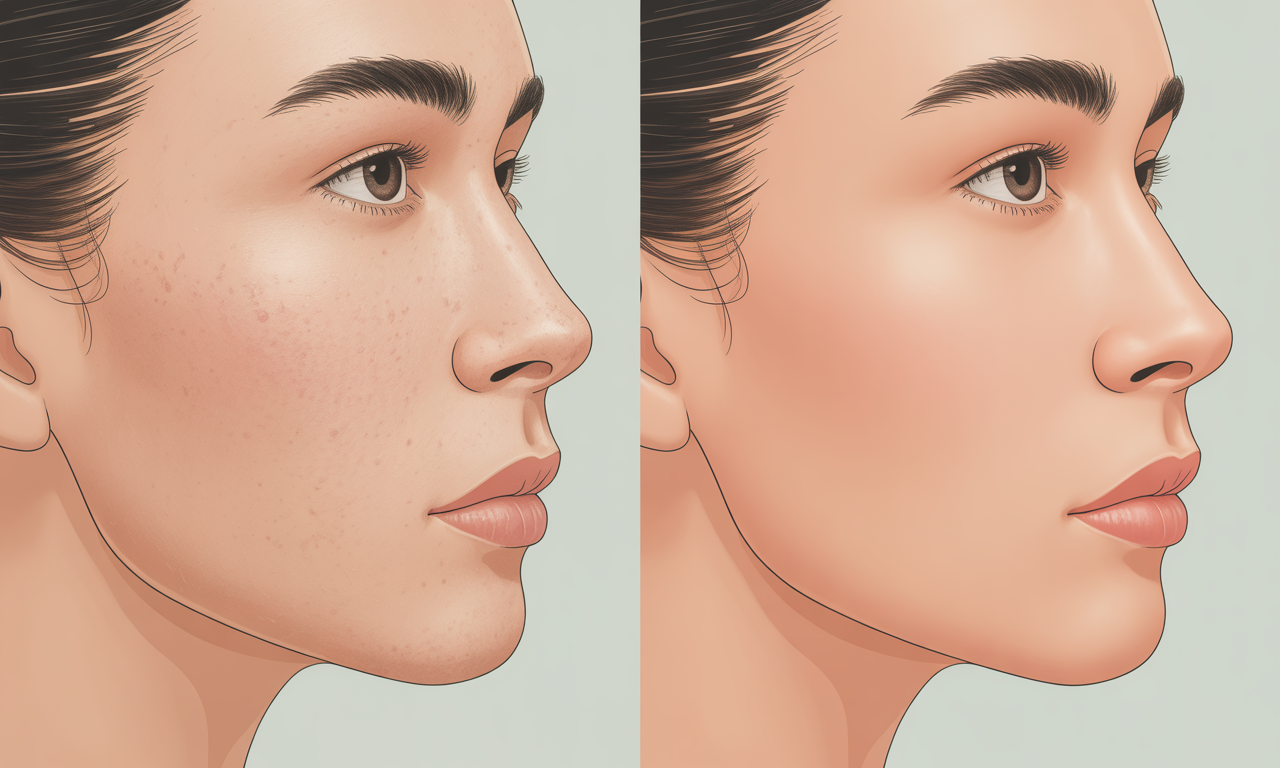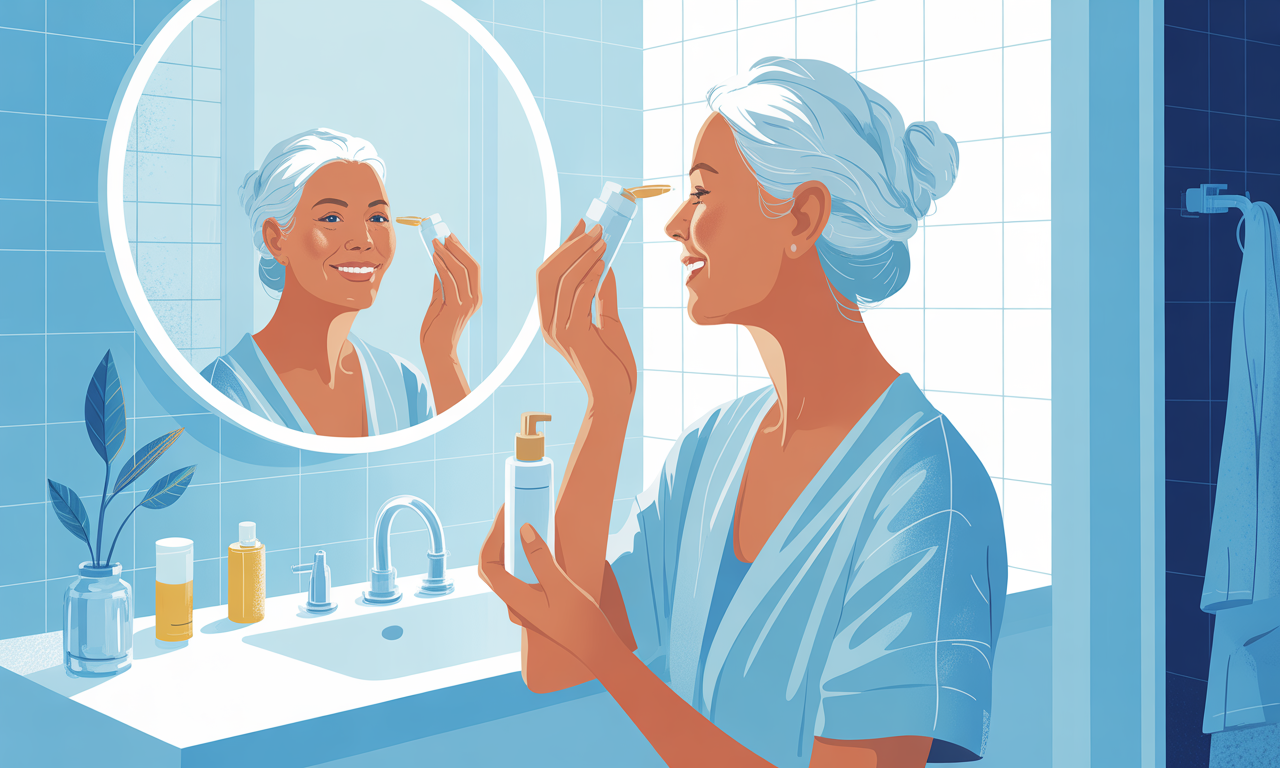
Reaching your 50s is a milestone worth celebrating, but it often brings a shift in how your skin behaves. After six decades in the skin and hair care industry, I have seen every fad come and go, but the true principles of lasting beauty remain constant.
The five anti-aging tips for 50s aren’t about trying to look twenty again; they are about giving your skin the resilience and vitality it deserves right now. Embracing these anti-aging tips for 50s can transform your skincare routine.
At this stage, hormonal shifts—primarily the drop in estrogen during menopause—can lead to dryness, thinning, and a loss of bounce. Many people panic and layer on heavy creams that sit on the surface.
However, true rejuvenation requires a strategic approach that works with your biology rather than against it. It is about shifting from “maintenance” to “active nourishment.”
In this guide, we will move beyond the basic advice of “wash your face” and dive into the specific, evidence-based protocols that actually make a difference for mature skin. Let’s explore the tools that will keep you glowing for decades to come.
1. Prioritize Retinoids for Cellular Renewal
Essential Anti-Aging Tips for 50s
The Gold Standard
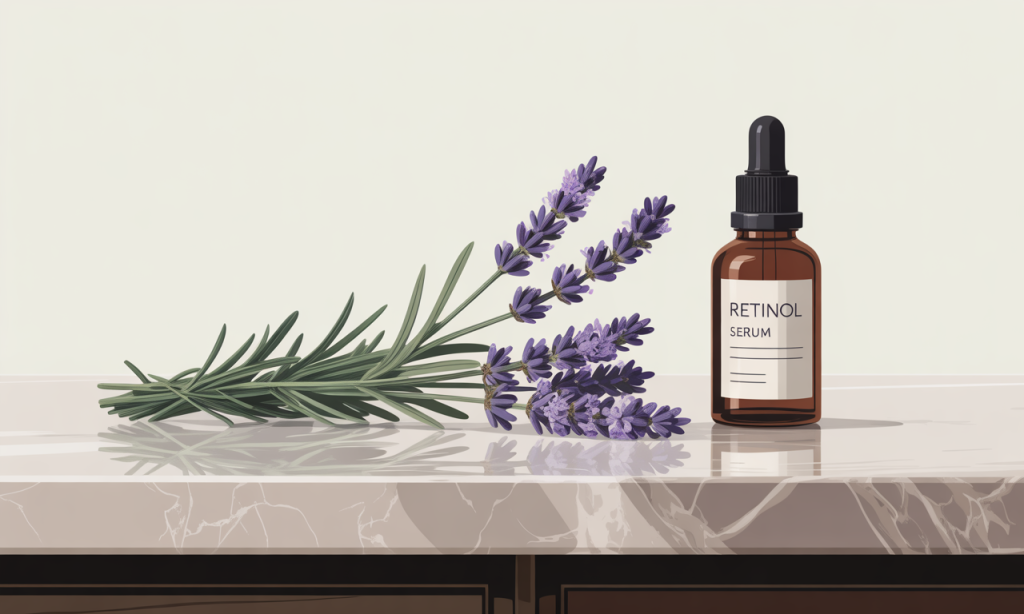
If there is one ingredient that acts as a time machine, it is retinol. As we age, cell turnover slows, leaving dull, dead cells on the surface. Retinoids (vitamin A derivatives) speed this process back up, revealing the fresher skin underneath. They also stimulate fibroblasts, the cells responsible for producing collagen, which helps thicken thinning skin and smooth out fine lines.
Gradual Integration is Key
The mistake I see most often is rushing in. Mature skin is more delicate, so starting with a high-strength prescription can cause redness and peeling.
- Start Slow: Begin with an over-the-counter retinol serum, using it 2 nights a week.
- Buffer It: Apply moisturizer before your retinol if your skin feels sensitive.
- Consistency Wins: You won’t see results overnight; it takes about 12 weeks to see significant changes in texture and tone.
2. Double Down on Hydration
Hyaluronic Acid Layering
In your 50s, your skin’s natural oil production drops significantly, leading to that “tight” feeling. Hyaluronic acid is a magnet for moisture, holding up to 1000 times its weight in water. But here is the secret: you must seal it in. Apply your hyaluronic serum to damp skin, then immediately follow with a lipid-rich cream to lock that water into the deeper layers.
Internal Hydration Matters
Topical products can only do so much if you are dehydrated on the inside. As we age, our thirst mechanism blunts, meaning we often don’t drink enough water.
- Eat Your Water: Incorporate water-rich foods like cucumbers, melons, and berries.
- Omega-3s: Supplementing with flaxseed or fish oil helps strengthen the skin’s lipid barrier from the inside out, keeping moisture locked in.

3. Embrace Strength Training for Skin
The Muscle-Skin Connection
This might surprise you, but lifting weights is one of the best five anti-aging secrets for 50s. Recent research has shown that resistance training actually rejuvenates the skin by reducing circulating inflammatory factors. It thickens the dermal layer, which naturally thins with age, giving your skin a firmer, more supported foundation.
Circulation and Glow
Exercise increases blood flow, delivering oxygen and nutrients to skin cells while flushing out waste products. You don’t need to become a bodybuilder; consistent resistance exercises—like using resistance bands or light weights—two to three times a week can significantly improve your skin’s elasticity and overall tone.
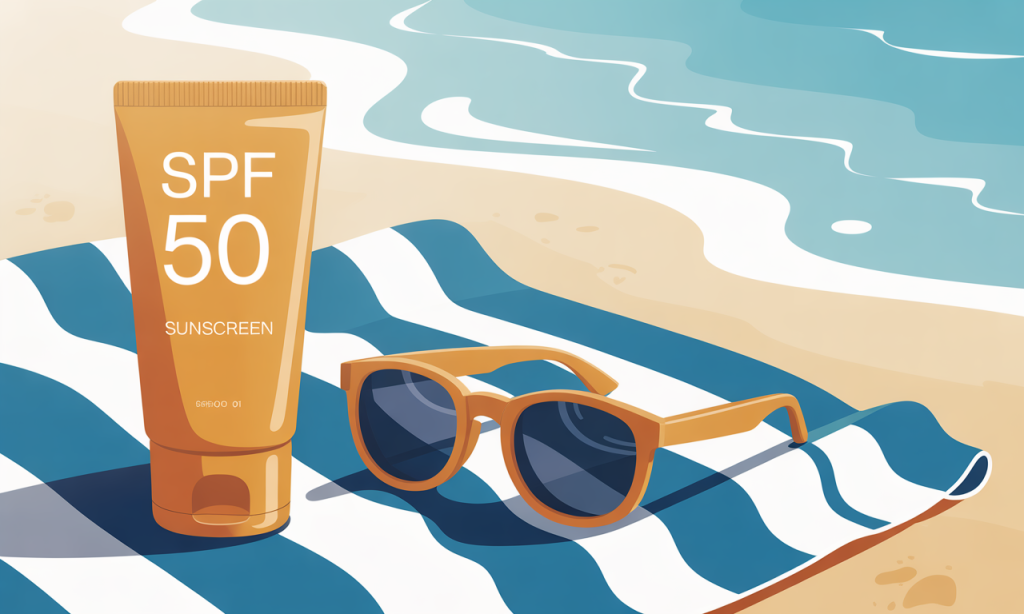
4. Never Skip the Sunscreen
It Is Not Too Late
Many people think their 50s already do the damage, but that is a myth. UV rays continue to degrade collagen and elastin every single day. Daily sunscreen use allows your skin the “breathing room” it needs to repair existing damage rather than fighting off new assaults. Studies show that daily SPF users have 24% less skin aging than those who use it sporadically.
Broad Spectrum Protection
Look for “broad spectrum” on the label, which protects against both UVA (aging) and UVB (burning) rays.
- Mineral Options: Zinc oxide or titanium dioxide formulas are often less irritating for mature, sensitive skin.
- Don’t Forget the Neck: The neck and chest (décolletage) have thinner skin and age faster; treat them with the same care as your face.
5. Boost Collagen Internally
The Supplement Advantage
While topical collagen molecules are often too large to penetrate the skin, oral collagen peptides have shown promising results. Clinical trials indicate that taking hydrolyzed collagen supplements can significantly improve skin elasticity, hydration, and wrinkle depth after just 8 to 12 weeks. It provides the raw building blocks your body needs to repair its structural mesh.
Dietary Sources
You can also boost your collagen intake through food. Bone broth is a rich, natural source. Additionally, ensure you are getting enough Vitamin C (from citrus, peppers, or strawberries), as it is the essential cofactor your body requires to synthesize new collagen fibers.

Frequently Asked Questions
Is retinol safe for sensitive skin in my 50s?
Yes, retinol can be safe for sensitive skin if used correctly. The key is to start with a low concentration (around 0.25% or 0.5%) and apply it only once or twice a week initially. You can also use the “sandwich method” by applying moisturizer first, then retinol, then moisturizer again to buffer its intensity without losing effectiveness.
Do collagen supplements really work for wrinkles?
Yes, multiple studies suggest that hydrolyzed collagen supplements can improve skin hydration and elasticity. The peptides are absorbed by the body and stimulate your own cells to produce more collagen. However, results vary, and consistency is crucial—it typically takes about 3 months to see visible improvements.
Why is my skin suddenly so dry in my 50s?
The primary culprit is the drop in estrogen levels associated with menopause. Estrogen plays a vital role in stimulating oil production and maintaining water retention in the skin. When levels fall, the skin barrier becomes weaker and holds less moisture, leading to that characteristic dryness and itchiness.
Can exercise really help my skin look younger?
Absolutely. Resistance training, in particular, has been shown to increase dermal thickness (the deeper layer of skin) and reduce inflammatory markers. Improved circulation from exercise also delivers more oxygen and nutrients to the skin, giving you that immediate post-workout glow and long-term structural benefits.
What is the best type of sunscreen for mature skin?
Mineral sunscreens containing zinc oxide or titanium dioxide are often best for mature skin. They sit on top of the skin rather than being absorbed, making them less likely to irritate. Look for moisturizing formulas that contain added hydrators, such as ceramides or hyaluronic acid, to tackle dryness while protecting.
How often should I exfoliate in my 50s?
You should be gentle. Over-exfoliating can damage the thinning skin barrier. Aim to exfoliate 1-2 times a week with a mild chemical exfoliant, such as lactic acid ora polyhydroxy acid (PHA), which hydrates and removes dead cells. Avoid harsh physical scrubs with jagged particles, as they can cause micro-tears.
Do I really need a separate neck cream?
While you can bring your facial skincare down to your neck, the skin there is thinner and has fewer oil glands, making it age faster. Specialized neck creams often contain richer moisturizing ingredients and specific firming peptides designed to target the unique “crepey” texture of neck skin.
Does sleep affect skin aging?
Yes, significantly. During deep sleep, your body enters repair mode, producing growth hormones that fix damaged cells. Chronic sleep deprivation increases cortisol levels, which break down collagen. Poor sleepers have been shown to exhibit more fine lines, uneven pigmentation, and reduced skin elasticity than good sleepers.
What ingredients should I look for in a serum?
For anti-aging in your 50s, look for a “trio” of ingredients: Vitamin C for morning protection and brightening, Hyaluronic Acid for deep hydration, and Retinol or Peptides for evening repair and collagen stimulation. This combination covers protection, hydration, and regeneration.
Is it too late to start a skincare routine at 50?
It is never too late. While you cannot erase decades of sun damage overnight, the skin is a living organ with an incredible capacity for repair. Starting a routine now with sunscreen, retinoids, and moisturizers can visibly improve texture, tone, and health within a few months.
Conclusion
Navigating your 50s is about embracing a new chapter of self-care. By implementing these five anti-aging secrets for 50s—using retinoids, hydrating deeply, lifting weights, protecting with SPF, and boosting collagen—you are giving your skin the tools it needs to thrive. Remember, beauty at this age is not about erasing the past; it is about illuminating the present.
Be consistent, be patient, and treat your skin with the kindness it deserves. Explore more evidence-based nutrition guides to optimize your health and wellness on the Skin & Hair Care page.