In my six decades of guiding women through the ebbs and flows of menstrual health, one silent thief has consistently stolen vitality from my clients: iron deficiency anemia.
It is easy to dismiss feeling drained as just “part of being a woman” or a side effect of a busy life. However, your period should not leave you feeling like a deflated balloon every month.
Recognizing the 7 anemia signs in periods is the first step toward reclaiming your energy and understanding what your body is trying to tell you. Anemia occurs when your body lacks enough healthy red blood cells to carry adequate oxygen to your tissues.
For menstruating women, the most common culprit is heavy blood loss that depletes iron stores faster than diet can replenish them. It creates a vicious cycle: heavy periods cause anemia, and anemia can sometimes affect the quality of your uterine lining.
I have seen countless women suffer unnecessarily because they didn’t know the symptoms. You do not have to just “power through.” Let’s explore the seven key indicators that your monthly cycle might be draining your iron reserves.
1. Unrelenting Fatigue and Weakness
More Than Just “Tired”
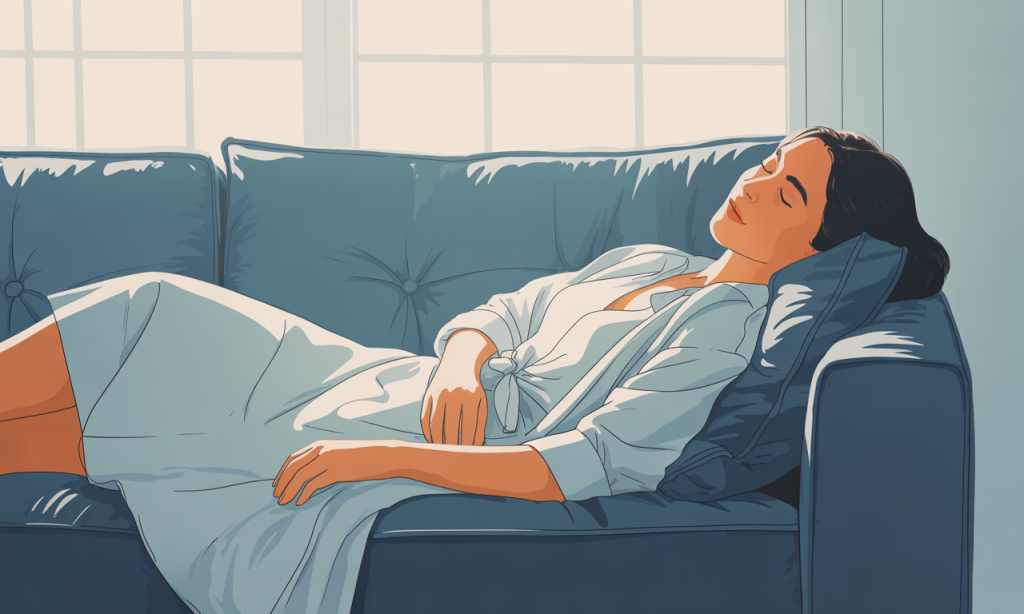
We all feel sleepy sometimes, but anemia fatigue is different. It is a bone-deep exhaustion that sleep doesn’t fix. You might wake up feeling just as tired as when you went to bed. This happens because your organs aren’t getting enough oxygen to function efficiently.
Physical Weakness
If lifting a laundry basket suddenly feels like a workout, or your limbs feel heavy like lead, take note. This muscle weakness is a hallmark of iron deficiency. Your muscles need oxygen to contract and generate power; without it, they fatigue rapidly even under light loads.
2. Heavy or Prolonged Bleeding
The “Soaking” Rule
One of the most obvious 7 anemia signs in periods is the nature of the period itself. If you are soaking through a pad or tampon every hour for several hours, that is not normal. Changing your protection during the night is another red flag.
The 7-Day Threshold
Bleeding that lasts longer than seven days significantly increases your risk of iron deficiency. It is a simple math problem: you are losing iron faster than you can eat it. If your “heavy days” seem to stretch on forever, your iron stores are likely in the danger zone.
3. Breathlessness and Heart Palpitations
Air Hunger
Have you ever felt out of breath just walking up a flight of stairs you usually tackle with ease? This “air hunger” occurs because your blood lacks the hemoglobin needed to transport oxygen. Your lungs work overtime to compensate, leaving you winded from minor exertion.
Racing Heartbeat
You might notice your heart fluttering or beating faster than usual (tachycardia), even when you are sitting still. Your heart has to pump harder and faster to move the limited oxygen-rich blood around your body. This can feel like anxiety, but often, it is a physical response to low iron.

4. Dizziness and Lightheadedness
The Room Spanning Sensation
Feeling dizzy when you stand up quickly is common, but with anemia, this lightheadedness can happen frequently or even while seated. It is a direct result of reduced oxygen supply to the brain.
Mental Fog
Along with dizziness often comes “brain fog” or difficulty concentrating. If you feel like you are thinking through molasses during your period, it might not just be hormones. Your brain is an energy-hogging organ, and it struggles when oxygen is scarce.
5. Pale Skin and Inner Eyelids
The “Ghostly” Pallor
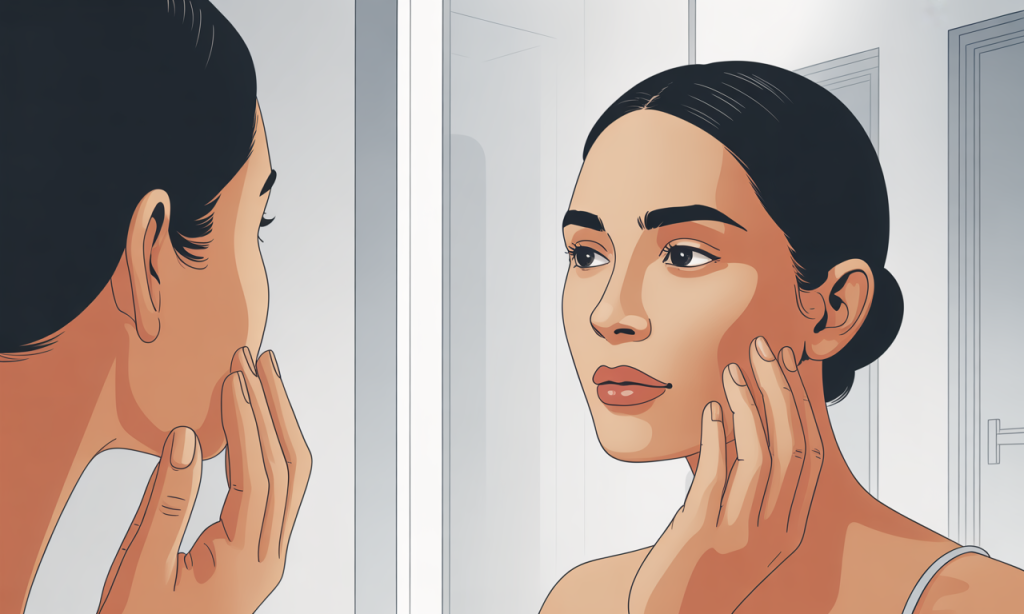
Hemoglobin gives blood its red color, which in turn gives your skin its rosy hue. When iron levels drop, skin can become noticeably paler. This might be harder to see on darker skin tones, so checking other areas is crucial.
The Eyelid Check
Pull down your lower eyelid and look at the inner rim. It should be a vibrant pink or red. If it looks pale pink or yellow, this is a classic clinical sign of anemia. This test is reliable across all skin tones and is a quick way to self-check at home.
6. Cold Hands and Feet
Poor Circulation
If you are constantly wearing socks even in warm weather, or your fingers turn white and numb easily, anemia could be to blame. With limited blood supply, your body prioritizes sending blood to vital organs like the heart and brain, leaving your extremities chilly.
Temperature Sensitivity
Anemic women often have a harder time regulating their body temperature in general. You might feel freezing when everyone else is comfortable. This internal “thermostat” glitch is linked to lowered metabolic heat production due to lack of oxygen.
7. Strange Cravings (Pica)
The Ice Chewing Phenomenon
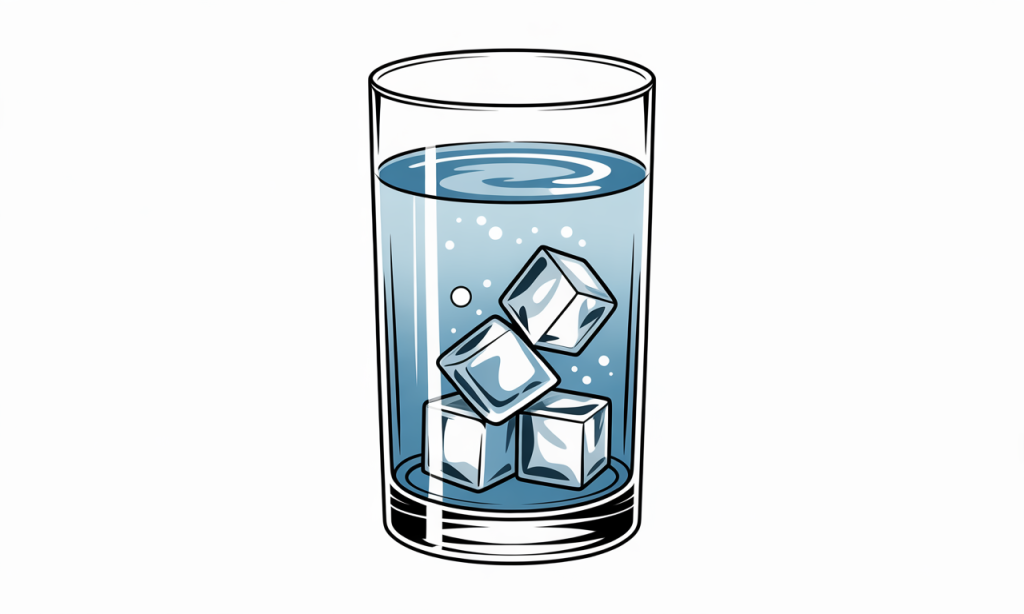
This is one of the most specific and strange 7 anemia signs in periods. “Pica” is the craving for non-food items, and for iron deficiency, the most common craving is ice (pagophagia). Some researchers believe chewing ice triggers an alertness response that combats fatigue.
Non-Food Items
While ice is common, pica can also manifest as cravings for clay, dirt, or cornstarch. If you find yourself inexplicably wanting to chew on these things, it is a strong signal from your body that you are severely mineral deficient.
Frequently Asked Questions
Can periods cause anemia even if they are regular?
Yes, periods can cause anemia even if they arrive on time every month. The deciding factor is the volume of blood loss, not the regularity. If your regular periods are heavy (menorrhagia) or last longer than 7 days, you can lose more iron than you consume, leading to a gradual depletion of your iron stores over time.
How much blood loss is considered “heavy”?
Medically, heavy menstrual bleeding is defined as losing 80ml or more of blood per cycle, but measuring that is hard at home. A practical rule of thumb is: if you soak through a pad or tampon every hour for several consecutive hours, pass clots larger than a quarter, or need to double up on protection, your flow is considered heavy.
Will taking iron supplements stop heavy periods?
Taking iron supplements will treat the anemia, but it usually won’t stop the heavy bleeding itself. You need to identify the root cause of the heavy flow (like fibroids or hormonal imbalance) to fix the volume issue. However, treating anemia can improve your energy and overall health while you address the menstrual issues.
What should I eat to fix anemia during my period?
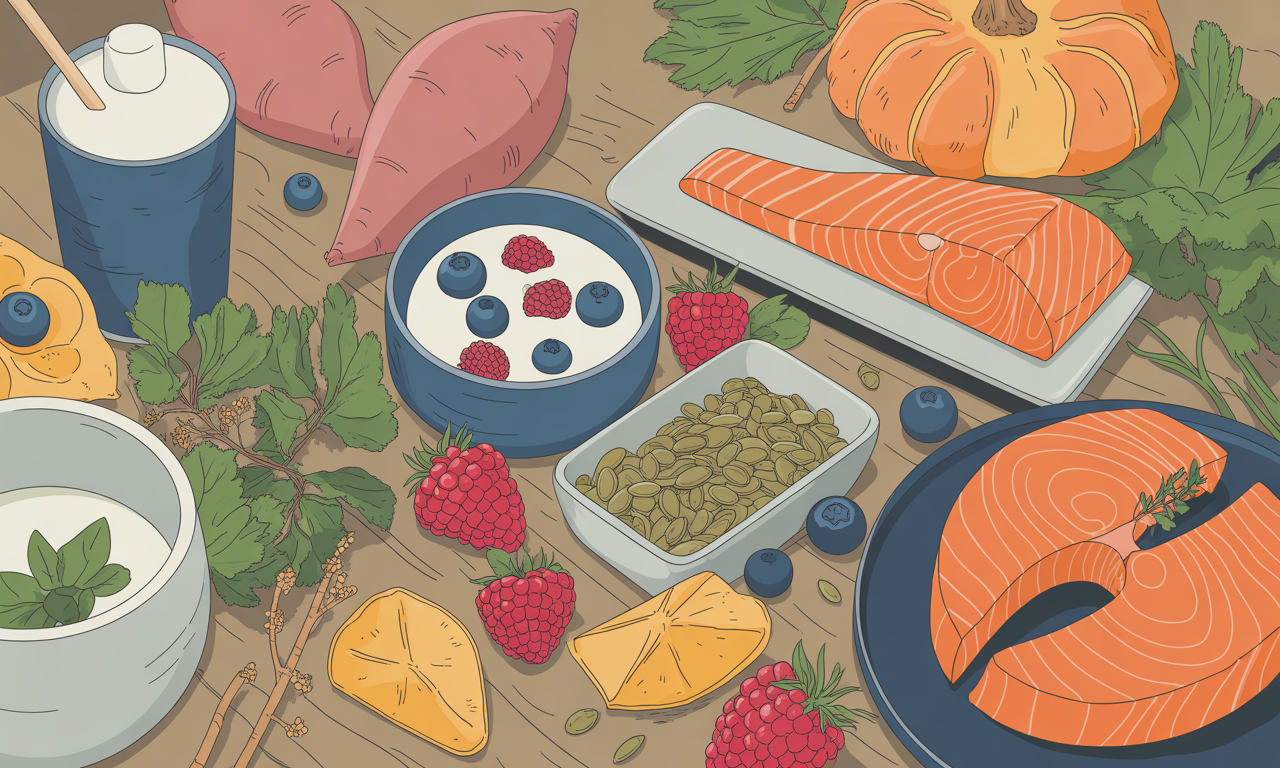
Focus on iron-rich foods like red meat, organ meats, spinach, lentils, and fortified cereals. Crucially, pair these with Vitamin C sources (like oranges or bell peppers) to boost absorption. Avoid drinking coffee or tea with meals, as the tannins can block iron absorption.
Can anemia cause your period to stop?
In severe cases, yes. Severe anemia places the body under significant stress and malnutrition. In response, your body may shut down non-essential functions like reproduction to preserve energy, leading to missed periods (amenorrhea) or very light, irregular cycles.
Is dizziness during my period always anemia?
Not always. Dizziness can also be caused by prostaglandins (chemicals that cause cramping) which can dilate blood vessels and lower blood pressure. Dehydration and low blood sugar are other common culprits. However, if dizziness is persistent and paired with fatigue, anemia is a strong possibility.
How do doctors test for anemia?
Doctors use a simple blood test called a Complete Blood Count (CBC) to check your hemoglobin and hematocrit levels.
They will also likely check your “ferritin” levels, which measures your stored iron. Ferritin is often the first number to drop, serving as an early warning sign before full-blown anemia hits.
Can I exercise if I have period anemia?
You should listen to your body. Light movement like walking or yoga can be helpful, but intense cardio might make you feel faint or breathless because your blood cannot deliver enough oxygen to your muscles. It is generally better to rest during the heaviest days of your flow if you are anemic.
Why do I crave ice when I am anemic?
The craving for ice, known as pagophagia, is a form of pica. While the exact biological mechanism isn’t fully understood, some studies suggest that chewing ice increases blood flow to the brain, providing a temporary boost in alertness and clarity for sluggish, anemic patients.
Does anemia go away after menopause?
For many women, iron deficiency anemia improves significantly after menopause because the monthly blood loss stops.
However, if you develop anemia after menopause, it is a serious red flag that requires immediate doctor attention, as it implies bleeding from somewhere else in the body.
Conclusion
Your menstrual cycle is a vital sign, and these 7 anemia signs in periods are its way of communicating with you. Fatigue, breathlessness, and pale skin are not burdens you simply have to bear.
They are invitations to investigate, nourish, and heal. By recognizing these symptoms early, you can take the necessary steps—be it dietary changes or a doctor’s visit—to restore your iron and get your spark back.
You deserve to feel vibrant all month long. Explore more evidence-based nutrition guides to optimize your health and wellness on the Menstrual Wellness page.