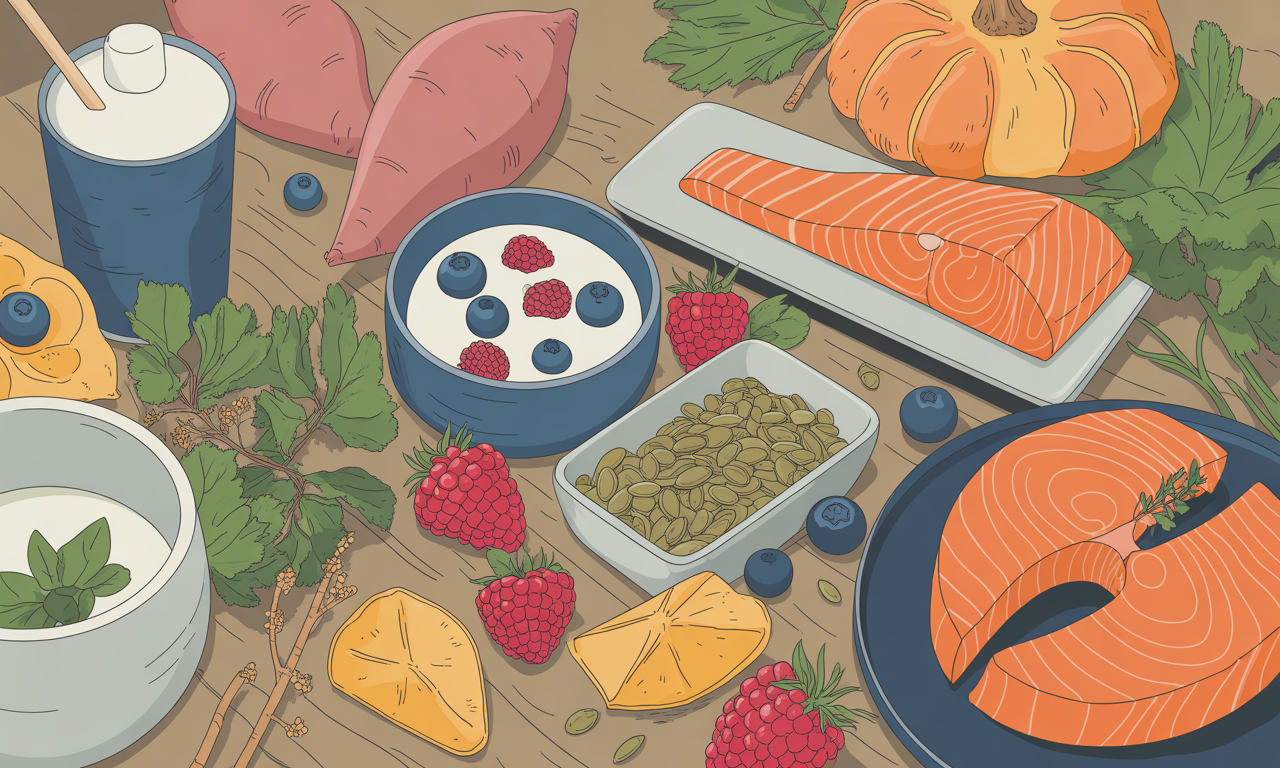
After sixty years of helping women navigate the complex rhythms of their menstrual cycles, I have learned that the clearest path to radiant skin isn’t found in a bottle, but on your plate.
We often treat our skin as a separate entity, scrubbing and medicating the surface while ignoring the internal fires that fuel breakouts. The truth is, your skin is a mirror reflecting your internal hormonal balance and gut health.
Incorporating 5 acne fighting foods into your daily rotation can calm inflammation, regulate oil production, and harmonize your cycle in ways that topical treatments simply cannot reach.
Many of my clients come to me frustrated by hormonal acne that flares up like clockwork every month. They feel betrayed by their bodies, but I tell them this: your body isn’t fighting you; it’s communicating with you.
Acne is often a signal of inflammation or nutrient deficiency. By strategically choosing foods that support liver function and lower systemic inflammation, we can quiet these signals.
In this guide, we will explore five powerful, accessible foods that science—and decades of my own observation—have proven to support clearer skin. Let’s move beyond the quick fixes and build a foundation for lasting radiance.
1. Fatty Fish (Omega-3 Powerhouses)
Calming Systemic Inflammation
If inflammation is the fire behind red, painful breakouts, then Omega-3 fatty acids are the water that puts it out.
Fatty fish like salmon, mackerel, and sardines are rich in EPA and DHA, two specific fats that have been shown to suppress the production of inflammatory cytokines.
When inflammation in the body is lowered, the severity of acne lesions often decreases significantly.
Regulating Sebum Quality
Not all oil is bad; in fact, healthy cell membranes rely on healthy fats. When you are deficient in Omega-3s, your sebum (skin oil) can become thick and sticky, making it more likely to clog pores.
Consuming fatty fish helps ensure your sebum remains fluid and moves easily out of the pore, preventing the blockages that start the acne cycle.
Meal Ideas for Hormonal Balance
- Salmon Salad: Top mixed greens with grilled salmon and olive oil.
- Sardine Toast: Mash sardines with avocado on whole-grain toast for a nutrient-dense breakfast.
- Mackerel Stew: Simmer mackerel fillets in a tomato-based broth with herbs.
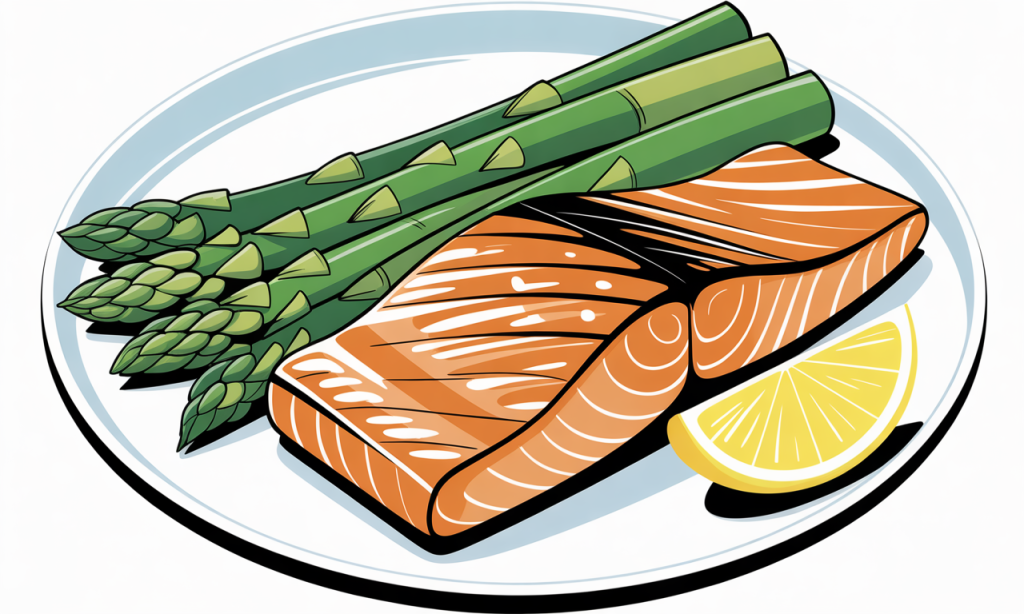
2. Pumpkin Seeds (The Zinc Hero)
The Mineral for Skin Repair
Zinc is arguably the most critical mineral for clear skin, yet many of us are deficient in it. I call pumpkin seeds “nature’s zinc supplement.” Zinc plays a pivotal role in cell division and regrowth, which is essential for healing acne lesions and preventing scarring. It also helps transport Vitamin A from your liver to your skin, making it a powerful teammate for other nutrients.
Controlling Oil Production
Beyond healing, zinc actually inhibits the enzyme that converts testosterone into its more potent form, DHT. High levels of DHT can overstimulate oil glands, leading to the excessive shine and congestion we often see before a period. By snacking on pumpkin seeds, you are naturally helping to modulate this hormonal trigger.
- Serving Size: Just a quarter cup provides a significant portion of your daily zinc needs.
- Versatility: Sprinkle them on salads, yogurt, or oatmeal for a crunch.
- Raw vs. Roasted: Raw seeds preserve the most nutrients, but lightly roasted is fine too.
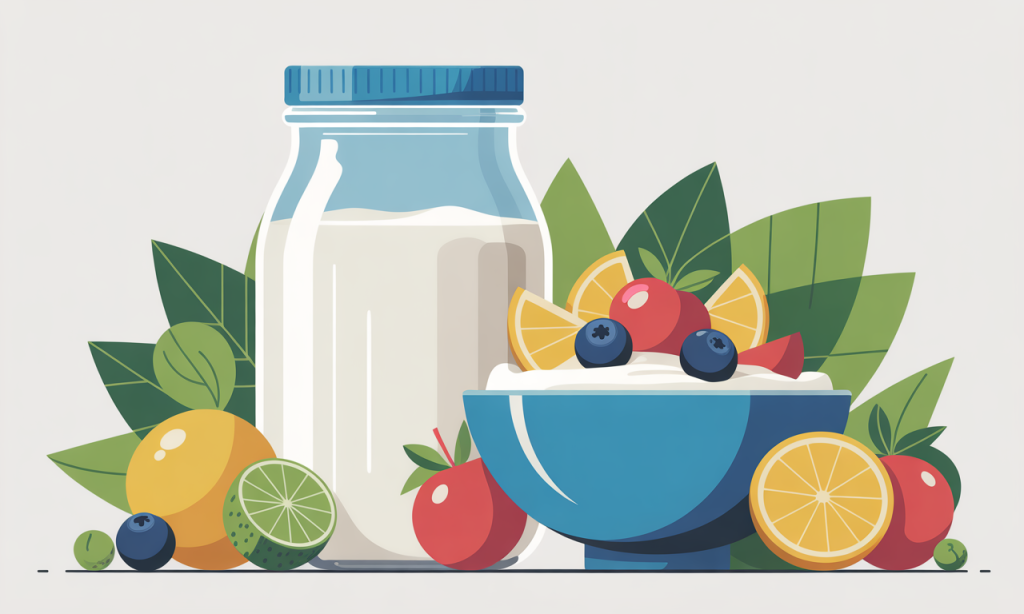
3. Probiotic-Rich Yogurt or Kefir
The Gut-Skin Axis
You cannot talk about skin health without talking about gut health. There is a direct communication line called the “gut-skin axis.” When your gut microbiome is imbalanced (dysbiosis), it can lead to “leaky gut,” where toxins escape into the bloodstream and trigger inflammation in the skin. Fermented foods like kefir and live-culture yogurt introduce beneficial bacteria that crowd out the bad ones.
Reducing Systemic Stress
Studies suggest that probiotics can lower systemic stress markers and substance P, a neuropeptide that increases sebum production. Regular consumption of fermented dairy (or non-dairy alternatives like coconut kefir) helps maintain a robust barrier in your gut, which translates to a calmer barrier on your face.
- Check Labels: Ensure your yogurt says “live active cultures” and is low in added sugar.
- Pairings: Eat with prebiotic fibers (like oats or bananas) to feed the good bacteria.
- Consistency: Daily intake is more effective than sporadic large doses.
4. Sweet Potatoes (Beta-Carotene Source)
Natural Retinol Precursor
We spend a fortune on retinol creams, but sweet potatoes offer a gentle, internal version. They are packed with beta-carotene, which your body converts into Vitamin A. Vitamin A is essential for promoting cell turnover—the process of shedding old skin cells so they don’t get trapped in your pores.
Balancing Blood Sugar
Unlike white potatoes, which can spike blood sugar and insulin (a major acne trigger), sweet potatoes have a lower glycemic impact, especially when boiled or baked with skin on. Stable blood sugar means less insulin circulating in your blood, which means less stimulation of your oil glands.
- Skin Benefits: The Vitamin A in sweet potatoes also acts as an antioxidant against UV damage.
- Fiber Boost: Their high fiber content aids detoxification by keeping digestion regular.
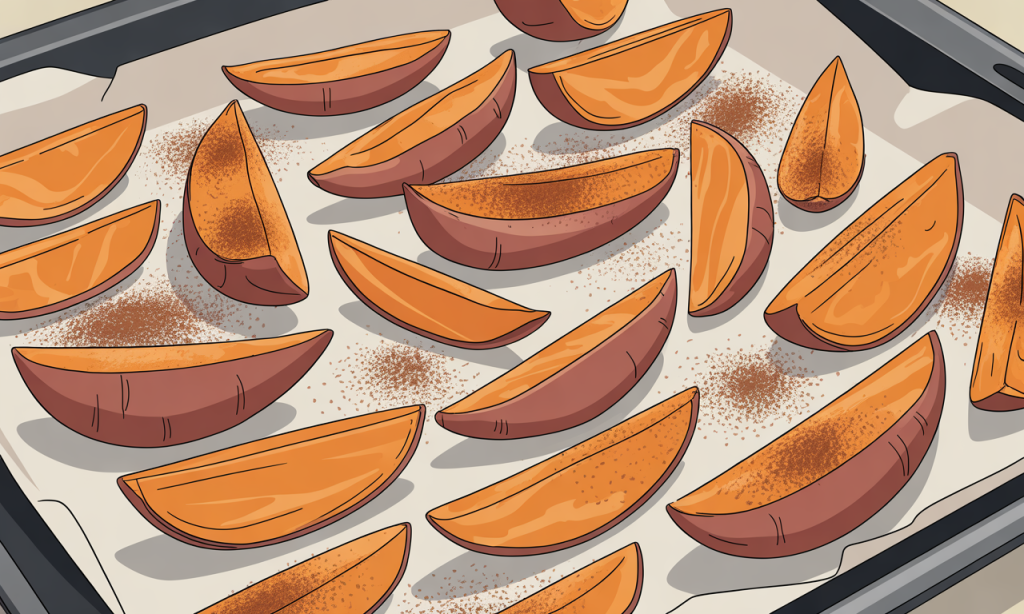
- Preparation: Roast cubes with cinnamon for a sweet treat that fights inflammation.
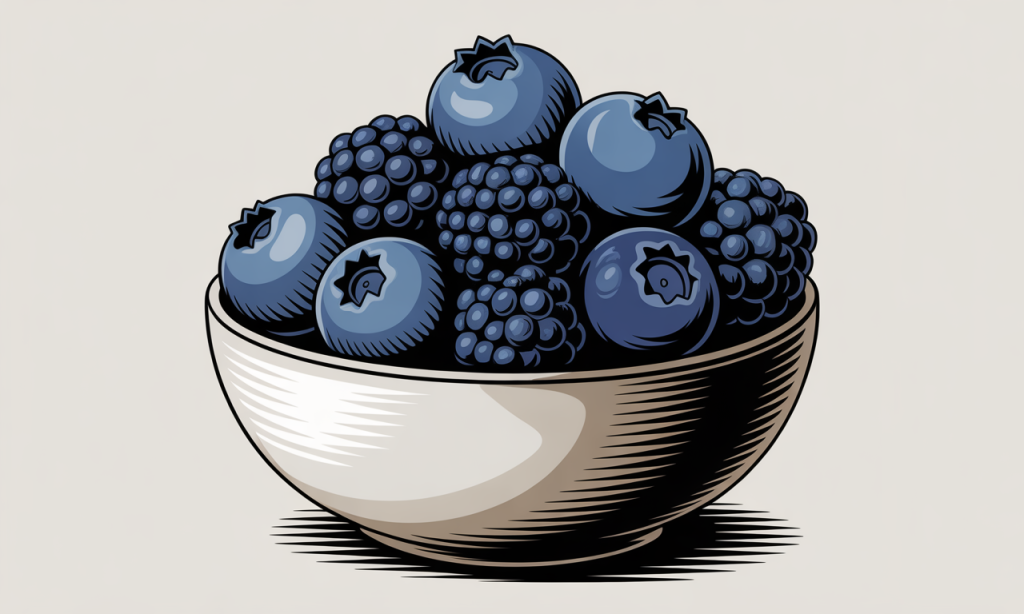
5. Berries (Antioxidant Defense)
Fighting Oxidative Stress
Pollution, stress, and UV rays create “free radicals” that damage our skin’s sebum, turning it into a substance that irritates the pore lining. This process, called lipid peroxidation, is a key step in acne formation. Berries—especially blueberries, blackberries, and strawberries—are loaded with antioxidants that neutralize these free radicals before they can cause damage.
Protecting Collagen
The high Vitamin C content in berries is vital for collagen production, which gives your skin structure and elasticity. Stronger skin heals faster from breakouts, reducing the likelihood of lingering red marks or pitted scars. Vitamin C is also a natural anti-inflammatory.
- Low Sugar: Berries are low on the glycemic index, so they won’t spike your insulin.
- Frozen Works: Frozen berries are picked at peak ripeness and retain their nutrients.
- Daily Dose: A half-cup a day is a great target for skin protection.
Frequently Asked Questions
Can drinking more water really clear my acne?
While water alone isn’t a cure-all, proper hydration is essential for skin health. It helps flush toxins through your kidneys and liver rather than your skin, and keeps your cells plump and functioning correctly. Dehydration can trigger your oil glands to overproduce sebum to compensate for the lack of moisture, potentially worsening acne.
Is dairy bad for acne?
For some people, dairy can be inflammatory, but it depends on the type. Skim milk has been linked to acne more strongly than whole milk or yogurt, possibly due to higher sugar content and hormonal additives. Fermented dairy like kefir and greek yogurt, however, provides beneficial probiotics that can actually help skin, so it is not a black-and-white rule.
How long does it take to see results from diet changes?
Skin cycles take about 28 days to turn over, so you won’t see overnight miracles. Generally, it takes about 6 to 12 weeks of consistent dietary changes to see a noticeable reduction in hormonal acne. Patience is key; you are healing the root cause, not just treating the symptom.
Are nuts good or bad for acne?
Nuts like walnuts and Brazil nuts are excellent because they contain Omega-3s and selenium, which fight inflammation. However, peanuts (which are legumes) can sometimes be inflammatory for some people. Stick to tree nuts and eat them in moderation to avoid excess Omega-6 fatty acids, which can be pro-inflammatory in high amounts.
Does chocolate cause acne?
The cocoa bean itself is rich in antioxidants, but the sugar and dairy in milk chocolate are likely the culprits behind breakouts. High-sugar foods spike insulin, which increases oil production. If you crave chocolate, opt for dark chocolate with at least 70% cocoa to get the benefits without the sugar spike.
What is the “glycemic index” and why does it matter?
The glycemic index (GI) measures how quickly a food raises your blood sugar. High-GI foods (white bread, candy) cause insulin spikes, which trigger a cascade of hormones that increase oil production and cell growth, leading to clogged pores. Eating low-GI foods keeps your hormones stable and your skin calmer.
Can supplements replace these foods?
Supplements can be helpful, but whole foods offer a synergy of nutrients that pills cannot replicate. For example, fish provides protein and selenium alongside Omega-3s, which helps absorption. I always recommend trying to get your nutrients from your plate first before turning to the supplement aisle.
Why do I get acne before my period?
Just before your period, estrogen levels drop and testosterone becomes relatively higher. This shift stimulates your sebaceous glands to produce more oil, which can clog pores. Eating zinc-rich foods and cruciferous vegetables during this phase can help metabolize excess hormones and mitigate this effect.
Is green tea good for acne?
Yes, green tea contains a potent antioxidant called EGCG, which has been shown to reduce sebum production and inflammation. Drinking it daily can be a great addition to an acne-fighting diet. It also helps lower blood sugar levels, further supporting hormonal balance.
Should I avoid all fats to stop oily skin?
Absolutely not; you need healthy fats to build healthy skin cells. Avoiding fat can actually make your skin dry and irritated, prompting it to produce more oil to protect itself. Focus on “good” fats like avocados, olive oil, and fish, and limit inflammatory “bad” fats like fried vegetable oils.
Conclusion
Clearing your skin is a journey of patience and self-love. By filling your plate with these 5 acne fighting foods, you are doing more than just treating a blemish; you are nourishing your entire body and supporting the delicate dance of your hormones. Remember, your skin is unique, and what works for one person may need tweaking for another. Listen to your body, be consistent, and trust the healing power of nature.
Start with one simple change today—perhaps a handful of pumpkin seeds or a serving of salmon. Your future self will thank you for the care you invest now. Explore more evidence-based nutrition guides to optimize your health and wellness on the Menstrual Wellness page.