Welcoming a new baby is a monumental life shift that brings a whirlwind of emotions, from pure joy to intense worry.
While many people talk about the baby blues or depression, postpartum anxiety is a distinct and very common experience that often goes unspoken.
Implementing 5 amazing postpartum anxiety tips can help you navigate this season with more confidence and less fear.
As a postpartum care expert with six decades of experience, I have seen thousands of mothers go through exactly what you are feeling right now.
Anxiety during this time often looks like racing thoughts, a constant “on edge” feeling, or overwhelming worries about your baby’s health.
You might find yourself checking on your sleeping infant multiple times or struggling to sleep even when your baby is resting.
These feelings are not a reflection of your ability as a mother; they are a physiological response to massive hormonal changes and sleep deprivation.
My goal is to provide you with practical, evidence-based tools to quiet that internal noise and focus on the joy of your new arrival.
Let’s explore these five transformative strategies that combine modern medical insights with time-tested wellness practices. You deserve to feel supported and at peace during this precious stage of life.
1. Prioritize Strategic Sleep Hygiene
Master the Power Nap
Sleep deprivation is a primary trigger for postpartum anxiety, as it affects the brain’s ability to regulate emotions and stress. While the advice “sleep when the baby sleeps” is classic, it is often hard to follow when your mind is racing.
Instead of aiming for a three-hour stretch, try 20-minute power naps to lower your cortisol levels. Even resting your eyes without falling fully asleep can give your nervous system a much-needed break from the constant vigilance of new motherhood.
Taper Evening Screen Time
The blue light from phones and tablets can interfere with melatonin production, making it harder to fall asleep during those small windows of opportunity.
Avoid scrolling through social media or reading baby health forums late at night, as this often fuels “what if” thinking. Instead, create a calming bedtime routine that includes dim lights and soft music to signal to your brain that it is safe to rest.
Divide Nighttime Responsibilities
You do not have to do every nighttime wake-up alone, even if you are breastfeeding.
Work with your partner or a support person to handle diaper changes or soothing so you can get at least one solid four-hour block of sleep.
Research shows that four hours of uninterrupted sleep can significantly improve mood and reduce the physical symptoms of anxiety in new parents.

2. Practice Mindful Breathing Techniques
Use the 4-7-8 Method
When you feel a wave of panic or racing thoughts, your breath is the fastest way to calm your nervous system. The 4-7-8 technique involves inhaling for four seconds, holding for seven, and exhaling slowly for eight.
This pattern activates your parasympathetic nervous system, which acts as a “brake” for your body’s fight-or-flight response. You can do this anywhere—while rocking the baby, folding laundry, or standing in the shower.
Try Body Scan Meditation
Anxiety often manifests as physical tension in your shoulders, jaw, and chest. A five-minute body scan meditation helps you identify and release this tension, bringing your awareness back to the present moment. Start at your toes and slowly work your way up to your head, consciously softening each muscle group as you go.
- Find a quiet spot: Even five minutes in the bathroom can work.
- Focus on your feet: Feel them pressing against the floor for grounding.
- Release your jaw: We often hold immense stress in our facial muscles.
- Acknowledge thoughts: Let worries pass like clouds without judging them.
Ground Yourself with Senses
If you feel your mind spiraling into future worries, use the “5-4-3-2-1” grounding method. Identify five things you can see, four you can touch, three you can hear, two you can smell, and one you can taste.
This simple sensory exercise pulls your brain out of the “what if” and back into the “what is,” providing instant relief from overwhelming thoughts.
3. Fuel Your Brain with Nutrients
Boost Your Magnesium Intake
Magnesium is often called the “calming mineral” because it helps regulate GABA, a neurotransmitter that promotes relaxation.
Many new mothers are deficient in magnesium due to the high physical demands of pregnancy and breastfeeding.
Incorporating foods like spinach, almonds, pumpkin seeds, and even dark chocolate can help stabilize your mood and improve sleep quality.
Prioritize Omega-3 Fatty Acids
Healthy fats are essential for brain health and have been shown to reduce neuroinflammation, which is linked to both anxiety and depression.
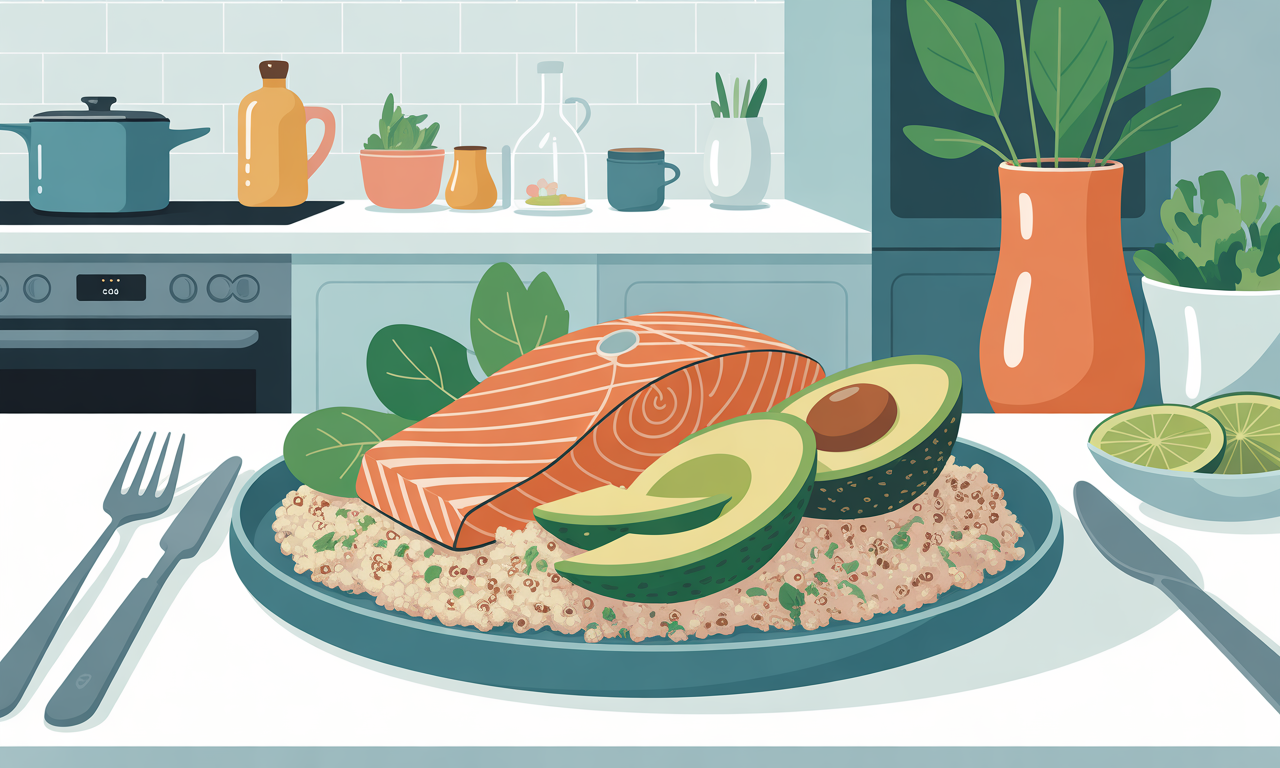
Omega-3s, found in salmon, walnuts, and flaxseeds, help maintain the integrity of brain cells and support emotional stability.
If you aren’t a fan of fish, talk to your doctor about high-quality fish oil or algae-based supplements.
- Zinc-rich foods: Lean meats and seeds support the immune system and mood.
- B-Vitamins: Eggs and leafy greens provide energy and nerve support.
- Probiotics: A healthy gut often leads to a calmer mind through the gut-brain axis.
- Hydration: Dehydration can mimic the physical symptoms of anxiety, like a racing heart.
Avoid Excessive Caffeine
While you might reach for coffee to combat sleep deprivation, too much caffeine can trigger jitters and palpitations that feel identical to anxiety.
Try to limit your intake or switch to green tea, which contains L-theanine, an amino acid that provides a more stable, calm energy.
Pay attention to how your body reacts to caffeine; if it makes your heart race, it’s time to cut back.

4. Seek Professional Support Early
Consider Cognitive Behavioral Therapy
Cognitive Behavioral Therapy (CBT) is considered the gold standard for treating postpartum anxiety.
It helps you identify irrational thought patterns and gives you practical tools to reframe them into more realistic views.
Many therapists now offer virtual sessions, making it much easier for new moms to get help without leaving the house.
Discuss Medication Options
If your anxiety is interfering with your ability to care for yourself or your baby, medication may be a necessary and helpful tool.
Selective Serotonin Reuptake Inhibitors (SSRIs) are commonly prescribed and can be safely used while breastfeeding.
There is no shame in using medication to balance your brain chemistry; it is just another form of self-care.
- Talk to your OB-GYN: They are your first line of defense for screening.
- Be honest about symptoms: Share if you are having intrusive thoughts or panic.
- Involve your partner: They can help track how the medication is working for you.
- Follow up regularly: Dose adjustments are common in the early weeks.
Join a Support Group
There is immense power in knowing you are not alone in your feelings. Joining a postpartum support group allows you to share your experiences with other women who truly understand what you are going through.
These groups provide a safe space to talk about the “taboo” parts of motherhood without fear of judgment, which can significantly reduce feelings of shame and isolation.

5. Implement Low-Impact Movement
Take a Daily Walk
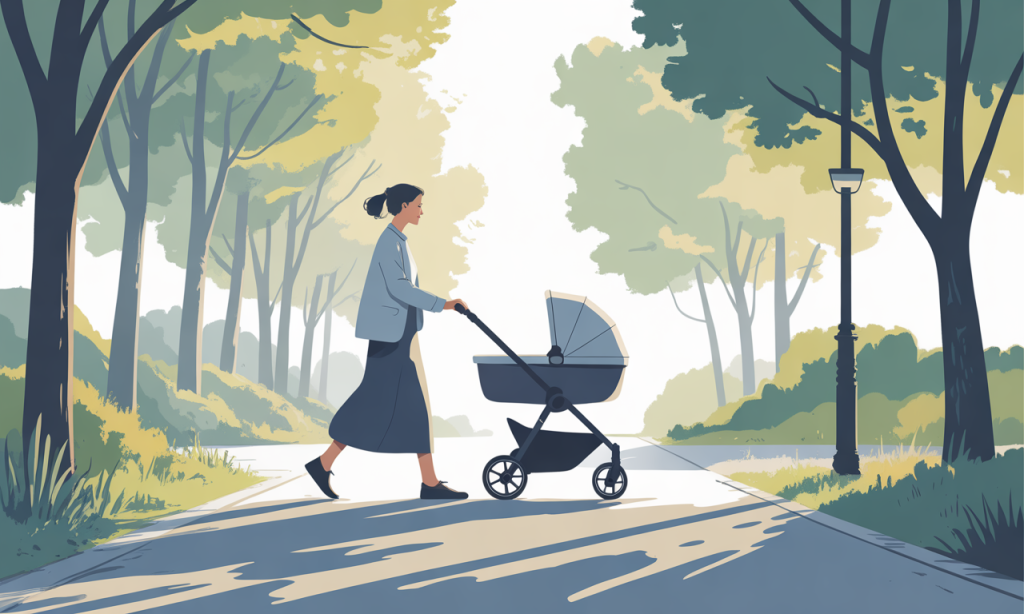
Gentle physical activity, like a simple 20-minute stroll with your baby in the stroller, has been proven to have an antidepressant and anti-anxiety effect.
Sunlight exposure during your walk also helps boost Vitamin D levels, which are critical for mood regulation. The change of scenery alone can often break a cycle of ruminating thoughts.
Try Restorative Yoga
Yoga combines physical movement with deep breathing, making it a double-win for managing anxiety. Focus on restorative poses that open your chest and relax your hips, where many women hold emotional stress.
Avoid intense workouts too early; your goal right now is to calm your nervous system, not to push your physical limits.
- Pram-walking: Easy to do with a newborn and provides fresh air.
- Stretching: Relieves the physical tension of carrying and nursing a baby.
- Swimming: The weightlessness of water can be incredibly soothing for postpartum bodies.
- Consistency: Aim for 10-15 minutes most days rather than one long, exhausting session.
Listen to Your Body
Your body has just performed a feat of incredible strength, and it needs time to heal. If you feel exhausted or your bleeding increases, you are likely doing too much.
Movement should leave you feeling refreshed and centered, not depleted. Always obtain clearance from your healthcare provider before starting any new exercise routine after birth.
Frequently Asked Questions
What are the main symptoms of postpartum anxiety?
Postpartum anxiety often manifests as a constant, overwhelming sense of worry or a feeling that something bad is about to happen to your baby.
Physical symptoms can include a racing heart, shallow breathing, chest tightness, nausea, and difficulty falling or staying asleep.
You might also find yourself performing repetitive tasks, like checking the baby’s breathing or scrubbing the house, in an attempt to feel more in control.
How is postpartum anxiety different from the baby blues?
The baby blues typically occur in the first two weeks after birth and are characterized by mood swings, crying spells, and irritability that resolve on their own.
Postpartum anxiety is more intense, lasts longer than two weeks, and often interferes with your daily life or ability to care for your baby.
While the baby blues are a normal reaction to hormonal shifts, anxiety often requires intentional intervention and support to manage.
Can I take anxiety medication while breastfeeding?
Yes, many anxiety medications, particularly Selective Serotonin Reuptake Inhibitors (SSRIs), are considered safe to use while breastfeeding.
Only a very small amount of the medication typically enters the breast milk, and the benefits of a healthy, stable mother often far outweigh any minimal risk to the infant.
Always discuss your specific medication and breastfeeding plan with your healthcare provider or a lactation-informed psychiatrist to find the best option for you.
Does postpartum anxiety affect bonding with my baby?
Research shows that while anxiety doesn’t necessarily prevent the formation of a secure attachment, it can certainly make the initial bonding process feel more difficult and stressful.
High levels of specific postpartum anxiety are often associated with feeling less confident in your mothering and feeling overwhelmed by childcare tasks [intersecting with ].
Seeking help for your anxiety is one of the best ways to protect and nurture your relationship with your new child.
What are some natural ways to lower postpartum anxiety?
Natural strategies include prioritizing nutrient-dense foods rich in magnesium and omega-3s, practicing mindful breathing like the 4-7-8 method, and engaging in gentle daily movement like walking.
Aromatherapy with oils like lavender or rose has also shown some positive effects in reducing anxiety levels in new mothers.
Ensuring you get at least one 4-hour block of uninterrupted sleep is perhaps the most powerful natural tool for mood regulation.
When should I call a doctor about my anxiety?
You should reach out to your healthcare provider if your anxiety is preventing you from sleeping even when the baby is asleep, if you are having intrusive or scary thoughts that won’t go away, or if you feel you cannot function in your daily life.
If you feel a sudden urge to harm yourself or your baby, this is a medical emergency and you should call a crisis line or go to the nearest emergency room immediately. Early intervention is key to a faster recovery.
Is postpartum anxiety more common than depression?
Current research suggests that postpartum anxiety may actually be more prevalent than postpartum depression, though it is often under-diagnosed and less talked about.
Many women experience both anxiety and depression simultaneously, which is why comprehensive mental health screening after birth is so important.
If you are feeling “wired and tired,” you are likely experiencing the anxiety component that many mothers face.
How long does postpartum anxiety usually last?
The duration of postpartum anxiety varies for every woman and often depends on how quickly you receive support and treatment.
Without treatment, symptoms can persist for several months or even years, but with proper care like therapy or medication, many women begin to feel significant relief within a few weeks to months.
Consistency with self-care practices and professional guidance is the most reliable way to shorten the duration of the disorder.
Can dads get postpartum anxiety too?
Yes, dads can also experience postpartum anxiety, and it is often correlated with maternal stress and paternal anxiety during the pregnancy.
A father’s anxiety can stem from the new financial pressure, the change in the relationship with his partner, or the weight of new responsibilities.
Supporting the mental health of both parents is crucial, as paternal stress can also impact the baby and the family dynamic.
What is an intrusive thought?
Intrusive thoughts are unwanted, often frightening images or ideas that “pop” into your head, such as imagining the baby being dropped or getting hurt in an accident.
While these thoughts are incredibly distressing, having them does not mean you want to act on them; in fact, they are a common symptom of a highly vigilant, anxious brain trying to protect the baby.
Talking about these thoughts with a specialized therapist can help take away their power and reduce the associated shame and guilt.
Conclusion
Navigating the early months of parenthood is a massive undertaking, and feeling anxious is a very human response to such a monumental change.
By using these 5 amazing postpartum anxiety tips—prioritizing sleep, breathing deeply, eating for brain health, seeking help, and moving your body—you are taking active steps toward your own healing.
Remember that you do not have to carry this burden alone, and asking for support is a sign of great strength, not weakness. Your well-being is the foundation for your baby’s world.
By taking care of your mental health, you are giving your child the best possible gift: a mother who is present, peaceful, and supported. Explore more evidence-based nutrition guides to optimize your health and wellness on the Postpartum Care page.