Understanding Hormonal Imbalance: What Every Woman Needs to Know
Hormonal imbalance in women affects millions worldwide, with research suggesting that approximately 80 percent of women experience some form of hormone disruption during their lifetime.
Your hormones act as chemical messengers that regulate everything from your menstrual cycle to your metabolism, mood, and energy levels. When these delicate systems fall out of sync, the effects ripple throughout your entire body.
Recognizing the warning signs early can help you take action before minor imbalances develop into more serious health concerns.
Women between ages 20 and 55 are particularly vulnerable to hormonal fluctuations due to reproductive transitions, stress, dietary factors, and environmental exposures.
This comprehensive guide explores the five most common signs of hormonal disruption and provides evidence-based strategies to restore your natural balance.
Sign 1: Irregular or Absent Menstrual Periods
Changes in Cycle Length
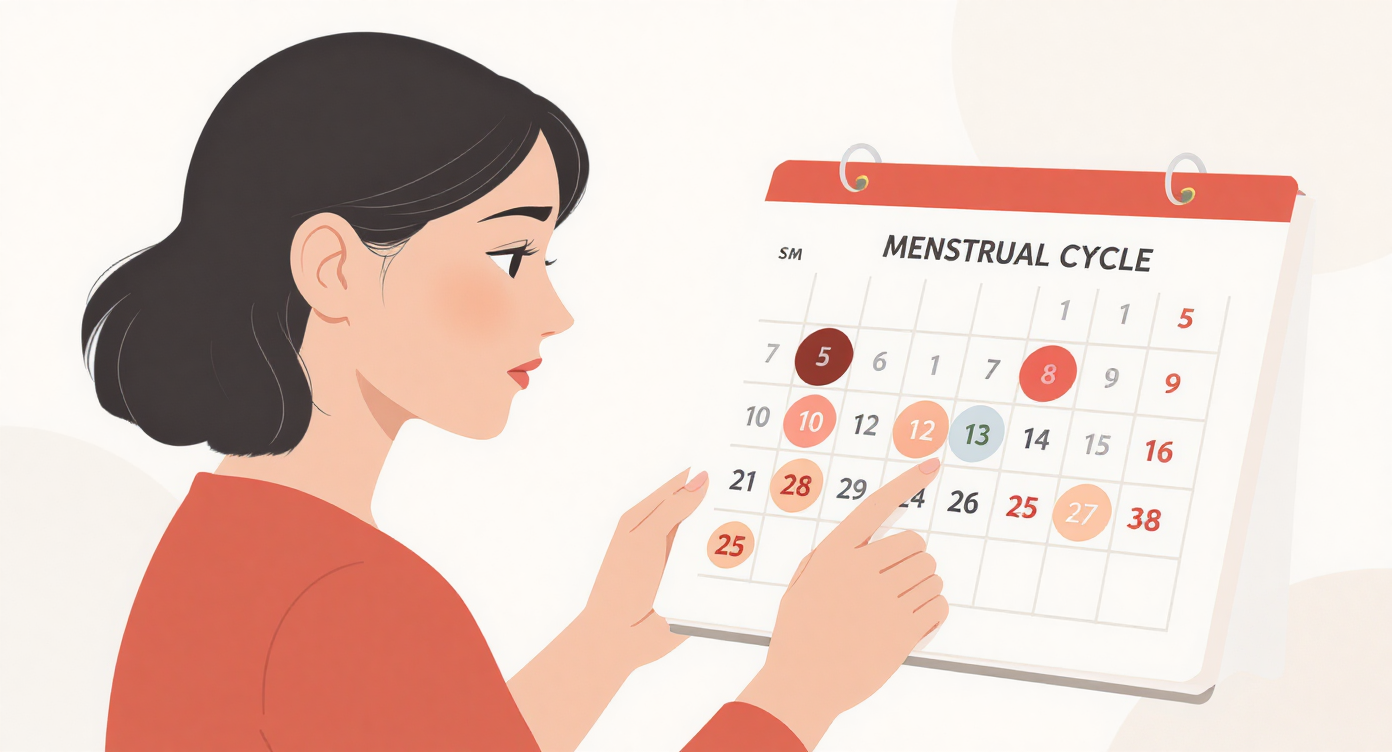
Your menstrual cycle serves as a vital sign of hormonal health. A normal cycle ranges from 21 to 35 days, but hormonal imbalances can cause significant variations. You might notice your periods arriving weeks early or late, or skipping months entirely.
These irregularities often signal issues with estrogen, progesterone, or thyroid hormones. Women with polycystic ovary syndrome commonly experience oligomenorrhea, which means infrequent menstrual periods.
Heavy or Light Bleeding Patterns
Hormonal fluctuations dramatically affect your menstrual flow. Heavy menstrual bleeding can result from estrogen dominance or progesterone deficiency, while unusually light periods may indicate low estrogen levels.
Some women experience breakthrough bleeding between periods, which warrants medical evaluation. Tracking your flow using a menstrual diary helps identify concerning patterns.
If you soak through a pad or tampon every hour for several consecutive hours, or if your periods last longer than seven days, consult your healthcare provider.
Impact on Fertility
Irregular cycles make predicting ovulation challenging, which can complicate conception efforts. Hormonal imbalances interfere with egg maturation and release, reducing fertility potential.
Women with anovulatory cycles may menstruate without actually releasing an egg. Early recognition and treatment of menstrual irregularities significantly improve reproductive outcomes.
Your doctor can perform blood tests to measure follicle-stimulating hormone, luteinizing hormone, and other reproductive hormones.
Sign 2: Unexplained Weight Changes and Metabolism Issues
Stubborn Weight Gain
Weight gain concentrated around your midsection often points to hormonal disruption, particularly involving cortisol, insulin, or thyroid hormones.
Your body stores excess fat when stress hormones remain elevated or when insulin resistance develops. Many women find losing weight increasingly difficult despite maintaining their usual diet and exercise routines.
Obesity itself creates a vicious cycle by disrupting adipokines like leptin and adiponectin, which regulate appetite and metabolism. This hormonal dysregulation causes chronic inflammation that further impairs insulin regulation and sex hormone balance.
Difficulty Losing Weight Despite Efforts
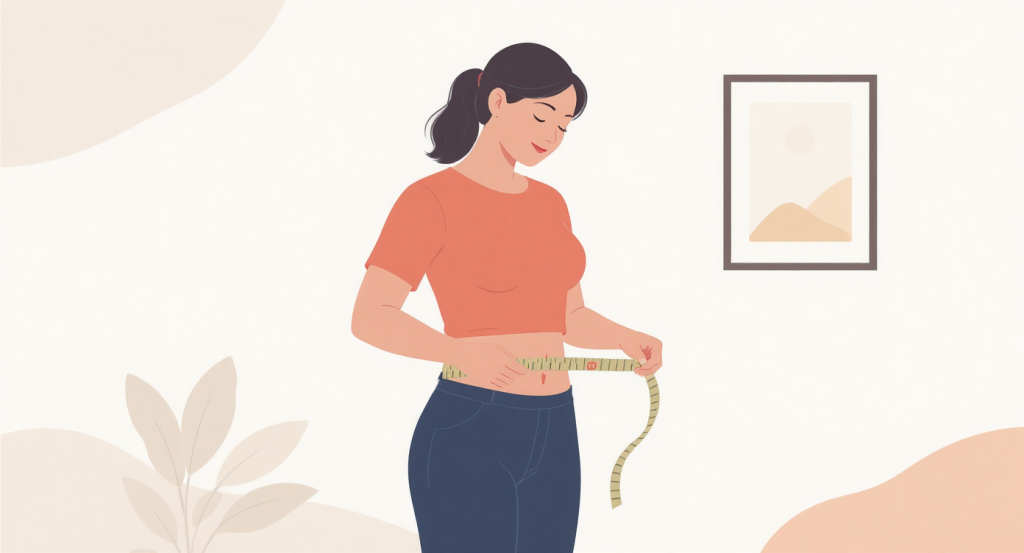
Thyroid dysfunction, particularly hypothyroidism, slows your metabolic rate and makes weight loss frustratingly difficult. Women with both polycystic ovary syndrome and thyroid dysfunction experience weight gain in 73 percent of cases.
Your body may also retain water due to hormonal fluctuations, adding several pounds seemingly overnight.
Insulin resistance prevents your cells from efficiently using glucose for energy, forcing your body to store excess calories as fat. This condition commonly develops alongside hormonal imbalances and requires targeted dietary interventions.
Changes in Appetite and Cravings
Hormonal disruptions affect hunger hormones like leptin and ghrelin, leading to increased appetite or unusual food cravings. You might find yourself constantly hungry or craving sugary foods despite eating regular meals.
These cravings often intensify before menstruation when progesterone levels drop. High cortisol levels from chronic stress trigger cravings for comfort foods high in sugar and fat. Addressing the underlying hormonal imbalance helps normalize your appetite signals naturally.
Sign 3: Mood Swings and Mental Health Changes
Anxiety and Depression
Hormonal fluctuations directly impact neurotransmitter function in your brain, affecting mood regulation. Estrogen influences serotonin production, while progesterone has calming effects on the nervous system.
When these hormones fluctuate dramatically, anxiety and depression often follow.
Studies show that women using hormonal contraceptives experience higher rates of depression, highlighting the powerful connection between hormones and mental health. Perimenopausal women also frequently report mood disturbances as estrogen levels decline.
Irritability and Emotional Sensitivity
You might notice yourself feeling unusually irritable or crying more easily than usual. Small frustrations that normally would not bother you suddenly feel overwhelming.
These emotional changes often coincide with premenstrual syndrome or perimenopause.
Progesterone withdrawal before menstruation triggers mood instability in many women. The luteal phase of your cycle, when progesterone naturally declines, represents a vulnerable time for emotional symptoms.
Brain Fog and Concentration Difficulties
Hormonal imbalances frequently cause cognitive symptoms including memory problems, difficulty concentrating, and mental cloudiness.
You might forget appointments, lose your train of thought mid-sentence, or struggle to focus on tasks. These symptoms can significantly impact work performance and daily functioning.
Thyroid hormones play crucial roles in brain function, so thyroid imbalances often manifest with pronounced cognitive effects. Declining estrogen during menopause also contributes to memory concerns and mental fatigue.
Sign 4: Persistent Fatigue and Sleep Disturbances
Chronic Low Energy Levels
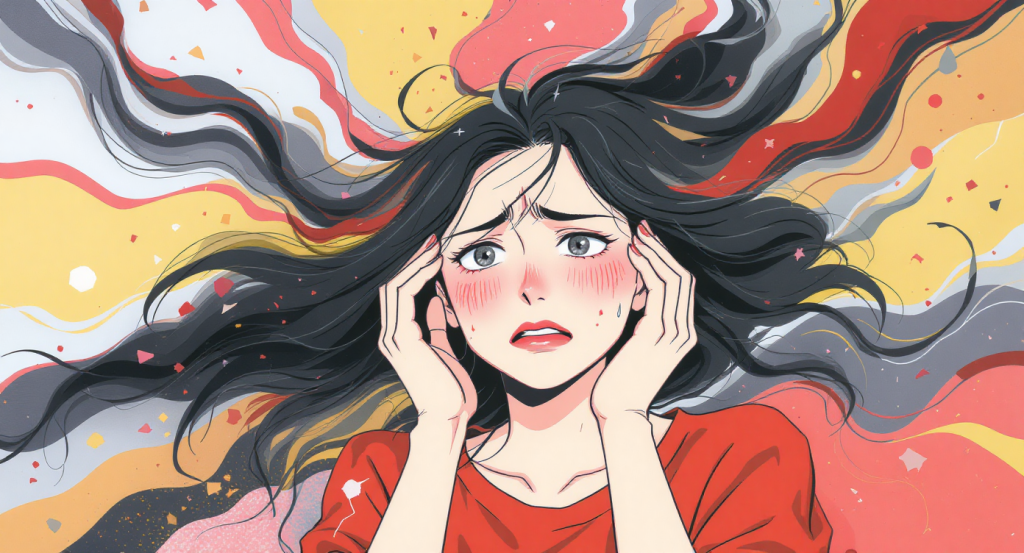
Feeling exhausted despite adequate rest characterizes many hormonal imbalances, particularly thyroid disorders and adrenal dysfunction.
Your thyroid hormones regulate energy production at the cellular level, so hypothyroidism leaves you feeling perpetually drained. Women often describe this fatigue as overwhelming and debilitating.
Cortisol imbalances disrupt your natural energy rhythms, causing you to feel wired at night but exhausted during the day. Iron deficiency anemia resulting from heavy menstrual bleeding also contributes to chronic fatigue.
Insomnia or Poor Sleep Quality
Hormonal fluctuations significantly impact sleep architecture and quality. Progesterone has sleep-promoting properties, so declining levels during perimenopause or the luteal phase can trigger insomnia. Hot flashes and night sweats further disrupt sleep by causing repeated awakenings.
Studies of menopausal women show that insomnia ranks as one of the most prevalent symptoms, affecting 50 percent of women in this transition. Sleep disruption then exacerbates other hormonal symptoms, creating a challenging cycle.
Night Sweats and Hot Flashes
These vasomotor symptoms result from estrogen withdrawal affecting your body’s temperature regulation center. You might wake drenched in sweat multiple times nightly, requiring clothing or bedding changes. Hot flashes during the day cause sudden feelings of intense heat, flushing, and rapid heartbeat.
While most commonly associated with menopause, night sweats can also occur with thyroid disorders or other hormonal conditions. The frequency and severity vary widely between individuals, with some women experiencing mild symptoms while others face severe disruption.
Sign 5: Skin and Hair Changes
Adult Acne Breakouts
Hormonal acne typically appears along your jawline, chin, and neck, distinguishing it from adolescent acne. Excess androgens stimulate oil glands, leading to clogged pores and inflammatory breakouts. Women with polycystic ovary syndrome experience acne in 80 percent of cases due to elevated androgen levels.
These breakouts often worsen before menstruation when progesterone levels decline and the estrogen-to-progesterone ratio shifts. Adult acne can persist well into your 30s, 40s, and beyond when hormonal factors drive the condition.
Hair Loss or Thinning
Hormonal imbalances disrupt normal hair growth cycles, leading to excessive shedding or noticeable thinning. You might notice more hair in your brush, shower drain, or on your pillow. Androgenetic alopecia, the most common type in women, results from hormonal and micronutrient imbalances.
Thyroid disorders frequently cause hair changes, with hypothyroidism leading to dry, brittle hair that breaks easily. Post-COVID alopecia has also emerged as a complication linked to hormonal disruption following infection.
Unwanted Facial or Body Hair
Excess androgen production causes hirsutism, which means male-pattern hair growth on your face, chest, back, or abdomen. Women with polycystic ovary syndrome experience hirsutism in 60 percent of cases. This symptom can significantly impact self-esteem and quality of life.
The hair typically grows darker and coarser than normal vellus hair. Elevated testosterone or dihydrotestosterone levels drive this symptom, requiring medical evaluation to determine the underlying cause.
What Causes Hormonal Imbalance in Women

Stress and Lifestyle Factors
Chronic stress elevates cortisol, which disrupts the delicate balance of reproductive hormones. Your body prioritizes survival over reproduction during prolonged stress, suppressing ovulation and menstruation. Poor sleep, inadequate nutrition, and sedentary behavior further compound hormonal dysregulation.
Environmental pollutants and endocrine-disrupting chemicals found in plastics, pesticides, and personal care products interfere with hormone function. These substances mimic natural hormones, sending confusing signals to your endocrine system.
Medical Conditions and Disorders
Polycystic ovary syndrome affects between 6.5 and 19.9 percent of women worldwide and represents a leading cause of hormonal imbalance. This condition involves insulin resistance, elevated androgens, and irregular ovulation. Thyroid disorders, including hypothyroidism and hyperthyroidism, disrupt multiple hormone systems.
Autoimmune diseases disproportionately affect women and often involve endocrine dysfunction. Conditions like Hashimoto’s thyroiditis and Addison’s disease directly damage hormone-producing glands.
Natural Life Transitions
Puberty, pregnancy, postpartum, and menopause represent times of dramatic hormonal shifts. During perimenopause, which can begin in your 30s or 40s, estrogen and progesterone levels fluctuate unpredictably before eventually declining. The menopausal transition affects 1.5 million women annually and commonly involves troublesome symptoms.
Pregnancy and breastfeeding create unique hormonal environments that can unmask previously silent imbalances. Understanding these natural transitions helps you anticipate and manage symptoms proactively.
How to Diagnose Hormonal Imbalance
Blood Tests and Laboratory Work
Healthcare providers use blood tests to measure hormone levels including estrogen, progesterone, testosterone, thyroid hormones, cortisol, and prolactin. Timing matters critically, as many hormones fluctuate throughout your menstrual cycle. Tests typically occur on specific cycle days for accurate interpretation.
Follicle-stimulating hormone and anti-Müllerian hormone levels assess ovarian reserve and reproductive potential. Thyroid-stimulating hormone between 0.2 and 4.7 mIU/mL indicates normal thyroid function, though optimal levels for conception may be lower.
When to See Your Doctor
Schedule an appointment if you experience persistent symptoms lasting longer than three months. Seek immediate evaluation for severe symptoms including very heavy bleeding, debilitating fatigue, or significant mood changes. Early diagnosis and treatment prevent complications and improve long-term outcomes.
Bring a detailed symptom diary documenting when symptoms occur, their severity, and any patterns you notice. This information helps your provider identify which hormones require testing and determine appropriate treatment strategies.
Understanding Your Test Results
Normal hormone ranges vary by age, menstrual cycle phase, and individual factors. Estradiol levels between 27 and 161 pg/mL are typical in the early follicular phase, while progesterone should measure 5 to 20 ng/mL after ovulation. Anti-Müllerian hormone between 0.7 and 3.5 ng/mL suggests adequate ovarian reserve.
Your doctor interprets results within the context of your symptoms, medical history, and overall clinical picture. Sometimes multiple tests over time provide more valuable information than single measurements.
Natural Ways to Balance Your Hormones
Dietary Changes for Hormone Health
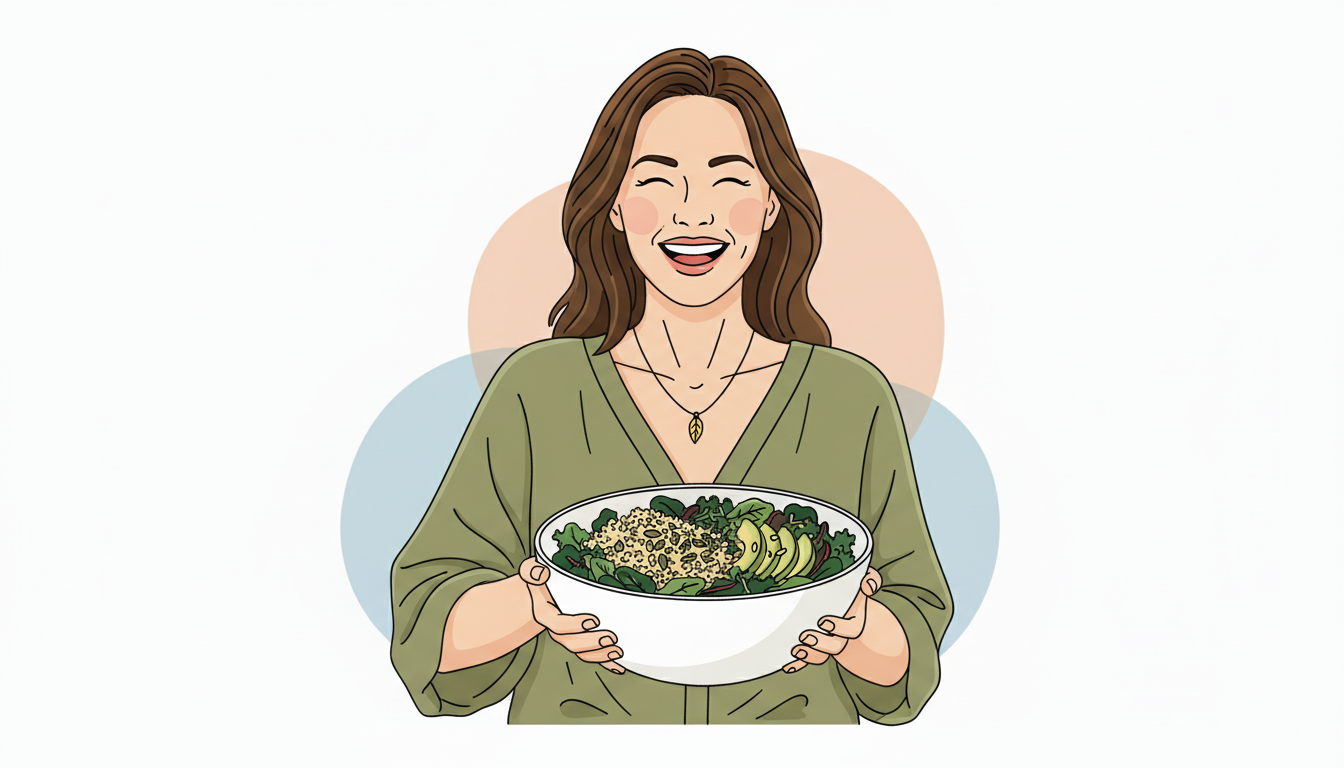
A hormone-balancing diet emphasizes whole foods, adequate protein, healthy fats, and fiber. Fiber-rich foods including oatmeal, lentils, and leafy greens help eliminate excess estrogen through improved bowel function. Healthy fats from avocados, nuts, seeds, and fatty fish provide building blocks for hormone production.
Maintaining stable blood sugar prevents insulin spikes that disrupt other hormones. Eating balanced meals combining protein, fat, and fiber every 3 to 4 hours supports steady energy and hormone balance. Limit processed foods, refined sugars, and alcohol which stress your endocrine system.
Exercise and Movement Strategies
Regular physical activity improves insulin sensitivity, reduces stress hormones, and supports healthy weight management. Moderate exercise including walking, swimming, or yoga proves most beneficial for hormone balance. Excessive high-intensity training can actually worsen hormonal imbalances by elevating cortisol.
Studies of women with polycystic ovary syndrome demonstrate significant improvements in body mass index and hormonal parameters following yoga interventions. Aim for at least 30 minutes of movement most days, choosing activities you enjoy and can sustain long-term.
Stress Management Techniques
Chronic stress represents one of the most significant drivers of hormonal imbalance. Meditation, deep breathing exercises, and mindfulness practices effectively lower cortisol levels. Even 10 minutes daily of relaxation techniques provides measurable benefits.
Adequate sleep is non-negotiable for hormone health, as many hormones follow circadian rhythms. Prioritize 7 to 9 hours nightly in a cool, dark environment. Establish consistent sleep and wake times to support your body’s natural hormone production cycles.

Reducing Endocrine Disruptors
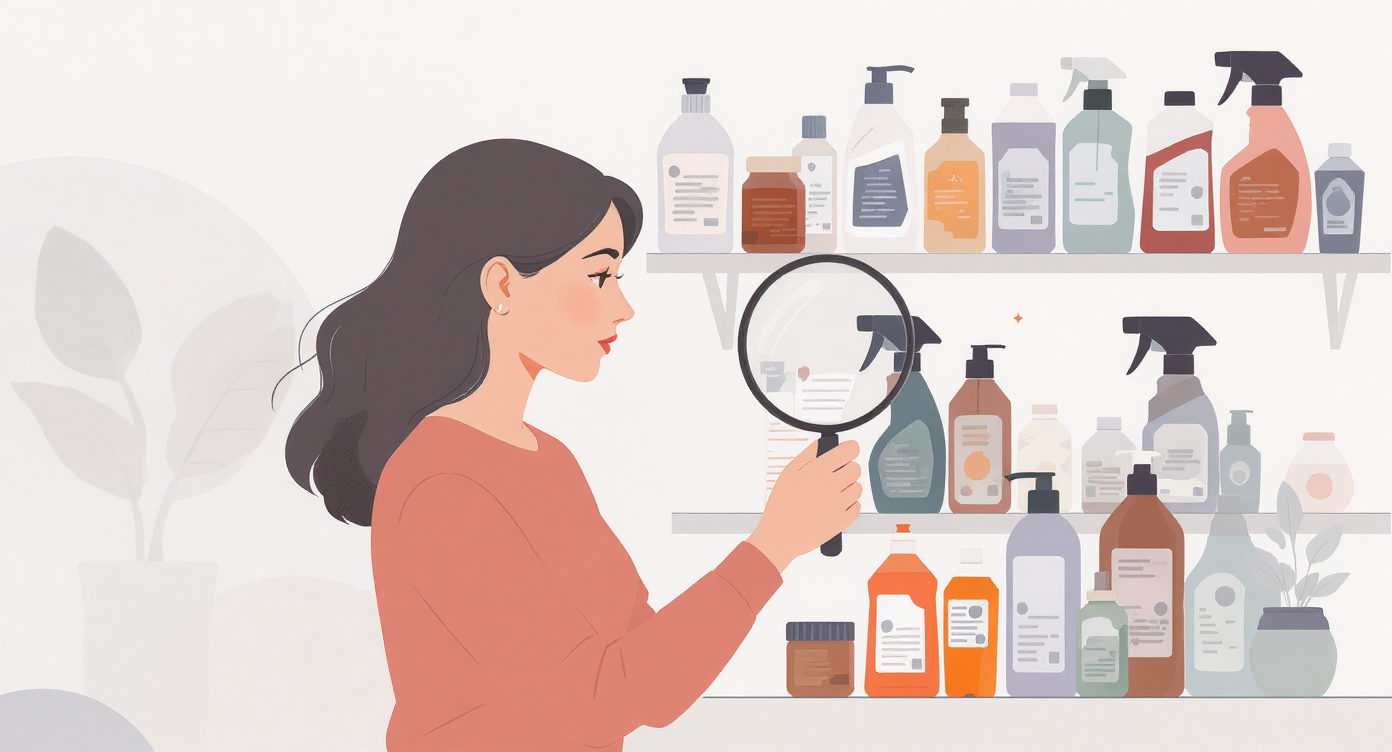
Environmental chemicals interfere with hormone function even at low doses. Switch to glass or stainless steel containers instead of plastic, especially for hot foods and beverages. Choose personal care and cleaning products free from parabens, phthalates, and artificial fragrances.
Filter your drinking water to remove contaminants including pesticides and heavy metals. Opt for organic produce when possible, particularly for items on the Environmental Working Group’s Dirty Dozen list.
Supporting Gut Health
Your gut microbiome influences hormone metabolism, particularly estrogen elimination. Consuming fermented foods like yogurt, kefir, sauerkraut, and kimchi introduces beneficial bacteria. Prebiotic foods including garlic, onions, bananas, and asparagus feed healthy gut bacteria.
A dysfunctional gut allows reabsorption of estrogen that should be eliminated, creating hormonal imbalances. Adequate fiber intake, staying hydrated, and managing stress all support optimal digestive function and hormone balance.
Medical Treatment Options
Hormone Replacement Therapy
Hormone replacement therapy using estrogen and progesterone effectively manages menopausal symptoms and prevents bone loss. Bioidentical hormones, which are molecularly identical to your natural hormones, offer another option. Treatment can include pills, patches, creams, or pellets depending on individual needs and preferences.
Like any medical intervention, hormone therapy carries potential risks including blood clots, stroke, and gallbladder disease. Regular monitoring and dose adjustments optimize safety and effectiveness. Discuss your personal risk factors thoroughly with your healthcare provider before starting treatment.
Medications for Specific Conditions
Women with polycystic ovary syndrome may benefit from metformin to improve insulin sensitivity or spironolactone to reduce androgen effects. Thyroid hormone replacement treats hypothyroidism, while antithyroid medications address hyperthyroidism. Hormonal birth control helps regulate menstrual cycles and manage symptoms for many conditions.
Glucagon-like peptide-1 agonists show promise for treating obesity-related hormonal imbalances. Your doctor selects medications based on your specific hormonal imbalance, symptoms, and treatment goals.
When Surgery May Be Necessary
Severe cases of endometriosis, large ovarian cysts, or uterine fibroids sometimes require surgical intervention. Bariatric surgery improves metabolic and reproductive outcomes in women with severe obesity and related hormonal dysfunction. These interventions represent last-resort options after conservative treatments fail.
Always seek a second opinion before proceeding with surgery for hormonal conditions. Many situations improve with less invasive approaches given adequate time and appropriate management.
Living Well With Hormonal Balance
Creating Your Wellness Plan
Successful hormone management requires a comprehensive, personalized approach. Work with healthcare providers who understand the complexity of hormonal health and will partner with you long-term. Track your symptoms, treatments, and responses in a journal to identify what works best for your unique situation.
Set realistic goals focusing on gradual, sustainable changes rather than dramatic overnight transformations. Small consistent steps in nutrition, movement, sleep, and stress management compound into significant improvements over time.
Building Support Systems
Connect with other women navigating similar hormonal challenges through support groups or online communities. Sharing experiences reduces isolation and provides practical strategies. Educate your partner, family, and close friends about your symptoms so they can offer appropriate support.
Consider working with specialized practitioners including functional medicine doctors, naturopaths, or integrative health coaches. These professionals often take more time to address root causes and develop comprehensive treatment plans.
Monitoring Your Progress
Schedule regular follow-up appointments and repeat lab work to assess treatment effectiveness. Hormonal balance is dynamic, not static, so ongoing monitoring ensures your approach continues meeting your needs. Be patient with the process, as meaningful hormonal changes typically require three to six months.
Celebrate improvements in energy, mood, sleep quality, and other symptoms even before laboratory values normalize. Your lived experience matters more than numbers on a page.
Frequently Asked Questions About Hormonal Imbalance in Women
What is the most common cause of hormonal imbalance in women?
Polycystic ovary syndrome represents the most common endocrine disorder causing hormonal imbalance in women of reproductive age, affecting between 6.5 and 19.9 percent of women worldwide. Thyroid disorders, chronic stress, and natural life transitions including perimenopause also frequently disrupt hormone balance.
Lifestyle factors such as inadequate sleep, poor nutrition, and environmental toxin exposure contribute significantly to hormonal dysregulation. Each woman’s situation is unique, so identifying your specific triggers requires comprehensive evaluation by a healthcare provider.
Can hormonal imbalance cause weight gain?
Yes, hormonal imbalances significantly impact weight regulation through multiple mechanisms. Thyroid dysfunction slows metabolism, making weight loss difficult despite dietary efforts.
Insulin resistance and elevated cortisol promote fat storage, particularly around the midsection. Studies show that 73 percent of women with both polycystic ovary syndrome and thyroid dysfunction experience weight gain.
Addressing the underlying hormonal imbalance through lifestyle changes and appropriate medical treatment helps normalize weight more effectively than diet and exercise alone.
How do I know if my hormones are imbalanced?
Common signs include irregular menstrual periods, unexplained weight changes, persistent fatigue, mood swings, sleep disturbances, and skin or hair changes.
If you experience multiple symptoms lasting longer than three months, schedule an evaluation with your healthcare provider. Blood tests measuring hormone levels including thyroid hormones, estrogen, progesterone, testosterone, and cortisol help confirm imbalances.
Tracking your symptoms in relation to your menstrual cycle provides valuable diagnostic information, as many hormonal symptoms follow predictable patterns throughout the month.
What foods help balance female hormones naturally?
Fiber-rich foods including oatmeal, lentils, and leafy greens help eliminate excess estrogen and support digestive health. Healthy fats from avocados, nuts, seeds, and fatty fish provide essential building blocks for hormone production.
Fermented foods like yogurt and sauerkraut support gut health, which directly influences hormone metabolism.
Adequate protein from eggs, tofu, fish, and lean meats stabilizes blood sugar and prevents insulin spikes that disrupt hormonal balance. Staying well-hydrated with at least two liters of water daily also supports optimal hormone function.
Is hormonal imbalance permanent?
Most hormonal imbalances are temporary and reversible with appropriate treatment. Imbalances caused by stress, dietary factors, or lifestyle habits typically improve within three to six months of implementing changes.
Conditions like polycystic ovary syndrome and thyroid disorders require ongoing management but respond well to treatment.
Natural transitions including menopause involve permanent hormonal shifts, but symptoms can be effectively managed with lifestyle modifications and medical interventions. Working closely with your healthcare provider ensures you receive appropriate treatment tailored to your specific situation.
Can stress cause hormonal imbalance?
Chronic stress represents one of the most significant drivers of hormonal disruption in women. Elevated cortisol from ongoing stress suppresses reproductive hormones, disrupts thyroid function, and impairs insulin sensitivity.
Your body prioritizes survival over reproduction during prolonged stress, which can lead to irregular periods or absent menstruation. Stress also increases inflammation throughout the body, further compromising endocrine function.
Implementing effective stress management techniques including meditation, adequate sleep, and regular movement helps restore hormonal balance naturally.
What tests diagnose hormonal imbalance?
Healthcare providers typically order blood tests measuring estrogen, progesterone, testosterone, thyroid-stimulating hormone, follicle-stimulating hormone, luteinizing hormone, cortisol, and prolactin.
Timing matters critically, as hormone levels fluctuate throughout your menstrual cycle, so tests often occur on specific cycle days. Anti-Müllerian hormone testing assesses ovarian reserve and reproductive potential.
Some practitioners also evaluate insulin sensitivity, vitamin D levels, and inflammatory markers. Recent advances allow hormone testing using menstrual blood samples, providing a convenient alternative to venipuncture.
How long does it take to balance hormones naturally?
Most women notice initial improvements in symptoms within four to eight weeks of implementing dietary and lifestyle changes. Significant hormonal shifts typically require three to six months of consistent effort.
Your menstrual cycle provides a natural timeline, with many women seeing improvements in cycle regularity and symptoms after two to three cycles.
Factors including the severity of imbalance, underlying causes, and treatment adherence influence the timeline. Patience and consistency prove essential, as sustainable hormonal balance develops gradually rather than overnight.
Can hormonal imbalance affect fertility?
Hormonal imbalances significantly impact fertility by disrupting ovulation, egg quality, and endometrial receptivity. Women with conditions like polycystic ovary syndrome, thyroid disorders, or elevated prolactin often experience difficulty conceiving.
Irregular menstrual cycles make predicting ovulation challenging, reducing the chances of successful conception. Fortunately, most hormone-related fertility issues respond well to treatment.
Early diagnosis and appropriate management of hormonal imbalances substantially improve reproductive outcomes, so seeking evaluation promptly when experiencing fertility concerns is important.
Are bioidentical hormones safer than synthetic hormones?
Bioidentical hormones are molecularly identical to hormones your body produces naturally, while synthetic hormones have slightly different chemical structures.
Despite this difference, both carry similar potential risks including blood clots, stroke, and gallbladder disease. The safety profile depends more on dosage, administration method, and individual risk factors than whether hormones are bioidentical or synthetic.
Bioidentical hormones offer the advantage of customizable dosing to match your unique biochemical needs. Discuss the risks and benefits of both options thoroughly with your healthcare provider to determine the best choice for your situation.
Conclusion: Take Control of Your Hormonal Health
Recognizing the signs of hormonal imbalance in women empowers you to seek appropriate evaluation and treatment before minor symptoms develop into serious health concerns.
Your hormones influence virtually every aspect of your wellbeing, from energy and mood to metabolism and reproductive health. While hormonal fluctuations represent a natural part of being female, persistent symptoms deserve attention and care.
Small, consistent changes in nutrition, movement, sleep, and stress management create powerful shifts in hormonal balance over time. Working with knowledgeable healthcare providers ensures you receive accurate diagnosis and evidence-based treatment tailored to your unique needs.
Remember that hormonal balance is a journey rather than a destination, requiring ongoing attention and adjustment throughout different life stages. Explore more evidence-based nutrition guides to optimize your health and wellness on the Hormone Health page.