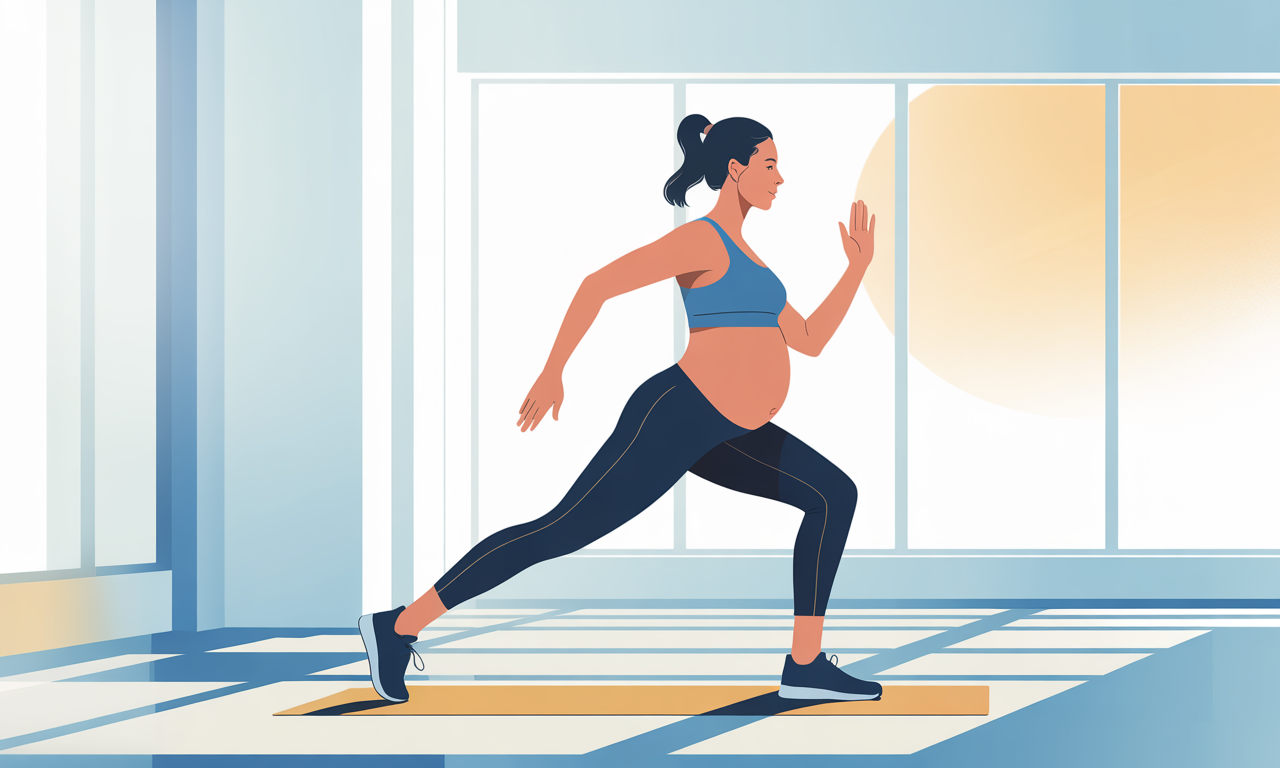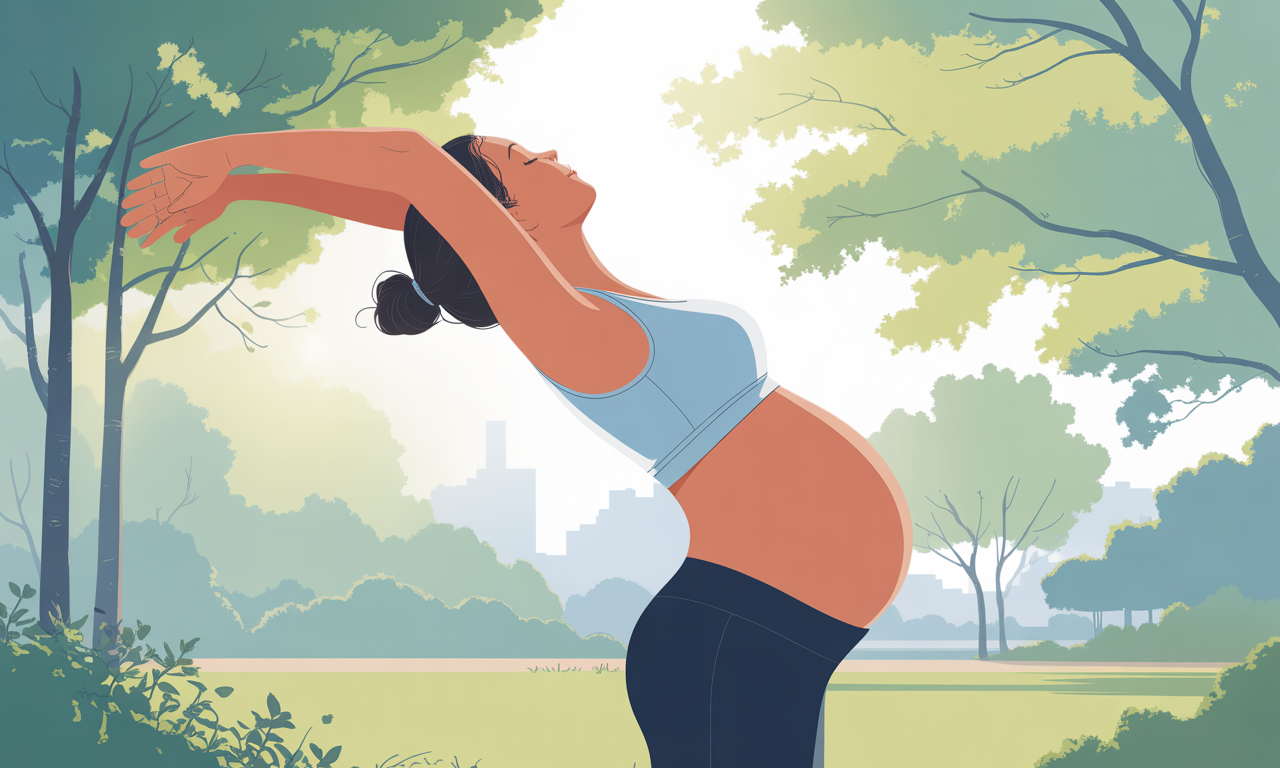
In my six decades of working in women’s wellness, I have seen fitness trends come and go, but one truth remains absolute: movement is medicine for expectant mothers.
When I first started, women were often told to “rest and confine,” a practice we now know can be detrimental.
Today, science and experience confirm that the 9 amazing benefits of active pregnancy can completely transform your experience from one of endurance to one of empowerment.
Many of you might feel hesitant to exercise, worrying about safety or simply feeling too tired. I understand that fear. However, consistent, safe movement is not about setting records; it is about honoring your changing physiology.
From reducing labor pain to boosting your baby’s brain development, the rewards are profound. Let’s explore exactly why keeping moving is the best decision you can make for yourself and your little one.
1. Physical Comfort and Pain Relief
Reduced Back and Pelvic Pain
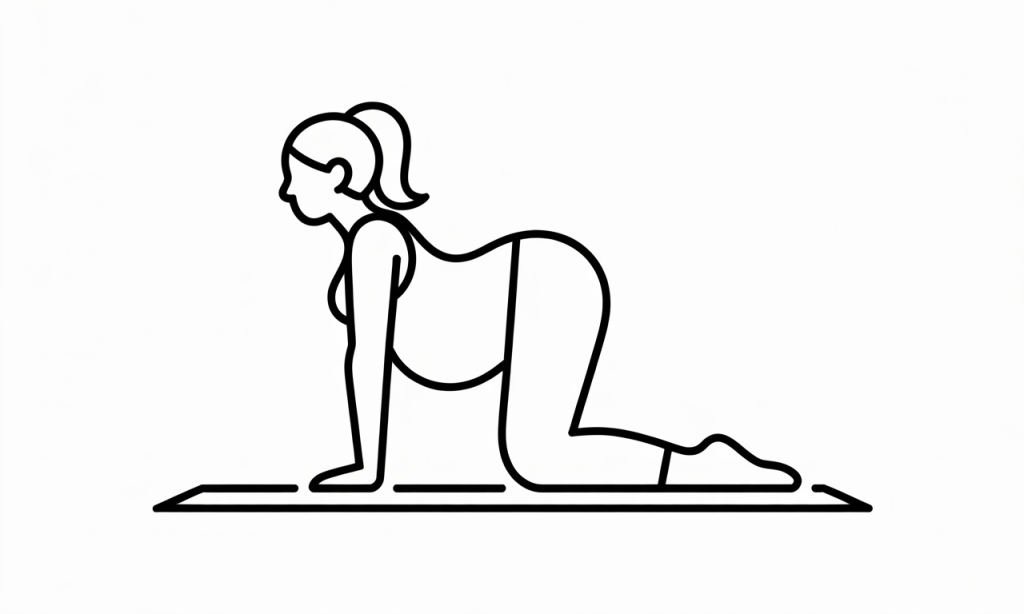
As your baby grows, your center of gravity shifts, often leading to the infamous “pregnancy waddle” and lower back strain. Strengthening your core and back muscles through gentle exercise acts as a natural corset, supporting your spine. Movement also keeps your joints lubricated, preventing the stiffness that makes getting out of bed a daily struggle.
Alleviated Constipation and Bloating
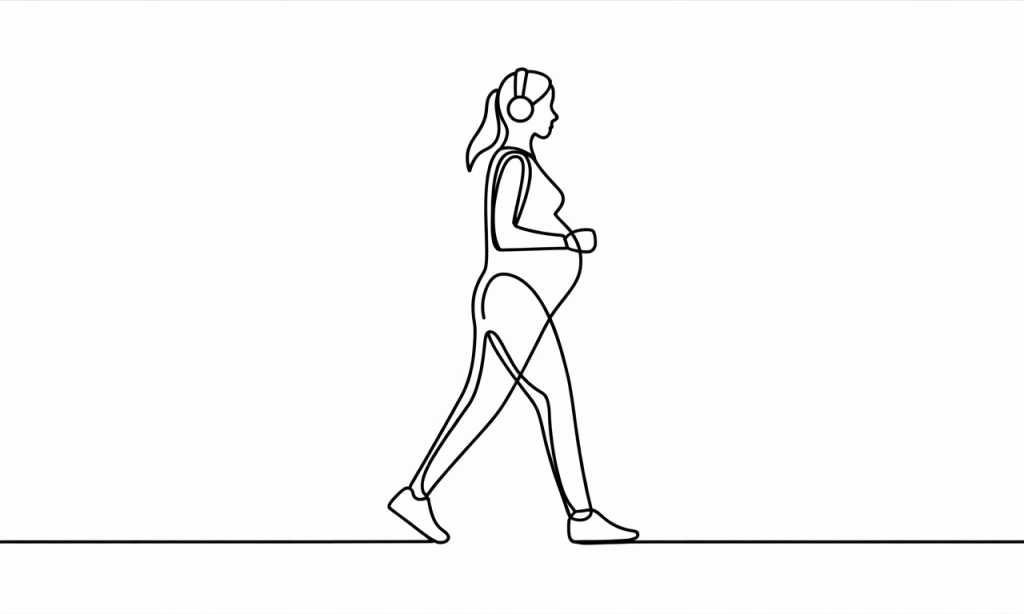
One of the less glamorous sides of pregnancy is a sluggish digestive system due to rising progesterone. Active movement stimulates your intestines, helping to move food through your system more efficiently. A simple 20-minute walk can be more effective than dietary changes alone for keeping you regular and comfortable.
Improved Sleep Quality
Finding a comfortable sleeping position can feel impossible in the third trimester. However, expending energy during the day through moderate activity helps regulate your circadian rhythm and leads to deeper, more restorative sleep. Women who move during the day report falling asleep faster and waking up less frequently at night.
2. Enhanced Labor and Delivery
Shorter Active Labor Duration
This is the benefit that gets every expectant mother’s attention. Research consistently shows that women who exercise regularly can have significantly shorter labors—sometimes by hours. A well-conditioned heart and uterus are more efficient at the hard work of contractions, helping the process move along steadily rather than stalling.
Lower Risk of C-Section
While C-sections are sometimes necessary, staying active can reduce your likelihood of needing an unplanned one. Exercise helps position the baby optimally in the pelvis and builds the stamina required for pushing. Studies indicate a clear correlation between sedentary lifestyles and higher rates of operative delivery interventions.
Increased Stamina for Birth
Labor is an endurance event, comparable to running a marathon. You wouldn’t run a race without training, and birth requires similar preparation. cardiovascular fitness ensures you have the lung capacity and muscular endurance to handle the physical intensity of delivery without becoming exhausted too early.
3. Disease Prevention and Management
Lower Risk of Gestational Diabetes
Gestational diabetes is a growing concern, but exercise is a powerful preventative tool. Muscle movement helps your body utilize glucose more effectively, keeping blood sugar levels stable. For women already diagnosed, daily activity is often a primary prescription to manage the condition without medication.
Controlled Blood Pressure
Preeclampsia and gestational hypertension are serious complications that can jeopardize both mother and baby. Regular moderate activity keeps your blood vessels flexible and healthy, helping to maintain normal blood pressure levels throughout your pregnancy. This simple habit protects your cardiovascular system when it is working its hardest.
4. Mental Health and Recovery
Reduced Prenatal Depression
Pregnancy hormones can take a toll on your mental health, leading to anxiety and depression. Exercise triggers the release of endorphins, your body’s natural mood lifters, which combat stress and fear. I have seen countless women walk into a session feeling overwhelmed and leave feeling grounded and capable.
Faster Postpartum Recovery
The benefits of the 9 amazing benefits of active pregnancy extend well past the birth. A body that has remained strong during pregnancy heals faster after delivery. Muscle memory allows you to regain your strength and mobility quicker, making those demanding early weeks of motherhood physically easier to handle.
5. Benefits for the Baby
Improved Fetal Heart Health
Your workout is your baby’s workout, too. Fetuses of active mothers show improved heart rate variability and cardiac function. This early conditioning primes their cardiovascular system for resilience, potentially lowering their risk of heart issues later in life.
Healthy Birth Weight
While we want chubby babies, macrosomia (excessive birth weight) can lead to delivery complications and future health issues for the child. Exercise helps regulate your blood sugar, which in turn prevents the baby from growing too large due to excess glucose. This leads to a healthier, safer size for delivery.
Frequently Asked Questions
Is it safe to start exercising if I wasn’t active before?
Yes, you can absolutely start exercising now, but you must begin slowly. The American College of Obstetricians and Gynecologists (ACOG) encourages even sedentary women to start a routine, provided they have medical clearance. Start with 10-15 minutes of walking daily and gradually build up to 30 minutes.
How much exercise do I need to see benefits?
ACOG recommends at least 150 minutes of moderate-intensity aerobic activity per week, which breaks down to about 30 minutes, five days a week. However, even smaller amounts can provide energy and mood boosts if you are just starting out. Consistency is more important than duration.
Can exercise cause miscarriage?
For women with uncomplicated pregnancies, there is no evidence that moderate exercise causes miscarriage. In fact, the placenta is anchored securely, and movement promotes a healthy environment for the baby. Always consult your doctor to rule out specific high-risk conditions like cervical insufficiency.
What are the warning signs to stop exercising?
You should stop immediately if you experience vaginal bleeding, dizziness, shortness of breath before starting, chest pain, headache, muscle weakness, calf pain or swelling, or regular painful contractions. Trust your instincts; if something feels “off,” rest and call your provider.
Does walking count as enough exercise?
Absolutely! Walking is considered one of the best prenatal exercises because it is low-impact, free, and cardiovascularly effective. As long as you walk briskly enough to elevate your heart rate (while still being able to talk), you are gaining significant health benefits.
Can I do abdominal exercises while pregnant?
Yes, but you need to modify them to avoid diastasis recti (abdominal separation). Avoid full sit-ups, crunches, or double leg lifts after the first trimester. Focus instead on deep core stabilizers like the transverse abdominis using gentle bracing or “bird-dog” exercises.
Will exercise make my baby arrive too early?
No, studies show that exercise does not increase the risk of preterm birth in normal pregnancies. In fact, it may actually reduce the risk by keeping the stress-response system balanced. Your baby will arrive when they are ready, regardless of your workout routine.
What is the best heart rate to aim for?
Modern guidelines have moved away from strict heart rate limits (like “never go over 140”). Instead, use the “talk test”: you should be able to carry on a conversation while exercising. If you are gasping for air, you are working too hard and should slow down.
Can I lift weights while pregnant?
Strength training is highly beneficial, but you should use lighter weights and higher repetitions. Avoid holding your breath (Valsalva maneuver) as it increases internal pressure. Be careful with overhead lifts in the third trimester as your balance shifts.
When should I stop exercising before birth?
Unless your doctor advises otherwise, you can exercise right up until you go into labor. Many women find that gentle walking or stretching in the final days helps manage anxiety and physical discomfort. Listen to your body and lower the intensity as needed.
Conclusion
Embracing the 9 amazing benefits of active pregnancy is not just about staying fit; it is about actively participating in the miracle of life your body is creating. From minimizing back pain to preparing your heart and mind for labor, every step you take is an investment in a smoother journey for you and a healthier start for your baby.
You are stronger than you know, and your body was built for this. Trust the process, listen to your instincts, and keep moving. Explore more evidence-based nutrition guides to optimize your health and wellness on the Prenatal Fitness page.