Hidden Triggers: What You Need to Know About Hormonal Disruption
After six decades of working with women struggling with hormonal health, I have learned that the most obvious culprits are not always the problem. While stress and poor diet certainly play major roles, there are surprising causes of hormone imbalance lurking in places you would never suspect.
From the products under your bathroom sink to the quality of air in your bedroom, modern life presents unprecedented challenges to your endocrine system.
Understanding these hidden triggers empowers you to take targeted action. Many women spend years treating symptoms without addressing the root environmental and lifestyle factors perpetuating their imbalances.
This guide reveals eight unexpected hormone disruptors backed by scientific research, along with practical steps to minimize your exposure and restore balance.
1. Environmental Toxins and Endocrine Disruptors
Plastics and BPA Exposure
Bisphenol A, commonly known as BPA, is one of the most pervasive endocrine-disrupting chemicals in modern society. This industrial compound mimics estrogen in your body, binding to hormone receptors and sending false signals.
Research demonstrates that BPA exposure is directly linked to infertility, polycystic ovary syndrome, and disrupted menstrual cycles in women.
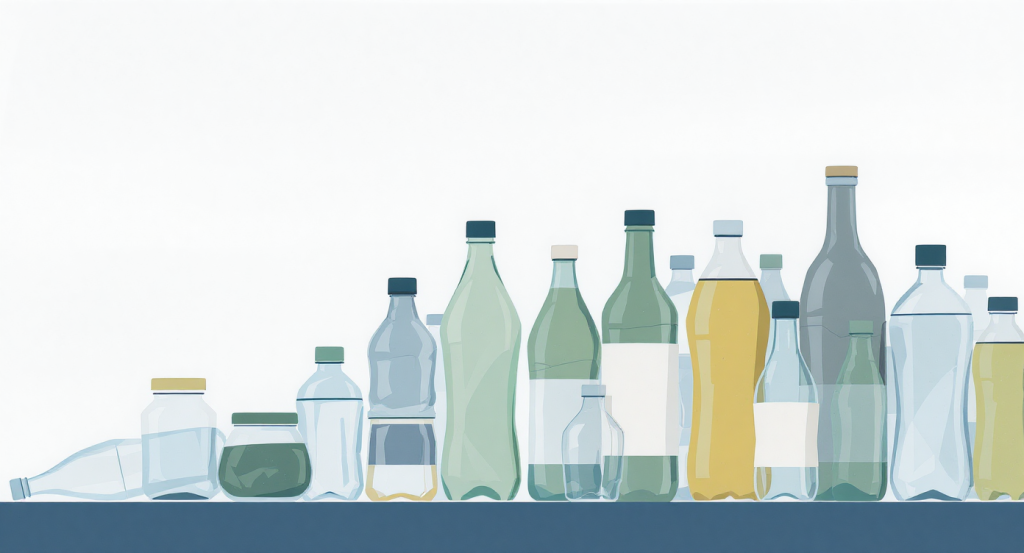
BPA leaches from plastic water bottles, food containers, and the lining of canned goods, especially when heated.
Even low-dose exposure during critical developmental windows can alter reproductive function for a lifetime. Switching to glass or stainless steel containers significantly reduces your exposure.
Phthalates in Personal Care Products
Phthalates are a family of chemicals used to make plastics flexible and to carry fragrances in cosmetics, lotions, and perfumes. These compounds disrupt hormonal homeostasis essential for ovulation, leading to menstrual irregularities and reduced ovarian reserve.
Studies show that phthalate exposure impairs follicle development and alters uterine receptivity. Check your product labels for terms like “fragrance” or “parfum,” which often hide phthalates. Choose fragrance-free or naturally scented products made with essential oils instead.
Pesticides and Herbicides
Agricultural chemicals used on conventional produce act as hormone mimickers and blockers in your body. Exposure to these substances has been closely linked to reproductive disorders and thyroid dysfunction.
Pesticides can cross the placental barrier, raising concerns about developmental effects on future generations.
Prioritizing organic produce, especially for the Environmental Working Group’s Dirty Dozen list, reduces your pesticide burden substantially. Washing produce thoroughly and peeling conventionally grown fruits and vegetables also helps.
2. Artificial Light Exposure and Circadian Disruption
Blue Light from Screens
The blue wavelengths emitted by smartphones, tablets, and computers suppress your body’s production of melatonin, the hormone that regulates sleep.
Disrupted melatonin secretion creates a cascade effect, elevating cortisol and disrupting the delicate balance of reproductive hormones. This circadian misalignment contributes to metabolic disorders and mood dysregulation.
Recent research demonstrates clear links between excessive screen time and immune dysfunction, potentially triggering inflammatory responses that further compromise hormonal health. Implementing a digital sunset at least one hour before bed allows melatonin to rise naturally.
LED and Fluorescent Lighting
Indoor lighting that lacks the full spectrum of natural sunlight confuses your body’s internal clock. Your hypothalamus, which governs hormone production, relies on light cues to coordinate circadian rhythms.
Artificial light exposure at inappropriate times can suppress typical immune responses or trigger excessive inflammation.
Consider using amber or red light bulbs in evening hours, which do not interfere with melatonin production. Getting bright natural light exposure first thing in the morning helps anchor your circadian rhythm and optimize hormone timing.
3. Heavy Metal Contamination
Lead, Mercury, and Cadmium
Heavy metals accumulate in your body over time, interfering with hormone synthesis and receptor function. A comprehensive study of midlife women found that exposure to heavy metals including arsenic, cadmium, lead, and mercury significantly altered levels of estradiol, follicle-stimulating hormone, and testosterone.
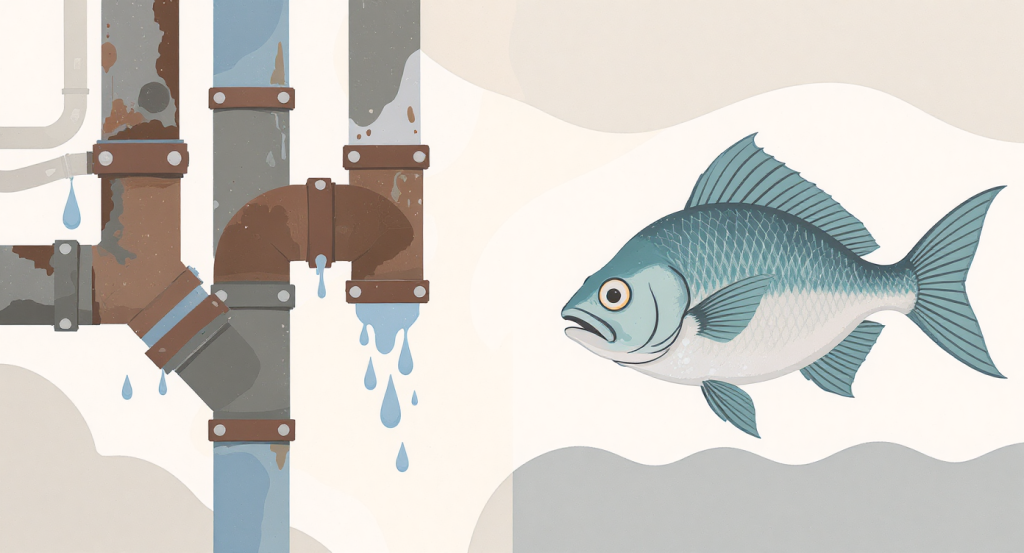
These toxic elements disrupt the delicate feedback loops between your brain and ovaries. Mercury from large fish like tuna and swordfish, lead from old pipes or paint, and cadmium from cigarette smoke represent common exposure routes. Testing your home’s water supply and choosing low-mercury fish options protects your endocrine system.
Aluminum and Copper Imbalances
While often overlooked, aluminum from cookware and antiperspirants can accumulate in tissues and interfere with estrogen metabolism. Excess copper, particularly when zinc is deficient, mimics estrogen and contributes to hormonal imbalance. Women with copper IUDs sometimes experience symptoms of estrogen dominance due to this mechanism.
Choosing cast iron or stainless steel cookware and aluminum-free deodorants reduces exposure. Balancing your copper-to-zinc ratio through diet or supplementation helps restore proper hormone function.
4. Mold Exposure and Mycotoxin Illness
Water-Damaged Buildings
Mold exposure represents one of the most overlooked yet significant surprising causes of hormone imbalance in modern medicine. Mycotoxins, the toxic compounds produced by mold, can disrupt thyroid conversion, impair adrenal function, and create cortisol chaos. These toxins confuse your immune system and alter the immune balances critical for implantation and fertility.
Women living or working in water-damaged buildings often experience cyclical symptoms including headaches, brain fog, and stubborn gastrointestinal issues that do not respond to typical treatments. Mycotoxins can be detected in urine, providing evidence of ongoing internal burden.
Impact on Gut and Hormone Metabolism
Mycotoxins create leaky gut, food sensitivities, and dysbiosis, all of which impair your body’s ability to metabolize and eliminate hormones properly. They lower stomach acid and pancreatic enzymes, slow gut motility, and drive fungal overgrowth. This creates a vicious cycle where hormone imbalances perpetuate gut dysfunction, and gut dysfunction worsens hormonal symptoms.
If you suspect mold exposure, testing your environment with dust samples and your body with urine mycotoxin panels provides critical diagnostic information. Remediation of the source is essential before attempting detoxification protocols.
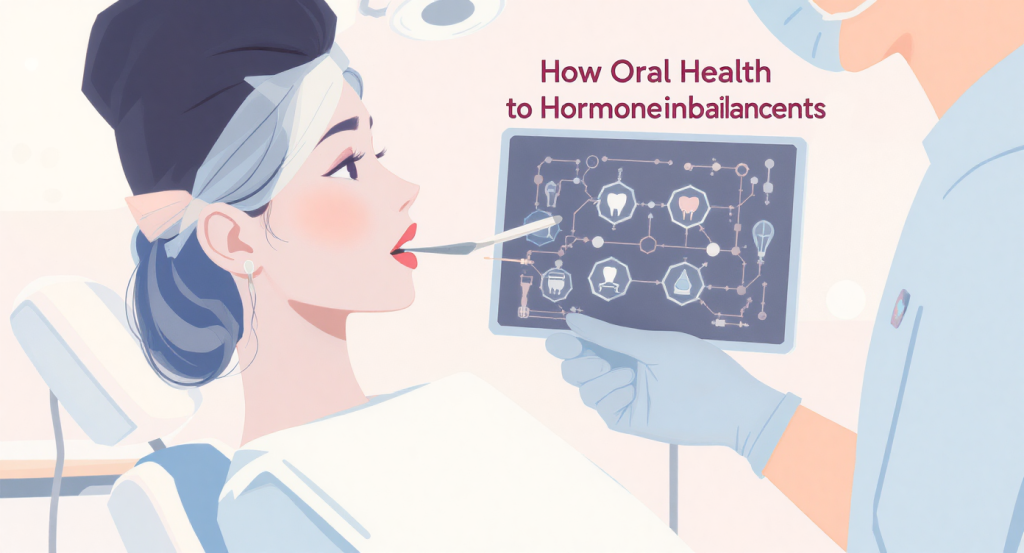
5. Dental Health and Oral Inflammation
Periodontal Disease Connection
The bidirectional relationship between oral health and hormones often surprises women. Declining estrogen levels during perimenopause reduce gum tissue integrity and compromise jawbone density, increasing susceptibility to periodontal disease. Conversely, chronic gum inflammation releases cytokines into your bloodstream that interfere with hormone signaling.
During pregnancy, surges in progesterone and estrogen amplify inflammatory responses to plaque bacteria, often resulting in pregnancy gingivitis. This heightened inflammation can affect reproductive outcomes and overall hormonal balance.
Root Canals and Chronic Infections
Low-grade dental infections harbor bacteria that produce endotoxins, keeping your immune system in a constant state of activation. This chronic inflammation diverts resources from hormone production and regulation. Women with unexplained hormonal symptoms should consider a thorough dental evaluation, including screening for cavitations and failed root canals.
Maintaining excellent oral hygiene, using antimicrobial mouth rinses, and addressing dental issues promptly protects both your oral and hormonal health. Regular professional cleanings reduce inflammatory burden throughout your body.
6. Overtraining and Exercise Extremes
Chronic Cortisol Elevation
While moderate exercise supports hormonal health, excessive high-intensity training without adequate recovery creates a hormonal crisis. Overtraining syndrome causes chronically elevated cortisol levels, leading to poor sleep, anxiety, and stubborn belly fat storage. This perpetual stress signal tells your body that survival is threatened, suppressing reproductive function.
Women who overtrain frequently experience irregular or absent menstrual periods as their bodies prioritize immediate survival over reproduction. The condition known as hypothalamic amenorrhea often stems from the combination of excessive exercise and inadequate caloric intake.
Suppressed Sex Hormones
Overtraining suppresses testosterone in men and decreases progesterone and estrogen in women, further impairing recovery capacity. These anabolic hormones are critically important for tissue repair and adaptation to training stress. Without sufficient levels, you become stuck in a catabolic state, breaking down faster than you can rebuild.
Incorporating rest days, prioritizing sleep, and choosing lower-intensity movement like walking or yoga allows your endocrine system to recover. Listening to your body’s signals prevents the downward spiral of overtraining syndrome.
7. Nutrient Deficiencies Despite Adequate Diet
Malabsorption Issues
Even if you eat a nutrient-dense diet, underlying gut issues can prevent proper absorption of vitamins and minerals essential for hormone production. Conditions like celiac disease, inflammatory bowel disease, or small intestinal bacterial overgrowth impair nutrient uptake. Essential fatty acid deficiency affects the production of sex hormones, while inadequate B vitamins compromise methylation pathways needed for hormone metabolism.
Testing for nutrient deficiencies through comprehensive blood work reveals whether absorption problems underlie your hormonal symptoms. Healing the gut lining must precede supplementation for optimal results.
Specific Micronutrient Gaps
Magnesium deficiency affects over half of Americans and directly impacts thyroid function, insulin sensitivity, and stress hormone regulation. Zinc is essential for progesterone production and proper immune function. Vitamin D acts as a hormone itself, influencing the expression of genes involved in reproduction and metabolism.
Working with a knowledgeable practitioner to identify and correct your specific deficiencies provides the raw materials your body needs for optimal hormone synthesis. Food sources should be prioritized, with targeted supplementation used when dietary intake proves insufficient.
8. Electromagnetic Frequency Exposure
WiFi and Cell Phone Radiation
Emerging research suggests that electromagnetic frequencies from wireless devices may disrupt hormone-producing glands, particularly the thyroid and reproductive organs. While the mechanisms are still being elucidated, the constant low-level radiation appears to increase oxidative stress and inflammation in endocrine tissues.
Keeping your phone away from your body, especially at night, reduces exposure. Using airplane mode when possible and hardwiring internet connections instead of relying solely on WiFi provides additional protection.
Smart Meters and Bluetooth Devices
The cumulative burden of multiple wireless devices in modern homes creates an unprecedented electromagnetic environment. Some women report symptom improvement after reducing EMF exposure, particularly regarding sleep quality and menstrual regularity. While more research is needed, the precautionary principle suggests minimizing unnecessary exposure.
Creating an EMF-free bedroom by removing electronic devices, using battery-powered alarm clocks, and turning off WiFi at night supports deeper, more restorative sleep. This simple shift often yields surprising improvements in hormonal symptoms.

Testing and Identifying Your Triggers
Comprehensive Hormone Panels
Working with a functional medicine provider to run thorough hormone testing helps establish your baseline. Testing should include not just estrogen and progesterone, but also thyroid function, cortisol patterns, and inflammatory markers. Timing tests appropriately within your menstrual cycle provides the most accurate picture.
Follow-up testing after implementing environmental changes allows you to track progress objectively. Hormonal shifts typically take three to six months to manifest fully, so patience and consistency are essential.
Environmental Testing Options
Consider testing your home for mold, water quality for heavy metals, and dust for endocrine disruptors. Several companies offer comprehensive environmental testing panels that screen for dozens of potential toxins. This data-driven approach helps prioritize which exposures to address first.
Urine tests can detect mycotoxins, heavy metals, and metabolites of environmental chemicals, revealing your body’s total toxic burden. These tests guide targeted detoxification protocols tailored to your specific exposures.
Practical Steps to Minimize Exposure
Audit Your Products
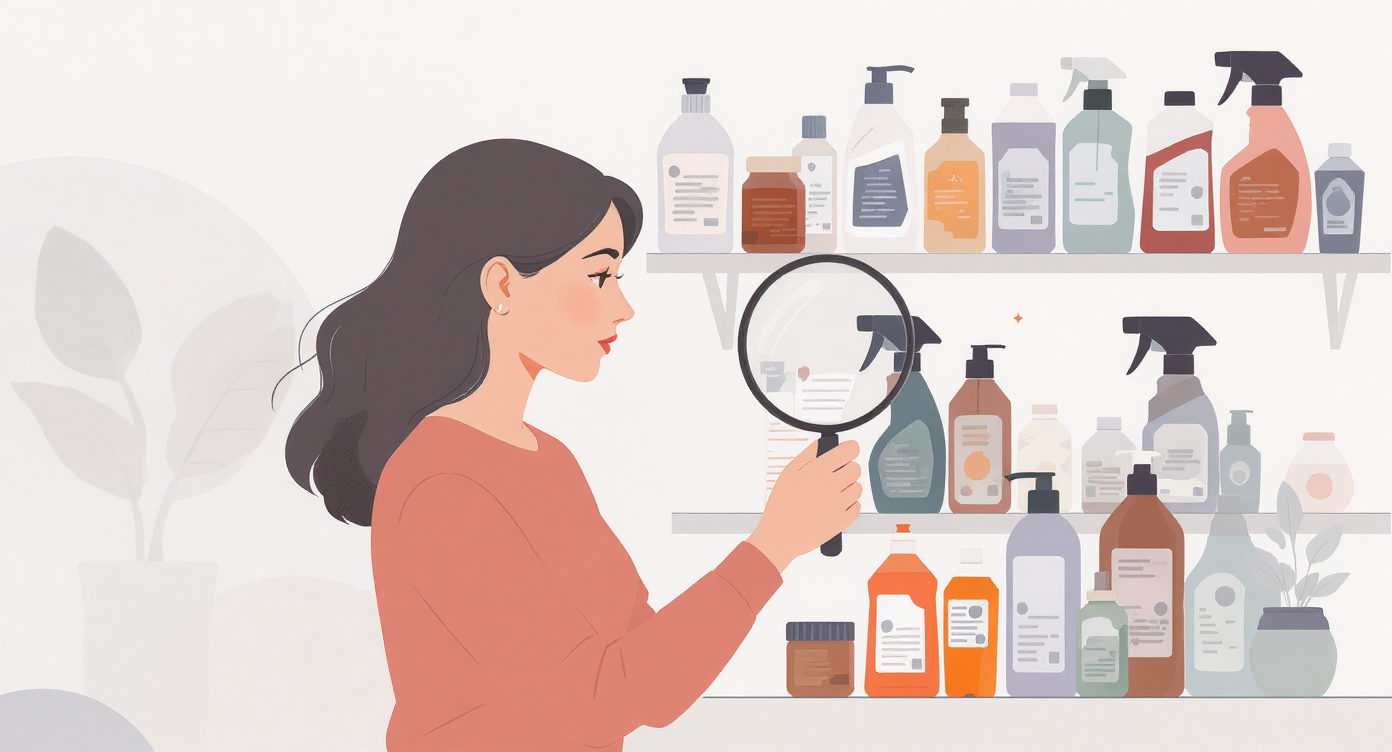
Start by reviewing personal care products, cleaning supplies, and food storage containers in your home. Replace items containing parabens, phthalates, synthetic fragrances, and triclosan with cleaner alternatives. This process does not need to happen overnight; gradual replacements reduce financial burden while still protecting your health.
Many smartphone apps allow you to scan product barcodes and receive safety ratings based on ingredient analysis. These tools make identifying hormone-safe products quick and easy.
Optimize Your Environment
Improve indoor air quality with HEPA filters and houseplants that naturally purify air. Address any water damage or visible mold immediately. Install water filters that remove heavy metals and chlorine. These foundational environmental upgrades benefit every aspect of your health, not just hormones.
Creating a low-toxin home becomes easier over time as you establish new purchasing habits. The investment in your health pays dividends in improved energy, mood, and reproductive function.
Frequently Asked Questions
What are the most surprising causes of hormone imbalance that doctors miss?
Mold exposure, dental inflammation, and electromagnetic frequency exposure represent three commonly overlooked triggers that conventional medicine rarely screens for.
Environmental toxins like BPA and phthalates often go unaddressed despite strong scientific evidence linking them to endocrine disruption. Heavy metal accumulation also frequently flies under the radar, yet significantly impacts reproductive hormone levels.
A comprehensive functional medicine evaluation that includes environmental assessments provides a more complete picture than standard hormone testing alone.
Can mold exposure really cause hormonal imbalance?
Yes, mycotoxins produced by mold directly disrupt thyroid conversion, impair adrenal function, and create immune dysregulation that affects reproductive hormones.
Women exposed to water-damaged buildings often experience symptoms including irregular cycles, fertility challenges, and stubborn fatigue that do not respond to conventional treatments.
Mycotoxins create gut dysfunction that further impairs hormone metabolism and elimination. Testing for both environmental mold and urinary mycotoxins helps identify whether this hidden trigger contributes to your symptoms.
How do endocrine disruptors affect my hormones?
Endocrine-disrupting chemicals interfere with hormone action by mimicking natural hormones, blocking hormone receptors, or altering hormone production and metabolism.
BPA, for example, binds to estrogen receptors and sends false signals throughout your body.
These chemicals can affect multiple hormone systems simultaneously, including reproductive hormones, thyroid function, and metabolic regulation. Even low-dose exposures during critical developmental periods can create lasting hormonal dysfunction.
Is overtraining bad for women’s hormones?
Excessive high-intensity exercise without adequate recovery chronically elevates cortisol, which suppresses estrogen and progesterone production. This can lead to irregular or absent periods, a condition called hypothalamic amenorrhea.
Overtraining also decreases anabolic hormones needed for tissue repair and metabolic health. Women need to balance exercise intensity with rest, adequate nutrition, and stress management to support rather than sabotage hormonal health.
Can dental problems cause hormone imbalance?
Chronic periodontal disease creates systemic inflammation that interferes with hormone signaling throughout your body. The relationship is bidirectional—declining hormones during perimenopause worsen gum health, while gum inflammation exacerbates hormonal symptoms.
Low-grade dental infections release inflammatory cytokines into your bloodstream, keeping your immune system activated and diverting resources from hormone production. Maintaining excellent oral health and addressing dental issues promptly supports overall hormonal balance.
What are the symptoms of heavy metal toxicity affecting hormones?
Heavy metal exposure can manifest as irregular menstrual cycles, unexplained fertility issues, thyroid dysfunction, and premature ovarian aging. Other symptoms include chronic fatigue, brain fog, mood instability, and weight gain despite lifestyle efforts.
Because heavy metals accumulate slowly over time, symptoms often develop gradually, making the connection difficult to recognize. Testing urinary or blood levels of metals like lead, mercury, cadmium, and arsenic provides diagnostic clarity.
Does blue light really disrupt hormones?
Yes, blue wavelengths from screens suppress melatonin production, which creates cascading effects on other hormones including cortisol, estrogen, and progesterone. This circadian disruption is linked to metabolic disorders, immune dysfunction, and mood dysregulation.
Research shows that artificial light exposure at inappropriate times can trigger inflammatory responses and alter reproductive hormone patterns. Implementing a digital sunset and using blue light blocking glasses in the evening helps restore natural hormone rhythms.
How long does it take to reverse hormone imbalance from environmental toxins?
Most women notice initial improvements within 4 to 8 weeks of reducing toxic exposures, though complete hormone normalization typically requires 3 to 6 months. The timeline depends on your total toxic burden, how long exposure occurred, and your body’s individual detoxification capacity.
Supporting liver function, optimizing gut health, and maintaining clean living habits accelerates the recovery process. Patience and consistency are essential, as rushing detoxification can sometimes temporarily worsen symptoms.
Can changing my home products really make a difference?
Absolutely. Studies demonstrate that switching from conventional personal care and cleaning products to hormone-safe alternatives significantly reduces urinary levels of phthalates and other endocrine disruptors within days.
These reductions translate to measurable improvements in hormonal symptoms over time. While product swaps alone may not resolve severe imbalances, they remove a significant source of ongoing disruption, allowing your body to heal more effectively.
Should I test for environmental toxins if I have hormone problems?
If you have unexplained hormonal symptoms despite normal standard testing, screening for environmental toxins provides valuable diagnostic information.
Testing for heavy metals, mycotoxins, and metabolites of plastic chemicals reveals hidden burdens that conventional medicine often misses.
This data allows you to implement targeted interventions rather than guessing which exposures might affect you.
Working with a functional medicine practitioner trained in environmental medicine ensures proper test interpretation and treatment protocols.
Conclusion
Understanding the surprising causes of hormone imbalance empowers you to address factors that conventional approaches often overlook.
From the plastic containers in your kitchen to the mold hidden in your walls, modern life presents unprecedented challenges to your endocrine system.
The good news is that awareness creates opportunity—once you identify your specific triggers, you can take concrete steps to minimize exposure and support your body’s natural healing capacity.
You do not need to become obsessive or anxious about every potential toxin. Focus on the exposures you can control, make gradual improvements over time, and trust that each positive change compounds into significant health benefits.
Your hormones are remarkably resilient when given the right support and environment to function optimally. Explore more evidence-based nutrition guides to optimize your health and wellness on the Hormone Health page.