Your skin barrier acts as your body’s first line of defense against environmental stressors, pollution, and moisture loss. When this protective layer becomes damaged, you may experience tightness, redness, flaking, or increased sensitivity. A strategic skin barrier repair routine can restore your skin’s health within 2-4 weeks using evidence-based ingredients and gentle care practices. This comprehensive guide walks you through seven essential steps to rebuild your skin’s natural protective layer and achieve lasting results.
Understanding how to properly repair your damaged skin barrier requires knowing which ingredients work, which habits to avoid, and how to layer products effectively. Research shows that transepidermal water loss (TEWL)—the measurement of water evaporation through your skin—serves as a key indicator of barrier dysfunction. Let’s explore the science-backed approach to barrier restoration.
What Is Your Skin Barrier and Why Does It Matter?
Understanding Barrier Structure
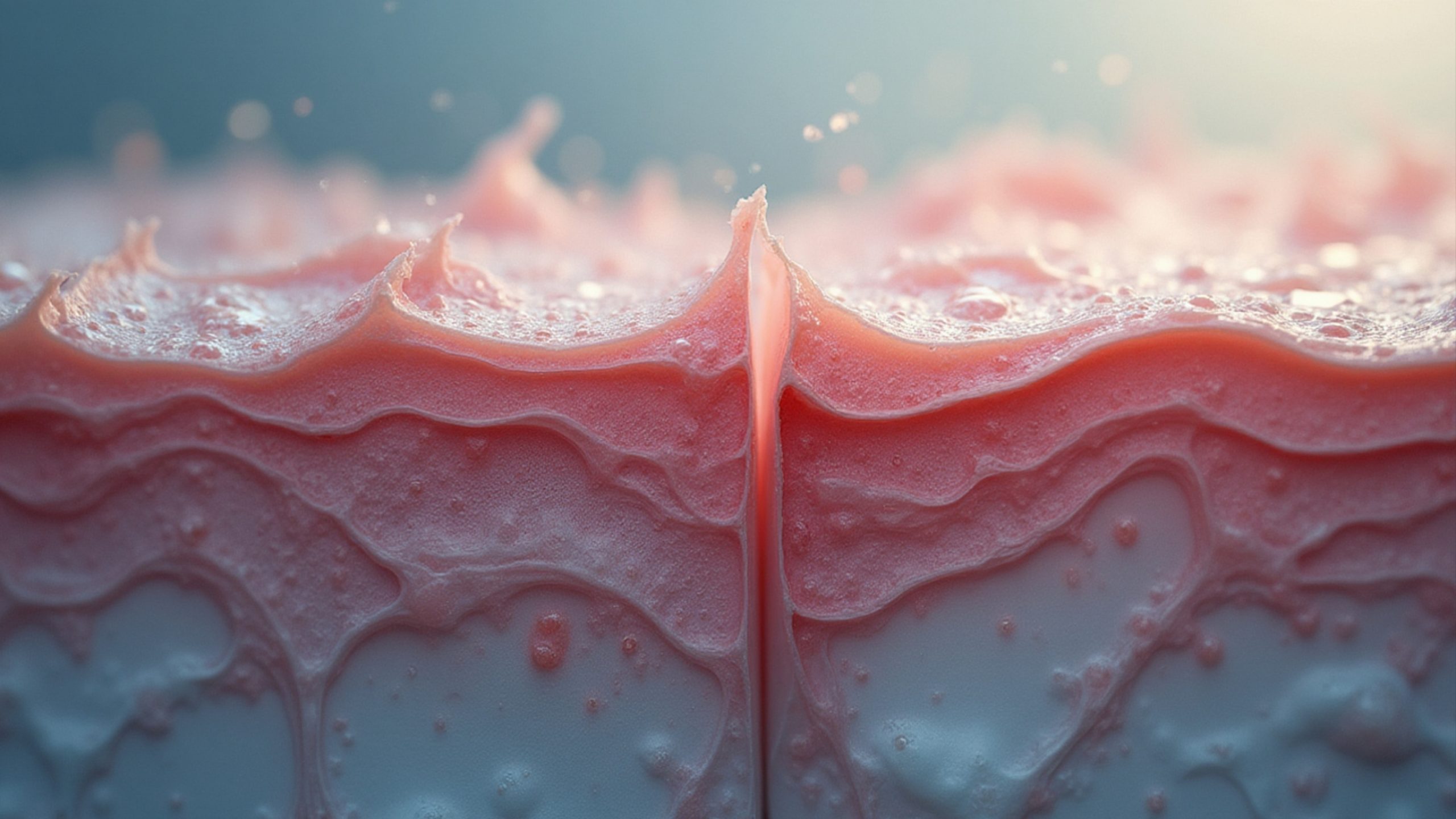
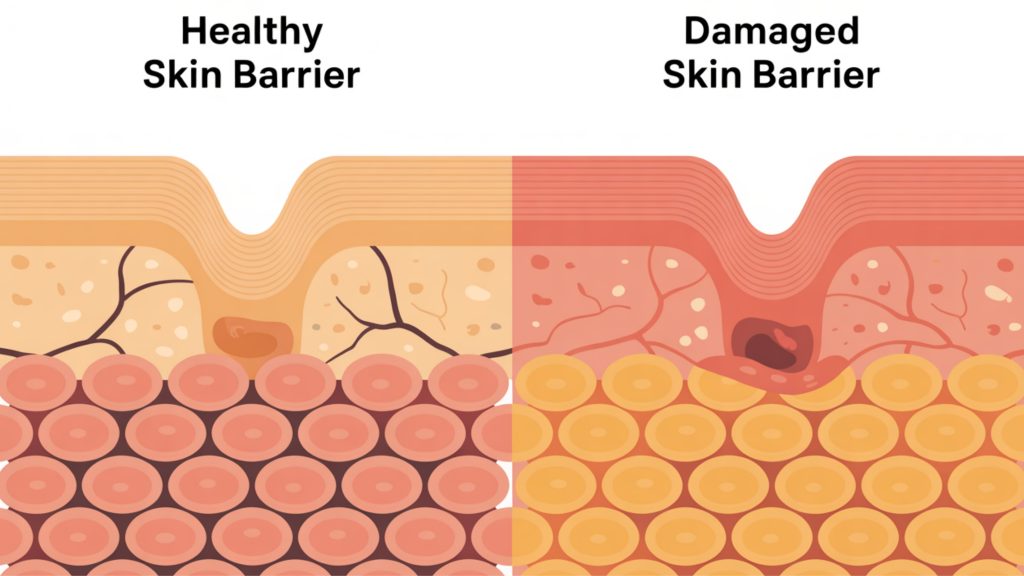
Your skin barrier consists of a “brick and mortar” arrangement where skin cells (bricks) are held together by lipids including ceramides, cholesterol, and fatty acids (mortar). This structure prevents water loss while blocking irritants, bacteria, and allergens from penetrating your skin. When functioning optimally, your barrier maintains hydration levels and protects against environmental damage.
Signs of a Damaged Barrier
Recognizing barrier damage early allows for faster intervention. Common symptoms include persistent dryness, increased sensitivity to products that previously worked well, visible redness or inflammation, rough texture, and prolonged breakouts.
Your skin may also feel tight after cleansing or show visible flaking. These signs indicate compromised barrier function requiring immediate attention through a targeted skin barrier repair routine.
The 7-Step Skin Barrier Repair Routine
Step 1: Use Gentle pH-Balanced Cleansing
Start with a cleanser formulated at pH 4.5-5.5 to match your skin’s natural acidity. Alkaline cleansers (pH above 7) strip your acid mantle and worsen barrier damage, while pH-balanced formulas preserve protective oils.
Look for cream or hydrating gel cleansers free from sulfates and harsh surfactants. Cleanse with lukewarm water—never hot—and pat your face dry with a soft towel instead of rubbing.
Recommended approach:
- Cleanse only once daily (evening) if your barrier is severely damaged
- Use just water in the morning until barrier strength improves
- Avoid cleansing devices, scrubs, or exfoliating cloths completely
Step 2: Apply Ceramide-Rich Treatments
Ceramides make up approximately 50% of your skin’s lipid barrier and directly restore the “mortar” between skin cells. When ceramide levels drop due to aging, harsh products, or environmental stress, your barrier weakens significantly.
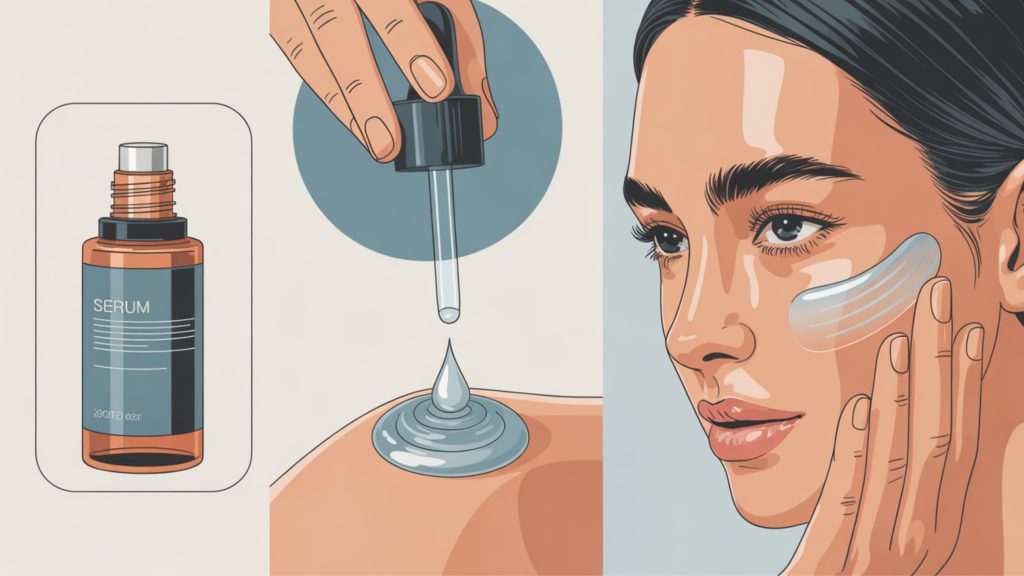
Apply ceramide serums or treatments to damp skin immediately after cleansing. This ingredient repairs gaps in your barrier structure while preventing moisture loss.
Clinical research confirms that topical ceramide application produces measurable barrier improvements within 2-4 weeks.
Product features to seek:
- Multi-ceramide formulas (ceramide 1, 3, 6-II)
- Cholesterol and fatty acids in 3:1:1:1 ratio
- Fragrance-free, minimal ingredient lists
Step 3: Layer Niacinamide Serum
Niacinamide (vitamin B3) works synergistically with ceramides by stimulating your skin’s natural ceramide production from within. This dual-action approach—replacing lost ceramides topically while boosting internal production—accelerates barrier recovery.
Research shows niacinamide reduces transepidermal water loss (TEWL) and enhances natural lipid synthesis. Concentrations of 2-10% prove effective for barrier repair without irritation.
Additional niacinamide benefits:
- Reduces inflammation and redness
- Strengthens barrier resilience over time
- Minimizes sensitivity to environmental stressors
Step 4: Seal with Barrier-Repair Moisturizer
Choose moisturizers containing the optimal lipid ratio of ceramides, cholesterol, and fatty acids (3:1:1:1). This specific ratio accelerates barrier recovery significantly compared to other formulations in clinical studies.
Your moisturizer should include both humectants (to draw water in) and occlusives (to prevent water loss). Apply generously to slightly damp skin for maximum absorption.
Key ingredients to prioritize:
- Ceramide complex (NP, AP, EOP)
- 4% cholesterol
- Essential fatty acids (linoleic, linolenic)
- Hyaluronic acid for hydration
- Squalane or glycerin as humectants
Step 5: Add Occlusive Layer at Night
Apply a thin layer of petroleum jelly (petrolatum) or another occlusive agent over dry areas before bed. This creates a semi-permeable seal that locks in all previous layers while supporting overnight barrier repair.
Occlusives don’t add moisture themselves but prevent the moisture you’ve applied from evaporating. Studies show this technique significantly reduces TEWL and accelerates healing.
Effective occlusive options:
- 100% petroleum jelly
- Lanolin-based balms
- Shea butter concentrates
- Ceramide-enriched sleeping masks
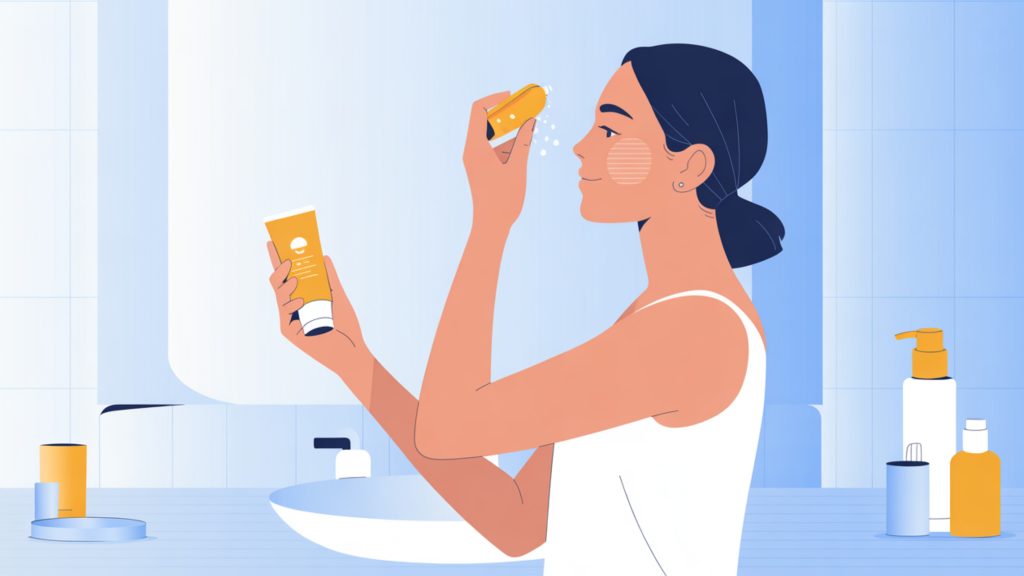
Step 6: Protect with Daily SPF
UV radiation damages your skin barrier at the cellular level and slows natural repair processes. Apply broad-spectrum SPF 30-50 every morning, even indoors, as UVA rays penetrate windows.
Choose mineral sunscreens (zinc oxide, titanium dioxide) if your barrier is highly reactive. These physical blockers sit on skin’s surface rather than being absorbed, reducing irritation risk.
Reapply every two hours when outdoors. Sun protection remains non-negotiable during barrier repair.
Step 7: Support from Within
Your skin barrier repair routine extends beyond topical products. Internal factors significantly influence barrier function and healing speed.
Stay hydrated by drinking 8-10 glasses of water daily. Consume omega-3 fatty acids from fish, flaxseed, or supplements, as studies show these improve skin hydration and reduce TEWL. Manage stress through meditation or exercise, since cortisol disrupts barrier homeostasis.
Dietary support strategies:
- Eat antioxidant-rich foods (berries, leafy greens)
- Include zinc-rich foods (oysters, pumpkin seeds)
- Consider oral ceramide supplements
- Limit alcohol and processed sugar intake
What to Avoid During Barrier Repair
Eliminate Harsh Actives Temporarily
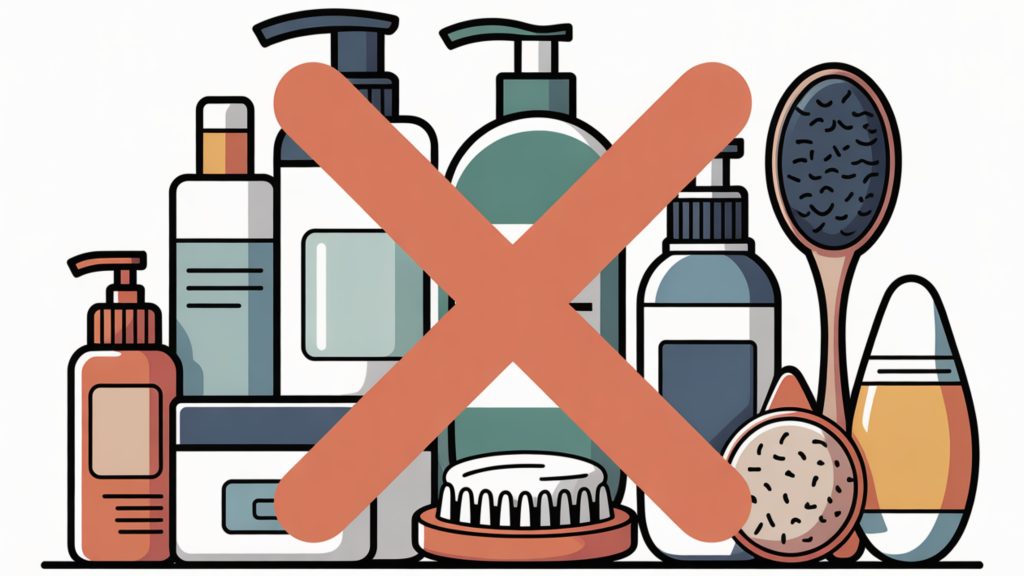
Remove all retinoids, AHAs, BHAs, vitamin C, and benzoyl peroxide until your barrier fully heals. These active ingredients, while beneficial for healthy skin, further damage compromised barriers and delay recovery.
You can slowly reintroduce one active at a time after 4-6 weeks of consistent barrier care. Start with the lowest concentration and monitor your skin’s response carefully.
Skip Professional Treatments
Avoid microneedling, chemical peels, laser treatments, and harsh facials while your barrier is damaged. These procedures create controlled injury to stimulate collagen production but require intact barrier function for safe healing.
Wait until your skin shows zero sensitivity, tightness, or reactivity. Consult your dermatologist before resuming any professional treatments.
Stop Over-Cleansing Habits
Cleansing more than twice daily strips protective oils and disrupts your skin’s microbiome. Hot water, long showers, and aggressive rubbing all worsen barrier damage.
Limit face washing to once or twice daily with cool or lukewarm water. Your skin needs time between cleanses to produce natural protective sebum.
Timeline: When to Expect Results
Weeks 1-2: Initial Improvements
You’ll notice reduced tightness and sensitivity within the first week of starting your skin barrier repair routine. Flaking and rough texture begin improving as moisture retention increases. Your skin feels more comfortable with products that previously stung.
Weeks 3-4: Visible Transformation
Clinical studies show measurable barrier function improvements at the 2-4 week mark. TEWL measurements decrease significantly, indicating restored barrier integrity. Redness fades, texture smooths, and your skin tolerates a broader range of products.
Month 2-3: Complete Restoration
Full barrier recovery typically requires 6-12 weeks for severe damage. Your skin regains its natural resilience, bounce, and glow. At this point, you can cautiously reintroduce gentle actives if desired, though many people maintain their simplified routine.
Consistency proves more important than product cost. Stick with your barrier repair protocol without introducing new products during the healing phase.
Advanced Barrier-Repair Strategies
Microbiome-Friendly Approach
Your skin’s microbiome—the ecosystem of beneficial bacteria—plays a crucial role in barrier function. Supporting both simultaneously creates optimal healing conditions and prevents future damage.
Choose products with prebiotics, probiotics, or postbiotics that nourish beneficial bacteria. Avoid antibacterial ingredients that disrupt microbial balance. This 2025 research breakthrough shows microbiome-supportive repair leads to faster, more sustainable results.
Environmental Protection Tactics
Barrier damage often stems from environmental factors beyond your control. Use a humidifier in dry climates or heated homes to maintain 40-60% ambient humidity.
Protect your face from extreme cold or wind with a scarf or mask. Avoid chlorinated pools and minimize exposure to air pollution when possible. These simple adjustments reduce daily stress on your healing barrier.
Strategic Product Layering
Apply products from thinnest to thickest consistency for maximum absorption. Wait 30-60 seconds between layers to allow proper penetration without dilution.
The ideal sequence: cleanser → toner (if using) → watery serums → thicker serums → moisturizer → occlusive. This method ensures each ingredient reaches its target depth in your skin.
Frequently Asked Questions (FAQ)
How long does it take to repair a damaged skin barrier?
Most people see significant improvement within 2-4 weeks of following a consistent skin barrier repair routine with ceramides and gentle care. Severe barrier damage may require 6-12 weeks for complete restoration depending on the level of impairment. The timeline varies based on damage severity, product consistency, and whether you’ve eliminated irritating factors. Stick with your simplified routine without introducing new products during this healing period for best results.
Can I use retinol while repairing my skin barrier?
No, you should avoid all retinoids during active barrier repair as they can further disrupt compromised skin and delay healing. Retinol increases cell turnover and can be irritating even to healthy skin, making it counterproductive when your barrier is damaged. Once your skin shows zero sensitivity, tightness, or reactivity for at least 4-6 weeks, you can slowly reintroduce retinol starting with the lowest concentration. Always apply barrier-supporting products before and after retinol to minimize potential irritation.
What’s the difference between dehydrated skin and damaged barrier?
Dehydrated skin lacks water content and feels tight but maintains barrier function, while a damaged barrier has structural lipid deficiencies that allow excessive moisture loss. Dehydration can be a symptom of barrier damage but can also occur independently due to climate or insufficient water intake. You can measure barrier dysfunction through elevated transepidermal water loss (TEWL), which indicates compromised barrier integrity. Both conditions benefit from hydrating ingredients, but barrier damage specifically requires lipid-replacement with ceramides, cholesterol, and fatty acids in the optimal 3:1:1:1 ratio.
Are expensive skincare products better for barrier repair?
Price doesn’t determine effectiveness for barrier repair—ingredient quality and formulation ratios matter most. Many affordable drugstore products contain the optimal ceramide, cholesterol, and fatty acid ratio (3:1:1:1) proven to accelerate barrier recovery. Focus on products with minimal, fragrance-free ingredients containing ceramides (especially NP, AP, EOP), 4% niacinamide minimum, and physiological lipids. Clinical research shows properly formulated budget products perform comparably to luxury options when ingredients match barrier composition needs.
Should I use hyaluronic acid on damaged skin barrier?
Yes, hyaluronic acid supports barrier repair by drawing moisture into skin, but always apply it to damp skin and seal with an occlusive moisturizer. Hyaluronic acid is a humectant that attracts up to 1000 times its weight in water, making it excellent for hydration during barrier recovery. However, in low-humidity environments, it can draw moisture from deeper skin layers if not properly sealed, potentially worsening dryness. Layer hyaluronic acid between your ceramide serum and lipid-rich moisturizer for optimal barrier support and hydration retention.
Can damaged skin barrier cause acne?
Yes, a compromised barrier disrupts your skin’s pH balance and microbiome, creating conditions that promote acne-causing bacteria growth. When your barrier is damaged, your skin may overproduce oil to compensate for moisture loss, leading to clogged pores and breakouts. Additionally, a weakened barrier allows irritants and bacteria to penetrate more easily, triggering inflammatory acne responses. Repairing your barrier with ceramides and niacinamide often resolves acne issues by restoring natural pH, supporting beneficial bacteria, and regulating oil production.
Is it normal for skin to get worse before better during barrier repair?
No, your skin barrier repair routine should provide immediate comfort and gradual improvement without a “purging” phase. If your skin worsens, you’re likely using products with irritating ingredients or haven’t eliminated all harsh actives. Unlike retinoids that cause legitimate purging, barrier repair focuses on soothing and restoration with gentle, non-irritating ingredients. You should notice reduced tightness and sensitivity within days, with visible improvements by week two. If irritation occurs, simplify your routine further and check all products for fragrance, essential oils, or high-percentage actives.
How do I know if my skin barrier is healed?
Your barrier has healed when skin feels comfortable throughout the day, products no longer sting or burn, redness and flaking have resolved, and your skin tolerates previously irritating products. Clinically, healed barrier function shows normalized TEWL measurements and restored moisture retention. Your skin should feel soft, supple, and resilient to environmental changes like temperature fluctuations or dry air. Most people can confidently assess healing through absence of sensitivity and return of healthy texture, though dermatologists can measure TEWL for objective confirmation if needed.
Can I exfoliate with a damaged skin barrier?
No, avoid all forms of exfoliation—chemical (AHAs, BHAs) and physical (scrubs, brushes)—until your barrier completely heals. Exfoliation removes surface cells and can further disrupt your already compromised lipid structure, delaying recovery significantly. Your skin naturally sheds dead cells without manual intervention, and this process continues even with barrier damage. Wait at least 4-6 weeks of barrier repair before considering gentle chemical exfoliation, and start with the lowest concentration possible. Physical exfoliants should generally be avoided long-term as they can chronically stress the barrier.
What’s the best moisturizer for barrier repair?
The best barrier repair moisturizer contains ceramides, cholesterol, and fatty acids in a 3:1:1:1 ratio, which clinical studies show accelerates recovery faster than other formulations. Look for products listing ceramide NP, AP, and EOP along with 4% cholesterol and essential fatty acids like linoleic acid. The formula should be fragrance-free with minimal additional ingredients to reduce irritation risk. Popular evidence-based options include products specifically marketed for eczema or sensitive skin, as these typically contain optimal lipid ratios. Apply generously to damp skin and seal with an occlusive at night for maximum effectiveness.
Conclusion
Rebuilding your skin’s protective barrier requires patience, consistency, and evidence-based ingredients rather than expensive products or complicated routines. Your skin barrier repair routine should focus on gentle cleansing with pH-balanced formulas, ceramide and niacinamide application, lipid-rich moisturizers in the optimal 3:1:1:1 ratio, and strict sun protection. Most people experience measurable improvements within 2-4 weeks, with complete restoration taking up to 12 weeks for severe damage.
Remember to eliminate all harsh actives, avoid professional treatments temporarily, and support your skin from within through hydration and nutrition. Your simplified routine may seem basic compared to multi-step regimens, but this targeted approach delivers superior results by allowing your skin’s natural healing mechanisms to function optimally. Once your barrier fully recovers, maintain its health by preserving gentle cleansing practices and continuing ceramide-rich moisturizers.
Explore more evidence-based nutrition guides to optimize your health and wellness on the Skin Care page.