Prevent Beardruff by adopting a comprehensive grooming regimen that addresses both symptomatic manifestations and underlying causative factors. Beardruff, the colloquial appellation for beard-associated dandruff, stems primarily from Malassezia yeast proliferation and cutaneous desiccation beneath facial follicles. To effectively prevent beardruff, establish routine care, including cleaning and moisturizing your beard. Additional steps can help prevent beardruff effectively.
Implement specialized beard ablutions utilizing gentle, sulfate-free cleansers formulated with botanical emollients like jojoba and argan oil. Overwashing precipitates lipid depletion. Cleanse biweekly or triweekly to maintain sebaceous equilibrium.
Implement specialized beard ablutions utilizing gentle, sulfate-free cleansers formulated with botanical emollients like jojoba and argan oil to prevent beardruff. Overwashing precipitates lipid depletion, which can lead to dryness and contribute to beardruff. Cleanse biweekly or triweekly to maintain sebaceous equilibrium and prevent beardruff.
Daily application of premium beard oil constitutes paramount prophylaxis. These oleaginous preparations penetrate the stratum corneum, delivering hydration whilst mitigating transepidermal water loss. Apply post-ablution when follicles remain damp and pores dilated for optimal absorption.
Exfoliation via natural-bristle brushing dislodges accumulated desquamated cells and stimulates microcirculation. Regularly brushing your beard will help prevent beardruff accumulation without inducing dermatological irritation.
Exfoliation via natural-bristle brushing dislodges accumulated desquamated cells and stimulates microcirculation. Execute this ritual biweekly with moderate pressure to prevent beardruff accumulation without inducing dermatological irritation.
Temperature modulation proves critical—eschew scalding aqueous solutions that denude protective oils. Tepid water preserves cutaneous moisture barriers.
Fortify your integumentary defense through adequate hydration and omega-3 supplementation. For recalcitrant cases involving seborrheic dermatitis, antifungal preparations containing pyrithione zinc deliver therapeutic efficacy. Dermatological consultation ensures appropriate intervention when home remedies prove insufficient.
Understanding What Causes Beardruff
The Malassezia Yeast Connection
Seborrheic dermatitis is the most common cause of beard dandruff. This condition develops when Malassezia yeast, which naturally lives on everyone’s skin, grows excessively in oily areas. The yeast feeds on sebum produced by your skin and breaks it down into oleic acid, triggering an inflammatory response that creates flaking and irritation.
Regularly monitoring your skin condition can help prevent beardruff.
Research shows that higher amounts of Malassezia are linked to more severe dandruff. This fungus thrives in warm, oily environments, making your beard the perfect breeding ground.
Dry Skin and Environmental Factors
Cold weather and dry air frequently result in dry skin under facial hair. Low temperatures combined with low humidity cause your skin to hold less moisture, leaving it dry and irritated. Hot water during showers strips away your skin’s natural oils, further contributing to dryness and flaking.
Cleanse Your Beard Properly
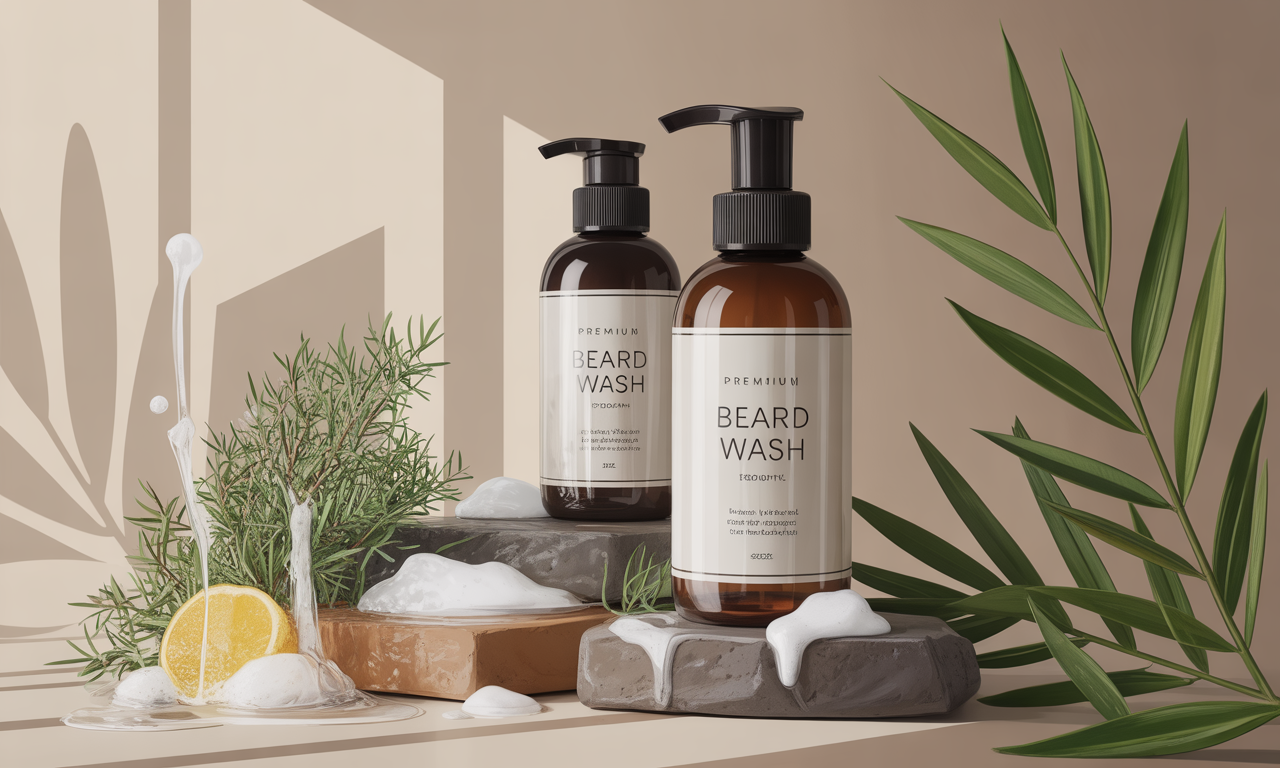
Choose the Right Beard Wash
Using a mild cleanser, specially formulated to prevent beardruff, respects the delicate balance of your skin and beard.
Regular shampoos and body washes are too harsh for facial hair and can strip away natural oils that keep your beard healthy. Select a beard wash specifically formulated for beards that contains hydrating oils like jojoba, argan, or coconut oil. These specialized washes provide the right balance of cleansing and nourishment while preventing dry skin and itchiness.
A mild cleanser respects the delicate balance of your skin and beard. Using gentle, sulfate-free products helps prevent beardruff from forming in the first place.
Wash With Proper Technique
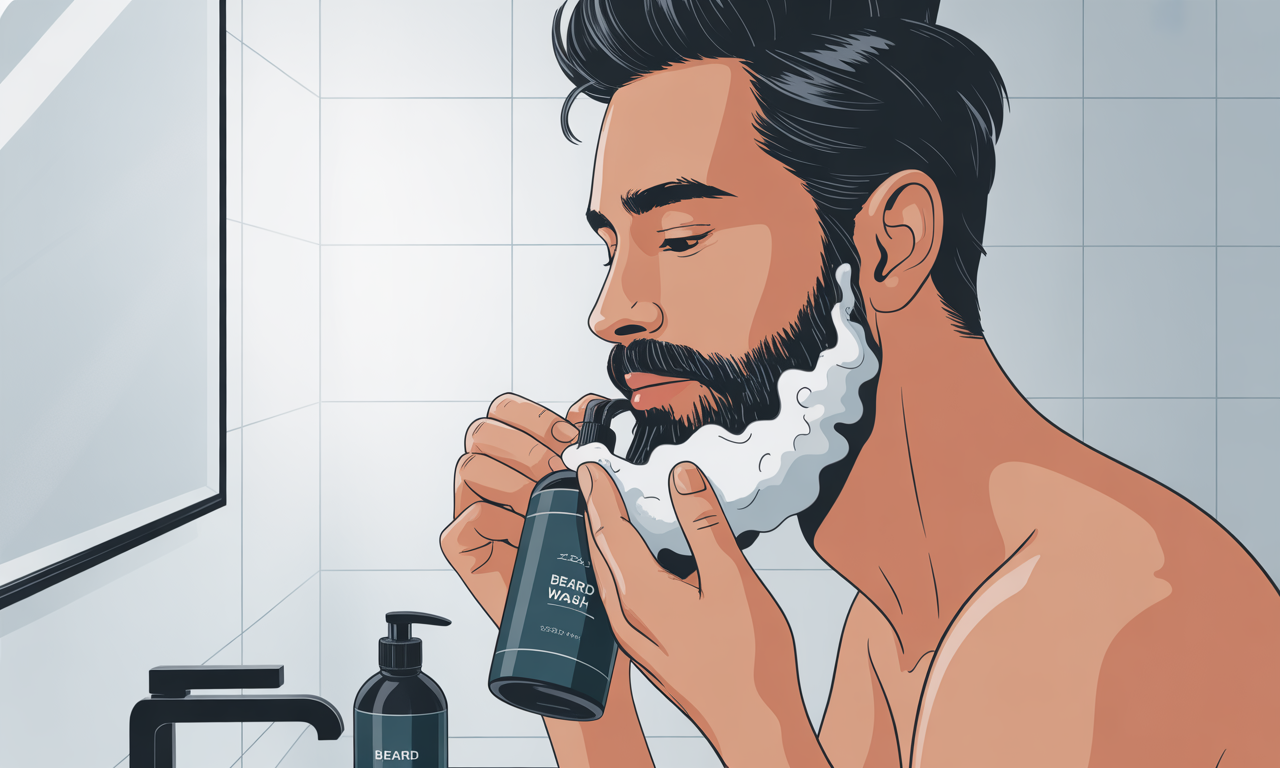
Regularly washing your beard with warm water and a gentle wash removes dirt, dead skin cells, and excess oil. Apply a small amount of beard wash and gently work it through your beard onto the skin underneath using a massaging motion. This technique cleanses without the harshness that treats your skin poorly.
Avoid overwashing your beard, as this strips it of natural oils. Most men should wash their beard 2 to 3 times per week for optimal results.
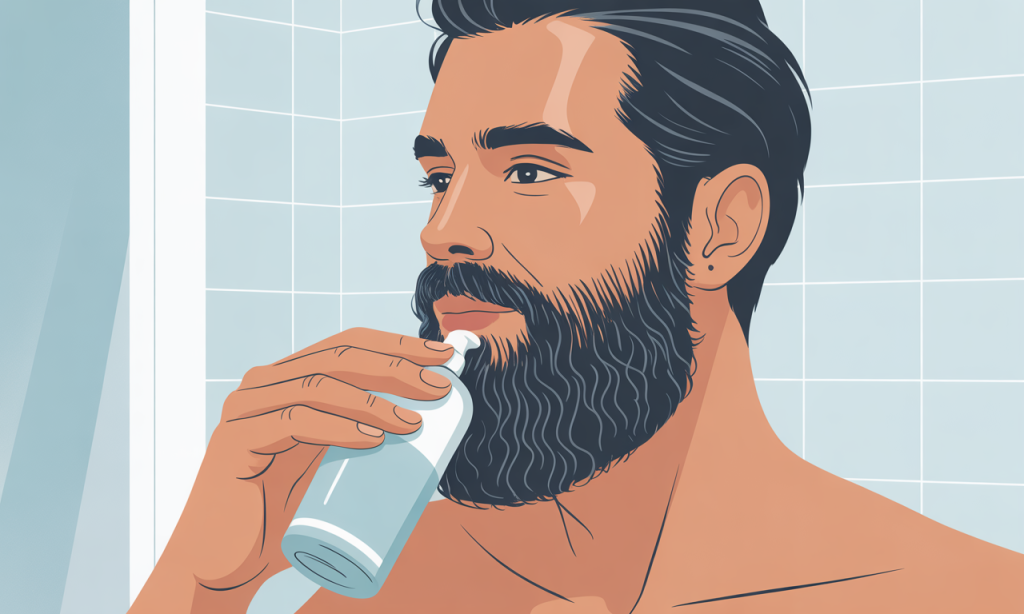
Moisturize Daily With Beard Oil
Beard oil is essential for maintaining healthy facial hair and preventing dry skin. It is important to apply the oil properly, especially to prevent beardruff.
Benefits of Quality Oils
Beard oil is essential for maintaining healthy facial hair and preventing dry skin. These products contain nourishing oils that deeply penetrate your skin and hair, providing hydration and nutrients. Beard oil helps control sebum production, ensuring a balanced and healthy beard.
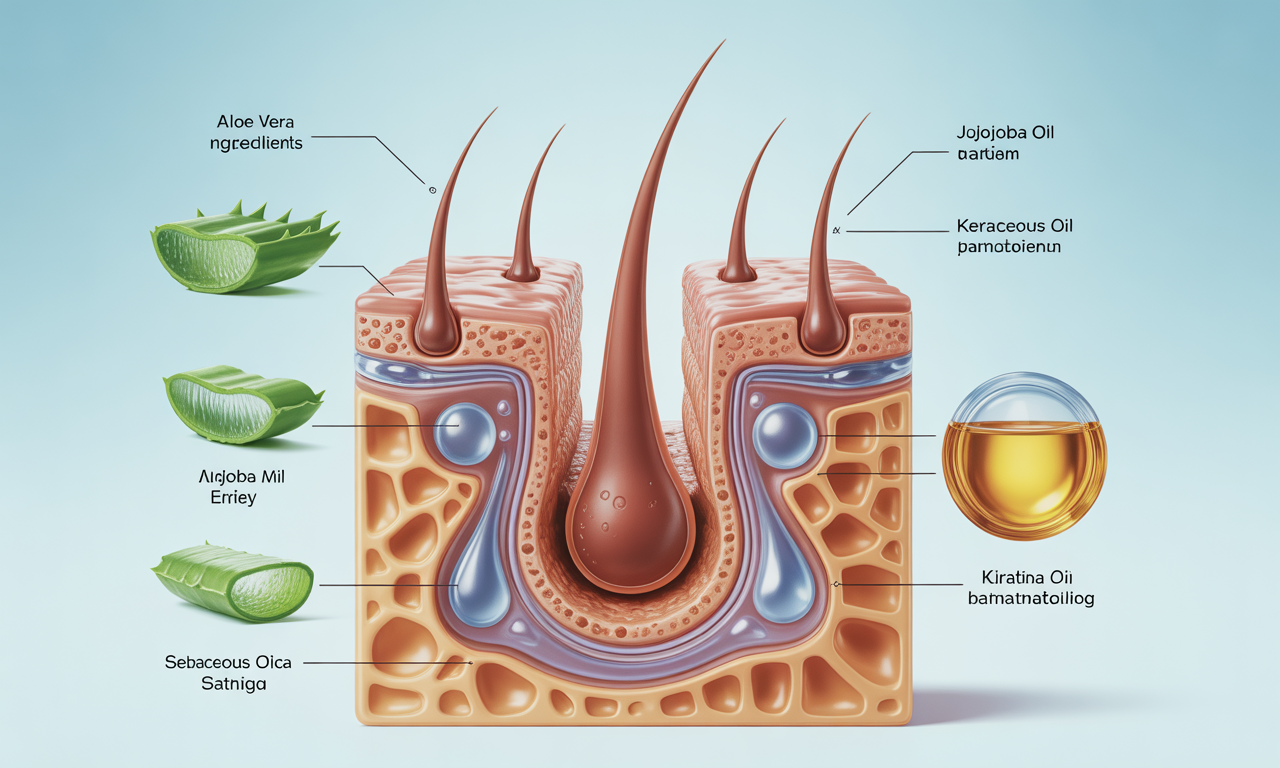
Ingredients like jojoba oil mimic natural skin oils and contain vitamins and minerals that nourish hair follicles. Argan oil offers moisturizing properties rich in antioxidants, vitamins, and fatty acids that promote healthy beard growth. Coconut oil contains lauric acid with antimicrobial properties that prevent infections while sealing in moisture.
Daily application keeps your facial hair moisturized and nourished, and is crucial to prevent beardruff effectively.
Application Timing Matters
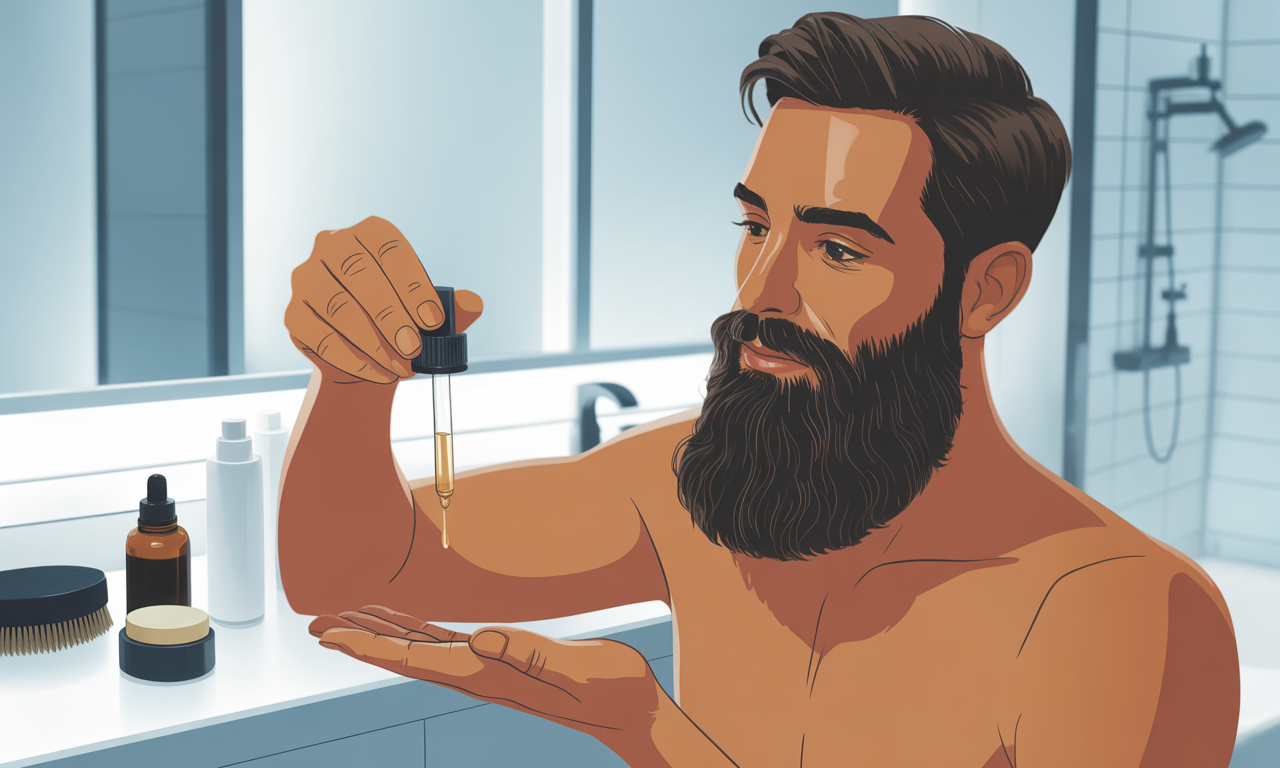
Apply beard oil right after cleansing when your beard is damp and your pores are open. Start with a modest amount, warming it between your hands before gently massaging it into the beard and skin. This timing maximizes absorption and moisture retention.
Daily application keeps your facial hair moisturized and nourished. If you have particularly dry or coarse beard hair, consider applying beard oil twice daily to prevent beardruff effectively.
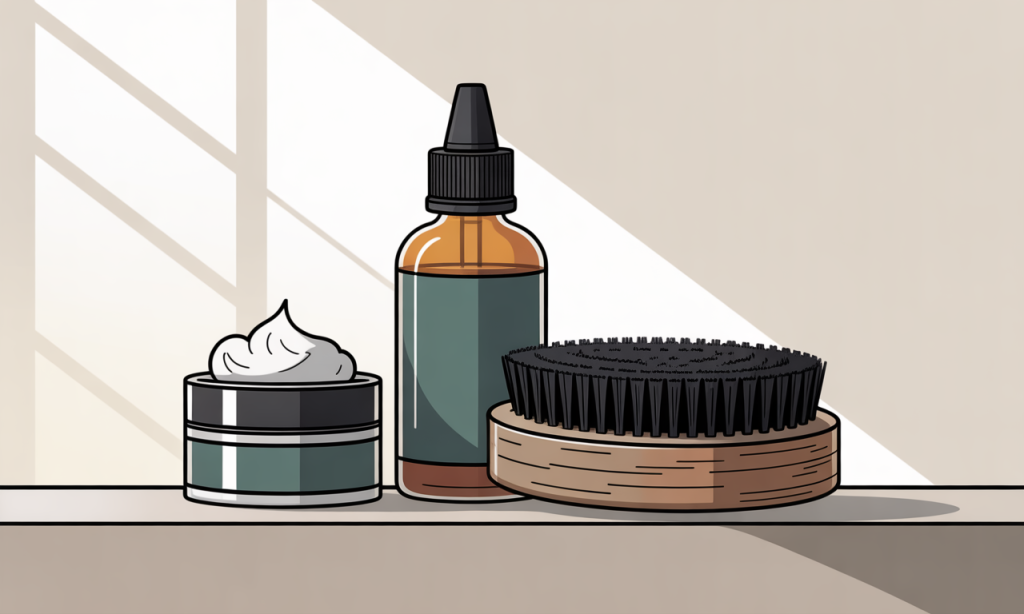
Exfoliate to Remove Dead Skin
Brush Your Beard Regularly
Brushing your beard offers exfoliation benefits by removing dead skin cells that clog pores and cause irritation. Use a high-quality beard brush with natural bristles designed to exfoliate skin under your beard without damaging facial hair. Apply medium pressure to enable bristles to reach the skin beneath and smoothly move through beard hair.
Regular brushing distributes natural oils and applied products evenly. This prevents buildup and promotes healthy blood circulation, delivering essential nutrients to hair follicles.
Gentle Exfoliation Frequency
Aim for gentle exfoliation once or twice a week, depending on your skin’s sensitivity. This helps remove dead skin cells and promotes cell regeneration, keeping skin healthy and better able to absorb moisture from oils or balms. Always use gentle motions and products designed for sensitive skin to avoid irritation.
Control Water Temperature
A persistently damp beard can lead to beardruff, so ensuring thorough drying is essential.
Avoid Hot Water Damage
Beard balm serves as a multitasker, helping to prevent beardruff while keeping your beard styled.
Hot water strips your skin and beard of natural oils, leading to dryness, itching, and flakes. Scalding showers may feel good but leave your skin parched from the inside out. Use lukewarm or warm water when washing your beard to maintain moisture levels.
Temperature control during rinses makes a significant difference. Alternating between warm and cool water during your final rinse helps close pores and seal in moisture, giving your skin extra protection against dryness.
Proper Drying Methods
A persistently damp beard creates an ideal environment for bacteria and yeast proliferation. Ensure thorough drying of your beard after washing by gently patting with a clean towel. Refrain from vigorous rubbing that might irritate skin.
You can employ a hairdryer set on a cool setting to expedite the drying process. This maintains a healthy, dandruff-free beard without exposing skin to heat damage.
Use Beard Balm for Protection
Multi-Functional Benefits
Beard balm serves as a multitasker, moisturizing, conditioning, and providing slight hold for styling. Infused with natural butters, balm envelops your beard in a protective embrace that conditions, styles, and shields. Regular use conditions and soothes skin, preventing flakes from forming.
Quality balms contain ingredients that lock in moisture directly on the skin underneath your beard. This creates a barrier against environmental factors like wind, cold, and sun that aren’t always skin-friendly.
Strategic Application
Apply beard balm after beard oil for maximum protection and styling control. Warm a small amount between your palms and work it through your beard from root to tip. The combination of oil and balm provides comprehensive moisture and protection to prevent beardruff.
Support Skin Health Internally
Hydration and Nutrition
External care is only half the battle in preventing beardruff. What you put into your body profoundly impacts skin health. Increase your intake of omega-3 fatty acids found in fish, nuts, and seeds to boost your skin’s ability to retain moisture.
Drinking plenty of water is non-negotiable for maintaining overall hydration and skin health. A well-balanced diet rich in essential vitamins and minerals supports healthier skin and beard from the inside out.
Regular consultation with a dermatologist can provide insights on how to prevent beardruff effectively.
Stress Management Matters
Excessive stress has detrimental effects on your skin, leading to dryness and flakiness. Prioritize stress management by incorporating regular exercise, practicing meditation, or exploring relaxation techniques. Malassezia thrives during stress-induced oil production increases, triggering flare-ups.

Seek Medical Treatment When Needed
Incorporating stress management techniques can also help prevent beardruff by maintaining skin health.
Antifungal Treatments
Currently, mainstays of treatment for seborrheic dermatitis in the beard area consist of antifungal treatments, which can be applied as liquid or shampoo. Over-the-counter anti-dandruff shampoos can often be very helpful for managing symptoms. Products containing pyrithione zinc are clinically proven to reduce flaking and calm irritation.
For persistent beardruff linked to Malassezia yeast, medicated washes provide targeted relief from flakes, itching, and irritation. These treatments not only cleanse but also soothe and moisturize the skin, supporting overall beard health.
Professional Consultation
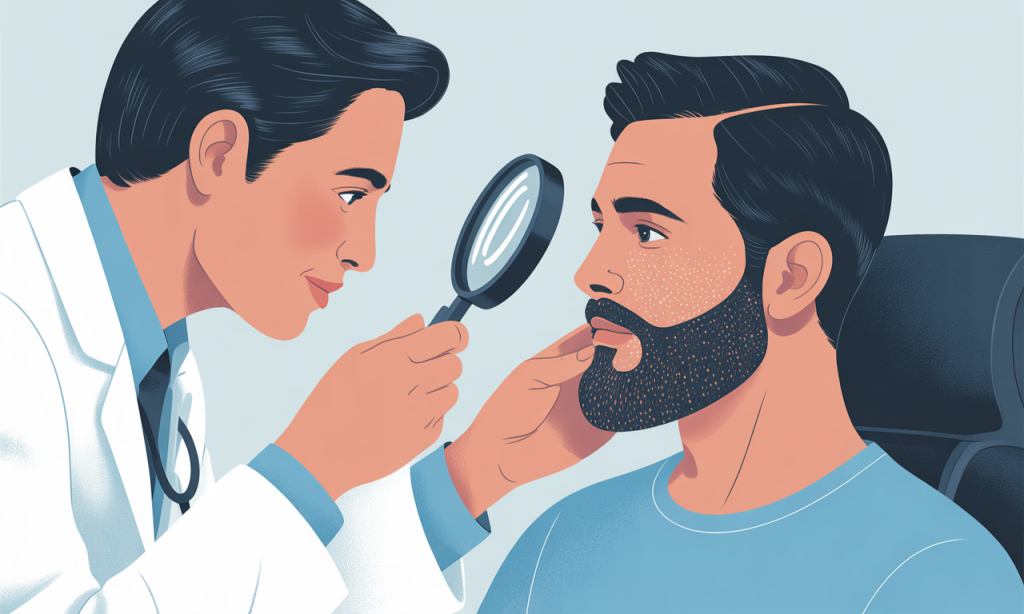
If you’re unsure whether you have regular dandruff or seborrheic dermatitis, consult a dermatologist. They can properly diagnose the condition and recommend the best treatment plan tailored to your specific needs. Low-potency topical steroids available in liquid forms may be prescribed for inflammation.
Given that facial skin is sensitive, overuse of topical steroids is not advised. A dermatologist can guide you toward appropriate treatment without causing additional skin damage.
Frequently Asked Questions
What is beardruff and how does it form?
Beardruff is the common term for beard dandruff, characterized by dry, flaky skin beneath facial hair. It forms when dead skin cells and oil build up on skin, leading to yeast overgrowth that feeds on the oil and produces more flaky skin. Dry skin, harsh soaps, and hot water can trigger this condition. Seborrheic dermatitis, caused by Malassezia yeast naturally found in hairy areas, is the most common medical cause.
How often should I wash my beard to prevent beardruff?
Most men should wash their beard 2 to 3 times per week using a gentle beard wash. Overwashing strips your beard of natural oils that keep it nourished and supple. Daily washing with harsh cleansers can worsen dryness and contribute to beardruff formation. Use specialized beard wash formulated with hydrating oils to maintain proper moisture balance.
Can beard oil really help prevent beardruff?
Yes, beard oil effectively prevents beardruff by moisturizing both your beard and the skin underneath. Quality oils containing jojoba, argan, and coconut oil nourish hair follicles, improve blood circulation, and seal in moisture. These ingredients have science-backed benefits for promoting beard health. Daily application after cleansing when your beard is damp maximizes absorption and prevents dry skin formation.
What ingredients should I look for in beard care products?
Look for beard washes and oils containing hydrating ingredients like jojoba oil, argan oil, and coconut oil. Jojoba oil mimics natural skin oils and contains vitamins and minerals that nourish follicles. Argan oil provides moisturizing properties with antioxidants and fatty acids. Coconut oil contains lauric acid with antimicrobial benefits that prevent infections. Avoid harsh sulfates and chemicals that strip natural oils.
Is beardruff the same as seborrheic dermatitis?
Beardruff often results from seborrheic dermatitis, a chronic skin condition producing red, oily patches with yellowish flakes. While regular dandruff usually stems from dry skin, seborrheic dermatitis results from excessive oil production and Malassezia yeast living on skin. Both conditions affect oily areas of the body and cause itchy, flaking skin. A dermatologist can properly diagnose which condition you have and recommend appropriate treatment.
Do I need to shave my beard to get rid of beardruff?
Implementing these strategies is essential to prevent beardruff and maintain healthy facial hair.
Start your beardruff prevention routine today and experience the confidence that comes with a clean, healthy beard. Consistent application of these techniques will help prevent beardruff.
No, you don’t need to shave your beard to eliminate beardruff. Just as treatments exist for seborrheic dermatitis on the scalp, effective treatments work for facial hair areas. While shaving can help temporarily, it doesn’t always resolve seborrheic dermatitis because underlying skin remains prone to the condition. Proper beard care routines with appropriate products effectively manage beardruff without removing your beard.
How does hot water affect beard health?
Hot water strips your skin and beard of natural oils, causing dryness, itching, and flakes. Scalding showers increase skin sensitivity and frequently lead to red, dry, patchy areas. Use lukewarm or warm water when washing your beard to avoid unnecessary dryness. Alternating between warm and cool water during final rinses helps close pores and seal in moisture.
What role does diet play in preventing beardruff?
Diet significantly impacts skin health and beardruff prevention. Increase omega-3 fatty acids from fish, nuts, and seeds to boost your skin’s moisture retention ability. Maintain adequate hydration by drinking plenty of water for overall skin health. A well-balanced diet rich in zinc and essential vitamins supports healthier skin and hair. Poor nutrition can parch skin from the inside out.
How does stress contribute to beardruff?
Stress negatively affects skin health by increasing oil production, which triggers Malassezia yeast flare-ups. Excessive stress causes skin dryness and flakiness. Dermatologists often see seborrheic dermatitis flares around seasonal changes and during high-stress periods. Managing stress through regular exercise, meditation, or relaxation techniques helps prevent beardruff by reducing inflammation and maintaining balanced oil production.
When should I see a dermatologist for beardruff?
Consult a dermatologist if beardruff persists despite proper home care or if you’re unsure about your condition. Seek professional help when experiencing severe redness, inflammation, or discomfort that interferes with daily life. Dermatologists properly diagnose whether you have regular dandruff or seborrheic dermatitis and recommend the best treatment plan. They can prescribe appropriate antifungal treatments or low-potency topical steroids when needed.
Conclusion
Preventing beardruff requires consistent care and the right approach. By implementing these seven proven strategies, you can eliminate flakes, reduce itching, and maintain a healthy beard that looks and feels great. Remember that proper cleansing, daily moisturizing, regular exfoliation, temperature control, protective balms, internal health support, and professional guidance when needed all work together to keep your beard dandruff-free.
Start your beardruff prevention routine today and experience the confidence that comes with a clean, healthy beard. For more expert grooming advice, explore our related posts on beard growth techniques, styling tips for different face shapes, and seasonal beard care strategies.