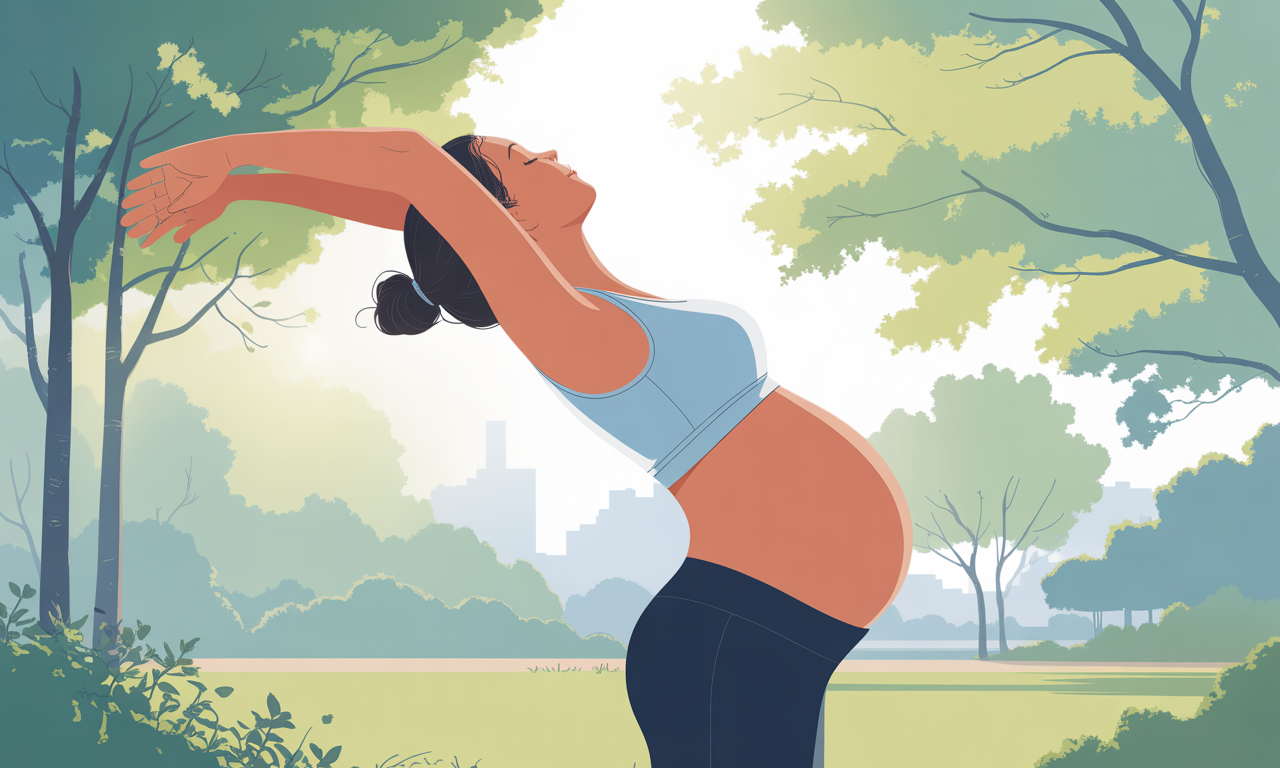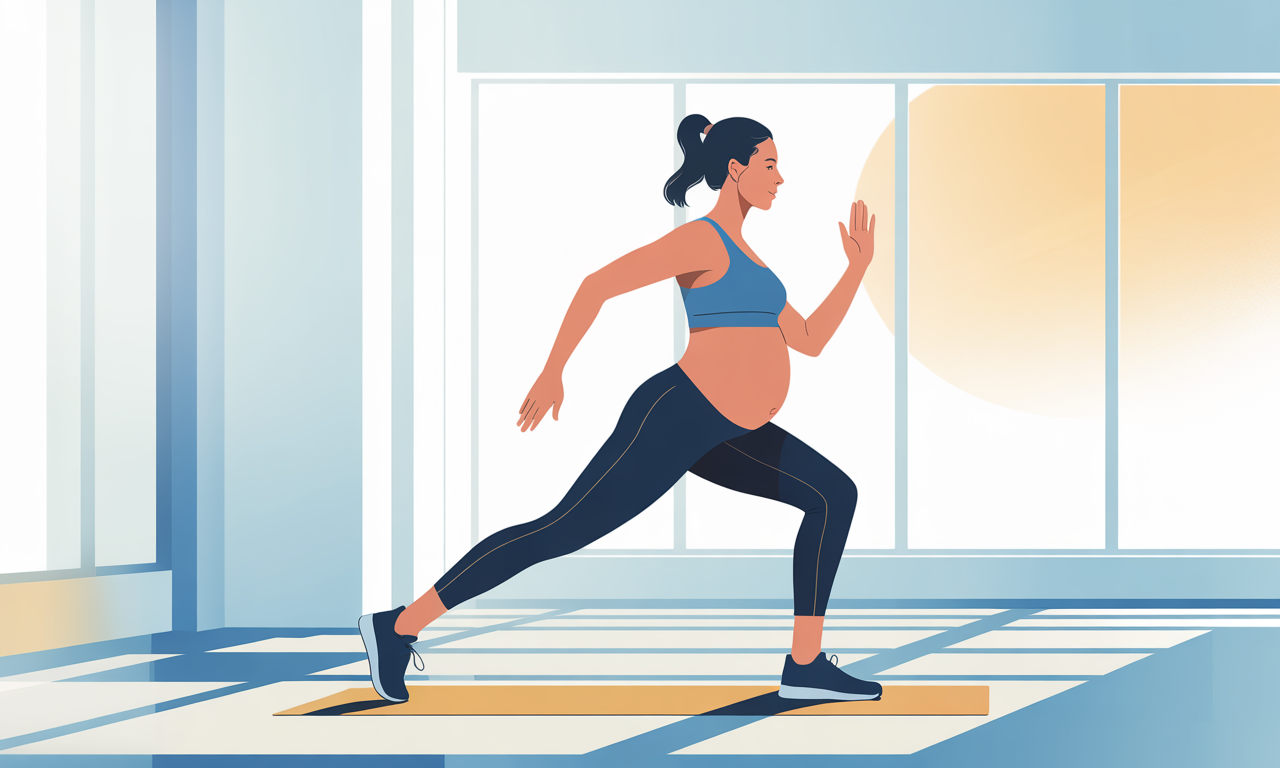
Pregnancy is not a time to put your fitness goals on hold. After six decades of guiding expectant mothers through their wellness journeys, I have witnessed firsthand how the right exercise routine transforms pregnancy experiences.
The American College of Obstetricians and Gynecologists (ACOG) strongly encourages aerobic and strength-conditioning exercises for women with uncomplicated pregnancies.
Understanding which 7 safe aerobic exercises while pregnant you can confidently perform empowers you to stay active, energized, and prepared for childbirth.
Gone are the days when pregnant women were advised to avoid physical activity altogether. Modern research confirms that staying active benefits both mother and baby, reducing risks of gestational diabetes, excessive weight gain, and difficult labor.
The key is choosing low-impact cardiovascular activities that support your changing body without causing harm. This guide provides evidence-based recommendations for maintaining cardiovascular fitness throughout your pregnancy.
You will discover practical modifications, safety tips, and the science behind why each exercise works. Let’s dive into the movements that will keep you strong and thriving.
Why Aerobic Exercise Matters During Pregnancy
Cardiovascular Benefits for Mother
Your heart works overtime during pregnancy, pumping up to 50 percent more blood than usual. Regular aerobic activity strengthens your cardiovascular system, making this increased workload more manageable.
Enhanced circulation delivers oxygen and nutrients more efficiently to your baby while reducing your risk of preeclampsia and gestational hypertension.
Preparing Your Body for Labor
Labor is essentially an endurance event that can last many hours. Cardiovascular conditioning increases your stamina, enabling you to better handle the physical demands of childbirth.
Research shows that women who exercise regularly during pregnancy experience a 50 percent reduction in the need for medical interventions like forceps or cesarean sections.
Mental Health and Mood Regulation
Aerobic exercise triggers the release of endorphins, your body’s natural mood elevators. These neurochemicals combat pregnancy-related anxiety and depression while improving sleep quality.
The rhythmic nature of cardiovascular activity also provides a meditative break from daily stresses.
Improved Placental Function
Studies reveal that regular exercise in early to mid-pregnancy promotes more rapid placental growth and improved function. This enhanced placental efficiency means better oxygen and nutrient delivery to your developing baby, even at rest.
The benefits extend beyond birth, with children of active mothers showing higher cardiovascular fitness levels into childhood.
Exercise 1: Walking for Consistent Movement
The Universal Prenatal Activity
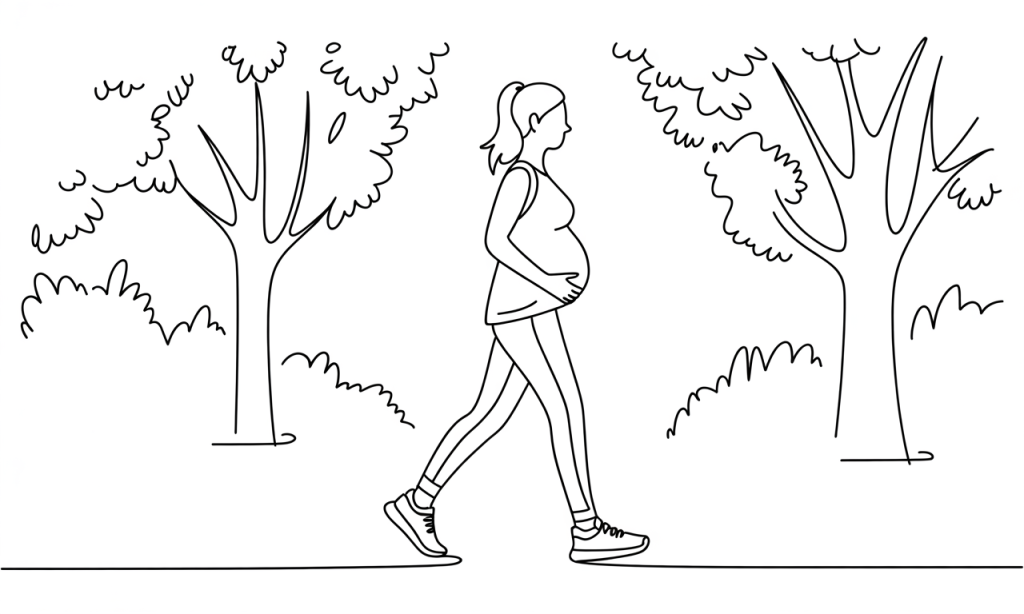
Walking tops the list of 7 safe aerobic exercises while pregnant because virtually every woman can do it regardless of fitness level.
ACOG designates walking as one of the safest activities during pregnancy. It requires no special equipment, can be done anywhere, and easily adapts to your energy levels and trimester.
Proper Walking Technique
Maintaining good form prevents strain as your center of gravity shifts. Keep your shoulders back and down, engage your core gently, and take shorter strides if you feel unbalanced.
Your walking heart rate will naturally increase during pregnancy, peaking in the third trimester around 109.5 beats per minute.
- Start conservatively: Begin with 10 to 15 minute walks if you are new to exercise.
- Build gradually: Add 5 minutes each week until you reach 30 to 40 minutes.
- Choose safe surfaces: Stick to flat, even terrain to minimize fall risk.
- Wear proper footwear: Invest in supportive athletic shoes with good arch support.
- Stay visible: If walking outdoors, wear bright colors and avoid isolated areas.
Modifying Through Trimesters
First trimester fatigue may limit your distance, and that is perfectly normal. The second trimester often brings renewed energy, making it ideal for longer walks.
In the third trimester, slow your pace and consider using walking poles for extra stability if balance becomes challenging.
Exercise 2: Swimming and Aquatic Movement
The Perfect Pregnancy Workout
Many healthcare providers consider swimming the safest exercise for pregnant women.
The water supports your weight, eliminating stress on joints while providing resistance for muscle toning. You cannot overheat in the pool, and the risk of falling virtually disappears.
Cardiovascular Benefits Without Impact
Swimming elevates your heart rate safely while the hydrostatic pressure from water reduces swelling in your legs and ankles.
This low-impact nature makes it ideal for women experiencing joint discomfort or pelvic pain. The rhythmic breathing required during swimming also strengthens respiratory muscles needed for labor.
- Water temperature: Choose pools between 78 to 84 degrees Fahrenheit, avoiding hot pools.
- Strokes to favor: Front crawl and backstroke are excellent; modify breaststroke if it strains your pelvis.
- Avoid diving: Enter the water gradually to prevent jarring movements.
- Hydration matters: Bring a water bottle and sip between laps despite being in water.
Pool Safety Considerations
Contrary to common fears, chlorinated pools pose no risk to your baby. However, ensure the facility maintains proper chemical balance and cleanliness.
If you prefer open water swimming, check water quality reports and avoid areas with algae or contamination.
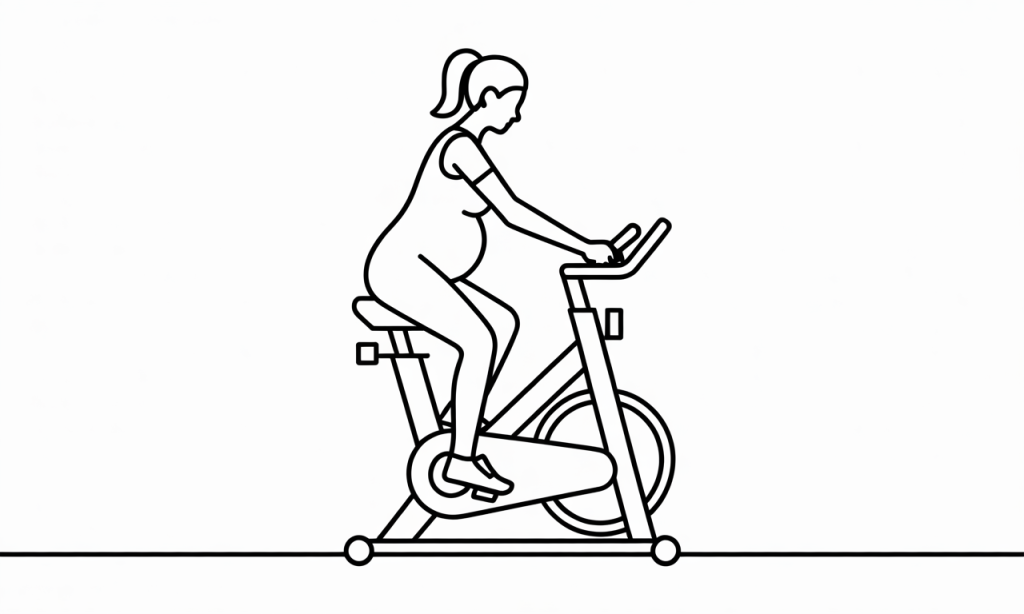
Exercise 3: Stationary Cycling for Stability
Why Indoor Bikes Win
ACOG lists stationary cycling among the safest pregnancy exercises. Unlike road cycling, which carries fall risk due to balance changes, stationary bikes provide stability while delivering excellent cardiovascular benefits. You control the resistance and can stop instantly if needed.
Setting Up Your Bike
Proper positioning prevents strain and maximizes comfort. Adjust the seat height so your knee has a slight bend at the bottom of the pedal stroke.
Position handlebars higher than you would pre-pregnancy to reduce pressure on your lower back and accommodate your growing belly.
- Monitor intensity: Use the talk test; you should maintain a conversation while pedaling.
- Start with resistance low: Focus on duration rather than pushing hard gears.
- Session length: Aim for 20 to 30 minutes of continuous cycling.
- Cool down properly: Gradually decrease your pace for the final 5 minutes.
Alternative to Traditional Bikes
Recumbent bikes with back support can be more comfortable in later pregnancy. The reclined position takes pressure off your lower back while still providing an effective workout. Some women find this option preferable starting in the second trimester.
Exercise 4: Prenatal Aqua Aerobics Classes
Group Exercise in Water
Prenatal aqua aerobics combines the benefits of swimming with structured movement and social connection.
These specialized classes are designed specifically for pregnancy, with instructors trained in appropriate modifications. The aquatic environment allows safe cardiovascular exercise while relieving pressure on your pelvic floor and back.
Comprehensive Full-Body Conditioning
Water-based aerobics work your cardiovascular system, muscles, and flexibility simultaneously.
Buoyancy decreases gravitational force on pelvic organs, making impact activities less stressful. The resistance from water strengthens muscles without weights, and you can perform movements impossible on land.
- Temperature control: Ideal water temperature is around 84 degrees for prenatal classes.
- Class structure: Expect 15 to 40 minutes of cardiovascular work at mild to moderate intensity.
- Deep water options: Using flotation devices in deep water provides excellent cardio without stress.
- Social benefits: Connecting with other pregnant women offers emotional support.
Avoiding Common Mistakes
Skip exercises that require excessive buoyancy equipment if you have pelvic floor concerns.
Avoid jumping movements even in water during your third trimester. Always inform the instructor about your due date and any pregnancy complications at the start of each class.
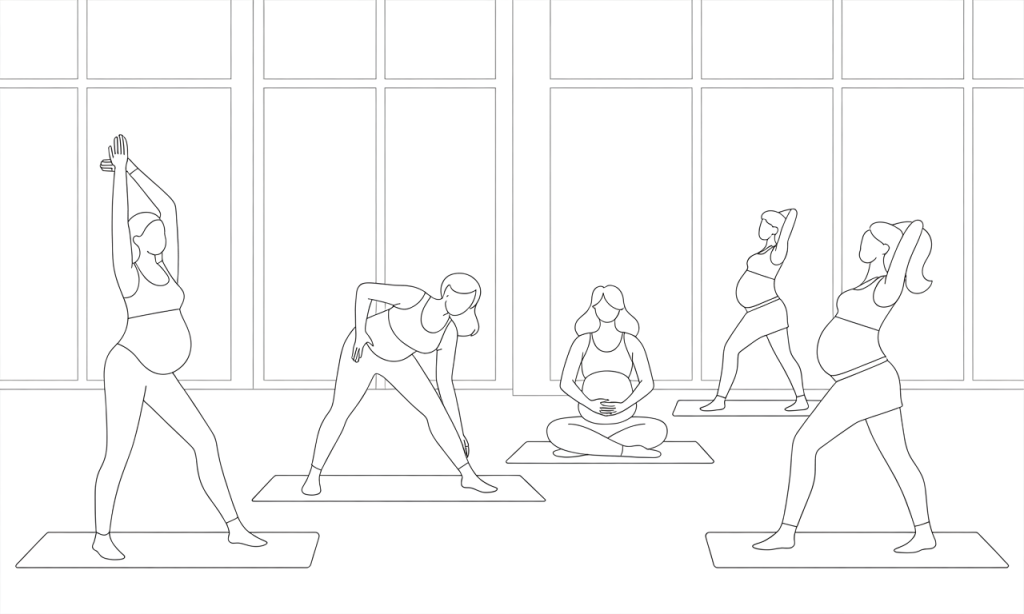
Exercise 5: Low-Impact Aerobics Classes
Structured Cardiovascular Training
Low-impact aerobics classes designed for pregnancy provide structured routines that keep your heart rate elevated without jarring movements.
ACOG specifically endorses low-impact aerobics as safe during pregnancy. These classes typically combine marching, step-touches, and arm movements set to motivating music.
Modifications for Safety
Prenatal aerobics instructors understand the physiological changes of pregnancy and modify moves accordingly.
You will avoid jumps, high-impact movements, and exercises lying flat on your back after the first trimester. The focus shifts to maintaining cardiovascular fitness while protecting your joints and ligaments.
- Intensity control: Work at a level where you can speak but feel pleasantly challenged.
- Floor surface: Choose classes on sprung wood floors that absorb shock.
- Space awareness: Position yourself with room to move as balance shifts.
- Communication: Tell instructors immediately if something feels uncomfortable.
Building Community Support
Group fitness classes connect you with other expectant mothers, creating a support network. Shared experiences and encouragement make exercise more enjoyable and sustainable. The accountability of scheduled classes also helps maintain consistency.
Exercise 6: Prenatal Dance Movement
Joyful Cardiovascular Expression
Dance offers the cardiovascular benefits of aerobics with added creativity and emotional expression.
Prenatal dance classes use rhythmic, moderate-intensity movements that stimulate blood circulation throughout your body. This enhanced circulation delivers oxygen and nutrients to your uterus and baby while preventing issues like varicose veins.
Psychological and Physical Benefits
Dancing activates endorphin release, providing feelings of relaxation and happiness that combat stress.
The varied movements improve balance and coordination by engaging stabilizing muscles, which reduces fall risk. However, dance also requires caution due to potential balance challenges and your shifted center of gravity.
- Choose appropriate styles: Opt for gentle, flowing movements rather than high-energy hip-hop or intense Zumba.
- Avoid sudden direction changes: Minimize sharp pivots and twists that stress your joints.
- Flooring matters: Dance on non-slip surfaces with adequate cushioning.
- No partner lifts: Avoid any dance moves involving being lifted or spun by a partner.
Dance Safety Precautions
Pregnancy alters your balance and increases fall risk, making careful dance selection crucial. Avoid styles with high risk of abdominal impact or complex footwork that could cause tripping.
Modified, low-impact versions of dance aerobics can continue into the third trimester if you feel comfortable and stable.
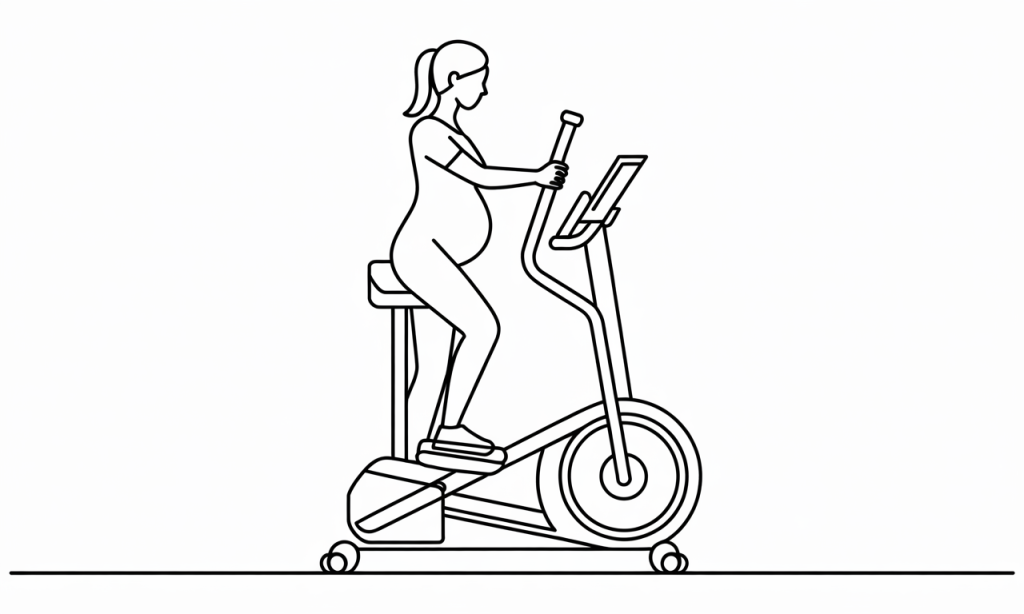
Exercise 7: Elliptical Training
Smooth Motion Without Impact
The elliptical machine provides an excellent low-impact alternative to running or jogging.
Its fluid motion works with your body’s natural gait, delivering a powerful cardiovascular workout comfortable even in advanced pregnancy stages. Unlike treadmills, ellipticals eliminate the pounding impact on your joints and pelvic floor.
Machine Setup and Safety
The stable platform of an elliptical reduces fall risk compared to outdoor activities.
Modern machines offer adjustable stride lengths and pedal angles to accommodate your changing body. Position yourself centrally on the machine and keep a light grip on handrails for balance without leaning heavily.
- Resistance settings: Start with minimal resistance and increase only if comfortable.
- Forward motion: Stick to forward pedaling; avoid reverse motion in later trimesters.
- Duration goals: Begin with 15 minutes and gradually work up to 30 minutes.
- Monitoring: Use built-in heart rate monitors to ensure you stay in safe zones.
Consulting Your Provider First
Before starting elliptical workouts, consult your healthcare provider to ensure appropriateness for your pregnancy stage and medical history.
They can provide personalized guidance on intensity and duration. Stop immediately if you experience dizziness, shortness of breath, or any concerning symptoms.
Safety Guidelines for All Aerobic Exercise
The Talk Test Standard
One of the simplest ways to monitor exercise intensity is maintaining conversation ability while moving.
If you cannot speak comfortably, you are working too hard and should decrease intensity. This guideline ensures adequate oxygen supply to your baby while still providing cardiovascular benefits.
Warning Signs to Stop
Certain symptoms require immediate cessation of exercise and medical consultation.
Stop if you experience vaginal bleeding, regular painful contractions, leaking amniotic fluid, dizziness, headache, chest pain, or calf pain that could indicate a blood clot. Trust your instincts; if something feels wrong, it probably is.
Hydration and Temperature
Drink water before, during, and after exercise to prevent dehydration and overheating. Avoid exercising in hot, humid conditions or heated studios like hot yoga.
Your core body temperature should not exceed safe levels, which the cooling effect of water activities naturally prevents.
Duration and Frequency Recommendations
ACOG recommends at least 150 minutes of moderate-intensity aerobic activity spread throughout the week for pregnant women.
This translates to 30 minutes on most days. If you were not active before pregnancy, start with shorter sessions and gradually build up.
Frequently Asked Questions
Can I start aerobic exercise if I was not active before pregnancy?
Yes, you can begin exercising even if you were inactive before pregnancy, provided you start gradually and consult your healthcare provider first.
Begin with gentle activities like walking for 10 to 15 minutes and slowly increase duration and intensity over weeks.
Your body needs time to adapt, so patience and consistency matter more than pushing hard. Listen to your body and stop if you experience any concerning symptoms.
What heart rate is safe during pregnancy exercise?
ACOG eliminated specific heart rate maximums from guidelines in 1994, favoring the talk test instead.
Your resting heart rate naturally increases during pregnancy, peaking around 77 beats per minute in the third trimester.
The talk test ensures you maintain moderate intensity; if you can speak but not sing, you are in the safe zone. Individual heart rate targets vary, so discuss personalized recommendations with your doctor.
Is swimming safe throughout all three trimesters?
Swimming is safe throughout pregnancy for women with uncomplicated pregnancies and is often considered the ideal prenatal exercise.
The buoyancy supports your weight, reduces joint stress, and eliminates fall risk while you are in the water.
Avoid diving, jumping in, or swimming in very hot or cold water. Always check water quality and avoid pools with improper chemical balance or open water with contamination.
When should I avoid aerobic exercise during pregnancy?
Women with certain medical conditions should avoid or modify aerobic exercise, including those with severe anemia, placenta previa after 26 weeks, preterm labor risk, incompetent cervix, or preeclampsia.
Always obtain medical clearance before starting an exercise program. Additionally, avoid contact sports, activities with high fall risk like skiing, scuba diving, and hot yoga or Pilates.
Can aerobic exercise cause miscarriage?
No, moderate aerobic exercise does not increase the risk of miscarriage, preterm birth, stillbirth, or neonatal complications in women with uncomplicated pregnancies.
Research consistently shows that appropriate exercise is safe and beneficial for both mother and baby.
In fact, regular activity improves placental function and may lead to better birth outcomes. However, always consult your healthcare provider about your specific situation.
How does aerobic exercise benefit my baby?
Aerobic exercise improves placental growth and function, enhancing oxygen and nutrient delivery to your baby. Babies born to mothers who exercised regularly show improved cardiorespiratory health that extends into childhood.
Exercise may reduce the risk of congenital heart defects and helps babies tolerate labor stress better. The enhanced maternal circulation and oxygenation create an optimal environment for fetal development.
What is the difference between low-impact and high-impact aerobics?
Low-impact aerobics keep at least one foot on the ground at all times, eliminating jumping and bouncing movements. High-impact aerobics involve both feet leaving the ground simultaneously, creating jarring forces on joints and pelvic floor.
Pregnancy increases joint laxity due to the hormone relaxin, making high-impact exercise riskier. Low-impact modifications provide cardiovascular benefits while protecting your changing body from injury.
Can I use an elliptical machine in my third trimester?
Yes, many women comfortably use elliptical machines into their third trimester because the smooth motion accommodates a growing belly. The low-impact nature protects joints while providing effective cardiovascular exercise.
However, balance may become more challenging, so use handrails appropriately and ensure you can mount and dismount safely. Reduce resistance and duration as needed, and stop if you experience any discomfort or concerning symptoms.
Should I exercise if I feel tired during pregnancy?
Mild to moderate fatigue is normal during pregnancy, especially in the first and third trimesters, and gentle exercise often increases energy levels. However, distinguish between normal tiredness and exhaustion or illness.
If you feel severely fatigued, dizzy, or unwell, rest instead of exercising. On days of mild fatigue, try a shorter, gentler workout; you may find it actually boosts your energy through improved circulation and endorphin release.
How do I know if I am overdoing exercise during pregnancy?
Signs you are overdoing it include extreme fatigue that lasts beyond the workout, inability to recover between sessions, persistent muscle soreness, decreased performance, or any of the warning signs like dizziness or contractions.
You should feel energized after exercise, not depleted. If your workouts leave you exhausted or you cannot maintain conversation during exercise, reduce intensity and duration. Quality and consistency matter more than pushing limits during pregnancy.
Conclusion
Staying active during pregnancy through 7 safe aerobic exercises while pregnant empowers you physically and mentally for the journey ahead. From the accessibility of walking to the weightless freedom of swimming, each activity offers unique benefits while respecting your body’s changing needs.
The evidence overwhelmingly supports moderate aerobic exercise for improved maternal health, easier labor, and enhanced fetal development.
Remember that every pregnancy is unique, and what works for one woman may not suit another.
Always obtain medical clearance before beginning or continuing an exercise program, and trust your body’s signals throughout your journey. The investment you make in your cardiovascular fitness today pays dividends in your pregnancy experience, labor outcome, and postpartum recovery.
Start where you are, use what you have, and do what you can. Your consistent effort, no matter how small, makes a meaningful difference. Explore more evidence-based nutrition guides to optimize your health and wellness on the Prenatal Fitness page.