

Hair thinning affects up to 50% of women and 80% of men at some point in their lives, but knowing how to stop hair thinning naturally can help you reverse this frustrating condition. Whether you’re noticing more hair in your brush or a widening part line, taking action early makes all the difference. The good news? Research shows that combining lifestyle changes, targeted nutrition, and evidence-based scalp care can significantly improve hair density and reduce shedding.
This guide breaks down seven scientifically-backed strategies that address the root causes of hair thinning. You’ll discover practical, actionable steps you can start today to promote healthier hair growth and restore your confidence.
Optimize Your Nutrition for Hair Growth
Focus on Key Nutrients
Your hair needs specific vitamins and minerals to thrive. Studies show that vitamin D and iron deficiencies are directly linked to increased hair loss and thinning. A 2025 systematic review found that higher vitamin D and iron levels were inversely associated with alopecia, suggesting that adequate intake protects against hair thinning.
Protein is equally critical since hair is made of keratin, a structural protein. Aim for at least 0.8 grams of protein per kilogram of body weight daily from sources like eggs, fish, legumes, and lean meats.
Embrace Anti-Inflammatory Foods
Research published in 2024 revealed that antioxidant-rich diets protect against androgenetic alopecia, while pro-inflammatory diets increase risk. Fill your plate with colorful vegetables, berries, fatty fish, and nuts. The Mediterranean diet, in particular, shows promise for supporting hair health through its anti-inflammatory properties.
Consider Strategic Supplementation
If blood tests reveal deficiencies, targeted supplementation can help. Iron supplementation (100 mg/tablet) has been positively associated with improvements in hair growth. However, always consult a healthcare provider before starting supplements, as excess intake can cause adverse effects.

Master Your Stress Management
Understand the Cortisol Connection
Chronic stress triggers elevated cortisol levels, which directly disrupt the hair growth cycle. A 2025 study found that corticotropin-releasing hormone (CRH), released during stress, inhibits autophagy in dermal papilla cells and promotes hair follicle apoptosis—essentially forcing hair into premature shedding.
Elevated cortisol pushes growing hair follicles prematurely into the telogen (resting) phase, a condition called telogen effluvium. This typically manifests as diffuse shedding 2-3 months after a stressful event.
Implement Daily Stress-Reduction Practices
Evidence-based stress management can reverse stress-related hair loss. Start with 10-15 minutes of daily meditation or deep breathing exercises. Regular physical activity—especially activities you enjoy—helps naturally regulate cortisol levels.
Adaptogenic herbs like ashwagandha or rhodiola support adrenal health and may buffer the impact of stress on your body. A 2024 case report highlighted how combining minoxidil treatment with psychological stress management led to significant hair regrowth in a patient with stress-induced alopecia.
Prioritize Quality Sleep
Sleep deprivation amplifies cortisol production and disrupts hormonal balance. Aim for 7-9 hours of high-quality sleep each night to support healthy hair growth.

Upgrade Your Scalp Care Routine
Treat Your Scalp Like Skin
A 2025 Cleveland Clinic study demonstrated that improving scalp health directly impacts hair density. Researchers found that treatment combining antioxidants with barrier-enhancing ingredients increased total hair count by an average of 5.68 hairs per square centimeter after 24 weeks.
Over 20 epidemiological studies confirm that abnormal scalp conditions impair hair quality, and these effects are reversible when scalp conditions normalize.
Create a Scalp-First Routine
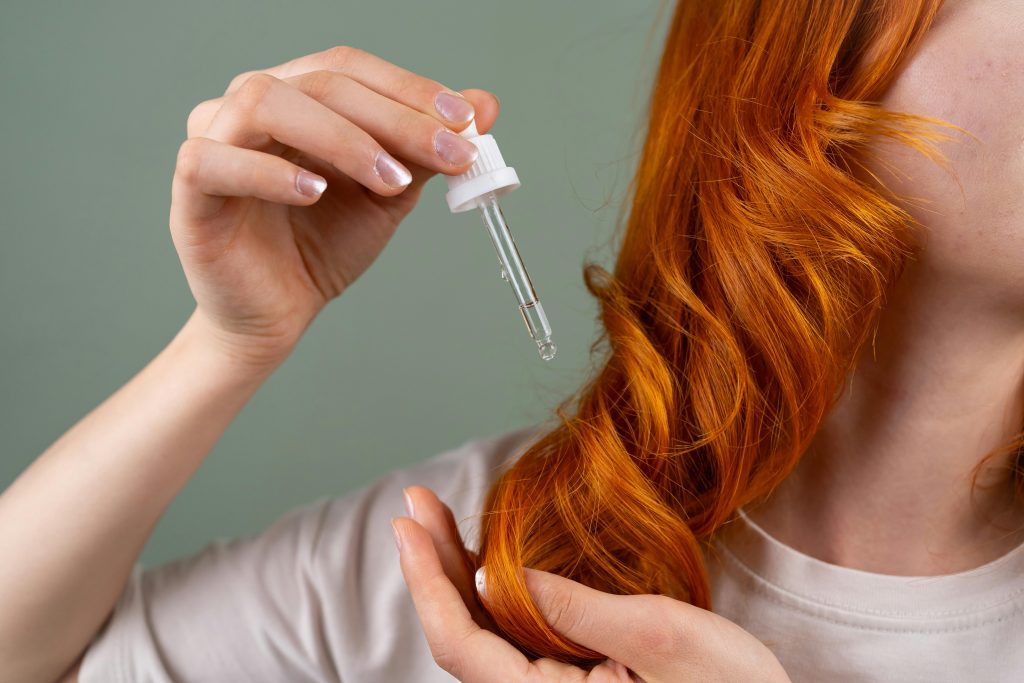
Start by clarifying your scalp weekly with a gentle, sulfate-free cleanser to remove buildup. Follow with a scalp serum containing antioxidants or growth-supporting ingredients like caffeine or peptides. Scalp serums backed by dermatology research show promise for improving hair density when used consistently.
Balance Your Microbiome
The scalp microbiome plays a crucial role in hair health. Avoid harsh ingredients that disrupt this delicate ecosystem, including sulfates, synthetic fragrances, and alcohol-heavy products. Instead, choose microbiome-friendly formulations that maintain your scalp’s natural pH balance.
Incorporate Evidence-Based Topical Treatments
Consider Minoxidil for Proven Results
Topical minoxidil (Rogaine) is FDA-approved and extends the growth phase of the hair cycle, keeping more follicles actively growing. Multiple randomized controlled trials confirm minoxidil’s effectiveness for both male and female-pattern hair loss.
A 2025 meta-analysis found that combined minoxidil-finasteride therapy produces superior results compared to monotherapy, with 92.4% of patients achieving stable or improved outcomes over 12 months.
Explore Natural Alternatives
If you prefer natural options, rosemary oil shows compelling evidence. A 2024-2025 clinical trial found that rosemary oil improved hair growth rate by 57.73% when combined with lavender oil. Remarkably, a head-to-head study showed rosemary oil (3.7 mg/mL) performed as well as minoxidil 2% after six months of use.
Hair thickness increased by nearly 70%, while density improved by approximately 32% with rosemary-based formulations. Apply rosemary oil diluted in a carrier oil to your scalp 2-3 times weekly for best results.
Try Platelet-Rich Plasma Therapy
For more aggressive interventions, platelet-rich plasma (PRP) therapy has gained substantial evidence. By 2025, multiple randomized controlled trials confirm that PRP outperforms placebo injections and compares favorably with topical minoxidil for improving hair density and thickness.
Adopt a Holistic Hair Longevity Approach
Recognize Hair Aging as Multifactorial
A 2025 review in the Journal of Clinical Medicine emphasizes that maintaining healthy hair with aging requires a multifactorial, holistic strategy. Solutions must address nutrition, lifestyle, stress management, scalp care, and co-morbidities with other health concerns.
The emerging concept of “hair longevity” targets the follicle, scalp, and fiber simultaneously, aiming to maintain the anagen (growth) phase as the most effective route to achieving healthy hair.
Integrate Multiple Strategies
Research consistently shows that “cocktail approaches”—whether topical, injected, or oral—produce better outcomes than single interventions. This might mean combining a quality scalp serum with dietary improvements, stress management, and targeted supplements.
A 2025 AI-based study found that personalized treatment kits combining topical serums, shampoos, oral supplements, and marine collagen peptides led to significant improvements in hair growth, coverage, and thickness, with hair shedding decreasing by 37.3% at 12 weeks.
Monitor and Adjust
Hair growth takes time—typically 3-6 months before visible changes appear. Document your progress with photos taken in consistent lighting every 4-6 weeks. This helps you identify what’s working and maintain motivation during the slower phases of regrowth.
Protect Hair from Environmental Damage
Minimize Heat and Chemical Stress
Heat styling and chemical treatments weaken hair shafts, accelerating thinning. A 2025 study on Ayurvedic oil found that deliberately damaged hair (through surfactant washes, heat, UV, and pollution) showed significantly more breakage.
When heat styling is necessary, always use a heat protectant spray and keep tools below 350°F. Space chemical treatments (coloring, relaxers, perms) at least 8-12 weeks apart to allow hair to recover.
Shield from UV and Pollution
Just as UV rays damage skin, they also degrade hair proteins and weaken follicles. Wear a hat during extended sun exposure or use hair products with UV filters. Pollution particles can accumulate on the scalp, triggering inflammation and oxidative stress.
Use a weekly clarifying treatment to remove environmental buildup, followed by a deep conditioning mask to restore moisture and protection.
Choose Gentle Hair Practices
Avoid tight hairstyles that create tension on follicles (traction alopecia). Use silk or satin pillowcases to reduce friction during sleep. Detangle gently with a wide-tooth comb, starting from the ends and working up to minimize breakage.

Know When to Seek Professional Help
Recognize Warning Signs
While lifestyle changes help most cases of hair thinning, cspecific symptomswarrant medical evaluation. Seek professional care if you experience sudden, patchy hair loss, scalp inflammation or pain, or hair loss accompanied by other symptoms like fatigue or weight changes.
These could indicate underlying conditions such as thyroid disorders, autoimmune diseases, or nutritional deficiencies that require medical treatment.
Explore Advanced Treatment Options
Dermatologists can offer prescription-strength interventions beyond over-the-counter options. Finasteride (for men) blocks DHT, a hormone that shrinks hair follicles in androgenetic alopecia. Spironolactone (for women) can help with hormonal hair loss.
Newer therapies like exosome treatments and stem cell-based approaches show promise in clinical trials, though they’re still being refined for mainstream use.
Get Personalized Assessment
AI-driven diagnostic tools now enable precise analysis of your specific hair loss pattern and its causes. Many dermatology clinics offer comprehensive scalp analysis using specialized imaging to create truly customized treatment plans based on your unique needs.
FAQ: Your Hair Thinning Questions Answered
Q1: How long does it take to see results when trying to stop hair thinning naturally?
Most natural hair-thinning treatments require 3-6 months for visible improvements because hair follicles must complete their growth cycle. The biological timeline cannot be artificially accelerated, so patience is essential. Early interventions, such as reduced shedding, may occur within 6-8 weeks, while increased density typically takes 4-6 months of consistent effort.
Q2: Can stress really cause permanent hair loss?
Stress-related hair loss (telogen effluvium) is typically temporary and reversible when stress is managed effectively. A 2024 case study showed significant regrowth when minoxidil was combined with psychological stress management. However, chronic, unmanaged stress can prolong shedding phases and, in severe cases, may contribute to long-term thinning if underlying follicle damage occurs.
Q3: What’s the difference between hair thinning and hair loss?
Hair thinning refers to a gradual decrease in hair density and individual strand diameter, while hair loss typically describes more noticeable shedding or bald patches. Thinning often precedes more significant hair loss, but it is easier to address when caught early. Both conditions can stem from similar causes—genetics, hormones, nutrition, stress, or scalp health issues.
Q4: Are expensive hair growth supplements worth the investment?
Not necessarily—what matters most is addressing your specific nutritional deficiencies. A 2025 systematic review found that vitamin D and iron supplementation provided the most substantial evidence for improving hair health when deficiencies are present. Rather than expensive proprietary blends, get blood work done to identify your actual needs, then supplement strategically under medical guidance for better value and results.
Q5: How effective is rosemary oil compared to minoxidil?
Clinical research shows rosemary oil can be as effective as 2% minoxidil when used consistently for six months. A 2024-2025 double-masked trial found that rosemary oil combinations improved hair growth rate by 47-58%, thickness by nearly 70%, and density by approximately 32%. However, minoxidil has more extensive long-term research, while rosemary oil offers a natural alternative with fewer reported side effects.
Q6: Does diet really make a difference for hair thinning?
Absolutely—nutrition plays a crucial role in hair health. A 2024 meta-analysis found that antioxidant-rich diets protect against androgenetic alopecia, while pro-inflammatory diets increase risk. Specifically, adequate intake of vitamin D, iron, and protein directly supports hair growth, while consuming soy products and cruciferous vegetables is associated with reduced hair loss. The Mediterranean diet shows particular promise for its anti-inflammatory benefits.
Q7: Can improving scalp health reverse hair thinning?
Yes—a 2025 Cleveland Clinic study demonstrated that treatments improving scalp health increased total hair count by 5.68 hairs per square centimeter after 24 weeks. Over 20 epidemiological studies confirm that normalized scalp conditions are associated with improved hair quality. Think of your scalp as the “soil” for hair growth—maintaining its health through proper cleansing, antioxidant support, and microbiome balance creates optimal conditions for stronger, denser hair.
Q8: Should I combine multiple treatments or focus on one approach?
Research strongly supports combining multiple treatments for better results. A 2025 meta-analysis found that minoxidil-finasteride combination therapy produced 92.4% stable or improved outcomes compared to monotherapy. Similarly, studies show that “cocktail approaches” combining topical treatments, nutrition, stress management, and scalp care outperform single interventions. Start with 2-3 evidence-based strategies and adjust based on your response over 3-6 months.
Q9: At what age should I start worrying about hair thinning?
Hair thinning can begin as early as the 20s for genetically predisposed individuals, though it’s most common after age 30. Early intervention produces better outcomes, so take action as soon as you notice changes—increased shedding, wider part lines, or visible scalp. Preventive measures such as proper nutrition, stress management, and gentle haircare practices benefit everyone, regardless of age, and can delay or minimize age-related thinning.
Q10: Is hair thinning reversible without medication?
Many cases of hair thinning are reversible through lifestyle modifications, mainly when caused by nutritional deficiencies, stress, or scalp health issues rather than advanced genetic hair loss. A 2025 study showed that personalized non-medicated treatments combining topical serums, supplements, and lifestyle changes significantly improved hair growth and reduced shedding by 37.3% within 12 weeks. However, advanced androgenetic alopecia typically requires medical interventions like minoxidil or finasteride for optimal results.
Take Action Today for Thicker, Healthier Hair
Stopping hair thinning naturally requires a comprehensive approach that addresses nutrition, stress, scalp health, and evidence-based treatments. The seven strategies outlined here work synergistically—combining multiple approaches typically produces better results than focusing on just one area.
Remember that hair regrowth takes patience and consistency. Most people see meaningful improvements within 3-6 months when following a holistic plan. Start by choosing 2-3 strategies that resonate most with your lifestyle, document your baseline with photos, and commit to the process.
Your hair reflects your overall health and wellness. By nurturing your body with proper nutrition, managing stress effectively, and providing targeted scalp care, you’re investing in both your appearance and your long-term vitality.
Explore more evidence-based nutrition guides to optimize your health and wellness on the Beauty & Self-Care page.