Welcome to the start of your wellness journey. If you are feeling tired, moody, or just not like yourself, you are certainly not alone. In my 60 years of experience working in hormone health, I have seen thousands of people struggle with these exact same issues. The good news is that your body is designed to heal itself when given the right tools.
You don’t always need harsh treatments to feel better; often, the most powerful solutions are the simple, natural changes you make to your daily routine. Finding natural ways to balance hormones fast is about understanding how your body’s chemical messengers work.
Hormones control everything from your sleep and hunger to your mood and energy levels. When they are out of sync, even a little bit, it can feel like your whole world is off-balance.
But when you support them with the right food, movement, and lifestyle choices, the shift can be profound. Let’s dive into the evidence-based strategies that I have seen work time and time again for adults who want to optimize their health naturally.
1. Prioritize Protein at Every Meal
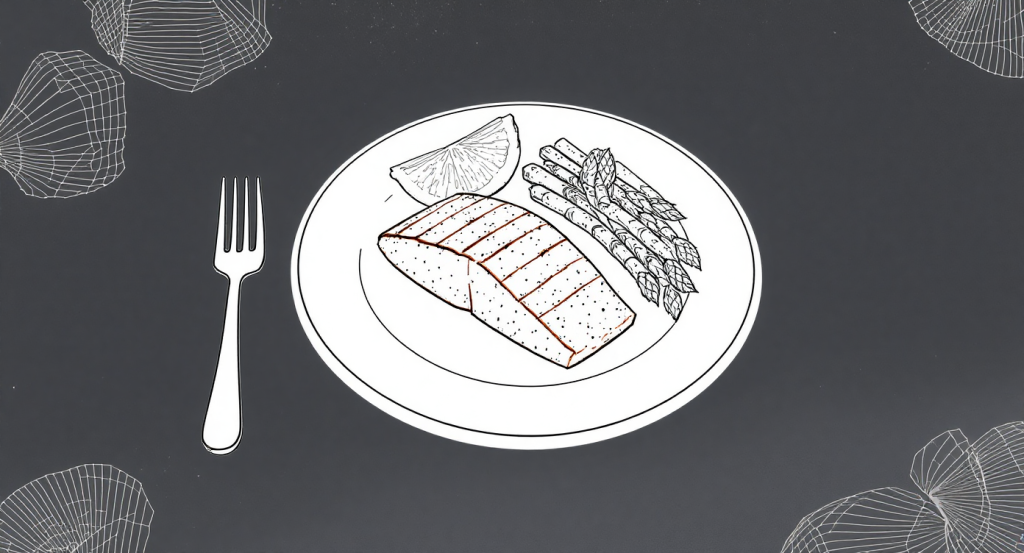
One of the most impactful changes you can make immediately is to adjust how you eat protein. Protein is not just for bodybuilders; it is the building block of your entire hormonal system. Your body needs amino acids from protein to produce specific peptide hormones that regulate your appetite and energy.
Boost Satiety Hormones
When you eat enough protein, you trigger the release of hormones like GLP-1 and PYY, which tell your brain that you are full and satisfied. This prevents overeating, which is a common cause of insulin spikes.
Insulin is a master hormone, and keeping it stable is crucial for overall balance. If you are constantly hungry an hour after eating, you likely didn’t have enough protein.
Stabilize Energy Levels
Eating protein slows down the absorption of sugar into your bloodstream. This prevents the “sugar crash” that often leads to afternoon fatigue and irritability.
By keeping your blood sugar steady, you reduce the stress on your adrenal glands, which otherwise have to pump out cortisol to manage those crashes.
Actionable Tips:
- Breakfast: Start your day with eggs, Greek yogurt, or a high-quality protein smoothie.
- Snacks: Choose a handful of almonds or a hard-boiled egg instead of chips.
- Dinner: Ensure a palm-sized portion of lean meat, fish, or plant-based protein is on your plate.
2. Stabilize Blood Sugar for Mood
You might be surprised to learn that your mood swings are often just blood sugar swings in disguise. This is one of the fastest ways to feel a difference in your day-to-day life. When your blood sugar spikes and drops, your body enters a state of emergency, releasing stress hormones to cope.
Prevent The Cortisol Spike
When blood sugar drops too low (hypoglycemia), your body releases adrenaline and cortisol to bring it back up. This can make you feel anxious, shaky, or “hangry”.
By keeping your glucose levels steady, you stop this stress cycle before it starts. This is why many people report feeling calmer within just a few days of cutting out refined sugars.
Support Brain Chemistry
Stable blood sugar supports healthy levels of serotonin and dopamine, the neurotransmitters responsible for happiness and focus. Research links high glycemic variability—those big spikes and drops—with feelings of irritability and stress. If you want to balance your mood hormones, start with your fork.
Foods to Focus On:
- Complex Carbs: Quinoa, sweet potatoes, and oats digest slowly.
- Fiber: Vegetables and legumes slow down sugar absorption.
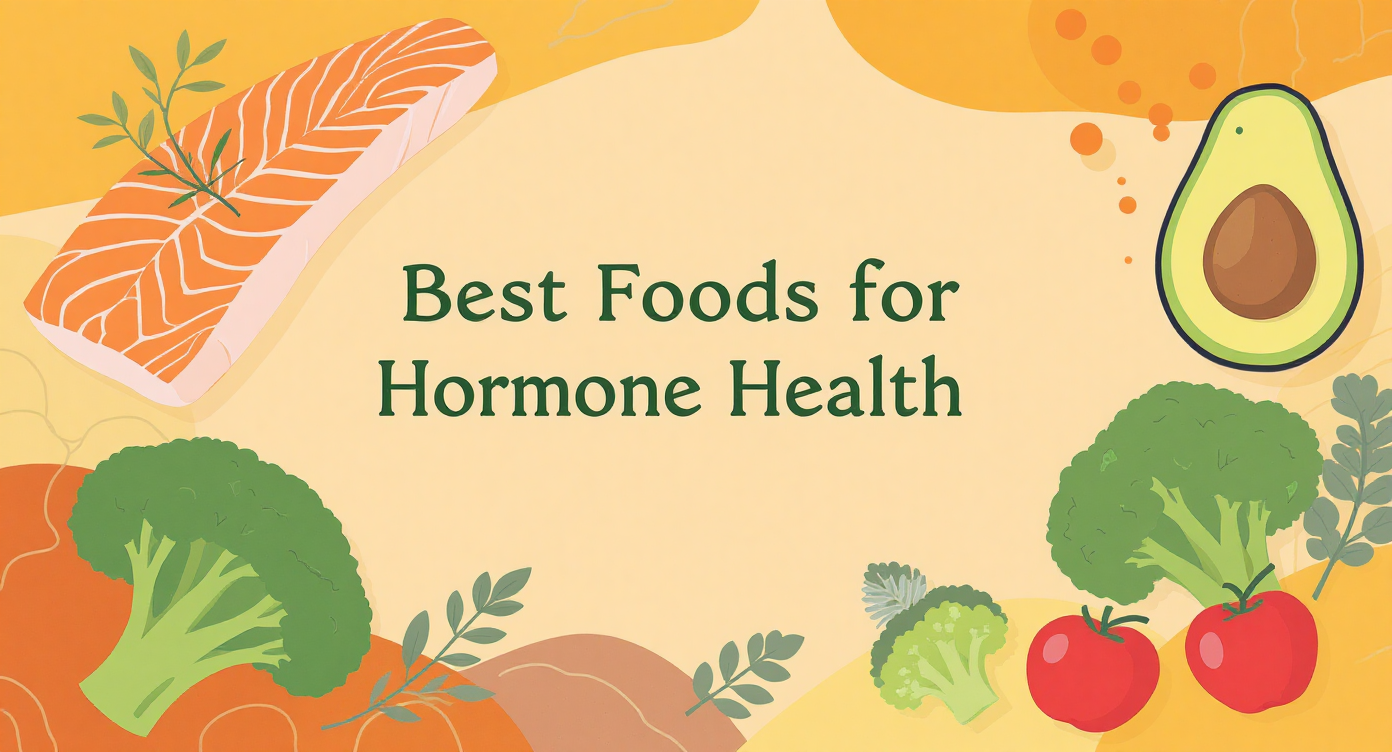
- Healthy Fats: Avocados and olive oil provide steady energy without spiking insulin.
3. Master Your Sleep Routine
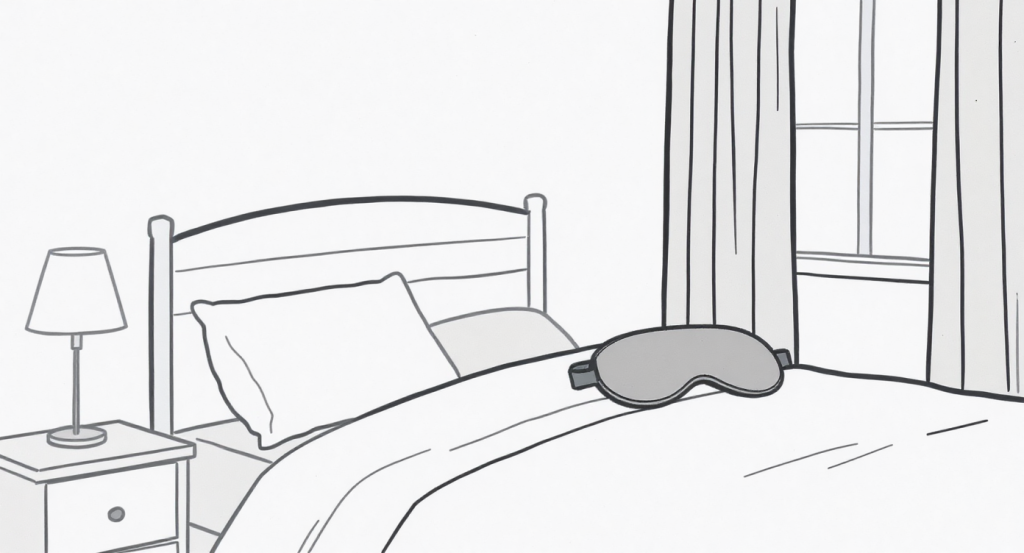
Sleep is not a luxury; it is a hormonal necessity. In my six decades of practice, I have seen poor sleep derail even the best diet and exercise plans. While you sleep, your body is busy repairing tissues and resetting hormone levels for the next day.
Reset Hunger Hormones
Sleep deprivation messes with ghrelin (the hunger hormone) and leptin (the fullness hormone). A famous Stanford study found that poor sleep increases ghrelin by nearly 15% and decreases leptin by over 15%.
This is why you crave high-calorie, sugary foods when you are tired. Your hormones are practically screaming at you to eat energy-dense foods to stay awake.
Optimize Growth Hormone
Deep sleep is the primary time your body releases human growth hormone (HGH). This hormone is vital for muscle repair, metabolism, and keeping your body feeling young. Cutting your sleep short means you miss out on these critical repair windows.
Sleep Hygiene Checklist:
- Cool Down: Keep your bedroom temperature around 65°F (18°C).
- Darkness: Use blackout curtains or an eye mask to boost melatonin production.
- Routine: Go to bed and wake up at the same time every day, even on weekends.
4. Move Your Body Strategically
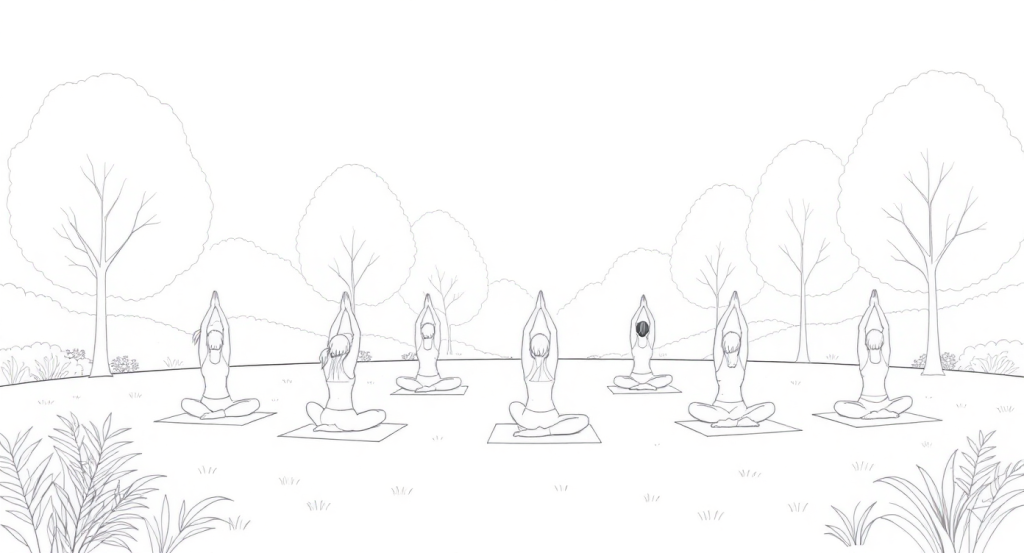
Exercise is a powerful tool, but more is not always better. The goal is to move in a way that supports your hormones rather than stressing them out. I have seen many people “burn out” their adrenals by over-exercising without enough recovery.
Improve Insulin Sensitivity
Regular movement helps your muscles use sugar from your bloodstream more effectively. This reduces the amount of insulin your pancreas needs to produce. Improved insulin sensitivity is key to preventing weight gain and metabolic issues, especially as we age.
Balance Stress Hormones
While intense exercise spikes cortisol temporarily (which is normal), chronic cardio without rest can keep cortisol chronically high. Mixing in activities like walking, yoga, or light resistance training can help lower baseline cortisol levels over time. It is about finding the “Goldilocks” zone—not too little, not too much.
Recommended Movements:
- Walking: A 20-minute walk after meals aids digestion and blood sugar.
- Strength Training: Building muscle boosts metabolic rate and testosterone naturally.
- Yoga: Excellent for lowering cortisol and promoting relaxation.
5. Manage Stress and Cortisol
We live in a high-stress world, and our hormones are paying the price. Chronic stress keeps cortisol levels elevated, which can steal resources from other important hormones like progesterone and testosterone. This phenomenon is sometimes called the “cortisol steal.”
Practice Mindfulness Daily
You don’t need to meditate for an hour to see benefits. Simple mindfulness practices can lower cortisol levels significantly. Research shows that relaxation techniques and deep breathing are effective interventions for reducing stress hormones.
Protect Your Adrenals
Your adrenal glands produce stress hormones. When they are overworked, you might experience “burnout,” characterized by deep fatigue and brain fog. Taking time to actively relax—not just watching TV, but truly resting—allows these glands to recover.
Quick Stress Busters:
- Box Breathing: Inhale for 4 seconds, hold for 4, exhale for 4, hold for 4.
- Nature Time: Spending 10 minutes outside can lower stress markers.
- Limit Caffeine: Too much coffee can mimic the effects of stress in the body.
6. Support Gut Health with Fiber
Your gut is often called your “second brain,” but it is also a second endocrine organ. The bacteria in your gut play a huge role in processing and eliminating hormones, especially estrogen.
Aid Estrogen Excretion
Your liver breaks down used estrogen, but it’s your gut’s job to move it out of the body. If you are constipated or lack fiber, that “old” estrogen can be reabsorbed into the bloodstream, leading to estrogen dominance. Fiber acts like a sponge, binding to these waste products and ensuring they leave your system.
Feed Beneficial Bacteria
A healthy microbiome produces short-chain fatty acids that help regulate metabolism and inflammation. Eating a variety of plant foods ensures you have a diverse and resilient gut population.
High-Fiber Stars:
- Cruciferous Veggies: Broccoli and cauliflower contain compounds that specifically help detoxify estrogen.
- Flaxseeds: These contain lignans which can help balance hormone levels naturally.
- Berries: Packed with antioxidants and fiber for gut support.
7. Minimize Endocrine Disruptors
In my many years of experience, this is the area that has changed the most. We are now exposed to thousands of chemicals that didn’t exist 60 years ago. Many of these are “endocrine disruptors,” meaning they mimic or block your natural hormones.
Detox Your Home
Chemicals like BPA (found in plastics) and phthalates (found in fragrances) can trick your body into thinking it has too much estrogen. This can lead to issues for both men and women, including reproductive problems and weight gain. Reducing your exposure is a natural and necessary step for modern hormone health.
Choose Clean Products
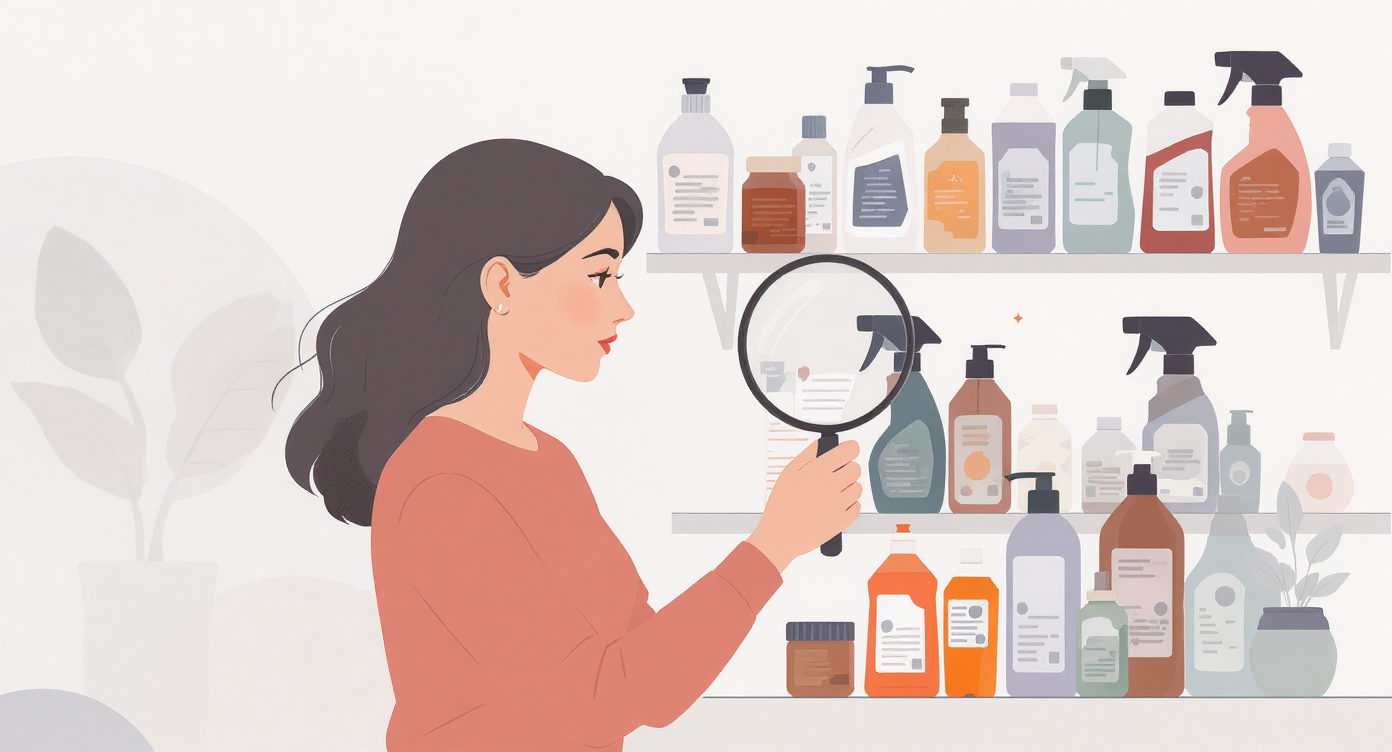
Your skin absorbs what you put on it. Switching to natural cleaning products and personal care items reduces the chemical load on your body. This gives your liver and immune system a break, allowing them to focus on regulating your natural hormones.
Simple Swaps:
- Glass over Plastic: Store leftovers in glass containers.
- Fragrance-Free: Choose laundry detergents and lotions without synthetic scents.
- Filtered Water: Use a quality filter to remove contaminants from your drinking water.
Frequently Asked Questions
1. What is the fastest way to balance female hormones naturally?
The absolute fastest way to feel a difference is to stabilize your blood sugar. By cutting out refined sugars and ensuring you eat protein and healthy fats at every meal, you can reduce mood swings and energy crashes within 24 to 48 hours. While long-term tissue repair takes longer, blood sugar regulation provides immediate relief for your adrenal glands and insulin response.
2. How do I know if my hormones are out of balance?
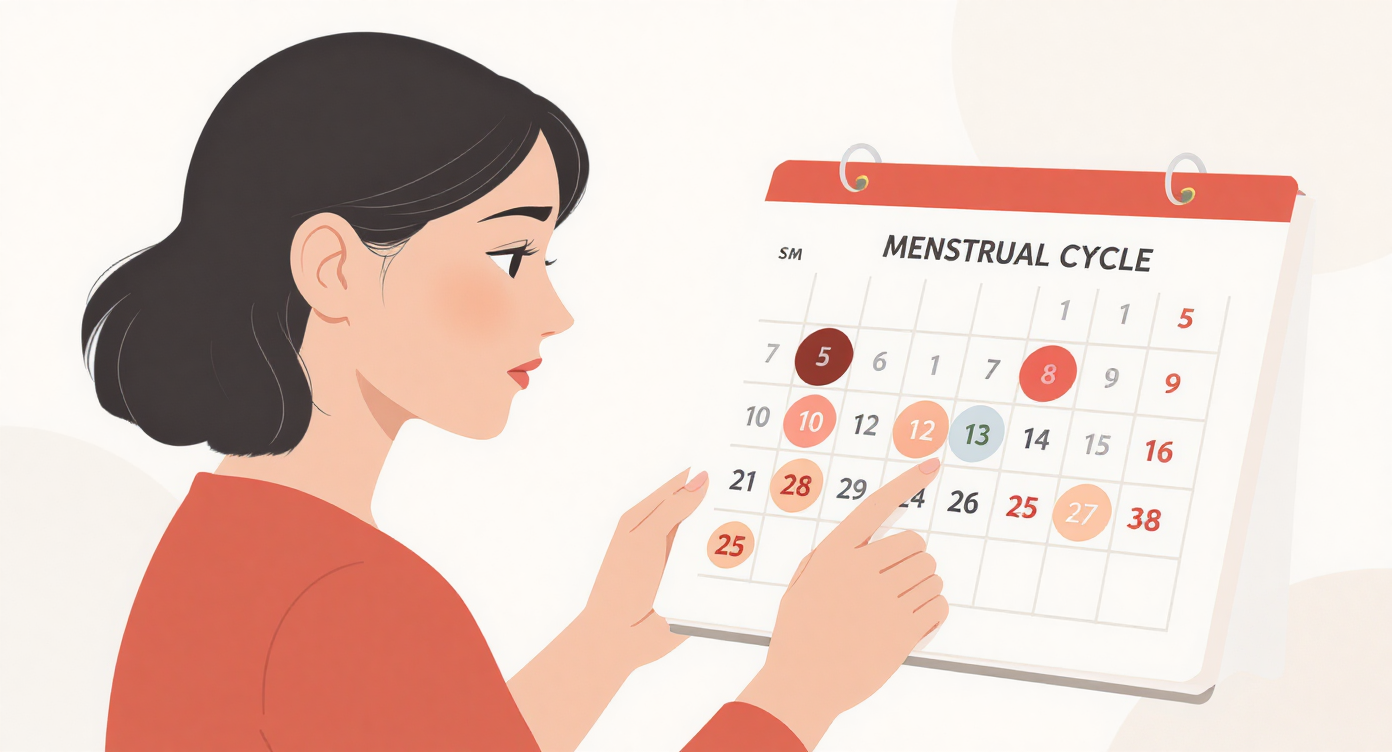
Common signs include persistent fatigue, unexplained weight gain (especially around the midsection), and irregular menstrual cycles. You might also notice mood changes like anxiety or irritability, poor sleep quality, and skin issues like acne. If you feel “off” despite living a generally healthy lifestyle, hormonal imbalance is often the culprit.
3. Can supplements help balance hormones?
Yes, certain evidence-based supplements can support your body’s natural processes. Magnesium is fantastic for stress and sleep, while B vitamins support energy production. However, supplements should always “supplement” a healthy diet, not replace it, and you should consult a doctor before starting any new regimen.
4. Does exercise really affect hormones?
Absolutely, exercise is a potent hormone modulator. Resistance training can boost testosterone and growth hormone, which helps maintain muscle mass and metabolism. Meanwhile, aerobic exercise improves insulin sensitivity, helping your body manage blood sugar more effectively.
5. Which foods should I avoid for hormonal balance?
It is best to minimize processed foods, added sugars, and excessive alcohol. Sugar spikes insulin, which can throw off other hormones, while alcohol can impair the liver’s ability to detoxify excess estrogen. Vegetable oils high in omega-6 fats (like soybean or corn oil) can also contribute to inflammation if consumed in excess.
6. How does sleep impact my weight and hormones?
Lack of sleep disrupts the delicate balance between ghrelin and leptin, making you feel hungrier and less satisfied after eating. Studies show that people who sleep less than 7 hours have higher levels of stress hormones and a higher risk of weight gain. Prioritizing sleep is one of the most effective weight management tools available.
7. What is seed cycling and does it work?
Seed cycling involves eating flax and pumpkin seeds during the first half of your cycle and sesame and sunflower seeds during the second half. While scientific data is limited, many practitioners believe the nutrients (like zinc and selenium) support estrogen and progesterone production respectively. It is a safe, nutritious practice that many find helpful for regulating cycles.
8. How does alcohol affect women’s hormones specifically?
Alcohol can increase estrogen levels by preventing the liver from breaking it down properly. This can lead to “estrogen dominance,” which is associated with heavy periods and PMS symptoms. It can also disrupt cortisol regulation, leading to poor sleep and increased belly fat.
9. Can stress cause hormonal imbalance?
Yes, chronic stress is a major disruptor. When cortisol is constantly high, your body prioritizes immediate survival over “luxury” functions like reproduction and metabolism. This can lead to irregular cycles, low libido, and thyroid suppression.
10. When should I see a doctor about my hormones?
If natural lifestyle changes don’t improve your symptoms after 3-6 months, or if your symptoms are severe (like debilitating pain or extreme fatigue), it is time to see a professional. Conditions like thyroid disorders or PCOS may require medical intervention alongside natural support.
Conclusion
Balancing your hormones naturally doesn’t have to be complicated. It is about returning to the basics: nourishing food, restful sleep, and intentional movement. In my 60 years of experience, I have learned that the body is incredibly resilient. By applying these 7 natural ways to balance hormones fast, you are giving your body the support it needs to thrive. Start with one or two changes today, and watch how your energy and mood transform.
Explore more evidence-based nutrition guides to optimize your health and wellness on the Hormone Health page.