Bringing a new life into the world is a miraculous feat, but the physical aftermath can often feel like a marathon you didn’t quite train for.
In my six decades of supporting new mothers, I have seen the narrative shift from “just grin and bear it” to a much more empowered approach to recovery.
Implementing 7 after birth healing hacks isn’t just about comfort; it’s about honoring the immense work your body has done and giving it the tools to repair efficiently.
Whether you had a vaginal delivery or a C-section, the fourth trimester requires intentional care.
Many women are surprised by the intensity of the physical changes, from perineal soreness to the deep fatigue that settles in after the adrenaline wears off.
The good news is that science-backed, simple strategies can significantly speed up your healing timeline.
My goal is to share these time-tested, practical solutions that have helped thousands of women regain their vitality. Let’s dive into the essential practices that will help you thrive, not just survive, in these early weeks.
1. The “Padsicle” Relief Method
Cold Therapy for Inflammation
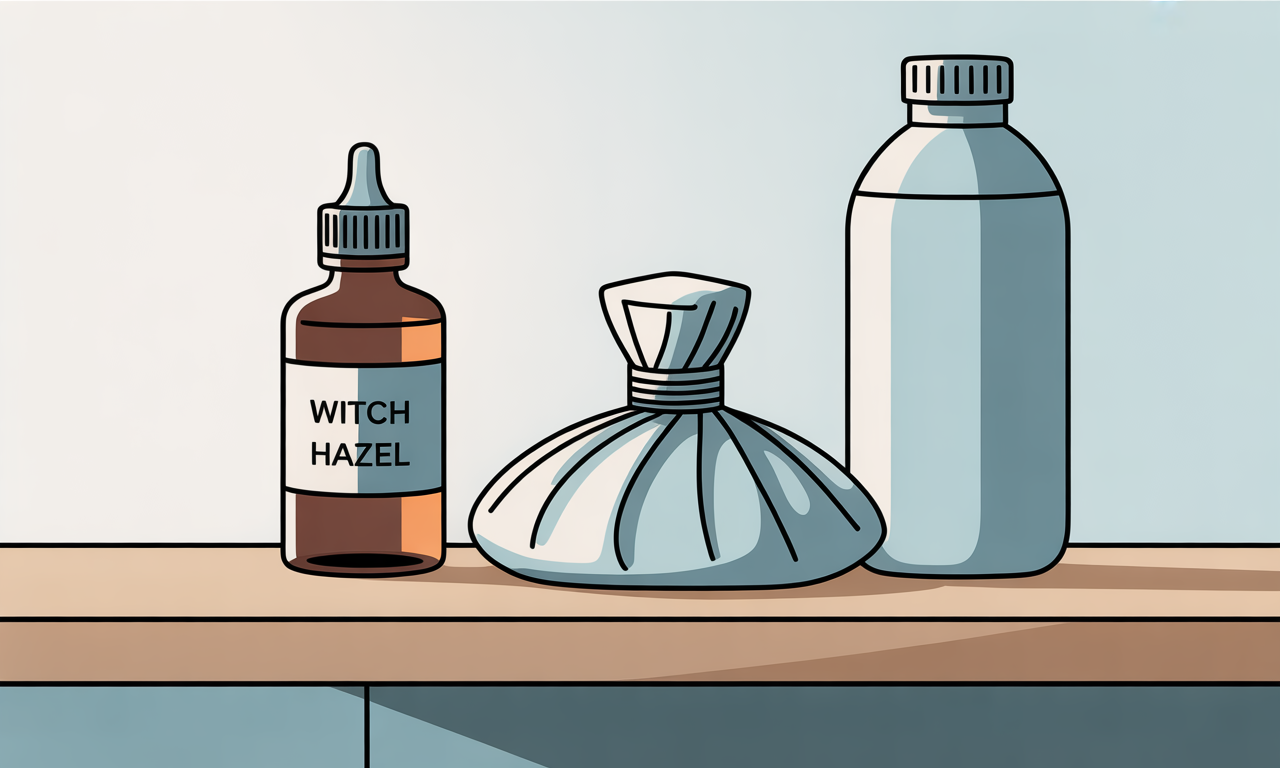
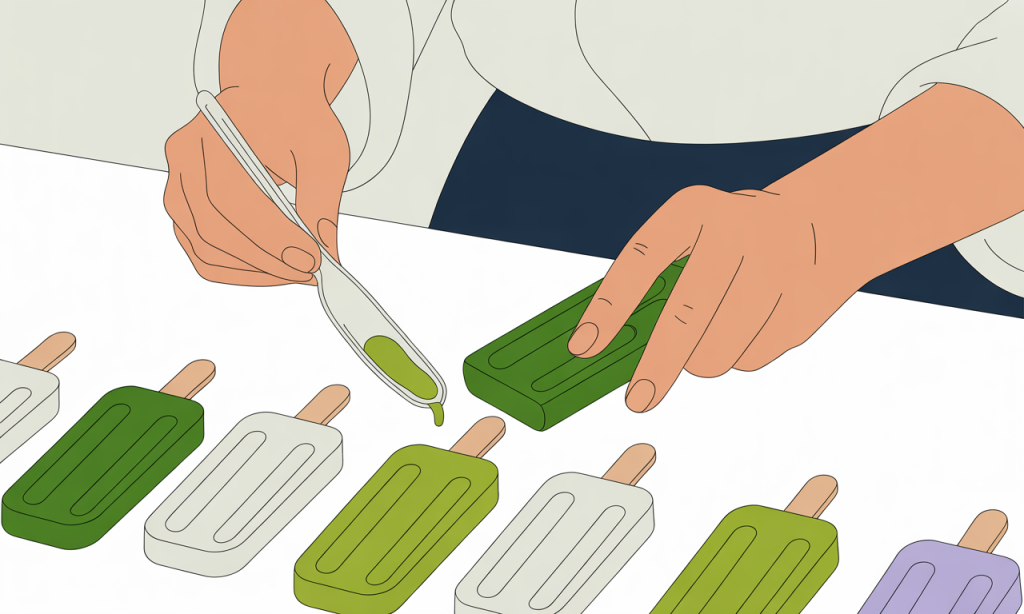
If there is one hack that every new mom swears by, it is the “padsicle.” This is essentially a sanitary pad turned into a therapeutic ice pack. The cold constricts blood vessels, which drastically reduces swelling and numbs acute pain in the perineal area. It is particularly effective for soothing hemorrhoids and stitches from tearing or episiotomies.
DIY Padsicle Recipe
You can easily make these at home before your due date.
- Unwrap: Take a large, absorbent maxi pad (but keep the wrapper attached).
- Apply: Spread a layer of pure aloe vera gel and a spray of alcohol-free witch hazel over the surface.
- Freeze: Rewrap the pad and store it in a freezer bag.
- Use: Apply for 10-20 minutes at a time to avoid “freezer burn” on sensitive skin.
Evidence Behind the Ingredients
Witch hazel contains tannins that act as a natural astringent, helping to shrink swollen tissues and reduce bleeding.
Aloe vera provides a soothing barrier that hydrates the skin and accelerates wound healing. Together, they create a powerhouse of relief that is safe and effective for immediate postpartum use.
2. Strategic Sitz Baths & Peri-Care
The Power of Warm Soaking
A sitz bath involves sitting in a shallow basin of warm water, which increases blood flow to the perineum. This boosted circulation brings fresh oxygen and immune cells to the area, speeding up tissue repair. It also effectively relaxes the pelvic floor muscles, which may be tight and sore after birth.
Proper Peri-Bottle Technique
Every bathroom trip should involve a peri-bottle—a squeeze bottle used to spray warm water on your perineum while you urinate. This dilute the urine, preventing the stinging sensation that often occurs on grazes or stitches.
- Temperature: Use warm, not hot, water.
- Direction: Spray from front to back to prevent infection.
- Patting: Gently pat dry with a clean cloth; never wipe, as the tissue is fragile.
Additives for Extra Healing
While warm water alone is beneficial, adding Epsom salts can further reduce swelling and prevent infection. Some mothers also add herbal infusions like calendula or chamomile, known for their anti-inflammatory properties. However, avoid harsh soaps or bubble baths, which can irritate healing wounds and alter your pH balance.
3. Nutritional Recovery Protocols
Collagen for Tissue Repair
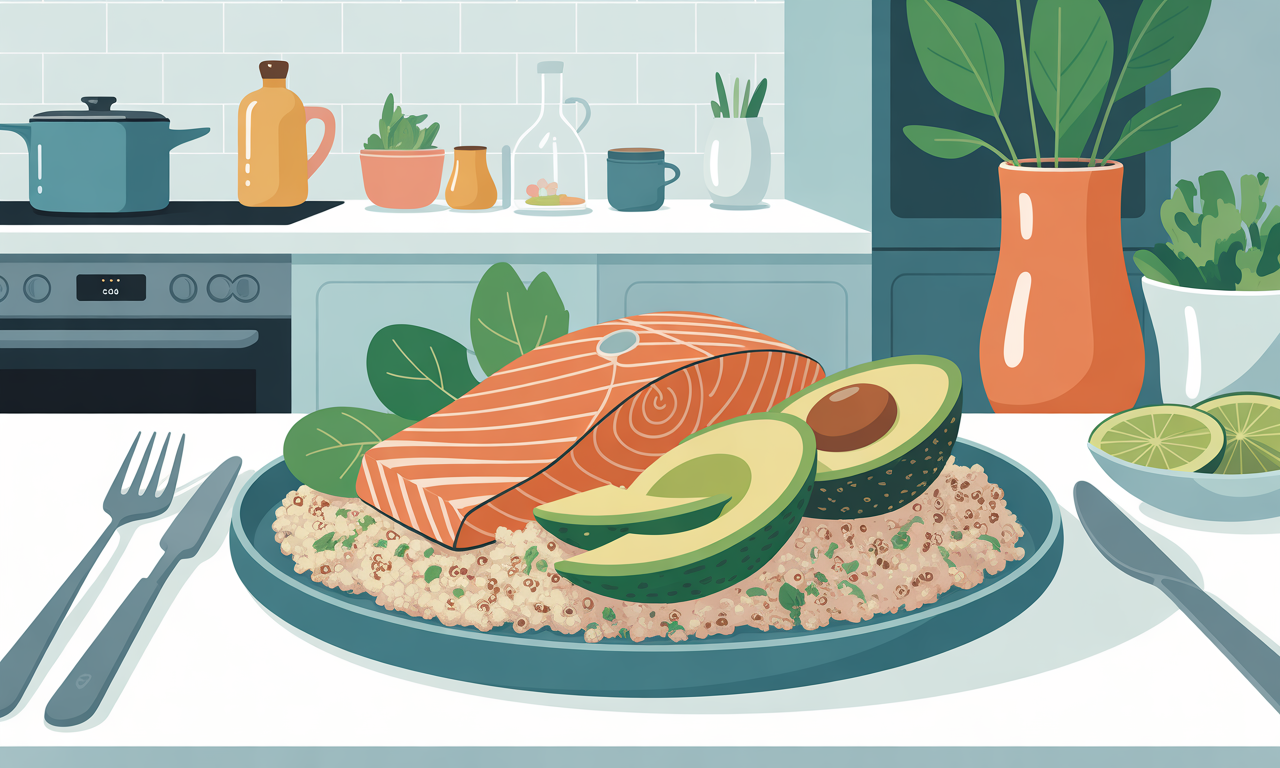
Your body needs specific building blocks to knit tissues back together. Collagen is the primary protein in your skin and connective tissue, making it vital for healing everything from the placental site to C-section incisions.
- Sources: Bone broth, skin-on fish, and slow-cooked meats.
- Vitamin C: Pair collagen with Vitamin C (like berries or citrus) to maximize absorption.
- Hydration: Drink at least 2-3 liters of water daily to maintain tissue elasticity.
Combatting Depletion
Pregnancy and birth deplete your stores of iron, zinc, and magnesium. Replenishing these is crucial for energy and mood stability.
Magnesium, in particular, helps with muscle relaxation and can ease the uterine cramping known as “afterpains”. Snack on pumpkin seeds, dark chocolate, and leafy greens to keep your levels up.

4. C-Section Scar Management
Early Silicone Therapy
If you delivered via C-section, caring for your incision is a top priority. Once the wound is closed (usually after 6 weeks), applying silicone sheets or gel can flatten the scar and reduce redness.
Silicone works by regulating collagen production, preventing the raised, keloid scarring that can be painful and itchy.
The Art of Scar Massage
Massage is a game-changer for preventing adhesions—internal scar tissue that sticks to organs and causes long-term pain.
- Wait: Ensure the incision is fully healed before starting.
- Mobilize: Gently move the skin around the scar in circles, then up and down.
- Depth: Gradually work deeper to loosen the underlying tissue, not just the skin surface.
Protecting the Incision
In the early days, “splinting” your incision is a critical hack. Hold a small pillow firmly against your belly whenever you need to cough, sneeze, or laugh. This counter-pressure reduces pain and protects the stitches from sudden strain.
5. Rest and Positioning Hacks
The “Side-Lying” Sleep Position
Sleep is when healing happens, but finding a comfortable position can be tough. The side-lying position with a pillow between your knees is ideal for both vaginal and C-section recovery. It aligns your hips, taking pressure off the pelvic floor and incision site.
Elevating for Circulation
Swelling (edema) in the legs and feet is common for a week or two postpartum. Whenever you sit, elevate your legs above your heart to help fluids drain back into circulation.
Compression socks can also be a lifesaver if you are on your feet often soothing the heavy, throbbing feeling.
Horizontal Rest Rules
“Rest” doesn’t just mean sleeping; it means staying horizontal. Sitting upright for long periods puts gravity’s weight on your weakened pelvic floor.
Try to spend as much of your waking downtime lying down—feed the baby in a side-lying position or reclining back. This simple gravity hack significantly reduces pelvic heaviness and prolapse risk.

6. Managing Afterpains Naturally
Understanding the Cramps
Afterpains are contractions that shrink your uterus back to its pre-pregnancy size.
They are often stronger during breastfeeding due to the release of oxytocin. While painful, they are a sign your body is working correctly to prevent hemorrhage.
Heat and Magnesium
Applying a warm heating pad or hot water bottle to your lower abdomen can relax the uterine muscles and take the edge off the pain.
Combining this with magnesium supplements (cleared by your doctor) or magnesium-rich foods helps relax smooth muscle tissue system-wide, reducing the intensity of the cramping.
Empty Bladder Rule
A full bladder pushes against the uterus, making it work harder to contract and increasing pain. Make it a habit to urinate before every feeding session. This simple habit keeps the uterus centered and allows it to contract more efficiently with less discomfort.
7. Reconnecting the Pelvic Floor
Breath-Based Core Activation
Rehabilitation starts with your breath, not crunches. Diaphragmatic breathing—expanding your belly as you inhale and gently exhaling—reconnects your brain to your core muscles. This gentle motion massages internal organs and stimulates the vagus nerve for relaxation.
The “Knack” Technique
Before you sneeze, cough, or lift your baby, try “The Knack”: quickly squeeze and lift your pelvic floor muscles just before the exertion.
This reflex protects against leakage and supports your organs against the sudden increase in intra-abdominal pressure. It’s a small habit that prevents long-term issues.
Gentle Mobility vs. Exercise
Avoid high-impact exercise in the first 6-8 weeks. Instead, focus on gentle mobility like pelvic tilts and cat-cow stretches. These movements increase blood flow to the pelvis without straining healing tissues.
Walking is great, but listen to your body—if bleeding increases, you have done too much.
Frequently Asked Questions
How often should I use a sitz bath?
You can use a sitz bath 1 to 3 times a day for about 10 to 20 minutes each session. Frequent soaking helps keep the area clean, reduces pain, and promotes healing by increasing blood flow.
However, avoid soaking for too long if you have dissolvable stitches, as excessive moisture might cause them to dissolve too quickly.
What ingredients are safe for padsicles?
The safest and most effective ingredients for padsicles are alcohol-free witch hazel and pure aloe vera gel.
Witch hazel acts as an astringent to reduce swelling, while aloe vera soothes and hydrates the skin.
You can also add a drop of lavender essential oil if you are not sensitive to scents, but keep it simple to avoid irritation.
Can I massage my C-section scar immediately?
No, you must wait until the incision has completely closed and any scabs have fallen off, which typically takes about 6 weeks. Starting too early can reopen the wound or introduce infection.
Once healed, gentle massage helps break down scar tissue and prevents adhesions that can cause pain later.
How can I speed up healing “down there”?
To speed up perineal healing, keep the area clean with a peri-bottle, use cold packs (padsicles) to reduce swelling, and take warm sitz baths to boost circulation.
Prioritizing rest and lying horizontally also relieves gravity’s pressure on the pelvic floor, allowing tissues to recover faster. Good nutrition with collagen and protein provides the raw materials for repair.
Is it normal to have contractions while breastfeeding?
Yes, it is completely normal and actually beneficial. Breastfeeding releases oxytocin, the hormone that triggers uterine contractions.
These “afterpains” help shrink the uterus back to its pre-pregnancy size and reduce bleeding. Using a heating pad and emptying your bladder before nursing can help manage the discomfort.
When can I start pelvic floor exercises?
You can usually start gentle pelvic floor activation, like breathing exercises and light Kegels, within the first few days after birth if it feels comfortable.
However, “start” does not mean intense training; it means reconnecting with the muscles. Always listen to your body and stop if you feel pain or heaviness.
What foods help with postpartum recovery?
Focus on foods rich in collagen, protein, and iron, such as bone broth, slow-cooked meats, eggs, and leafy greens.
Vitamin C from fruits helps your body absorb collagen and repair skin. staying hydrated is also critical for tissue elasticity and milk production.
How do I treat hemorrhoids after birth?
Hemorrhoids can be treated effectively with the same hacks used for perineal tearing: witch hazel pads, cold packs, and warm sitz baths.
Avoiding constipation is also key; eat high-fiber foods and drink plenty of water to keep stools soft so you don’t have to strain.
Why is rest so important for healing?
Rest is when your body directs energy toward tissue repair rather than physical activity. In the first few weeks, your placental site is effectively an open wound the size of a dinner plate inside your uterus.
Overdoing activity can cause this wound to bleed more and delay healing, so horizontal rest is a medical necessity, not a luxury.
Can I use a heating pad on my C-section incision?
You should generally avoid placing heat directly on a fresh incision as it may increase swelling or alter sensation in numb areas.
However, using a heating pad on your lower back or hips can relieve muscle tension. Once the scar is fully healed, warm compresses can help soften the tissue before massage.
Conclusion
The fourth trimester is a time of profound transition, and your body deserves every bit of support you can give it.
By using these 7 after birth healing hacks, you are actively participating in your own recovery, turning a time of potential depletion into a season of rebuilding.
Remember, healing is not linear, and prioritizing your physical needs is the first step in being able to care for your new baby.
Be patient with yourself, trust your body’s ability to heal, and don’t hesitate to ask for help when you need it. Explore more evidence-based nutrition guides to optimize your health and wellness on the Postpartum Care page.