
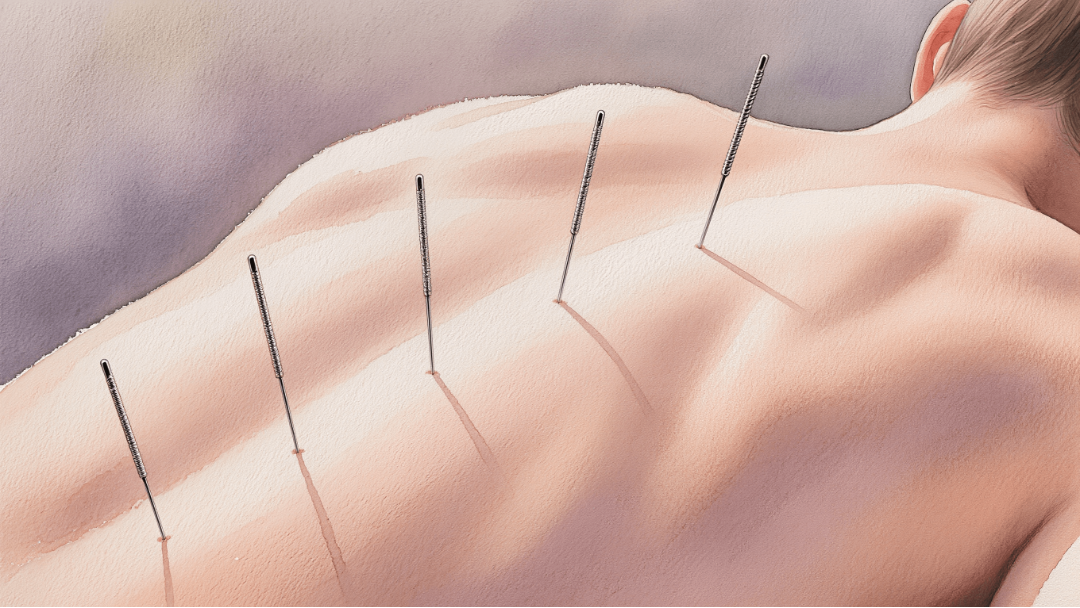
Acupuncture has transformed from an ancient healing practice into a widely accepted complementary therapy that millions trust for pain relief and wellness. Whether you’re exploring acupuncture basics to manage chronic pain or simply curious about this traditional Chinese medicine technique, understanding the fundamentals helps you make informed decisions about your health journey.
Featured Image: Close-up of acupuncture needles inserted in patient’s back with soft lighting
Alt Text: Acupuncture needles placed on patient back showing traditional Chinese medicine treatment for pain relief
Understanding How Acupuncture Works
Traditional Chinese Medicine Perspective
Traditional Chinese medicine explains acupuncture as balancing the flow of energy called chi or qi that travels through pathways called meridians in your body. Practitioners insert thin needles at specific points along these meridians to restore energy balance and promote healing. This ancient philosophy has guided acupuncture practice for thousands of years.
Modern Western Medical View
Many Western practitioners view acupuncture points as locations to stimulate nerves, muscles, and connective tissue. This stimulation activates your body’s natural painkillers and increases blood flow to targeted areas. Research shows acupuncture releases endorphins and promotes deep relaxation, bringing your body back to homeostasis.
Image 2: Diagram showing meridian pathways and acupuncture points on human body
Alt Text: Illustrated meridian pathways and acupuncture points diagram showing traditional Chinese medicine energy channels
Types of Acupuncture Techniques
Traditional Chinese Medicine Acupuncture
TCM acupuncture uses the meridian system and is frequently used as a stand-alone treatment method. Practitioners select needle placement based on your specific symptoms and energy imbalances. This approach considers your whole body system rather than isolated symptoms.
Dry Needling Approach
Dry needling targets trigger points in muscles to release tension and reduce pain. This technique doesn’t follow traditional meridian theory but instead focuses on musculoskeletal issues and muscle spasms. Research shows dry needling can provide immediate pain relief by releasing protective muscle tension.
Image 3: Licensed acupuncturist inserting needles into patient’s shoulder area
Alt Text: Professional acupuncturist performing dry needling technique on patient shoulder for pain management
Health Benefits Backed Research
Chronic Pain Management
Acupuncture significantly reduces headaches, migraine attacks, and severity of neck and lower back pain compared to standard medical care alone. A comprehensive analysis of nearly 18,000 patients in high-quality trials found acupuncture superior to both no-acupuncture control and sham acupuncture for treating chronic pain. Patients with osteoarthritis experienced reduced pain and disability, becoming less reliant on anti-inflammatory medications.
Stress and Mood Improvement
Acupuncture reduces pain levels and improves mood, which helps decrease over-reliance on drugs that can cause unwanted side effects. The treatment promotes deep relaxation through endorphin release throughout your system. Acupuncture is increasingly used for overall wellness and stress management beyond pain treatment.
Image 4: Relaxed patient lying down with acupuncture needles during treatment session
Alt Text: Patient relaxing during acupuncture session showing stress relief and wellness treatment benefits
Your First Acupuncture Session
Initial Consultation Process
Your first appointment typically lasts 90 minutes and includes in-depth questions about your lifestyle, symptoms, and health concerns. The practitioner will examine your tongue to determine its shape, color, and coating, and feel your pulse rhythm and strength. This comprehensive assessment helps determine the best treatment approach for your specific condition.
What Happens During Treatment
The acupuncturist will insert thin needles into specific points on your body during a 15 to 30-minute session. Acupuncture needles are very thin, so insertion usually causes little discomfort and many people don’t feel them at all. A typical treatment uses 5 to 20 needles inserted at various depths at strategic points.
Post-Treatment Expectations
Some emotions and sensations may arise during treatment as your body responds to the therapy. Patients often feel lighter and more relaxed after needles are removed, with some experiencing immediate symptom relief. Building rapport with your acupuncturist allows them to tailor treatments to your needs over multiple sessions.
Image 5: Acupuncture needles, treatment table, and consultation clipboard in clean clinical setting
Alt Text: Professional acupuncture clinic setup showing sterile needles and treatment equipment for patient safety
Safety and Side Effects
Common Minor Reactions
Both minor and serious adverse events can occur from acupuncture use, though all reviews suggest adverse events are rare and often minor. The most common adverse reactions include pain, bleeding or bruising, dizziness, and hematoma formation. Other mild and transient events include erythema, aggravation of symptoms, and skin allergy reactions.
Serious Risks to Consider
Improper acupuncture operation can lead to local chronic pain, chronic swelling, organ or tissue injury, and infections. Syncope and systemic reactions have been reported in systematic reviews, though these remain uncommon. Choosing a licensed practitioner who follows proper sterilization protocols minimizes these risks significantly.
Needle Sterilization Standards
Proper sterilization of acupuncture needles is essential to prevent transmission of infections like hepatitis B virus. Glass bead sterilizers can effectively sterilize contaminated acupuncture needles within 10 seconds of exposure. Most licensed practitioners today use single-use, pre-sterilized disposable needles to ensure maximum safety.
Insurance Coverage and Costs
Private Insurance Options
Major insurance companies like Aetna, Blue Cross Blue Shield, Cigna, and United Healthcare now include acupuncture in their policies. Coverage typically includes a set number of visits per year, subject to deductibles and co-payments. Check with your specific insurance provider about coverage limits and requirements before beginning treatment.
Government Program Benefits
Government insurance programs added acupuncture benefits in 2020, recognizing it as safe and effective alternative treatment for chronic pain management. Patients with chronic low back pain lasting 12 weeks or more typically qualify for up to 12 sessions within 90 days. Those showing improvement may receive an additional 8 sessions, totaling up to 20 treatments per year.
Finding Qualified Practitioners
Licensing Requirements Explained
Licensed acupuncturists must complete 60 semester hours of postsecondary study in an accredited institution. Accredited programs require 1,905 hours of didactic and clinical training, with 660 hours dedicated to clinical practice. Practitioners must pass all portions of the National Certification Commission for Acupuncture and Oriental Medicine exam.
Certification Verification Steps
Verify your practitioner completed an accredited course of study and holds current NCCAOM certification. Check that they completed the Clean Needle Technique Course, which ensures proper safety protocols. Ask to see proof of state licensure and verify their credentials through your state’s licensing board database.
FAQ
What is acupuncture and how does it work?
Acupuncture is a traditional Chinese medicine technique that involves inserting thin needles into specific points on the body to balance energy flow. Western medicine views it as stimulating nerves, muscles, and connective tissue to activate natural painkillers and increase blood flow.
Does acupuncture really work for pain relief?
Research involving nearly 18,000 patients found acupuncture superior to both no-acupuncture control and sham acupuncture for treating chronic pain conditions. Studies show acupuncture significantly reduces headaches, migraines, and severity of neck, back, and osteoarthritis pain.
Is acupuncture safe and what are the side effects?
Acupuncture adverse events are rare and often minor, though both minor and serious events can occur. The most common reactions include mild pain, bleeding or bruising, dizziness, and hematoma, while serious complications like organ injury are uncommon when performed by licensed practitioners.
What should I expect during my first acupuncture session?
Your first appointment typically lasts 90 minutes with comprehensive health history questions, tongue examination, and pulse assessment. The actual treatment involves inserting 5 to 20 thin needles for 15 to 30 minutes, which usually causes little discomfort.
How many acupuncture sessions do I need to see results?
Most insurance plans cover 12 sessions within 90 days for chronic conditions, with possible extensions to 20 treatments per year if improvement is shown. Treatment frequency varies based on your specific condition and response to therapy.
Does insurance cover acupuncture treatments?
Major private insurance companies like Aetna, Blue Cross Blue Shield, Cigna, and United Healthcare include acupuncture coverage in their policies. Government insurance programs added acupuncture benefits in 2020 for chronic low back pain management, covering up to 12-20 sessions per year.
What is the difference between acupuncture and dry needling?
Traditional acupuncture follows Chinese medicine meridian theory to balance energy flow throughout the body. Dry needling targets specific muscle trigger points to release tension and reduce pain, focusing on musculoskeletal issues rather than energy pathways.
What qualifications should my acupuncturist have?
Licensed acupuncturists must complete 1,905 hours of accredited training including 660 clinical hours and pass NCCAOM certification exams. They must also complete Clean Needle Technique Course and maintain state licensure with ongoing education requirements.
Can acupuncture help with conditions other than pain?
Acupuncture is increasingly used for overall wellness, stress management, and mood improvement beyond pain treatment. Research shows it improves mood levels and promotes deep relaxation through endorphin release, potentially reducing reliance on medications.
Are acupuncture needles sterile and how are they cleaned?
Most licensed practitioners use single-use, pre-sterilized disposable needles to prevent infection transmission. When reusable needles are used, proper sterilization methods like glass bead sterilizers can effectively sterilize needles within 10 seconds to prevent hepatitis B and other infections.
Take Your Next Step
Ready to explore how acupuncture can support your wellness journey? Visit our comprehensive Acupuncture Basics page to discover detailed treatment information, practitioner directories, and personalized resources that help you start your healing path with confidence.