Acne is a battle, but the scars it leaves behind can often feel like the war that never ends. In my six decades as a skin and hair care professional, I have comforted countless individuals who think their confidence has been pitted and marked by their history with breakouts.
The good news is that we are living in a golden age of dermatology. The technology and ingredients we have today to tackle scarring are light-years ahead of what I had when I started.
Implementing seven acne scar fixes fast involves combining the most potent professional interventions with diligent home care to accelerate your skin’s natural repair process.
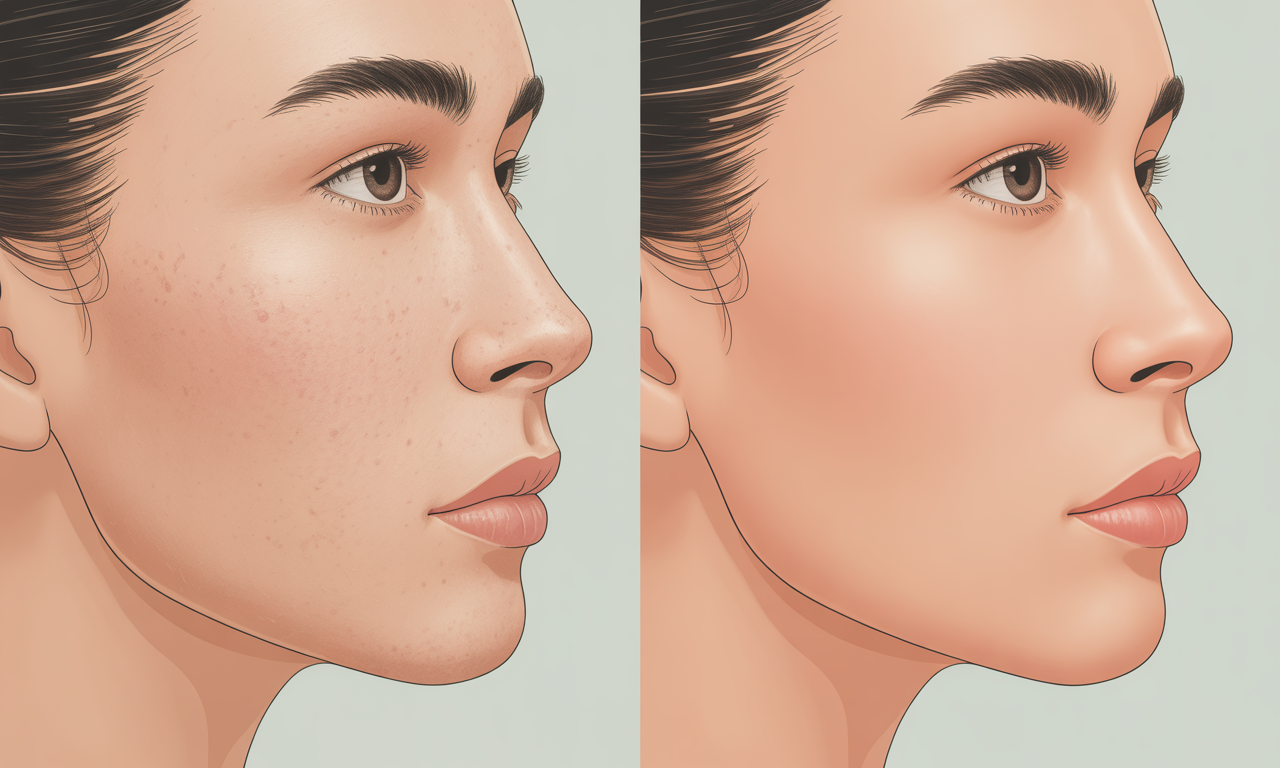
It is crucial to understand that not all scars are created equal. Some are pigmented marks (post-inflammatory hyperpigmentation), while others are textural depressions, such as “ice pick” or “boxcar” scars.
“Fast” in the world of scarring is relative—skin needs time to rebuild collagen—but by choosing the proper, evidence-based methods, you can shave months off your recovery time.
My goal is to guide you through the noise of miracle creams and straight to the solutions that actually deliver results. Let’ss explore the seven most effective strategies to reclaim your smooth, radiant complexion.
1. Fractional CO2 Laser Resurfacing
The Heavy Hitter
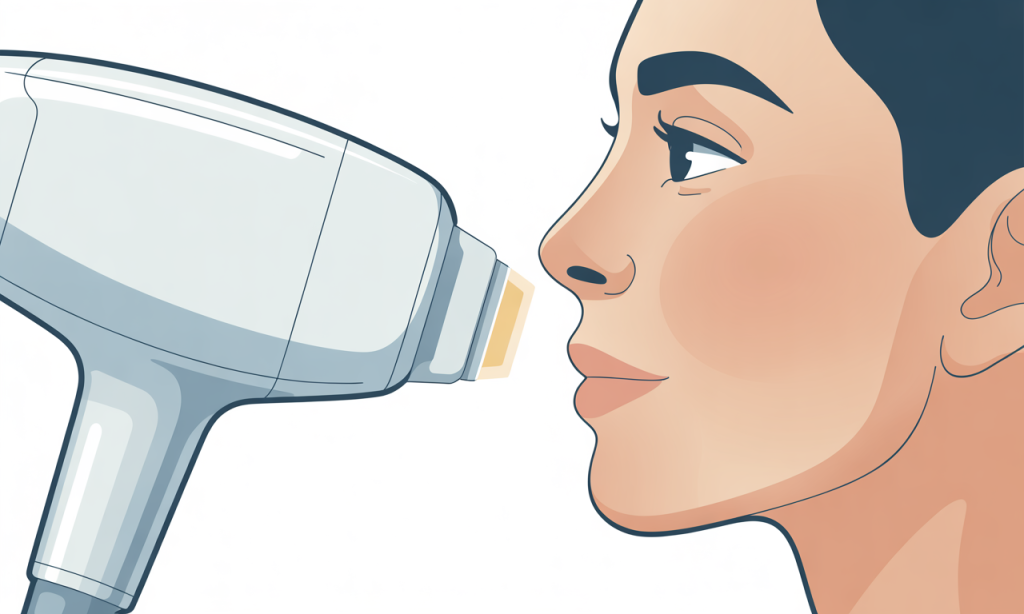
If you want dramatic results quickly, the fractional CO2 laser is often the gold standard. It works by creating microscopic columns of destruction in the skin, which triggers a massive healing response and new collagen production.
Unlike older lasers that remove the entire top layer of skin, “fractional” technology leaves intact bridges of healthy skin, leading to much faster healing.
Speed and Recovery
You can see improvements in texture as early as one week after a single treatment, with results continuing to improve for 6 months.
However, “fast” results come with a trade-off: expect about 3 to 6 days of downtime where your skin will look red and feel like a sunburn. For deep, pitted scars, this is often the most efficient route to smoothness.
Is It Right for You?
This treatment is powerful but requires professional assessment. It is highly effective for boxcar and rolling scars, but may pose a pigmentation risk for darker skin tones if not performed by a specialist.
2. Microneedling with PRP (The “Vampire Facial”)
Collagen Induction Therapy
Microneedling involves using a device with tiny needles to create thousands of micro-channels in the skin. This physical trauma forces your skin to produce new collagen and elastin to heal itself.
When combined with Platelet-Rich Plasma (PRP)—derived from your own blood—the growth factors supercharge the healing process.
WhyIt’ss Fast
Studies show that microneedling can deliver a 50-60% improvement in scar appearance after just three sessions.
The addition of PRP significantly speeds up tissue regeneration, making it faster than microneedling alone. It is particularly effective for “rolling” scars that give the skin a wave-like texture.
- Downtime: minimal, usually 24-48 hours of redness.
- Frequency: Sessions are typically spaced 4-6 weeks apart.
- Safety: Safe for all skin tones, unlike some lasers.
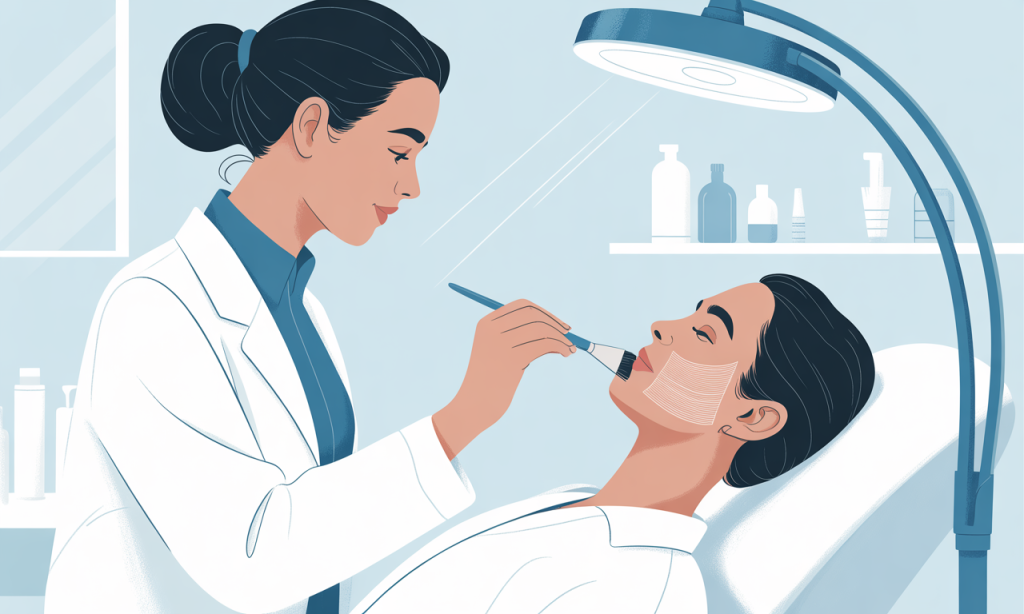
3. High-Strength Chemical Peels
Resurfacing from the Outside In
Chemical peels use acids to remove the damaged outer layers of the skin, allowing a fresh layer to reach the surface.
For acne scars, we often consider medium-depth peels such as TCA (Trichloroacetic Acid). These go deeper than your average spa facial to target the dermis where the scars live.
The “CROSS” Technique
For deep, narrow “ice pick” scars, a specific technique called TCA CROSS is swift.
A high concentration of acid is applied precisely into the scar, causing it to scab and then fill in with new collagen. This can close stubborn pits that lasers sometimes miss.
- Glycolic Acid: Best for mild scarring and discoloration.
- Salicylic Acid: Great for active acne + scarring.
- TCA: The heavy lifter for textural pitting.
4. Silicone Gel Sheets or Gel
The Non-Invasive Daily Fix
You might think of silicone for surgical scars, but it is one of the 7 fast acne scar fixes for raised (hypertrophic) acne scars.
Silicone creates a protective hydration barrier that regulates collagen production, helping flatten and soften raised scars over time.
Consistency is Key
For this to work fast, you must be diligent. Silicone sheets or gel should be worn for at least 12-24 hours a day.
Clinical reviews show significant reductions in scar texture and color after a few months of daily use. It is an excellent, affordable option to combine with professional treatments.
- Gel vs. Sheets: Gel is often better for the face as it is invisible and can be worn under makeup.
- Mechanism: It mimics the natural skin barrier, preventing the dehydration that signals the body to produce excess scar tissue.
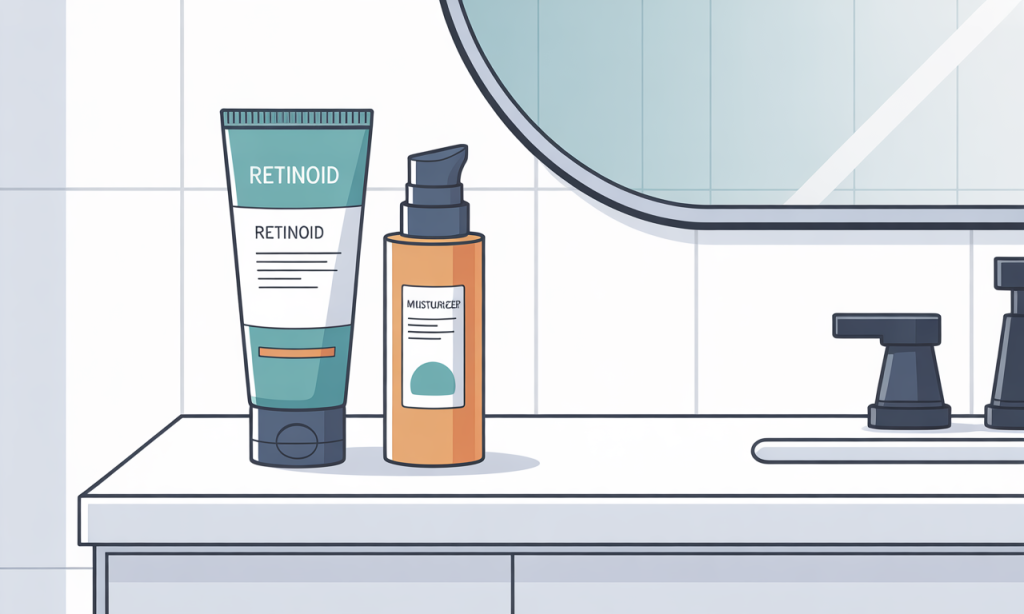
5. Prescription-Strength Retinoids
Accelerating Cell Turnover
Retinoids (derivatives of Vitamin A) are not just for wrinkles; they are potent scar fighters.
By drastically speeding up cell turnover, they help shed pigmented cells more quickly and stimulate collagen to fill shallow depressions.
Speed of Results
While less immediate than a laser, a prescription retinoid (like Tretinoin) works faster than any over-the-counter cream.
You can start seeing improvements in texture and pigmentation as early as 4 weeks, with significant remodeling around the 12-week mark.
- Start Slow: Apply a pea-sized amount every other night to avoid irritation.
- Sun Protection: You must wear sunscreen, as retinoids make you sun-sensitive.
6. Vitamin C Serum for Discoloration
The Brightening Powerhouse
Often, what we think of as “scars” are actually red or brown marks (PIH/PIE) left behind after a pimple heals.
Vitamin C is the fastest topical way to fade this pigment. It inhibits melanin production and provides anti-inflammatory benefits that calm redness.
Why It Makes the List
A high-quality serum with L-ascorbic acid (10-20%) can lighten hyperpigmentation by up to 42% in 12 weeks.
It also enhances the effects of your collagen-building treatments (such as microneedling) by providing the nutrients needed for collagen synthesis.
- Morning Routine: Apply it every morning under sunscreen.
- Synergy: Works beautifully when paired with evening retinoid use.
7. Subcision for Tethered Scars
Releasing the Anchor
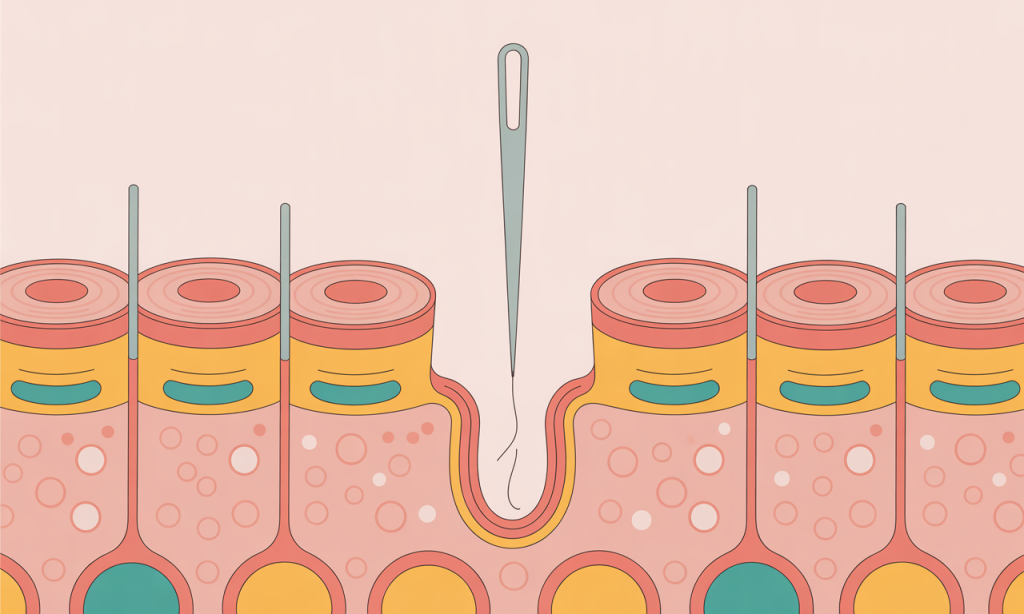
Some rolling scars are caused by fibrous bands pulling the skin down from underneath. No amount of laser or cream will fix this if the band isn’t cut.
Subcision is a minor surgical procedure in which a needle is inserted under the scar to slice these bands, allowing the skin to snap back into place.
Immediate Improvement
This is arguably the “fastest” fix for specific deep scars because the mechanical release is instant.
You will see a bruise for a week or so, but the depression in the skin is often visibly improved immediately after the swelling goes down. It is frequently combined with fillers to prop the scar up while it heals.
Frequently Asked Questions
Can I treat acne scars while I still have active acne?
It is generally recommended to treat active acne before treating scars.
Procedures like microneedling or laser treatments can spread bacteria from active cysts, leading to more breakouts.
However, some treatments, such as salicylic acid peels, can treat both simultaneously by exfoliating pores and fading marks.
How much does laser treatment for acne scars cost?
The cost varies widely by location and laser type, but you can expect to pay between $500 and $3,000 per session. Since multiple sessions are often needed, it is a significant investment.
However, the results are permanent, which many find worth the cost compared to years of buying ineffective creams.
Do acne scar creams actually work?
Over-the-counter creams can work well for discoloration (dark spots) but are largely ineffective for pitted, textural scars.
Ingredients like retinoids, vitamin C, and silicone can help flatten raised scars or fade pigment, but they cannot fill in a deep ice-pick or boxcar scar. For those, professional treatment is necessary.
Is microneedling painful?
Microneedling involves needles, so there is some sensation, but it is usually not painful.
A topical numbing cream is applied 30-45 minutes before the procedure, making it very tolerable. You may feel a vibration or a scratching sensation, particularly on bony areas like the forehead.
How long do I have to wait to see results from Vitamin C?
You can start to see a brightening effect and a reduction in redness within 4 to 6 weeks of daily use.
Significant fading of dark hyperpigmentation spots typically takes about 12 weeks of consistent application. It is a long-term maintenance product rather than an overnight miracle.
Can I use retinol and Vitamin C together?
Yes, but generally not at the same time. A typical effective routine is to use Vitamin C in the morning (to protect from sun damage) and Retinol at night (to repair and resurface).
Mixing them directly can irritate and destabilize Vitamin C, rendering it less effective.
What is the difference between hyperpigmentation and scarring?
Hyperpigmentation is a flat, dark (brown or red) mark left on the skin, which is purely a color change.
True scarring involves a change in the texture of the skin—either a depression (atrophic) or a raised bump (hypertrophic).
Hyperpigmentation will eventually fade on its own; true scars usually require treatment to improve.
Does drinking water help acne scars?
Hydration is essential for overall skin health and can make skin look plumper, temporarily minimizing the appearance of shallow scars.
However, drinking water alone will not break down scar tissue or fill in deep pits. It is a supportive habit, not a corrective treatment.
Are there any natural remedies for acne scars?
While ingredients like aloe vera, honey, and rosehip oil have healing properties, their ability to fix deep acne scars is limited.
They are excellent for soothing inflammation and keeping skin hydrated, which supports the healing process, but they cannot replicate the collagen-inducing effects of lasers or needles.
Why do my scars look worse as I get older?
As we age, we naturally lose collagen and skin elasticity. This loss of volume can make existing indentations and scars appear more pronounced than they did in our youth.
Treatments that boost collagen, such as microneedling or lasers, are effective anti-aging treatments that also improve scar appearance.
Conclusion
The journey to clear skin is not a sprint, but with these seven acne scar fixes fast, it doesn’t have to be a marathon with no finish line.
By identifying your specific scar type and pairing powerful professional treatments like lasers or microneedling with diligent home care like retinoids and Vitamin C, you can see dramatic improvements in months, not years.
You do not have to live with the ghosts of past breakouts. Take control of your skin story today. Explore more evidence-based nutrition guides to optimize your health and wellness on the Skin & Hair Care page.