The arrival of a newborn is often accompanied by a whirlwind of advice about feeding the baby, but rarely enough about feeding the mother.
In my six decades of postpartum care experience, I have seen countless women prioritize their infant’s nutrition while surviving on coffee and leftover toast.
This oversight is a critical mistake. Implementing 5 vital postpartum nutrition tips is not just about losing “baby weight”; it is about providing the essential building blocks your body needs to repair tissues, balance hormones, and produce milk.
Your nutritional needs during the fourth trimester are actually higher than during pregnancy in many specific areas. You are recovering from a major physiological event—effectively an internal wound—while simultaneously fueling a rapid growth spurt for your infant if you are breastfeeding. Without adequate fuel, you risk depletion, fatigue, and slower healing.
My goal is to simplify the science into practical, actionable strategies that fit into your chaotic new life. Let’s explore the five nutritional pillars that will help you rebuild your strength and thrive in early motherhood.
1. Prioritize Tissue Repair with Protein and Collagen
The Building Blocks of Healing
Whether you had a vaginal delivery or a C-section, your body has significant healing to do. Protein is the non-negotiable macronutrient required to repair the uterus, perineal tissues, and abdominal muscles. Aim for protein at every single meal—eggs, greek yogurt, lean meats, or legumes.
- Collagen Connection: Collagen is specifically vital for rebuilding connective tissue and skin elasticity.
- Vitamin C Synergist: Always pair collagen-rich foods (like bone broth or skin-on fish) with Vitamin C (like berries or citrus) to maximize absorption.
Easy Protein Hacks
You don’t need to cook a steak dinner to get your protein. Keep hard-boiled eggs in the fridge for a one-handed snack. Add a scoop of high-quality collagen peptides to your morning oats or smoothie. These small additions provide the amino acids glycine and proline, which are essential for wound healing.
2. Master Hydration for Energy and Milk Supply
The Fluid Equation
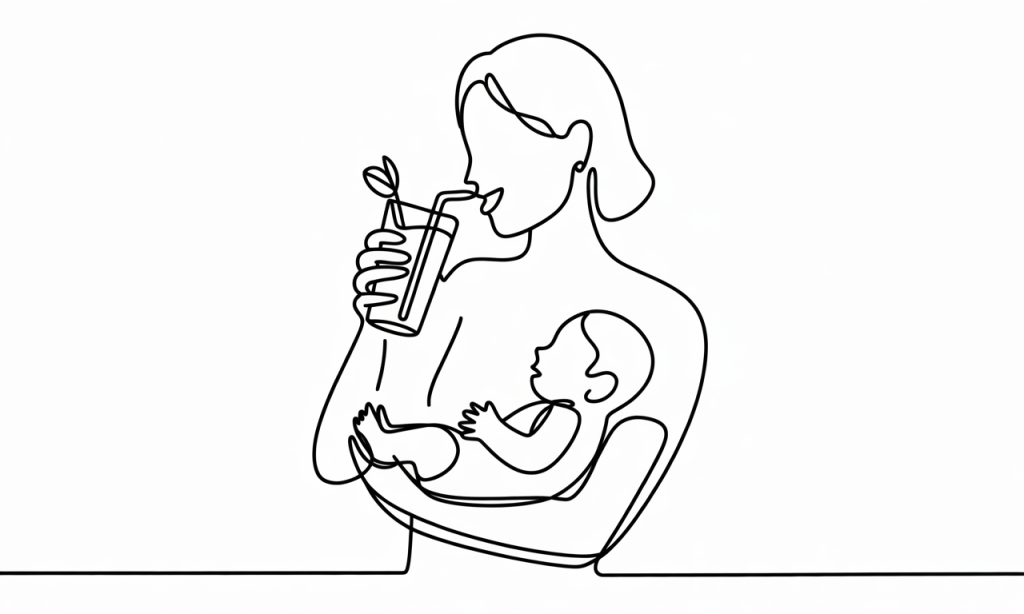
Dehydration is a leading cause of postpartum fatigue and headaches. If you are breastfeeding, your fluid needs increase significantly because breast milk is about 88% water. You lose roughly 25 ounces of fluid daily just through nursing. Even if you aren’t nursing, your body needs extra water to flush out the excess fluids retained during pregnancy (edema).
Strategic Drinking Habits
Relying on thirst alone isn’t enough; by the time you feel thirsty, you are already mildly dehydrated.
- The Nursing Rule: Drink a large glass of water every single time you sit down to feed the baby.
- Electrolytes Matter: Plain water is great, but adding electrolytes (sodium, potassium, magnesium) helps your body absorb the fluid better. Coconut water or a pinch of sea salt and lemon in your water bottle can make a huge difference.
- Warm It Up: In many cultures, warm beverages are preferred for postpartum recovery to aid digestion. Herbal teas like chamomile or fenugreek are excellent choices.
3. Replenish Depleted Micronutrients
The “Big Four” for Moms
Pregnancy and birth strip your body of specific nutrient stores that must be replaced to prevent exhaustion and mood dips.
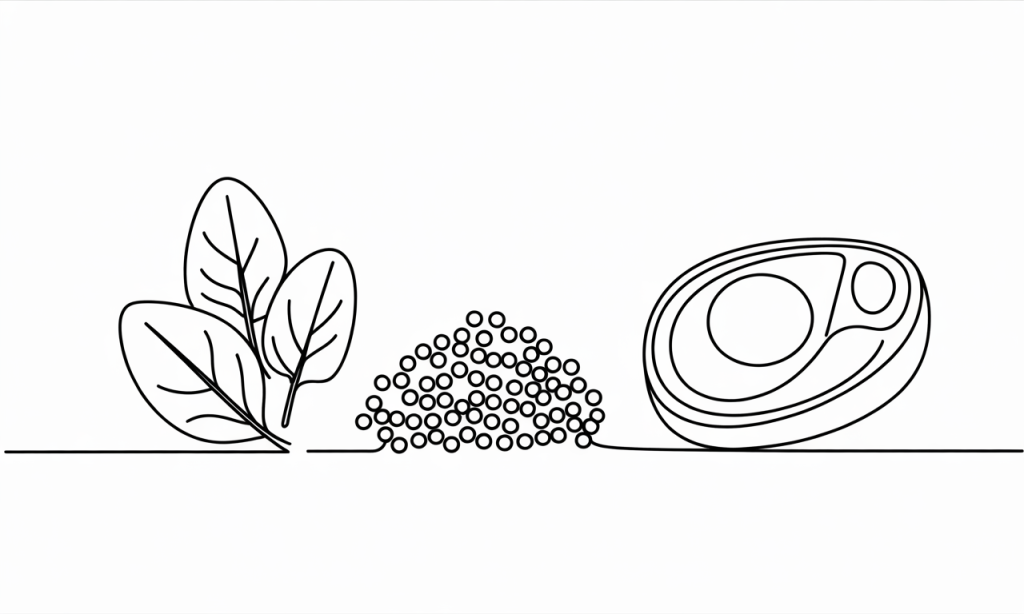
- Iron: Blood loss during birth makes iron deficiency common. Focus on red meat, spinach, and lentils to rebuild your red blood cells.
- Choline: Critical for brain health (yours and baby’s). Eggs are the best source.
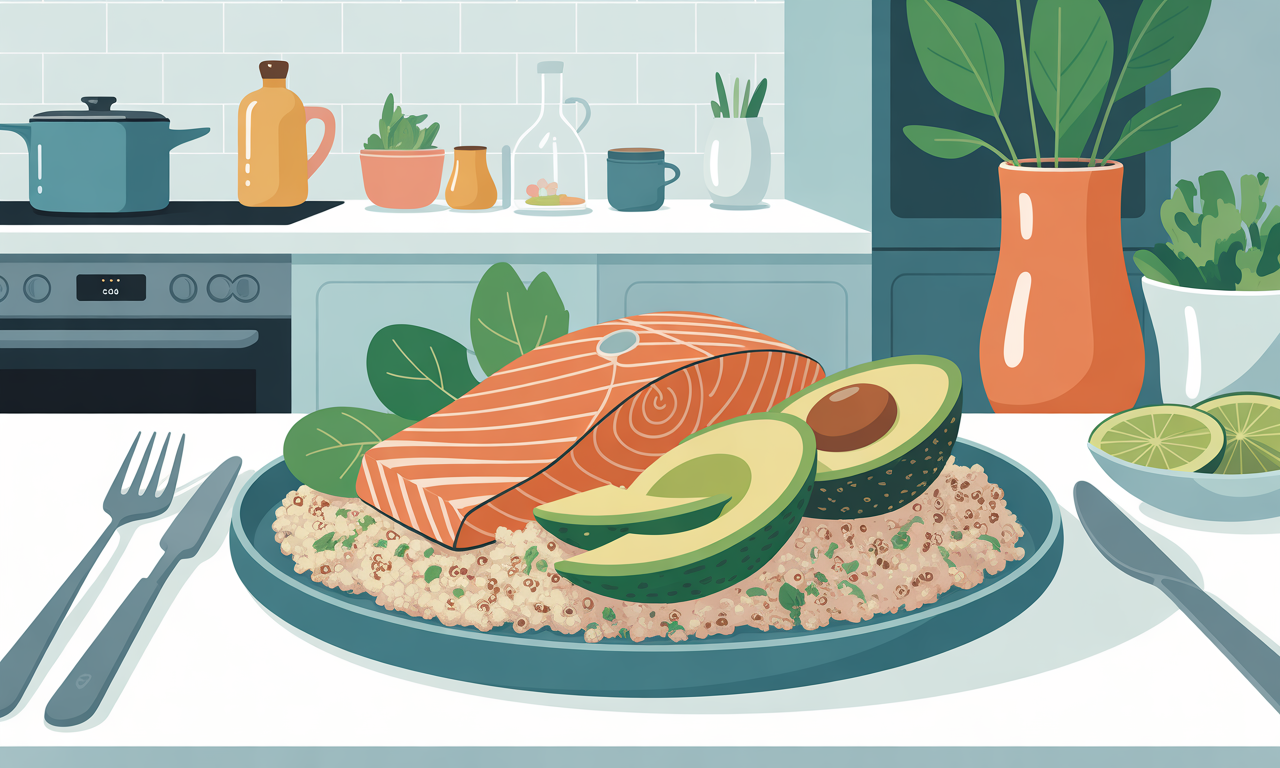
- DHA/Omega-3s: Essential for fighting postpartum depression and supporting infant brain development. Fatty fish like salmon or algae supplements are key.
- Zinc: Vital for immune function and wound healing.
Continue Your Prenatal Vitamin
Do not throw away your prenatal vitamins after birth. Most obstetricians recommend continuing them or switching to a specialized postnatal vitamin for at least the first six months. These supplements act as an insurance policy, filling in the gaps on days when your diet isn’t perfect.
4. Embrace “Warming” and Digestible Foods
Support Sluggish Digestion
After birth, your digestion is naturally slower due to hormonal shifts and the physical space changes in your abdomen. Cold, raw foods like crunchy salads can sometimes be hard to break down, leading to bloating and gas.
- Focus on Warmth: Opt for soups, stews, roasted root vegetables, and oatmeal. These are “pre-digested” by the cooking process, making it easier for your body to absorb nutrients without expending extra energy.
- Healthy Fats: Incorporate avocados, olive oil, and ghee. These lubricate the digestive tract and provide concentrated calories for energy.
Foods to Limit
While you generally don’t need a restrictive diet, some foods can cause discomfort for both you and a breastfeeding infant.
- Excess Caffeine: Can lead to jitters and interrupt your precious sleep windows.
- Highly Processed Snacks: High-sugar, low-nutrient foods give you a quick spike but lead to a crash that worsens fatigue.
- Gas-Inducing Veggies: For some, heavy amounts of broccoli, cabbage, or beans might cause temporary discomfort.
5. Implement “Batch” and “Stash” Meal Prep
The Freezer is Your Best Friend
The reality of the 5 vital postpartum nutrition tips is that you will have zero desire to cook. Preparation is your lifeline. Before baby arrives (or asking a helper now), stock your freezer with nutrient-dense, one-handed meals.
- Energy Bites: “Lactation bites” made with oats, flaxseed, and brewer’s yeast are perfect for midnight hunger pangs.
- Soup Cubes: Freeze bone broth or pureed soups in silicone trays for single-serve portions that reheat in seconds.
- Breakfast Burritos: Eggs, beans, and cheese wrapped in tortillas can be frozen and microwaved for a high-protein breakfast in 2 minutes.
Accept the Meal Train
When friends ask “What can I do?”, send them a specific recipe or a link to a meal train service. Don’t be shy about specifying “nutritious” meals. It is okay to say, “We would love a roasted chicken and veggies” instead of receiving five lasagnas.
Frequently Asked Questions
Do I really need to eat more calories while breastfeeding?
Yes, breastfeeding burns an additional 300 to 500 calories per day, which is even more than you needed during the third trimester of pregnancy. If you don’t consume enough, your body will tap into your own nutrient reserves to maintain the quality of your milk, leaving you depleted and exhausted. Listen to your hunger cues and add nutrient-dense snacks.
What are the best foods to increase milk supply?
Galactagogues are foods that may help boost milk production. Common effective options include oats, flaxseeds, brewer’s yeast, and fennel. However, the most proven way to increase supply is frequent nursing and staying well-hydrated. These foods are helpful additions but work best alongside a solid feeding schedule.
Can I drink coffee while breastfeeding?
Yes, moderate caffeine intake (usually defined as 200-300 mg per day, or about 2-3 cups of coffee) is generally considered safe. However, some babies are more sensitive to caffeine and may become fussy or have trouble sleeping. Watch your baby’s behavior; if they seem jittery, try cutting back or timing your coffee right after a feed.
How long should I take postnatal vitamins?
It is recommended to continue taking a prenatal or postnatal vitamin for as long as you are breastfeeding, or at least for the first 6 months postpartum if you are not. This ensures you are replenishing the stores of iron, calcium, and Vitamin D that were depleted during pregnancy. Consult your doctor for a specific timeline based on your blood work.
Why am I so hungry all the time?
Your body is working overtime to heal from birth and produce milk, both of which are energy-intensive processes. The hormone prolactin, which stimulates milk production, also stimulates appetite. Honor this hunger with protein and healthy fats rather than empty sugars to keep your energy stable.
Is it safe to diet to lose baby weight immediately?
No, extreme dieting in the early postpartum period can hinder your recovery and reduce your milk supply. Your body needs adequate calories to heal tissues. Focus on nutrient density—eating better, not less—and wait until you have established a routine and recovered physically (usually 6-8 weeks) before actively trying to lose weight.
What nutrients help with postpartum hair loss?
Postpartum hair loss is hormonal, but poor nutrition can make it worse. Ensure you are getting enough protein, iron, zinc, and biotin. Collagen supplements may also support hair and skin health during this transition. Be patient; this phase is temporary and usually resolves by your baby’s first birthday.
Can dairy cause gas in my breastfed baby?
For a small percentage of babies, the proteins in cow’s milk (which pass into breast milk) can cause an allergic reaction or sensitivity, leading to fussiness, gas, or bloody stools. If you suspect this, try eliminating dairy for 2-3 weeks to see if symptoms improve. However, for most babies, maternal dairy intake is perfectly fine.
What are “warming foods” and why are they recommended?
In Traditional Chinese Medicine and Ayurveda, postpartum is considered a “cold” state due to blood loss and energy expenditure. “Warming foods” like soups, ginger, oats, and roasted root vegetables are believed to improve circulation and digestion. Scientifically, cooked foods are generally easier to digest, which is helpful when your system is sluggish.
How much water should I really drink?
Aim for about 8 to 10 cups (2-2.5 liters) of fluid daily, and more if you are thirsty or sweating. A good rule of thumb is to check your urine; it should be pale yellow. If it’s dark, you need to drink more. keeping a large water bottle at your nursing station is a simple way to stay on track.
Conclusion
Nourishing yourself is one of the most powerful acts of love you can perform for your baby. By following these 5 vital postpartum nutrition tips—prioritizing protein, staying hydrated, replenishing micronutrients, choosing digestible foods, and prepping ahead—you are ensuring that the “engine” of your family remains strong and resilient.
You cannot pour from an empty cup. Fill yours with good food, plenty of water, and a lot of grace. Explore more evidence-based nutrition guides to optimize your health and wellness on the Postpartum Care page.