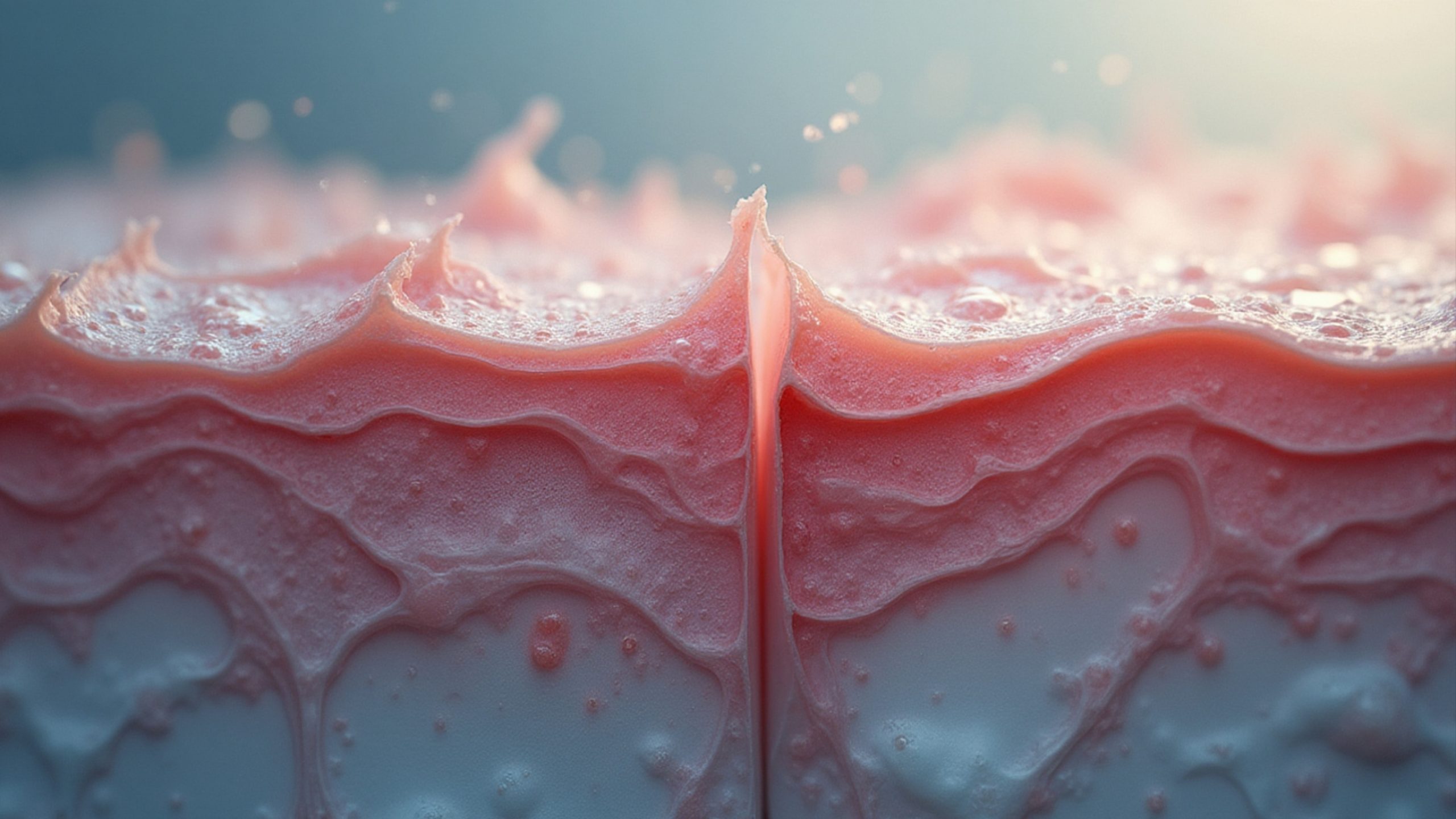
If your face feels tight, stings easily, or breaks out for no apparent reason, these may be early signs that your skin barrier is damaged. Your skin barrier is the outermost layer of your skin that locks in moisture and keeps irritants, germs, and pollution out. When it is weakened, you can develop dryness, redness, flaking, and sensitivity that do not seem to go away.
Understanding the must-know signs your skin barrier is damaged helps you act early, before irritation spirals into chronic issues like eczema or long-lasting redness. Research links barrier dysfunction with increased transepidermal water loss (TEWL), inflammation, and a higher risk of skin disorders. This guide breaks down 11 clear warning signs, explains why they occur, and offers simple ways to support healthy, resilient skin.
Skin Barrier Basics You Should Know
What the skin barrier does
The skin barrier (mainly the stratum corneum) works like a protective wall made of skin cells and lipids that prevent water from escaping and block harmful substances from entering. When this wall is intact, your skin feels comfortable, hydrated, and less reactive.
This barrier also helps protect you from environmental allergens, microbes, and pollution. Damage increases the risk of irritation, infection, and inflammation.
Why does the barrier get damaged?
Many everyday habits can slowly weaken your barrier. Common triggers include:
- Over-exfoliating with scrubs or strong acids
- Using harsh, high-pH cleansers that strip oils
- Hot showers and low-humidity environments
- Using too many potent actives at once (retinoids, acids, benzoyl peroxide)
Chronic skin conditions like eczema and psoriasis also involve barrier dysfunction, creating a cycle of dryness and inflammation.
TEWL: A key barrier signal
Transepidermal water loss (TEWL) measures how much water evaporates from your skin into the air. High TEWL levels indicate your barrier is struggling to retain moisture, which often manifests as dryness, flaking, and sensitivity.
Studies link increased TEWL to dry, flaky, and sensitive skin, as well as to conditions such as atopic dermatitis. You do not need a lab test to suspect high TEWL—your daily skin symptoms can tell you a lot.
11 Must-Know Signs Your Skin Barrier Is Damaged
1. Constant dryness and tightness
One of the most common signs your skin barrier is damaged is persistent dryness that does not improve with regular moisturizer. Your skin may feel tight after cleansing, look dull, and “drink up” products very quickly.
This often reflects increased TEWL and reduced natural lipids in the outer skin layer. If your face feels tight most of the day, your barrier likely needs support.
2. Flakiness and rough texture
Flaky patches and rough, sandpaper-like areas are classic warning signs of a barrier. When the outer layer becomes disrupted, dead skin cells do not shed smoothly, leading to visible scales and uneven texture.
Dermatology research links these surface changes with underlying lipid imbalance and impaired barrier repair. This is especially common after over-exfoliating or using potent actives too often.
3. Redness and visible inflammation
Frequent redness—especially around the nose, cheeks, and chin—can signal barrier dysfunction. When your protective layer is weakened, irritants and allergens penetrate more easily, triggering inflammation.
Studies show that barrier disruption can trigger or worsen inflammatory skin diseases such as atopic dermatitis. If your skin often looks flushed or blotchy, it may be reacting to everyday triggers it once tolerated.
4. Burning, stinging, or itching
If basic skincare products suddenly sting, burn, or itch, that is a big clue your barrier is not okay. Even gentle cleansers or moisturizers can feel uncomfortable when your outer layer is compromised.
Dermatology sources highlight that increased stinging and burning are hallmarks of sensitive or damaged skin with elevated TEWL. This is your skin’s way of telling you it needs a break from aggressive products.
5. Sudden increase in sensitivity
Maybe your skin used to “tolerate anything,” but now reacts to weather changes, hot water, or fragrances. This jump in sensitivity is a key sign that your skin barrier is damaged.
Research shows that both “self-perceived sensitive skin” and clinically sensitive skin often share barrier issues and increased TEWL. When your barrier is thin or disrupted, standard triggers can feel extreme.
6. More frequent breakouts and bumps
A weakened barrier can lead to more acne, small bumps, and clogged pores. When the surface is dry and compromised, your skin may overproduce oil to compensate, which can clog pores.
Barrier damage also alters your skin microbiome, giving harmful bacteria more opportunity to grow. If you have both dryness and breakouts at the same time, suspect barrier dysfunction, not just “oily skin.”
7. Slow healing and lingering marks
If minor cuts, pimples, or irritation marks take a long time to heal, your barrier may not be doing its job. Healthy skin usually repairs minor injuries fairly quickly.
Repeatedly stressed barriers have fewer resources to rebuild and can remain inflamed longer. This can also lead to post-inflammatory hyperpigmentation in darker skin tones.
8. Dull, “flat” looking skin
Barrier damage often shows up as dull, tired-looking skin with less natural glow. When moisture constantly leaks out and the surface is rough, light does not reflect evenly.
Studies note that impaired barrier function is closely tied to decreased hydration and visible roughness. Restoring lipids and hydration usually brings back a more radiant appearance.
9. Patches of discoloration
Uneven tone and patchy discoloration can also be signs that your skin barrier is damaged. Chronic irritation and inflammation can,, over tim,e, stimulate pigment changes, especially in deeper skin tones.
Experts note that repeated barrier stress and micro-inflammation contribute to both redness and hyperpigmented spots. If your tone is becoming more uneven and you’re also more sensitive, your barrier likely needs care.
10. Itchy, uncomfortable skin
Itching is a common symptom in conditions associated with barrier dysfunction, such as dry skin and eczema. When your outer layer is leaky, nerves become more easily triggered, leading to itch and discomfort.
Scratching then further damages the barrier, creating a cycle of irritation. Persistent itch without a clear cause is a good reason to simplify your routine and consider professional advice.
11. Skin infections or flare-ups
In more severe cases, a damaged barrier may make you more prone to skin infections and flare-ups of existing conditions. Microcracks in the surface can make it easier for bacteria, fungi, or viruses to enter.
The medical literature stresses that substantial barriers are crucial for defending against pathogens and allergens. If you get frequent rashes or infections, a dermatologist can check for underlying barrier disorders.

Common Causes Behind a Damaged Skin Barrier
Everyday skincare mistakes
Some of the most significant barrier stressors come from well-meaning skincare habits. Examples include:
- Cleansing more than twice daily with harsh products
- Layering too many potent actives (retinoids, acids, strong vitamin C)
- Using rough physical scrubs or cleansing brushes often
These habits strip natural oils, raise skin pH, and disrupt regular barrier repair.
Environment, lifestyle, and stress
Cold, dry air and indoor heating increase TEWL and worsen dryness. Long, hot showers and low humidity further weaken the barrier.
Lack of sleep, chronic stress, and poor diet can also affect skin repair and inflammation pathways. Some studies even show nutrition plays a role in barrier resilience and eczema risk.
Skin conditions linked to barrier issues
Several common skin conditions involve barrier dysfunction at their core. These include:
Research shows that in these conditions, changes in lipids, proteins, and cell differentiation all combine to weaken the barrier. Working with a dermatologist is essential if you suspect an underlying disease.
Quick At-Home Check: Is Your Barrier Struggling?
Symptom checklist for damaged barrier
Use this simple checklist to see whether multiple signs align with what you feel. In the last 2–4 weeks, have you noticed:
- Persistent dryness or tightness after washing?
- Flaky patches or rough texture?
- Increased redness or burning with everyday products?
- Itchiness or a”“ho”” feeling on the skin?
- More breakouts while also feeling dry?
The more boxes you check, the higher the chance your barrier needs attention.
When to see a dermatologist
See a dermatologist if:
- Symptoms are severe, painful, or sudden
- You have open sores, oozing, or signs of infection
- Home care and gentle products are not helping after 2–4 weeks
Dermatologists can test for underlying conditions, guide treatment, and recommend evidence-based products or prescriptions.
Simple tests you can try.
While TEWL devices are clinic tools, you can watch for everyday”“test”” at home:
- Does your skin stay red more than 30 minutes after a shower or cleanse?
- Do gentle products suddenly sting or itch?
- Does your skin look shiny, tight, or”“plastick”” after repeated exfoliation?
These clues, along with the 11 must-know signs, paint a clear picture of how your barrier is performing.

How to Support and Protect a Damaged Skin Barrier
Build a gentle, minimal routine
Most experts agree that”“less is mor”” when it comes to barrier repair. A simple, fragrance-free routine might look like:
- Morning:
- Creamy, gentle cleanser (or rinse with water)
- Hydrating serum (optional)
- Barrier-supporting moisturizer
- Broad-spectrum SPF 30+
- Evening:
- Gentle cleanse
- Soothing hydrating serum (optional)
- Rich, ceramide-based moisturizer
This kind of routine focuses on hydration, lipids, and protection, not aggressive treatments.
Ingredients that help repair
Research supports several ingredient groups for barrier repair:
- Ceramides, cholesterol, fatty acids to replenish lipids
- Humectants like glycerin and hyaluronic acid draw in water
- Niacinamide to improve barrier function and reduce sensitivity
- Soothing botanicals such as centella asiatica or oat extracts
Clinical studies show that moisturizers containing ceramides and barrier proteins can improve hydration, reduce inflammation, and restore structure after chemical damage.
Habits to stop right now
When you see clear signs your skin barrier is damaged, stop:
- All exfoliating acids and scrubs until the skin calms
- Harsh foaming cleansers and strong fragrances on the face
- Very hot water on the face and long, steamy showers
- Adding new activities or”“trying everything at once””
Give your skin at least a few weeks of gentle care before slowly reintroducing any stronger products.
FAQs: Damaged Skin Barrier (10 Questions)
1. What is the skin barrier, and why is it important?
The skin barrier is the outermost layer of your skin, made of tightly packed cells and lipids that keep moisture in and harmful substances out. It acts as yourbody’ss first line of defense against allergens, bacteria, pollution, and irritants. When it works well, your skin feels soft, hydrated, and comfortable. When it is damaged, you can develop dryness, redness, itch, and a higher risk of irritation and infection.
2. What are the most common signs that my skin barrier is damaged?
Common signs your skin barrier is damaged include persistent dryness, tightness, flaking, redness, itching, and burning with standard products. You might also notice increased sensitivity, more breakouts, slow healing, and dull or uneven tone. These symptoms reflect increased water loss from the skin and easier access for irritants and allergens. If several of these signs appear at the same time, it is a strong clue that your barrier needs support.
3. How long does it take to repair a damaged skin barrier?
For mild barrier damage, many people notice improvement within 2–4 weeks of switching to gentle, supportive products. More severe or long-standing damage linked to conditions like eczema or psoriasis may take several months and often requires medical guidance. The exact timeline depends on how long the barrier has been stressed, your genetics, and your routine. Consistency with a minimal, hydrating routine and daily sun protection is more critical than using many products.
4. Can over-exfoliating damage my skin barrier?
Yes, over-exfoliating is one of the fastest ways to damage your barrier. Frequent use of strong acids, scrubs, or cleansing brushes strips away protective lipids and disrupts the outermost layer of the skin. This raises TEWL and can cause dryness, redness, stinging, and flaking. Dermatology and skincare resources recommend stopping all exfoliation when these signs appear and focusing on moisturizers rich in ceramides and fatty acids.
5. How do I know if my skin is just dry or if the barrier is damaged?
Dry skin often improves when you use a richer moisturizer or adjust your environment, while a damaged barrier keeps feeling dry, tight, and reactive even with good products. With barrier damage, you are more likely also to notice burning, itching, redness, and sensitivity to products you previously tolerated. Research links this combination to increased TEWL and altered lipid levels, not just a lack of moisture. If dryness is accompanied by stinging and frequent irritation, treat it as a barrier issue.
6. What products help repair a damaged skin barrier?
Products that help repair a damaged skin barrier usually focus on hydrating and replenishing lipids instead of stripping or aggressively treating. Look for gentle, fragrance-free cleansers; moisturizers with ceramides, cholesterol, and fatty acids; and serums with ingredients like glycerin, hyaluronic acid, and niacinamide. Clinical and model studies show that these formulations improve hydration, reduce inflammatory markers, and restore barrier function. Sunscreen is also crucial to protect healing skin from UV damage.
7. Should I stop using retinoids and acids if my barrier is damaged?
If you are showing clear signs that your skin barrier is damaged—like burning, flaking, and sensitivity—it is wise to temporarily pause retinoids and exfoliating acids. These active ingredients can be helpful long term, but are often too strong for already-compromised skin. Experts and skincare guidelines suggest focusing on gentle cleansing, rich moisturizers, and SPF until your skin feels calm and resilient again. Once your barrier recovers, you can slowly reintroduce activities one at a time at low frequency.
8. Can a damaged skin barrier cause acne and breakouts?
Yes, a compromised barrier can contribute to more breakouts and bumps, even if your skin also feels dry. When the surface is dehydrated, your skin may produce extra oil to compensate, which can clog pores. Barrier damage can also disturb the skin microbiome, giving acne-causing bacteria more opportunity to grow. If you have both sensitivity and acne, targeting barrier repair often improves both.
9. When should I see a dermatologist for skin barrier problems?
You should see a dermatologist if the symptoms are severe or painful, or if they are not improving after several weeks of gentle home care. Warning signs include open cracks, oozing, frequent infections, or a very intense itch that interferes with sleep. A professional can assess for underlying conditions such as eczema, psoriasis, or allergies and create a customized treatment plan. They can also recommend prescription creams or advanced moisturizers with proven barrier benefits.
10. How can I prevent my skin barrier from getting damaged again?
To prevent future barrier damage, keep your routine simple, consistent, and gentle. Use a mild cleanser, a barrier-supporting moisturizer, and sunscreen every day, and limit potent actives or exfoliation to a schedule your skin can tolerate. Avoid harsh scrubs, high-foaming cleansers, and very hot water, which all increase TEWL and strip lipids. Protecting your skin from UV, cold, and dry air, plus supporting overall health with sleep and balanced nutrition, also helps keep your barrier strong.

Conclusion
Recognizing the 11 must-know signs your skin barrier is damaged—like persistent dryness, redness, stinging, flaking, and sudden sensitivity—helps you act before minor issues turn into long-term skin problems. Science shows that when this protective layer is compromised, TEWL increases, inflammation rises, and your risk of irritation, infection, and chronic skin disease increases.
The good news is that your skin has built-in repair systems that work well when you stop overloading it and focus on gentle, barrier-supporting care. A simple routine with mild cleansing, lipid-rich moisturizers, soothing ingredients, and daily sun protection can gradually restore comfort and resilience. If your symptoms are severe or persistent, a dermatologist can help you build a personalized, evidence-based plan.
Explore more evidence-based nutrition guides to optimize your health and wellness on the Beauty & Self-Care page.