Restoring Balance: A Practical Guide for Every Woman
In my six decades of studying endocrine health, I have witnessed trends come and go, but the fundamental truth remains: your body has an innate intelligence to heal when given the right tools.
If you are feeling constantly fatigued, battling stubborn weight gain, or riding an emotional rollercoaster, you are likely dealing with a hormonal mismatch.
The good news is that you don’t need complicated protocols to find relief. By following 3 simple steps to reset your hormones, you can gently guide your body back into a state of equilibrium.
These steps focus on the core pillars of health—nutrition, rest, and stress resilience—which modern life often disrupts. Whether you are navigating the busy years of early adulthood or the transitions of perimenopause, these evidence-based strategies are designed to be sustainable and effective.
Step 1: Nourish Your Body to Stabilize Blood Sugar
Prioritize Protein and Healthy Fats
The first step to resetting your hormones is stabilizing your blood sugar. When your glucose levels spike and crash, your body releases insulin and cortisol, creating a hormonal storm that leads to inflammation and fat storage. To prevent this, anchor every meal with high-quality protein and healthy fats.
Protein provides the amino acids necessary for hormone synthesis, while healthy fats like avocados, nuts, and olive oil signal satiety to your brain. This combination slows down the absorption of sugar, keeping your energy stable and your insulin levels in check.
Embrace Fiber-Rich Foods
Fiber is your secret weapon for hormonal detoxification. It binds to excess estrogen and toxins in your gut, ensuring they are eliminated from your body rather than reabsorbed. Cruciferous vegetables like broccoli, cauliflower, and kale are particularly effective because they contain compounds that support liver detoxification pathways.
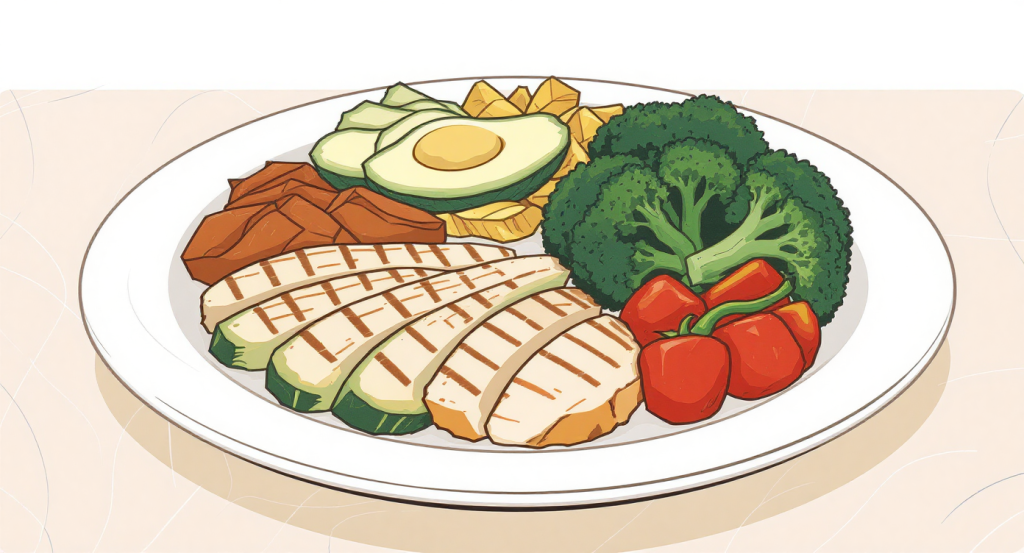
Aim for 25-35 grams of fiber daily from a variety of sources including vegetables, berries, legumes, and seeds. This simple dietary shift can profoundly impact your estrogen metabolism and gut health.
Hydrate for Cellular Health
Water is essential for transporting hormones throughout your body and facilitating metabolic processes. Dehydration can mimic hunger signals and elevate stress hormones, further confusing your endocrine system. Aim to drink half your body weight in ounces of water daily.
Adding electrolytes or a pinch of sea salt can help your cells absorb water more efficiently, supporting adrenal function. Herbal teas like spearmint or chamomile also count toward your hydration goals while offering additional therapeutic benefits.
Step 2: Optimize Your Circadian Rhythm for Restorative Sleep
Morning Light Exposure
Your hormones operate on a 24-hour cycle known as the circadian rhythm. Resetting this clock starts the moment you wake up. Exposing your eyes to natural sunlight within 30 minutes of rising signals your brain to produce serotonin and halt melatonin production.
This morning light sets the timer for your sleep hormone release later that night. Even on cloudy days, the natural light intensity outdoors is far superior to indoor lighting for regulating your biological clock.
Create a Digital Sunset
Blue light from screens suppresses melatonin, the hormone responsible for deep, restorative sleep. Disrupted sleep elevates cortisol the next day, creating a vicious cycle of fatigue and stress. Establishing a “digital sunset”—turning off electronic devices one to two hours before bed—allows your melatonin levels to rise naturally.
Engage in calming activities during this time, such as reading a physical book, taking a warm bath, or gentle stretching. These cues tell your body it is safe to unwind and prepare for rest.
IMAGE 3: Bedroom with warm lighting
Alt text: A cozy bedroom scene with a book and warm lamp, illustrating a digital sunset routine.
Caption: Reducing blue light exposure in the evening supports natural melatonin production.
Description: A peaceful bedroom setting with a bedside lamp emitting a soft, warm glow, a closed laptop, and an open book on the nightstand.

Consistent Sleep Schedule
Going to bed and waking up at the same time every day regulates your cortisol rhythm. When your sleep schedule is erratic, your body stays in a state of “social jetlag,” which can disrupt ovulation and metabolism. Aim for 7-9 hours of quality sleep nightly.
If you struggle with consistency, start by adjusting your bedtime by 15 minutes every few days until you reach your goal. Consistency is more powerful than perfection when it comes to hormonal entrainment.
Step 3: Manage Stress to Lower Cortisol
Practice Mindful Movement
High-intensity exercise can sometimes backfire if you are already stressed, driving cortisol levels even higher. Instead, focus on “smart movement” that builds strength without burning you out. Activities like walking, yoga, pilates, and resistance training support hormonal health by improving insulin sensitivity and reducing inflammation.
Listen to your body’s signals. If you feel exhausted after a workout rather than energized, it may be time to dial back the intensity and focus on restorative movement.
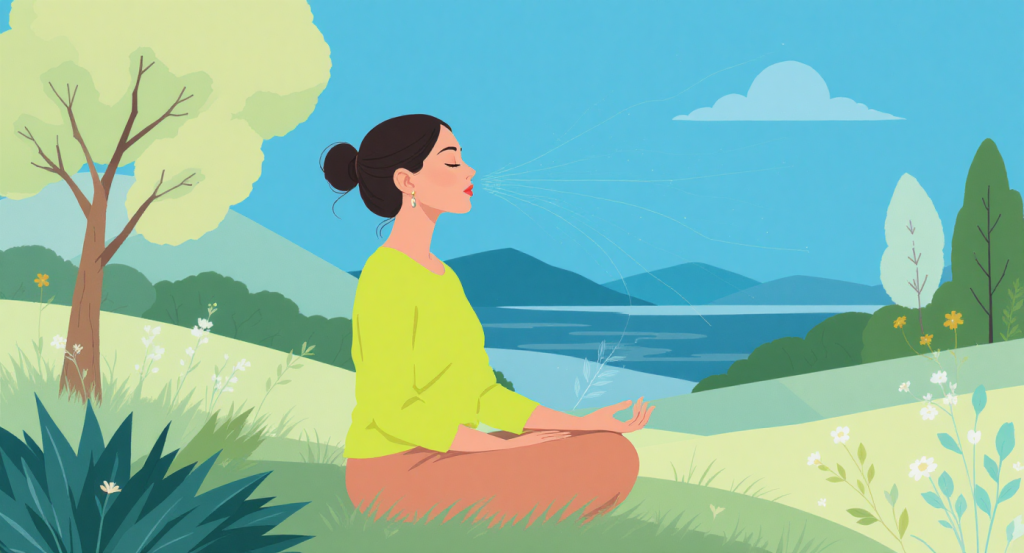
Incorporate Breathwork
Your breath is a direct remote control for your nervous system. Short, shallow breathing keeps your body in “fight or flight” mode, flooding your system with stress hormones. Simple practices like box breathing (inhale for 4, hold for 4, exhale for 4, hold for 4) can instantly shift you into a “rest and digest” state.
Dedicate just 5 minutes a day to conscious breathing. This small investment of time can significantly lower your baseline cortisol levels over weeks and months.
Prioritize Joy and Connection
Social isolation and lack of joy are perceived by the body as stressors. Oxytocin, the “love hormone” released during positive social interactions, helps buffer the effects of cortisol. Make time for friends, hobbies, and activities that make you laugh.
Even simple acts like petting a dog, hugging a loved one, or listening to your favorite music can trigger beneficial hormonal cascades. Joy is not just a luxury; it is a physiological necessity for hormonal balance.
Why a Hormone Reset Matters

The Modern Hormone Crisis
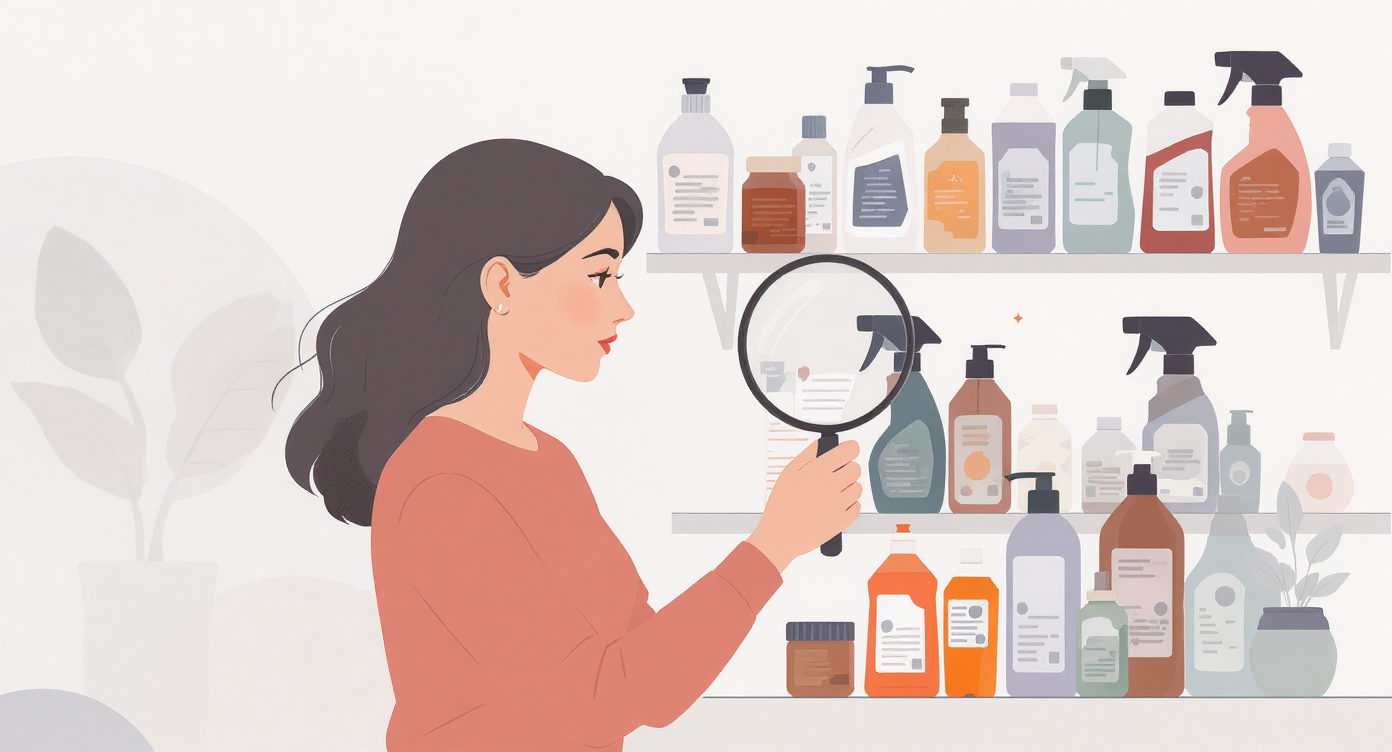
We live in an environment that is increasingly hostile to hormonal health. From endocrine-disrupting chemicals in our products to the chronic stress of 24/7 connectivity, our systems are under constant assault.
A reset isn’t about punishment; it’s about removing these interferences so your body can do what it does best.
Ignoring these signs can lead to long-term issues like thyroid dysfunction, adrenal fatigue, and reproductive challenges. Taking proactive steps now protects your future health.
Signs Your Hormones Are Resetting
As you implement these changes, pay attention to subtle shifts. You might notice your energy levels stabilizing throughout the day, your sleep becoming deeper, or your skin clearing up. These are all signs that inflammation is decreasing and your endocrine system is finding its rhythm.
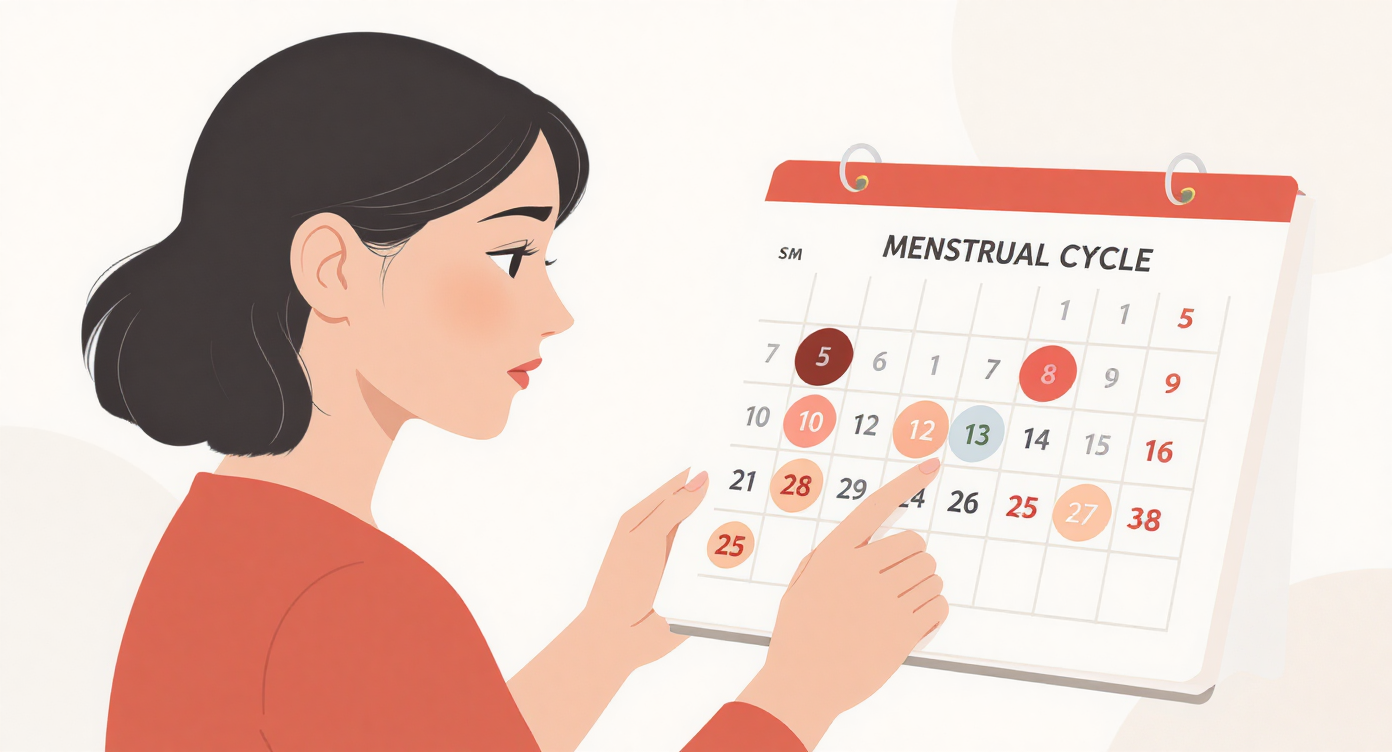
Your menstrual cycle may also become more regular and less painful. Celebrate these small victories—they are proof that your body is responding to your care.
Frequently Asked Questions
How long does it take to reset your hormones?
While individual timelines vary, most women begin to feel a difference in their energy and mood within 3 to 10 days of implementing lifestyle changes. For more significant hormonal shifts, such as regulating a menstrual cycle or reversing insulin resistance, it typically takes about three months, or three full cycles. Consistency with diet, sleep, and stress management is key to seeing lasting results.
Can I reset my hormones without medication?
Yes, for many women, lifestyle interventions are highly effective at restoring hormonal balance without pharmaceuticals.
Focusing on nutrient-dense foods, optimizing sleep, and managing stress addresses the root causes of imbalance rather than just masking symptoms. However, conditions like severe thyroid disorders may still require medical treatment alongside natural strategies.
What is the best diet for hormone reset?
A hormone-balancing diet emphasizes whole, unprocessed foods rich in protein, healthy fats, and fiber.
The Mediterranean diet is often cited as the gold standard because it includes anti-inflammatory foods like fatty fish, olive oil, and abundant vegetables. Avoiding sugar and highly processed foods is crucial for stabilizing insulin levels.
Does fasting help reset hormones?
Intermittent fasting can be beneficial for improving insulin sensitivity and metabolic health, but it must be approached with caution by women. Prolonged fasting can sometimes spike cortisol, which may disrupt reproductive hormones in sensitive individuals. A gentle approach, such as a 12-hour overnight fast, is generally safe and effective for most women.
How does stress affect my hormones?
Chronic stress triggers the release of cortisol, which “steals” resources from other hormone pathways, leading to imbalances in progesterone and thyroid hormones.
Over time, this can result in adrenal dysregulation, causing fatigue, weight gain, and sleep issues. Managing stress is arguably the most critical step in any hormone reset plan.
What are the signs of hormonal imbalance?
Common signs include persistent fatigue, unexplained weight gain (especially around the midsection), mood swings, irregular periods, and low libido.
Physical symptoms like hair loss, acne, and night sweats also point to endocrine disruption. Listening to these signals early can prevent more serious health issues down the road.
Can supplements help reset my hormones?
Certain supplements can support a hormone reset by filling nutrient gaps. Magnesium, B vitamins, and omega-3 fatty acids are foundational for endocrine health.
Adaptogens like ashwagandha and rhodiola can also help the body resist stress, though it is best to consult with a provider before starting any new regimen.
Why is sleep so important for hormones?
Sleep is when your body performs its deepest repair work and hormone regulation. Poor sleep disrupts the levels of ghrelin (hunger hormone) and leptin (satiety hormone), leading to cravings and weight gain. It also elevates cortisol, which perpetuates the cycle of imbalance.
Is exercise good for hormone balance?
Yes, regular movement helps regulate blood sugar and reduce excess estrogen, but the type of exercise matters.
While movement is essential, overtraining with high-intensity cardio can increase stress hormones. A mix of strength training, walking, and restorative practices like yoga is often best for hormonal health.
How do I know if my hormone reset is working?
You will know your reset is working when you wake up feeling refreshed, your energy remains steady throughout the day, and your cravings diminish.
Improved mental clarity, better mood stability, and a more regular menstrual cycle are also strong indicators of success. These physical cues are your body’s way of saying “thank you.”
Conclusion: Empowering Your Hormonal Health
Resetting your hormones doesn’t require a complex overhaul of your entire life. By focusing on 3 simple steps to reset your hormones—nourishing your body with stabilizing foods, prioritizing restorative sleep, and managing stress with intention—you can create a profound shift in your wellbeing. These practices are not just quick fixes; they are the foundation of a vibrant, healthy life that serves you for decades to come.
Your body is resilient and always working in your favor. Give it the support it needs, and it will reward you with energy, clarity, and balance. Start with one small change today, and watch how it ripples through your health journey.
Explore more evidence-based nutrition guides to optimize your health and wellness on the Hormone Health page.