
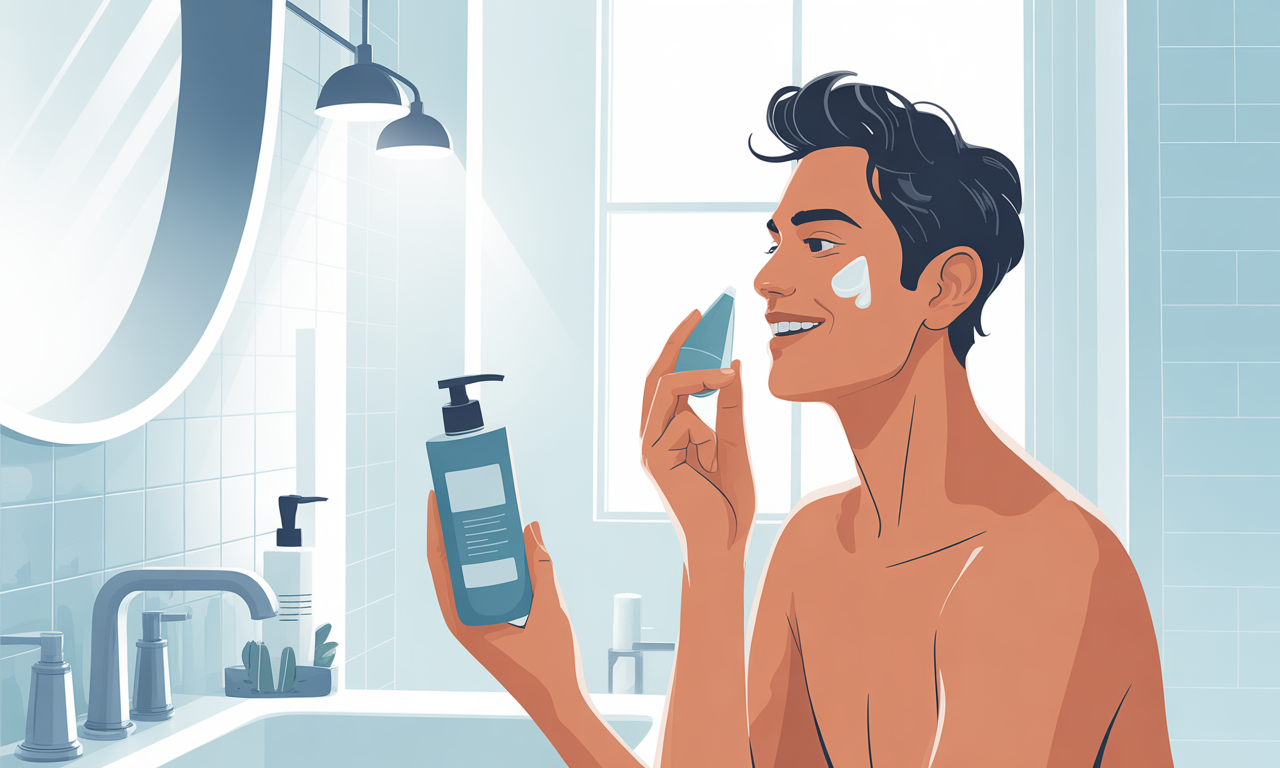
Your skin deserves more than a rushed splash of water every morning. A Simple Morning Skincare Routine transforms how you look and feel without stealing precious time from your day.
Most men skip proper skincare because they believe it requires complicated steps or expensive products, but that misconception costs them healthy, youthful-looking skin. The truth is simpler than you think.
With just three essential steps taking under five minutes, you can protect your skin from damage, prevent premature aging, and maintain a confident appearance that lasts all day long. This guide breaks down everything you need to build an effortless morning routine that delivers real results.
Why Men Need a Morning Skincare Routine
Men face unique skin challenges that demand daily attention. Male skin is approximately 25 percent thicker than female skin due to higher testosterone levels, which triggers increased sebum production and larger pores. This biological difference makes men more prone to oiliness, acne breakouts, and visible pore congestion throughout the day.
Daily shaving creates additional stress on facial skin. The razor blade removes not just hair but also the protective outer layer of skin cells with each pass. This mechanical exfoliation leaves skin vulnerable to irritation, inflammation, and bacterial invasion if not properly cared for afterward.
Environmental aggressors attack your skin constantly. UV radiation, air pollution, and free radicals damage skin cells and accelerate aging by breaking down collagen and elastin fibers. Without protection, these factors cause premature wrinkles, dark spots, and sagging skin that adds years to your appearance.
The Cost of Neglecting Skin Health
Ignoring skincare creates long-term consequences that become harder to reverse with age. Sun damage accumulates silently over decades, eventually manifesting as leathery texture, deep wrinkles, and potentially dangerous skin cancers.
The American Academy of Dermatology emphasizes that men develop skin cancer at higher rates than women, partly due to inadequate sun protection habits. Dehydrated skin produces excess oil to compensate for moisture loss.
This overproduction clogs pores and creates a breeding ground for acne-causing bacteria. The cycle continues until you address the underlying hydration problem with proper moisturizing techniques.
Time Investment Versus Long-Term Benefits
A Simple Morning Skincare Routine requires minimal time commitment for maximum returns. Clinical studies demonstrate that consistent use of cleanser, moisturizer, and sunscreen significantly improves skin health within just two to four weeks.
Participants reported enhanced texture, reduced sensitivity, and better overall skin appearance with daily application.
The compound effect of daily skincare pays dividends over years. Starting a routine in your twenties or thirties prevents damage rather than trying to repair it later when collagen production naturally declines. Prevention is exponentially easier and more cost-effective than correction.

Step One: Cleanse Your Face Properly
Cleansing forms the foundation of any effective skincare regimen. This crucial step removes accumulated dirt, excess sebum, dead skin cells, and environmental pollutants that settled on your face overnight. Proper cleansing creates a clean canvas that allows subsequent products to penetrate and perform optimally.
Your pillow harbors bacteria, dust mites, and residual product that transfer to your face during sleep. These contaminants mix with natural oil production to create a film that dulls your complexion and potentially triggers breakouts. Morning cleansing eliminates these impurities before they cause problems.
Choosing the Right Cleanser
Bar soap strips your skin of protective natural oils, disrupting the moisture barrier. This harsh cleansing triggers rebound oil production as your skin desperately tries to restore balance. Dermatologists recommend gentle, pH-balanced cleansers specifically formulated for facial skin instead of body soap.
Cream-based or gel cleansers with hydrating ingredients work best for most men. Look for formulas containing glycerin, hyaluronic acid, or ceramides that clean effectively without causing tightness or dryness. These humectants attract moisture to skin while removing unwanted debris.
Salicylic acid cleansers benefit acne-prone or oily skin types. This beta-hydroxy acid penetrates pores to dissolve sebum plugs and prevent new blemishes from forming. Use salicylic acid cleansers only once daily to avoid over-drying sensitive facial skin.
Proper Cleansing Technique
Water temperature matters more than most men realize. Hot water strips away beneficial oils and compromises the skin barrier, while cold water fails to effectively dissolve oil-based impurities. Lukewarm water provides the ideal temperature for thorough cleansing without causing irritation.
Apply cleanser to damp skin using gentle circular motions with your fingertips. Avoid aggressive scrubbing that damages the protective outer layer and creates micro-tears that invite bacteria. Let the cleanser do the work for 30 to 60 seconds before rinsing completely.
Pat your face dry with a clean towel using gentle pressing motions. Rubbing creates unnecessary friction that can irritate freshly cleansed skin. Leave skin slightly damp to enhance absorption of your next product.
Common Cleansing Mistakes
Over-cleansing paradoxically makes skin oilier and more problematic. Washing more than twice daily strips the protective acid mantle, triggering inflammatory responses and increased sebum production. Stick to morning and evening cleansing for optimal results.
Using the same product for body and face compromises facial skin health. Body washes contain harsher surfactants designed for thicker, more resilient skin that can damage the delicate facial tissue. Invest in a dedicated facial cleanser for your Simple Morning Skincare Routine.
Skipping cleanser on busy mornings sabotages your entire routine. A quick water rinse fails to remove oil buildup and prevents subsequent products from absorbing properly. Even 30 seconds of proper cleansing dramatically improves results compared to water alone.
Step Two: Moisturize for Hydration and Protection
Moisturization is non-negotiable regardless of your skin type. Even oily skin requires hydration to maintain the protective barrier that keeps irritants out and moisture in. Proper moisturizing prevents the dehydration that triggers excess oil production, creating a balanced complexion.
The skin barrier consists of lipid layers between skin cells that function like mortar between bricks. When this barrier becomes compromised, transepidermal water loss accelerates and sensitivity increases dramatically. Quality moisturizers replenish these essential lipids and seal in hydration.
Understanding Moisturizer Types
Lightweight lotions work well for normal to oily skin types. These water-based formulas absorb quickly without leaving residue or contributing to shine throughout the day. Look for non-comedogenic labels that guarantee pore safety.
Richer creams benefit dry or mature skin that needs extra nourishment. These formulas contain higher concentrations of emollients and occlusives that create a protective seal over skin. Apply cream moisturizers while skin is still slightly damp for enhanced absorption.
Gel moisturizers suit hot climates and very oily complexions. Their water-based texture hydrates without adding oil or weight to skin. These formulas often contain mattifying ingredients that control shine for hours.
Key Moisturizing Ingredients
Hyaluronic acid holds up to 1,000 times its weight in water, making it the ultimate hydration hero. This naturally occurring molecule binds moisture to skin cells, plumping fine lines and creating a smooth, supple texture. Products with hyaluronic acid work for all skin types without causing breakouts.
Ceramides strengthen the skin barrier by replenishing the lipids that naturally decline with age and environmental exposure. Research published in the Journal of Cosmetic Dermatology found that ceramide-containing products significantly improved skin hydration and barrier function after four weeks of daily use. These building blocks are essential for long-term skin health.
Niacinamide (vitamin B3) offers multiple benefits in a single ingredient. This multitasker reduces inflammation, regulates oil production, fades dark spots, and strengthens the moisture barrier. Clinical studies show visible improvements in skin texture and tone with consistent niacinamide use.
Application Technique
Use approximately a nickel-sized amount of moisturizer for your entire face and neck. Excess product sits on the surface without providing additional benefits and may clog pores. More is not better when it comes to skincare application.
Warm the moisturizer between your palms before applying to improve spreadability. Press the product into your skin using gentle upward motions rather than rubbing vigorously. This technique enhances absorption while promoting lymphatic drainage that reduces puffiness.
Extend moisturizer down your neck and jawline where aging signs appear early. Many men neglect these areas despite visible skin thinning and wrinkle formation. Your Simple Morning Skincare Routine should protect all exposed skin.

Step Three: Apply Sunscreen Without Compromise
Sunscreen represents the single most effective anti-aging product available. UV radiation causes approximately 80 percent of visible facial aging, including wrinkles, texture changes, and pigmentation issues. Daily sun protection prevents this photodamage regardless of weather conditions or season.
UVA rays penetrate deep into the dermis, destroying collagen and elastin fibers that keep skin firm and youthful. These wavelengths remain constant throughout the year and pass through windows, meaning you accumulate damage even indoors. UVB rays cause sunburn and directly damage DNA in skin cells, increasing cancer risk with each unprotected exposure.
Choosing the Right Sunscreen
SPF 30 provides the minimum acceptable protection for daily use, blocking approximately 97 percent of UVB rays. SPF 50 increases protection to about 98 percent, offering marginal but meaningful improvement for extended outdoor exposure. Dermatologists recommend SPF 50 or higher for comprehensive defense.
Broad-spectrum formulas defend against both UVA and UVB radiation. Products without broad-spectrum labeling only protect against UVB rays, leaving your skin vulnerable to deep aging damage from UVA wavelengths. Always verify broad-spectrum coverage before purchasing.
Mineral versus chemical sunscreens offer different benefits and textures. Mineral sunscreens containing zinc oxide or titanium dioxide sit on the skin surface and physically reflect UV rays. Chemical sunscreens absorb into skin and convert UV radiation to heat, offering more cosmetically elegant application but potentially causing sensitivity in reactive skin types.
Sunscreen Ingredients That Work
Zinc oxide provides superior broad-spectrum protection as the only ingredient that blocks the full UV spectrum. This mineral compound also offers anti-inflammatory properties that calm redness and irritation. Modern formulations minimize the white cast that historically plagued zinc oxide products.
Chemical filters like avobenzone, octinoxate, and octocrylene create effective sun protection when properly formulated. These ingredients work synergistically to cover different UV wavelengths. Look for stable formulations that maintain effectiveness throughout the day.
Added moisturizing ingredients transform sunscreen application into a dual-purpose step. Many modern formulas combine SPF with hydrating components like hyaluronic acid and ceramides, allowing you to skip separate moisturizer if desired. This streamlines your Simple Morning Skincare Routine even further.
Application and Reapplication
Apply sunscreen as the final step of your morning routine after all other products absorb. Most people use only 25 to 50 percent of the recommended amount, dramatically reducing effective protection. You need approximately one-fourth teaspoon for face and neck coverage.
Wait 15 minutes before sun exposure to allow chemical sunscreens to bind with skin. Mineral sunscreens work immediately upon application since they create a physical barrier. This waiting period ensures maximum protection when you step outside.
Reapplication every two hours remains crucial during extended outdoor activities. Sweat, water, and natural oil production degrade sunscreen effectiveness regardless of water-resistant claims. Keep a portable sunscreen stick in your car or gym bag for convenient touch-ups.
Addressing Sunscreen Concerns
Many men avoid sunscreen due to greasy texture or white residue. Modern formulations specifically designed for male skin absorb quickly with matte finishes that eliminate shine. Gel-based or fluid sunscreens work particularly well under beards and facial hair without buildup.
Sunscreen does not prevent vitamin D synthesis at recommended SPF levels. Brief unprotected sun exposure on arms and legs provides adequate vitamin D without compromising facial skin health. Prioritize supplementation over UV exposure if vitamin D deficiency concerns you.
Daily sunscreen use prevents and fades dark spots caused by post-inflammatory hyperpigmentation. Research shows that consistent broad-spectrum protection significantly reduces melanin production triggered by inflammation or injury. Sun protection forms the foundation of any pigmentation treatment protocol.
Customizing Your Routine for Different Skin Types
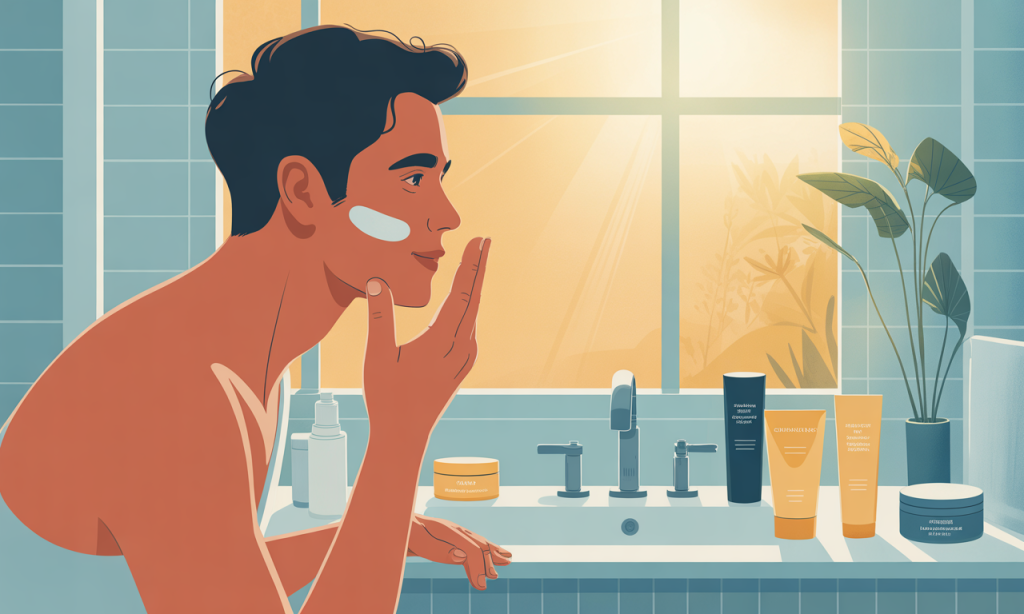
Individual skin characteristics determine which specific products optimize your Simple Morning Skincare Routine. Understanding your skin type prevents product mismatch that causes irritation, breakouts, or ineffective results. Most men fall into one of four primary categories that guide product selection.
Skin type can shift with seasons, age, and lifestyle changes. What worked perfectly in your twenties may not suit your forties as natural oil production declines. Reassess your skin needs annually or when you notice changes in texture, oiliness, or sensitivity.
Oily and Acne-Prone Skin
Excess sebum production and enlarged pores characterize oily skin that feels greasy by midday. This skin type benefits from gel or foam cleansers containing salicylic acid that penetrate pores to dissolve oil plugs. Avoid cream cleansers that add unnecessary richness to already oil-abundant skin.
Lightweight, oil-free moisturizers prevent the heavy feeling that makes oily-skinned men skip hydration entirely. Look for non-comedogenic formulas with niacinamide that regulate sebum production without adding greasiness. Proper hydration actually reduces oil production by maintaining barrier integrity.
Gel or fluid sunscreens with matte finishes control shine while providing essential protection. These formulas often contain silica or other oil-absorbing ingredients that keep skin looking fresh. Avoid heavy cream sunscreens that exacerbate oiliness throughout the day.
Dry and Sensitive Skin
Tightness, flaking, and rough texture indicate insufficient moisture retention. Cream-based cleansers with minimal foaming action clean without stripping protective oils. Avoid products containing sulfates, alcohol, or fragrance that further compromise the already weakened barrier.
Rich moisturizers with ceramides and fatty acids rebuild the lipid barrier that prevents moisture loss. Apply while skin remains damp to lock in hydration. Layer a facial oil over moisturizer in extremely dry conditions for added protection.
Mineral sunscreens with zinc oxide soothe while protecting dry, sensitive skin. These formulas typically contain fewer potentially irritating ingredients than chemical sunscreens. Choose products specifically labeled for sensitive skin to minimize reaction risk.
Combination Skin
An oily T-zone (forehead, nose, chin) combined with normal or dry cheeks creates the most common skin type among men. Balanced gel cleansers remove excess oil without over-drying the drier areas. Avoid harsh foaming cleansers that exaggerate the imbalance.
Lightweight lotion moisturizers hydrate dry zones without overwhelming oily areas. You can apply different products to different facial regions if needed, using gel on the T-zone and cream on cheeks. Most men find this unnecessary with proper product selection.
Hybrid sunscreen formulas work well for combination skin by providing protection without texture issues. Many SPF moisturizers balance hydration and sun defense effectively. Test products on your specific skin pattern before committing to full-size purchases.
Mature and Aging Skin
Decreased collagen production after age 30 creates fine lines, wrinkles, and loss of firmness. Gentle cream cleansers preserve remaining oils while thoroughly cleaning aging skin. Avoid aggressive exfoliating cleansers that thin already delicate mature skin.
Anti-aging moisturizers with peptides and antioxidants support collagen synthesis and neutralize free radicals. These targeted formulas address multiple aging concerns in one step. Look for ingredients like vitamin C, retinol alternatives, and coenzyme Q10.
High SPF sunscreens prevent additional photodamage while allowing existing damage to heal. Consistent sun protection makes the single biggest difference in maintaining youthful skin after 40. Consider tinted sunscreens that even out skin tone while protecting.
Product Selection Guide and Recommendations
Quality matters more than quantity when building your Simple Morning Skincare Routine. Three excellent products outperform ten mediocre ones while saving time and money. Understanding which ingredients deliver proven results helps you navigate overwhelming product options.
Dermatologist-tested and recommended brands offer reliable efficacy backed by clinical research. These products undergo rigorous testing for safety and effectiveness. While drugstore options can work well, established skincare brands typically invest more in research and development.
Essential Cleanser Options
CeraVe Hydrating Facial Cleanser contains ceramides and hyaluronic acid in a gentle, non-foaming formula suitable for all skin types. This dermatologist-favorite cleanses without disruption to the moisture barrier. The affordable price point makes it accessible for skincare beginners.
La Roche-Posay Toleriane Hydrating Gentle Cleanser removes impurities while maintaining the skin’s natural pH balance. This cream cleanser works particularly well for sensitive skin prone to redness and irritation. The fragrance-free formula minimizes allergic reaction risk.
Jack Black Pure Clean Daily Facial Cleanser combines effective cleansing with natural botanicals in a formula specifically designed for men. This gel cleanser removes oil and dirt without over-drying. The subtle scent appeals to men who prefer traditional grooming products.
Top Moisturizer Choices
CeraVe Daily Moisturizing Lotion delivers essential ceramides and hyaluronic acid in a lightweight formula that absorbs instantly. This fragrance-free product suits all skin types and never feels greasy. The large bottle size provides excellent value for consistent daily use.
Kiehl’s Facial Fuel Moisturizer energizes skin with caffeine while providing hydration and antioxidant protection. This cult-favorite among men absorbs quickly and works well under sunscreen. The masculine packaging and subtle scent make it appealing to first-time skincare users.
Olay Regenerist Micro-Sculpting Cream offers anti-aging benefits through peptides and niacinamide at a drugstore price. This rich yet fast-absorbing cream visibly improves skin texture and firmness within weeks. The formula works equally well for men and women despite gender-neutral marketing.
Best Sunscreen Products
EltaMD UV Clear Facial Sunscreen Broad-Spectrum SPF 46 provides excellent protection with niacinamide that calms redness and evens skin tone. This lightweight formula leaves no white cast and works beautifully on all skin tones. The oil-free texture suits oily and acne-prone skin perfectly.
Supergoop Unseen Sunscreen SPF 40 offers completely invisible protection with a velvety primer-like texture. This chemical sunscreen doubles as a makeup base while defending against UV damage. The weightless feel converts sunscreen skeptics into daily users.
La Roche-Posay Anthelios Melt-In Milk Sunscreen SPF 60 combines high protection with comfortable wear for extended outdoor activities. This water-resistant formula maintains effectiveness during sweaty workouts or outdoor sports. The large bottle size makes it economical for body application too.
Budget-Friendly Alternatives
Cetaphil Daily Facial Cleanser provides gentle, effective cleansing at an extremely affordable price point. This soap-free formula works for all skin types and rinses completely clean. The simple ingredient list minimizes sensitivity while maximizing value.
Neutrogena Hydro Boost Water Gel moisturizes with hyaluronic acid in an ultra-light gel formula perfect for oily skin. This oil-free product absorbs instantly without residue. The affordable price allows consistent use without financial stress.
Coppertone Pure & Simple Face Sunscreen SPF 50 offers mineral protection with zinc oxide at a drugstore price. This fragrance-free formula works well for sensitive skin despite the budget-friendly cost. The small bottle size makes it convenient for travel or gym bags.
Common Mistakes and How to Avoid Them
Even simple routines suffer from execution errors that compromise results. Understanding these pitfalls helps you maximize the effectiveness of your Simple Morning Skincare Routine. Small adjustments create dramatic improvements in skin health and appearance.
Consistency matters more than product price or brand prestige. Sporadic application of premium products delivers inferior results compared to daily use of basic formulations. Commit to your routine for at least 28 days to see noticeable changes as skin cell turnover completes a full cycle.
Product Application Errors
Applying products in the wrong order prevents proper absorption and reduces effectiveness. The correct sequence progresses from thinnest to thickest consistency: cleanser, serum (if used), moisturizer, then sunscreen. This layering allows each product to penetrate before the next creates a barrier.
Using too much product wastes money and can actually clog pores or cause breakouts. Most skincare products require only pea to nickel-sized amounts for full facial coverage. Start with less and add more only if needed for complete application.
Rubbing products aggressively into skin causes irritation and inflammation. Gentle patting or pressing motions allow absorption without damaging delicate facial tissue. Let products sink in naturally rather than forcing penetration through friction.
Timing and Consistency Issues
Applying sunscreen immediately before sun exposure reduces effectiveness. Chemical filters need approximately 15 minutes to bind with skin proteins before providing full protection. Make sunscreen application part of your indoor routine, not a last-minute addition at the door.
Skipping weekends or vacation days interrupts the cumulative benefits of consistent skincare. UV damage and moisture loss occur every single day regardless of your schedule. Pack travel-size products to maintain your Simple Morning Skincare Routine wherever you go.
Expecting instant results leads to premature product abandonment. Skin cell turnover takes 28 days in young adults and up to 60 days in mature skin. Give new products at least one full turnover cycle before assessing effectiveness.
Product Selection Missteps
Choosing products based on marketing rather than ingredients wastes money on ineffective formulas. Learn to read ingredient lists and identify proven actives like hyaluronic acid, niacinamide, and broad-spectrum UV filters. Packaging and celebrity endorsements mean nothing without solid formulations.
Using the same products year-round ignores seasonal skin changes. Winter’s dry indoor heat requires richer moisturizers while summer heat benefits from lighter textures. Adjust your routine twice yearly to match environmental demands.
Combining too many active ingredients causes irritation without improving results. Stick to your three-step Simple Morning Skincare Routine and resist adding unnecessary serums, toners, or treatments. Simplicity promotes consistency, which delivers superior outcomes.
Hygiene and Storage Problems
Dirty hands contaminate products and transfer bacteria to freshly cleaned skin. Always wash hands thoroughly before touching your face or skincare products. This simple habit prevents infections and product spoilage.
Storing products in hot, humid bathrooms degrades active ingredients and promotes bacterial growth. Keep skincare in cool, dry locations away from direct sunlight. Bathroom cabinets work only if they remain relatively cool and dry.
Using expired products risks irritation from degraded ingredients. Most skincare products remain effective for 6 to 12 months after opening. Mark opening dates on products and replace them promptly when effectiveness declines.
Advanced Tips for Maximum Results
Once you master the basic Simple Morning Skincare Routine, strategic enhancements multiply benefits without complicating your process. These evidence-based additions address specific concerns while maintaining the efficiency that makes your routine sustainable. Gradual improvements prevent overwhelming changes that lead to routine abandonment.
Understanding how skin functions helps you make informed decisions about beneficial additions. The skin barrier regenerates most actively during sleep, making nighttime routines slightly different from morning protocols. Morning routines prioritize protection while evening routines focus on repair.
Incorporating Antioxidants
Vitamin C serums boost sun protection and brighten skin tone when applied before sunscreen. This powerful antioxidant neutralizes free radicals generated by UV exposure and environmental pollution. Apply vitamin C serum after cleansing and before moisturizer for optimal absorption.
L-ascorbic acid provides the most researched and effective form of topical vitamin C. Look for formulations between 10 and 20 percent concentration in a stable, anhydrous base. Store vitamin C products in dark bottles away from light and heat to prevent oxidation.
Ferulic acid enhances vitamin C stability and effectiveness when combined in formulations. This plant-derived antioxidant offers additional photoprotection while extending the shelf life of vitamin C products. The combination provides superior defense against environmental aging.
Adding Targeted Treatments
Eye creams address the delicate skin around eyes that shows aging signs earlier than other facial areas. The skin here is approximately ten times thinner than cheek skin and lacks oil glands. Specialized formulas with caffeine reduce puffiness while peptides minimize fine lines.
Pat eye products gently along the orbital bone using your ring finger, which naturally applies the lightest pressure. Avoid pulling or dragging this fragile tissue. Apply eye treatments after moisturizer but before sunscreen for proper layering.
Spot treatments containing benzoyl peroxide or salicylic acid target individual blemishes without affecting surrounding skin. Apply these treatments only to active breakouts after moisturizer to buffer potential irritation. Avoid applying spot treatments under sunscreen, which can increase sensitivity.
Optimizing Application Techniques
Face mapping helps you apply different products to zones with varying needs. The T-zone typically requires oil control while cheeks may need extra hydration. Customize application amounts based on each area’s specific requirements.
Facial massage during product application improves circulation and promotes lymphatic drainage. Use gentle upward and outward motions that lift rather than drag skin. This technique enhances product absorption while providing subtle lifting benefits.
Allowing adequate absorption time between product layers ensures each formula penetrates properly. Wait 30 to 60 seconds between cleanser and moisturizer, then another minute before sunscreen. This patience maximizes individual product effectiveness.
Seasonal Adjustments
Winter’s dry air and indoor heating require richer moisturizers and possibly added facial oils. Increase hydration without changing your core Simple Morning Skincare Routine. Layer products for extra protection against harsh conditions.
Summer heat and humidity allow lighter textures and increased SPF protection. Switch to gel moisturizers and water-resistant sunscreens during warmer months. Blotting papers help manage increased oil production without disrupting your routine.
Spring and fall transitions benefit from gradual product adjustments rather than sudden changes. Monitor your skin’s response and modify formulas accordingly. These shoulder seasons often work well with your standard year-round products.
Lifestyle Factors
Adequate hydration from water intake supports skin health from the inside. Aim for at least eight glasses of water daily to maintain optimal skin moisture levels. Dehydration shows first in skin texture and tone before causing other symptoms.
Sleep quality directly impacts skin regeneration and repair processes. Prioritize seven to nine hours nightly to allow complete cellular renewal. Poor sleep manifests as dull skin, dark circles, and accelerated aging.
Balanced nutrition provides the building blocks for healthy skin. Focus on antioxidant-rich fruits and vegetables, omega-3 fatty acids, and adequate protein. Supplements cannot replace the benefits of whole-food nutrition.

Frequently Asked Questions
Can I skip moisturizer if I have oily skin?
No, moisturizer is essential even for oily skin types. Skipping hydration actually triggers increased oil production as your skin compensates for perceived dryness. Choose lightweight, oil-free formulas with ingredients like niacinamide that regulate sebum while providing necessary hydration.
Research published in dermatology journals confirms that proper moisturization improves barrier function in all skin types, including oily and acne-prone skin. Gel or water-based moisturizers provide hydration without adding greasiness or clogging pores.
How long until I see results from my Simple Morning Skincare Routine?
Most people notice initial improvements within two weeks of consistent daily use. Skin hydration and texture typically improve first, followed by gradual reduction in fine lines and more even tone.
Complete skin cell turnover takes approximately 28 days in younger adults and up to 60 days in mature skin. Clinical studies demonstrate significant improvements in overall skin health after four weeks of following a proper cleansing, moisturizing, and sun protection regimen. Long-term benefits like wrinkle prevention accumulate over months and years of consistent protection.
Do I need sunscreen on cloudy days or indoors?
Yes, UV radiation penetrates clouds and windows throughout the year. UVA rays remain constant regardless of weather and pass through glass, causing cumulative skin damage even during indoor activities.
Up to 80 percent of UV rays penetrate cloud cover, meaning overcast days still pose significant photodamage risk. Make sunscreen application a daily habit regardless of weather conditions or planned activities to prevent premature aging and skin cancer.
What is the correct order to apply skincare products?
Apply products from thinnest to thickest consistency for optimal absorption. The proper sequence for a Simple Morning Skincare Routine is: cleanser, serum (if using), moisturizer, then sunscreen.
Allow 30 to 60 seconds between each layer for adequate absorption before applying the next product. This layering technique ensures each formula penetrates skin rather than sitting on the surface. Sunscreen always comes last as it needs to form a protective barrier without dilution from subsequent products.
Can I use the same products for morning and evening routines?
Cleanser and moisturizer can typically be used both morning and night, though you may prefer different textures. Morning routines prioritize protection with sunscreen while evening routines focus on repair with treatments like retinol.
Skip sunscreen at night as UV protection is unnecessary after dark. Evening presents the ideal time to incorporate active ingredients like retinol or stronger exfoliants that may increase sun sensitivity. Your Simple Morning Skincare Routine remains consistent while nighttime allows for targeted treatments.
How much should I spend on skincare products?
Effective skincare does not require luxury prices. Drugstore brands like CeraVe, Cetaphil, and La Roche-Posay receive consistent dermatologist recommendations despite affordable price points.
A complete three-step Simple Morning Skincare Routine costs between 40 and 150 dollars depending on brand preferences, with products lasting approximately three months. Focus on proven ingredients rather than packaging or marketing when selecting products. Quality formulations exist at every price point.
Will skincare products make my skin dependent on them?
No, proper skincare supports skin health without creating dependence. Your skin naturally produces less oil and collagen with age, making external support increasingly beneficial.
Concerns about skin becoming “lazy” are myths without scientific foundation. Moisturizers and sunscreens enhance skin function rather than replacing natural processes. Consistent use provides cumulative benefits that improve long-term skin health.
Can I combine moisturizer and sunscreen into one product?
SPF moisturizers work well for moderate sun exposure during routine daily activities. These combination products streamline your Simple Morning Skincare Routine while providing baseline protection.
However, most people apply insufficient amounts of combination products to achieve stated SPF protection. Dermatologists recommend using separate moisturizer and sunscreen for extended outdoor activities to ensure adequate sun defense. The separate approach guarantees proper protection regardless of moisturizer needs.
What SPF level do I actually need every day?
SPF 30 provides the minimum recommended protection for daily use, blocking approximately 97 percent of UVB rays. SPF 50 increases protection to about 98 percent, offering meaningful improvement for limited additional cost.
The American Academy of Dermatology recommends SPF 30 as the baseline for everyday activities with SPF 50 or higher for extended sun exposure. Proper application of SPF 30 outperforms inadequate application of SPF 50, so focus on using sufficient amounts rather than chasing higher numbers.
How can I remember to maintain my routine consistently?
Pair your Simple Morning Skincare Routine with an established habit like brushing your teeth. Keep products visible on your bathroom counter rather than hidden in cabinets.
Set phone reminders for the first two weeks until the routine becomes automatic. Most habits form within 21 to 30 days of consistent practice. Starting with just three simple steps makes consistency achievable compared to complicated multi-step regimens.
Take Control of Your Skin Health Today
Your Simple Morning Skincare Routine requires less time than brewing coffee yet delivers lifetime benefits for your appearance and health. These three fundamental steps—cleansing, moisturizing, and sun protection—form the foundation of healthy skin regardless of age or skin type. Starting today prevents tomorrow’s damage while addressing existing concerns through consistent daily care.
The cumulative effects of proper skincare compound over time like interest in a savings account. Each day of sun protection prevents damage that would manifest as wrinkles, spots, and texture changes decades later. Small daily investments in your skin create significant returns that become increasingly valuable as you age.
Remember that perfection is not the goal—consistency is. Missing an occasional day will not destroy your progress, but establishing the routine as a non-negotiable daily habit transforms your skin. Start with quality basics, master the fundamentals, and gradually refine your approach as you learn what your skin needs.
Ready to explore more ways to optimize your health and appearance? Check out our comprehensive guide to building an effective evening skincare routine that complements your morning regimen. Discover how targeted nighttime treatments like retinol accelerate skin renewal while you sleep. Learn about nutrition strategies that support skin health from the inside out, or explore our expert recommendations for treating specific concerns like acne, rosacea, and hyperpigmentation.
Your journey to healthier skin starts with a single morning. Commit to your Simple Morning Skincare Routine today and experience the confidence that comes from taking control of your appearance and long-term skin health.