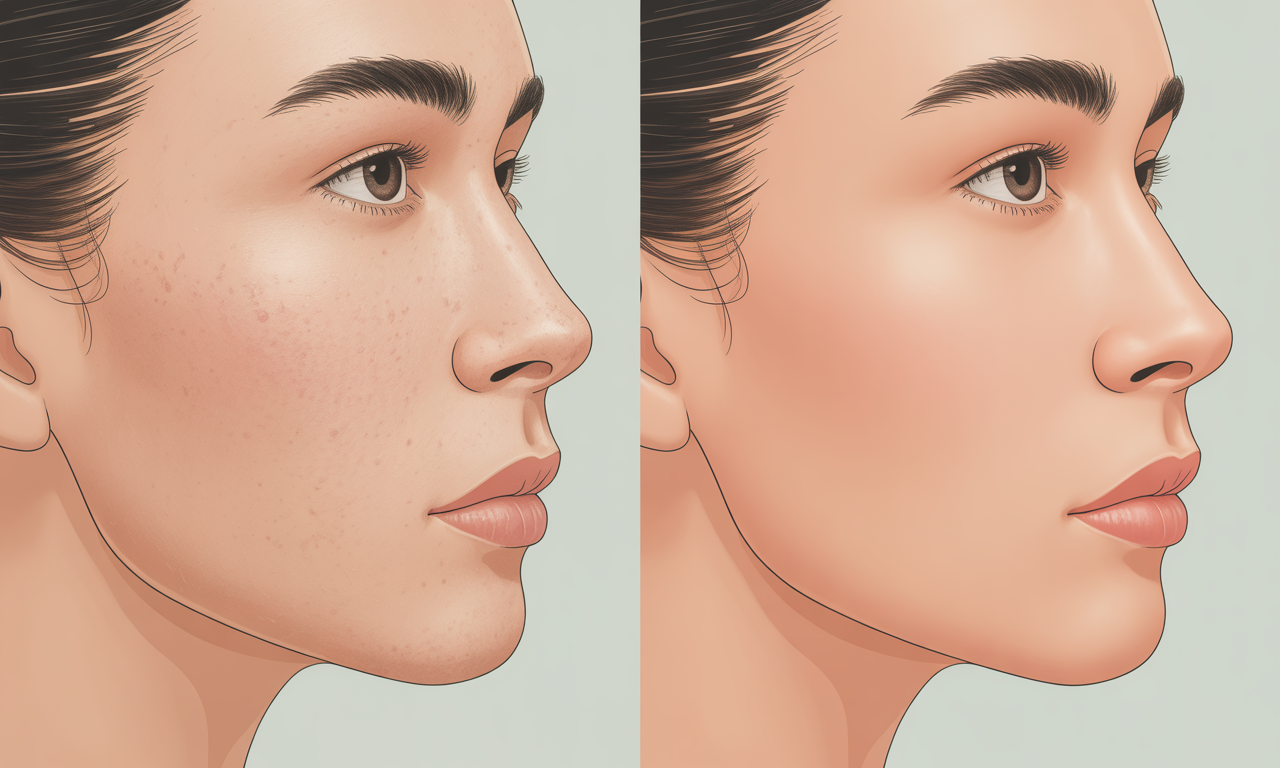
For thousands of years, the “plant of immortality” has graced windowsills and medicine cabinets alike. In six decades of studying and practicing skin and hair care, few ingredients have stood the test of time quite like Aloe Vera.
While most people only grab a bottle of green gel after a day at the beach, the three amazing aloe uses explored in this guide go far beyond simple sunburn relief.
This humble succulent is a biological powerhouse packed with vitamins, enzymes, and amino acids that can transform your beauty routine.
Modern science has finally caught up with ancient wisdom, confirming that aloe is not just a soothing agent but a potent hydrator and healer.
It penetrates tissue four times faster than water, making it an incredible delivery system for moisture. Whether you are battling dry winter skin or looking to revive a sluggish scalp, this plant offers a solution.
Let’s move past the basics and uncover the transformative ways to incorporate this green miracle into your daily life. Here are the top three applications that have proven their worth over decades of professional experience.
1. The Ultimate Scalp Healer
Soothing Itchy Scalps
One of the most overlooked benefits of aloe is its ability to treat the scalp. Healthy hair starts with a healthy scalp, yet many adults suffer from chronic dryness and itchiness.
Aloe vera contains proteolytic enzymes that help repair damaged scalp cells. This creates a balanced environment that reduces dandruff and alleviates the maddening itch that often accompanies dry seasons.
Promoting Hair Growth
While no plant is a magic wand for baldness, aloe creates the optimal conditions for growth. By cleaning the hair follicle of excess sebum (oil) and residue from other hair products, it allows the hair to breathe and grow unimpeded.
The vitamins A, C, and E in the gel contribute to cell turnover, promoting healthy, shiny cell growth.
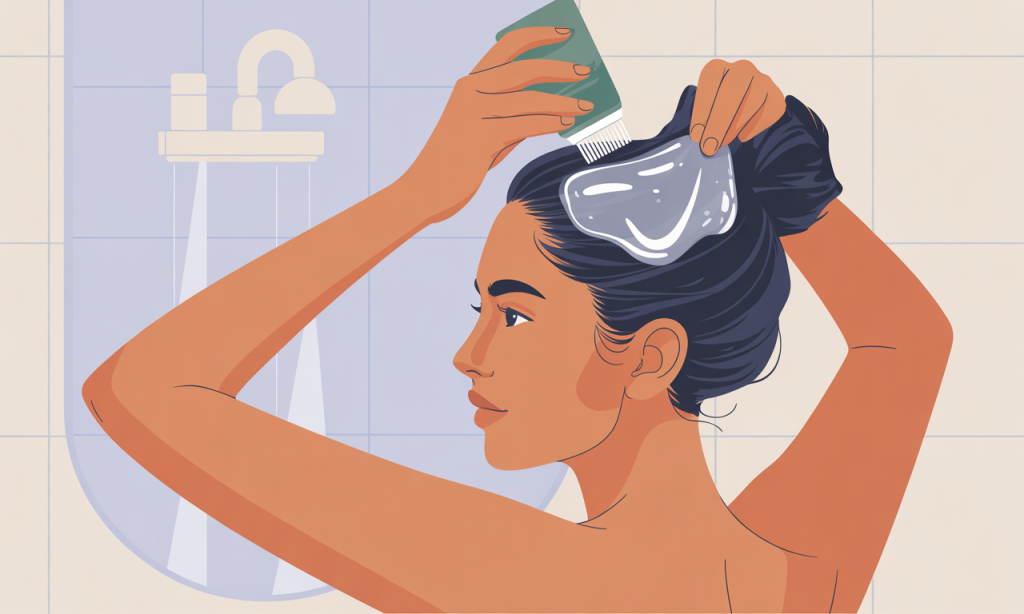
DIY Scalp Mask Recipe
You can easily make a professional-grade treatment at home.
- Mix: Combine two tablespoons of fresh aloe gel with one tablespoon of coconut oil.
- Apply: Massage gently into the scalp for five minutes.
- Wait: Leave it on for 20 minutes before washing with a mild shampoo.
- Result: A calm, hydrated scalp and softer roots without the greasy residue.
2. The Deep Hydration Booster
Non-Greasy Moisture
For those with oily or combination skin, finding a moisturizer that doesn’t clog pores is a nightmare. This is where aloe shines as one of the three amazing aloe uses.
It moisturizes the skin without leaving a greasy feel, making it perfect for anyone with an oily complexion. It acts as a protective layer on the skin and helps replenish its moisture.
Locking in Water
Aloe creates a breathable barrier on the skin. Unlike heavy creams that can suffocate pores, aloe allows oxygen exchange while locking hydration into the lower levels of the epidermis.
This is particularly beneficial for aging skin, as hydration is key to plumping fine lines and maintaining elasticity.
Morning Serum Hack
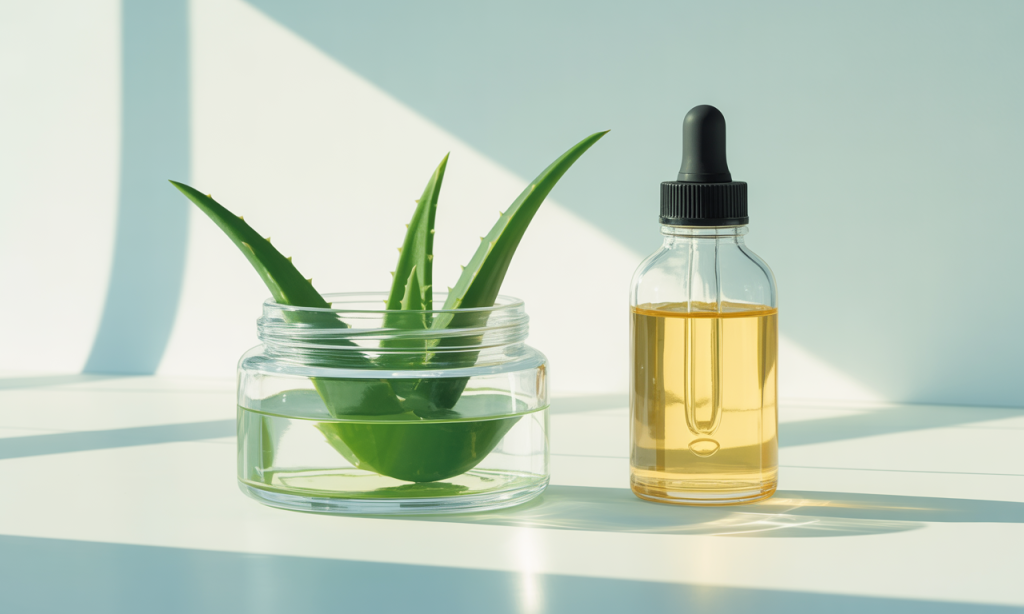
Instead of Spending a fortune on hydrating serums, try using pure aloe gel as your first step.
- Cleanse: Wash your face with a gentle cleanser.
- Apply: While skin is still damp, apply a thin layer of aloe gel.
- Seal: Follow immediately with your favorite facial oil or cream.
- Benefit: The aloe pulls the moisture deep into the skin, while the oil seals it in.
3. The Anti-Inflammatory Powerhouse
Acne and Redness Relief
Beyond just hydration, aloe is a fierce fighter against inflammation. It contains hormones called auxins and gibberellins, which have wound-healing and anti-inflammatory properties.
For those struggling with acne, a dab of aloe can reduce the redness and swelling of a pimple overnight. It also has antibacterial properties that help control acne-causing bacteria.
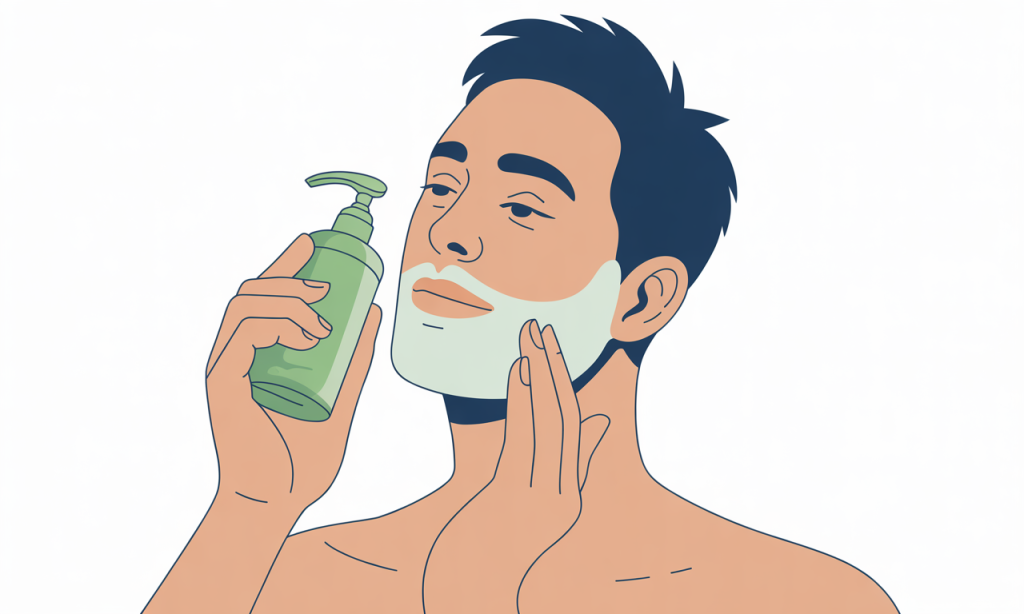
Cooling Razor Burn
Shaving can be traumatic for the skin, causing micro-tears and irritation. Aloe vera is the perfect aftershave treatment for both men and women.
Its cooling effect is immediate, relieving the burning sensation. Furthermore, its healing enzymes work quickly to repair micro-damage, preventing those angry red bumps from forming.
Treating Puffiness
The same cooling properties make aloe excellent for under-eye puffiness.
- Chill: Store your aloe gel in the refrigerator.
- Apply: Dab a small amount under the eyes in the morning.
- Effect: The cold gel constricts blood vessels to reduce swelling, while the aloe hydrates the delicate skin.
Choosing the Right Aloe
Fresh vs. Store-Bought
While the three amazing aloe uses work best with fresh gel from a plant, not everyone has a green thumb. If you buy a product, you must be a detective with the ingredient label. Many “aloe” gels are mostly water, alcohol, and green dye.
What to Look For
To get the actual benefits, the first ingredient on the label should be “Aloe Barbadensis Leaf Juice.” Avoid products with high alcohol content, as they can dry out your skin and counteract aloe’s hydrating properties. Look for “99% pure” or higher to ensure you are getting the active compounds.
Harvesting Safely
If you do use a fresh plant, be sure to drain the “latex.”
- Cut: Slice a leaf off at the base.
- Drain: Stand it upright in a cup for 10 minutes to let the yellow liquid drain out.
- Fillet: Slice off the skin to get the clear gel.
- Caution: The yellow latex can irritate the skin, so this step is crucial.

Frequently Asked Questions
Can I leave fresh aloe vera on my face overnight?
Yes, leaving fresh aloe vera on your face overnight is generally safe and beneficial. It acts as a lightweight, breathable mask that deeply hydrates and soothes the skin while you sleep.
However, if you have never used it before, do a patch test first to ensure you don’t have a sensitivity to the plant.
Is aloe vera gsuitablefor all hair types?
Aloe vera is suitable for almost all hair types, from fine and straight to thick and curly. It is particularly beneficial for dry or damaged hair because it adds moisture without weighing the hair down. For oily hair, it helps regulate sebum production on the scalp without stripping natural oils.
How often should I use aloe on my sunburn?
For a sunburn, you can apply aloe vera gel 3 to 4 times a day to keep the area moist and cool. Reapplying it frequently helps reduce peeling and significantly eases the pain. Storing the gel in the fridge adds an extra cooling effect, providing immediate relief.
Can aloe vera fade dark spots?
Aloe vera contains a compound called aloesin, which may help lighten dark spots and hyperpigmentation over time.
It works by inhibiting melanin production in the skin. While it is not a quick fix, consistent application over several months can lead to a more even skin tone.
Is it better to drink aloe or apply it to the skin?
Both methods have benefits, but they serve different purposes. Applying it topically is best for localized skin issues like acne, burns, and dryness.
Drinking aloe juice can support digestion and hydration from the inside out, which indirectly supports skin health, but topical use delivers more concentrated benefits to the dermis.
Does aloe vera help with wrinkles?
Aloe vera can help minimize the appearance of fine lines by increasing collagen production and improving skin elasticity.
Its high water content also plumps the skin, temporarily making wrinkles less visible. However, it is a preventive and maintenance tool rather than a cure for deep, established wrinkles.
Why does my skin itch after using fresh aloe?
Itching after using fresh aloe is often caused by the “aloin,” or yellow latex, found just beneath the leaf’s skin. If the leaf isn’t drained properly before use, this latex can cause contact dermatitis or irritation. Always drain the cut leaf upright for 10 minutes and wash the gel thoroughly before applying.
Can aloe vera clog my pores?
No, aloe vera is non-comedogenic, meaning it does not clog pores. It has a high water content and absorbs easily into the skin, making it an excellent moisturizer for acne-prone or oily skin types who fear heavy creams.
How long does fresh aloe gel last?
Freshly extracted aloe gel doesn’t have preservatives, so it spoils quickly. It will last about 1 week in the refrigerator in an airtight container. To make it last longer, you can freeze it in ice cube trays for single-use portions that last for months.
Can I use aloe vera instead of conditioner?
While aloe vera is conditioning, it may not provide enough detangling or softness on its own for very dry or coarse hair.
It works best as a leave-in treatment or mixed with your regular conditioner. For fine hair, however, it can serve as a fantastic, lightweight alternative to heavy conditioners.
Conclusion
The “plant of immortality” truly lives up to its name, offering timeless solutions for modern skin and hair concerns.
By utilizing these 3threeamazing aloe uses—scalp healing, deep hydration, and inflammation control—you are choosing a path of gentle, effective, and natural care.
Whether you harvest it from your own garden or buy a quality bottle, this green gem deserves a permanent spot in your beauty arsenal.
Nature often holds the best secrets to longevity and radiance. Embrace the simplicity of aloe and watch your skin and hair thrive. Explore more evidence-based nutrition guides to optimize your health and wellness on the Skin & Hair Care page.