The weeks following childbirth are often described as a blur of diapers, feedings, and sleepless nights. In my six decades of guiding women through the postpartum period, I have witnessed a recurring theme: mothers often put their own needs last.
However, neglecting your recovery can delay healing and impact your long-term health. Implementing 3 actionable self-care steps—prioritizing physical rehabilitation, nurturing emotional resilience, and embracing restful pauses—can radically transform your fourth trimester experience.
Postpartum self-care is not about spa days or luxury; it is a medical necessity. Your body has undergone a massive physiological event, and your mind is adjusting to a new identity.
Research confirms that mothers who engage in structured self-care practices report lower rates of anxiety and faster physical recovery. It is about treating yourself with the same tenderness you offer your newborn.
Let’s explore three practical, evidence-based strategies that you can start today. These aren’t just “nice-to-haves”—they are the foundation of a healthy, empowered motherhood journey.
1. Commit to Gentle Physical Rehabilitation
Reconnect with Your Core
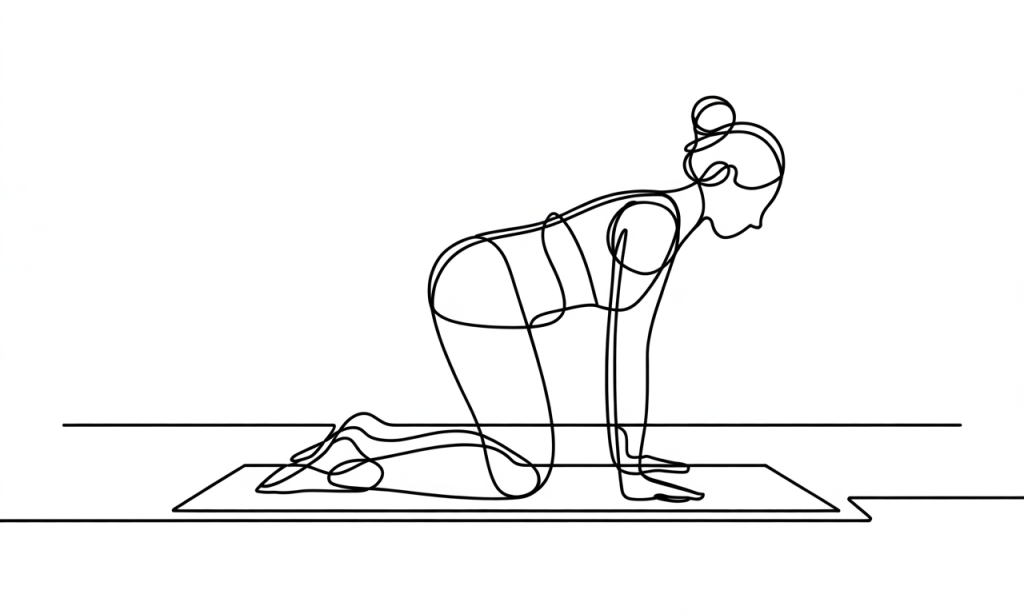
After birth, your abdominal muscles and pelvic floor are weakened and stretched. You don’t need a gym membership to start healing; you just need your breath. “Core breathing” or diaphragmatic breathing is the first step in rehabilitation.
- The Action: Lie on your back with knees bent. Inhale deeply, letting your belly expand. Exhale slowly through pursed lips, gently drawing your belly button toward your spine and lifting your pelvic floor.
- Why It Works: This activates the transverse abdominis, your body’s natural corset, without straining healing tissues. It improves bladder control and reduces back pain.
- Frequency: Aim for 5-10 breaths, three times a day.
Listen to Your Body’s Signals
In a culture that celebrates “bouncing back,” I urge you to focus on “healing forward.” If you experience increased bleeding (lochia), pain, or a feeling of heaviness in your pelvis, your body is screaming for you to slow down.
- Rest is active: Lying horizontal counts as a recovery activity because it takes gravity off your pelvic floor.
- Hydrate to heal: Drinking water helps your body repair tissues and produce milk.
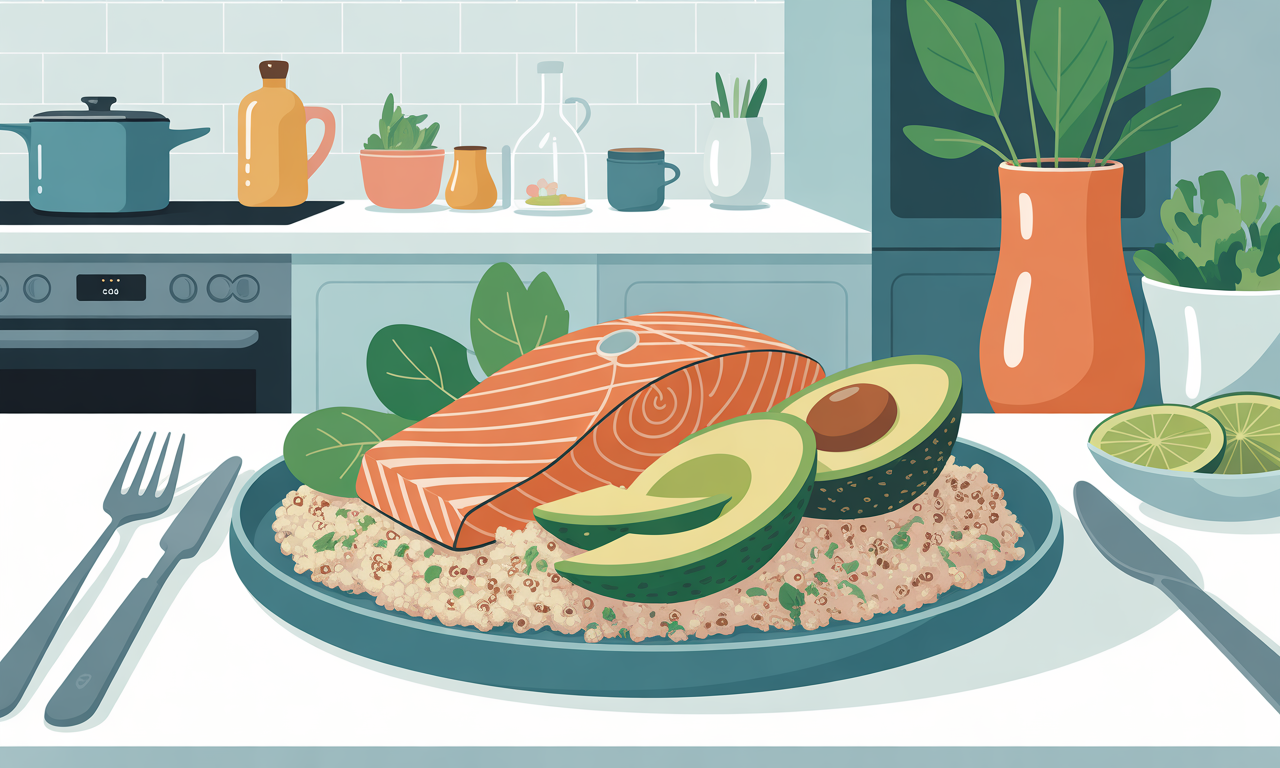
- Nutrition matters: Protein and collagen are the building blocks for tissue repair—eat eggs, bone broth, and slow-cooked meats.
2. Cultivate Emotional Resilience Through Mindfulness
The 5-Minute Reset
Postpartum hormones can make your emotions feel like a rollercoaster. Mindfulness is a proven tool to anchor you in the storm. You don’t need 30 minutes of silence—you just need five minutes.
- The Action: While feeding your baby or sitting in the bathroom, close your eyes. Focus entirely on the sensation of your breath entering and leaving your nose. When your mind wanders to a worry, gently bring it back to the breath.
- Why It Works: Studies show that just five minutes of daily mindfulness can significantly lower cortisol levels and reduce symptoms of postpartum anxiety. It creates a “pause button” for your nervous system.
Practice Radical Self-Compassion
We are often our own harshest critics. If the house is messy or you are still in pajamas at 3 PM, instead of judging yourself, try flipping the script.
- The Action: Speak to yourself as you would to your best friend. Say, “I am doing a great job in a hard season,” or “Rest is productive.”
- Why It Works: Research links self-compassion exercises with lower rates of postpartum depression and higher maternal confidence. It shifts your mindset from perfectionism to grace.

3. Embrace Structured Rest Protocols
The “Horizontal Hour” Rule
Fatigue is the enemy of healing. One actionable step is to institute a non-negotiable “Horizontal Hour” every day. This isn’t just nap time; it’s a physiological reset.
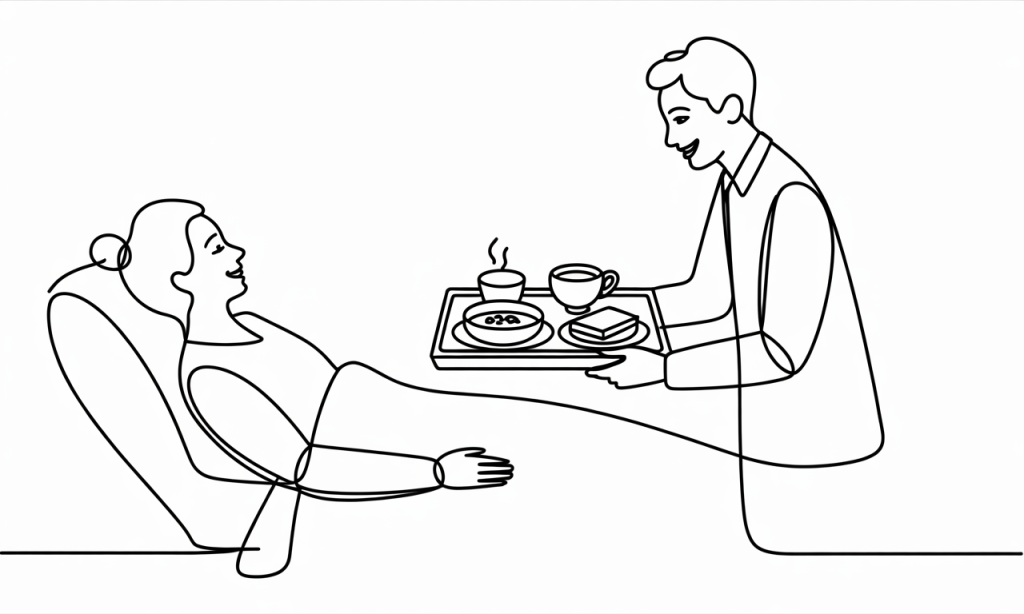
- The Action: Commit to lying down flat for at least 60 minutes during the day. You can sleep, read, or listen to a podcast, but you must be horizontal.
- Why It Works: Being upright puts pressure on your healing pelvic floor and depletes your energy reserves. Horizontal rest allows your body to direct energy toward tissue repair and milk production.
Accept and Ask for Help
The “supermom” myth is dangerous. Humans were designed to raise children in villages, not in isolation.
- The Action: Identify three specific tasks you can outsource this week—laundry, grocery pickup, or holding the baby so you can shower. When someone asks, “How can I help?”, give them one of these specific tasks.
- Why It Works: Accepting help reduces physical workload and emotional isolation, two major risk factors for postpartum mood disorders. It builds your support network when you need it most.
Frequently Asked Questions
Why is diaphragmatic breathing considered self-care?
Diaphragmatic breathing is a powerful self-care tool because it directly stimulates the vagus nerve, which calms your nervous system and reduces stress. Physically, it gently engages the deep core muscles without strain, promoting healing in the abdominal wall and pelvic floor. It is a dual-purpose exercise for both mental calm and physical rehab.
How soon can I start these self-care steps?
You can—and should—start these steps immediately after birth. Gentle breathing, mindfulness, and horizontal rest are safe and beneficial from day one. However, always listen to your body and wait for your doctor’s clearance before beginning any structured exercise program, usually around the 6-week mark.
Does mindfulness really help with postpartum depression?
Yes, clinical studies indicate that mindfulness practices can effectively reduce symptoms of anxiety and depression in postpartum women. By training your brain to focus on the present moment, you can break the cycle of ruminating thoughts and worry that often fuels mood disorders. It provides a mental “anchor” during emotional storms.
What if I can’t find time for a “Horizontal Hour”?
If an hour feels impossible, break it down. Try for two 30-minute sessions or even three 20-minute rests. The key is to get off your feet periodically to relieve gravity’s pressure on your pelvic floor. Prioritize this over household chores; the laundry can wait, but your recovery cannot.
Is asking for help a sign of weakness?
Absolutely not. Asking for help is a sign of wisdom and strength. Historically, mothers were supported by extended families and communities. Trying to do it all alone is a modern, unnatural expectation that leads to burnout. protecting your energy so you can care for your baby is the most responsible thing you can do.
Can nutrition be a form of self-care?
Yes, nourishing your body is one of the most fundamental forms of self-care. Eating nutrient-dense foods like protein, healthy fats, and hydration provides the raw materials your body needs to heal tissues and produce breast milk. Skipping meals depletes your energy and can negatively impact your mood.
What are the “Baby Blues” vs. Postpartum Depression?
The “Baby Blues” are mild mood swings and tearfulness that occur in the first two weeks due to hormonal shifts. Postpartum Depression is more severe, lasts longer, and interferes with your ability to function. If your feelings of sadness or anxiety persist beyond two weeks, it is crucial to seek professional help as a form of self-care.
How does hydration affect recovery?
Hydration is critical for flushing out excess fluids (edema) retained from pregnancy and for maintaining breast milk supply. Dehydration can lead to fatigue, headaches, and constipation, which can aggravate perineal pain. Keeping a water bottle nearby is a simple, actionable self-care step.
Can I do pelvic floor exercises if I had a C-section?
Yes, your pelvic floor was still strained by carrying the baby for nine months, even if you didn’t deliver vaginally. Gentle pelvic floor activation helps increase blood flow to the entire pelvic region and supports your core recovery. Always start gently and avoid anything that causes pain at your incision site.
Why is “bouncing back” a harmful concept?
The idea of “bouncing back” implies returning to your old self as if nothing happened, which invalidates the massive transformation you have undergone. It creates unrealistic pressure to look and feel a certain way quickly. “Healing forward” acknowledges your new reality and prioritizes long-term wellness over short-term aesthetics.
Conclusion
Your postpartum journey is a marathon, not a sprint. By implementing these 3 actionable self-care steps—gentle physical rehab, mindfulness, and structured rest—you are building a foundation for a healthier, happier motherhood. Remember, taking care of yourself is not selfish; it is the fuel that allows you to care for the little life you have brought into the world.
Start small today. Take five deep breaths. Lie down for twenty minutes. Speak kindly to yourself. You are doing important work, and you deserve to be nurtured too. Explore more evidence-based nutrition guides to optimize your health and wellness on the Postpartum Care page.