
Stress is an unavoidable part of modern life, but learning effective stress management techniques can dramatically improve your physical health, mental wellbeing, and overall quality of life. Whether you’re dealing with workplace pressure, financial concerns, or daily overwhelm, science-backed methods can help you regain control and build lasting resilience.
This comprehensive guide explores 10 evidence-based stress management techniques that health-conscious adults can implement immediately. You’ll discover practical strategies ranging from quick relief methods to long-term lifestyle changes that address both the symptoms and root causes of stress.
Understanding How Stress Affects Your Body
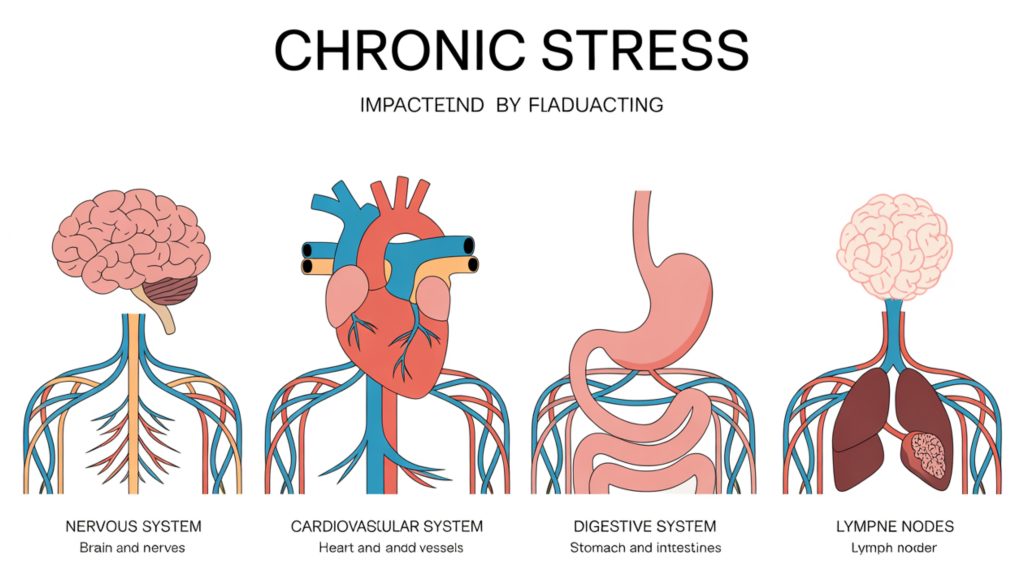
The Physical Impact of Stress
Chronic stress triggers a cascade of physiological responses that affect nearly every system in your body. When stress hormones like cortisol and adrenaline remain elevated, you may experience high blood pressure, weakened immunity, digestive problems, and increased inflammation.
Research shows that unmanaged stress accounts for 46.5% of variance in employee productivity and contributes to serious health conditions including heart disease and metabolic disorders. Understanding these connections makes implementing stress management techniques not just beneficial but essential for long-term health.
Recognizing Your Stress Symptoms
Common stress symptoms include muscle tension, headaches, fatigue, sleep disturbances, irritability, and difficulty concentrating. Physical manifestations often appear before we consciously recognize emotional stress.
Quick Relief Stress Management Techniques
Box Breathing Method (4-4-4-4)
Box breathing is one of the most effective stress management techniques for immediate relief. This controlled breathing pattern regulates your autonomic nervous system and can significantly lower cortisol levels within minutes.
How to practice:
- Inhale slowly through your nose for 4 counts
- Hold your breath for 4 counts
- Exhale completely for 4 counts
- Hold empty lungs for 4 counts
- Repeat for 5-10 cycles
Studies published in the Journal of Alternative and Complementary Medicine demonstrate that breathing exercises like box breathing activate the parasympathetic nervous system, creating an immediate calming effect.
Progressive Muscle Relaxation (PMR)
Progressive muscle relaxation helps you identify and release physical tension systematically. The American Psychological Association highlights PMR as highly beneficial for stress and anxiety management, with improvements lasting up to 14 weeks after treatment.
Start at your toes and work upward, tensing each muscle group for 5 seconds, then releasing for 10 seconds. This conscious awareness of tension and relaxation trains your body to recognize and eliminate stress-related muscle tightness.
Mindfulness-Based Stress Management Techniques
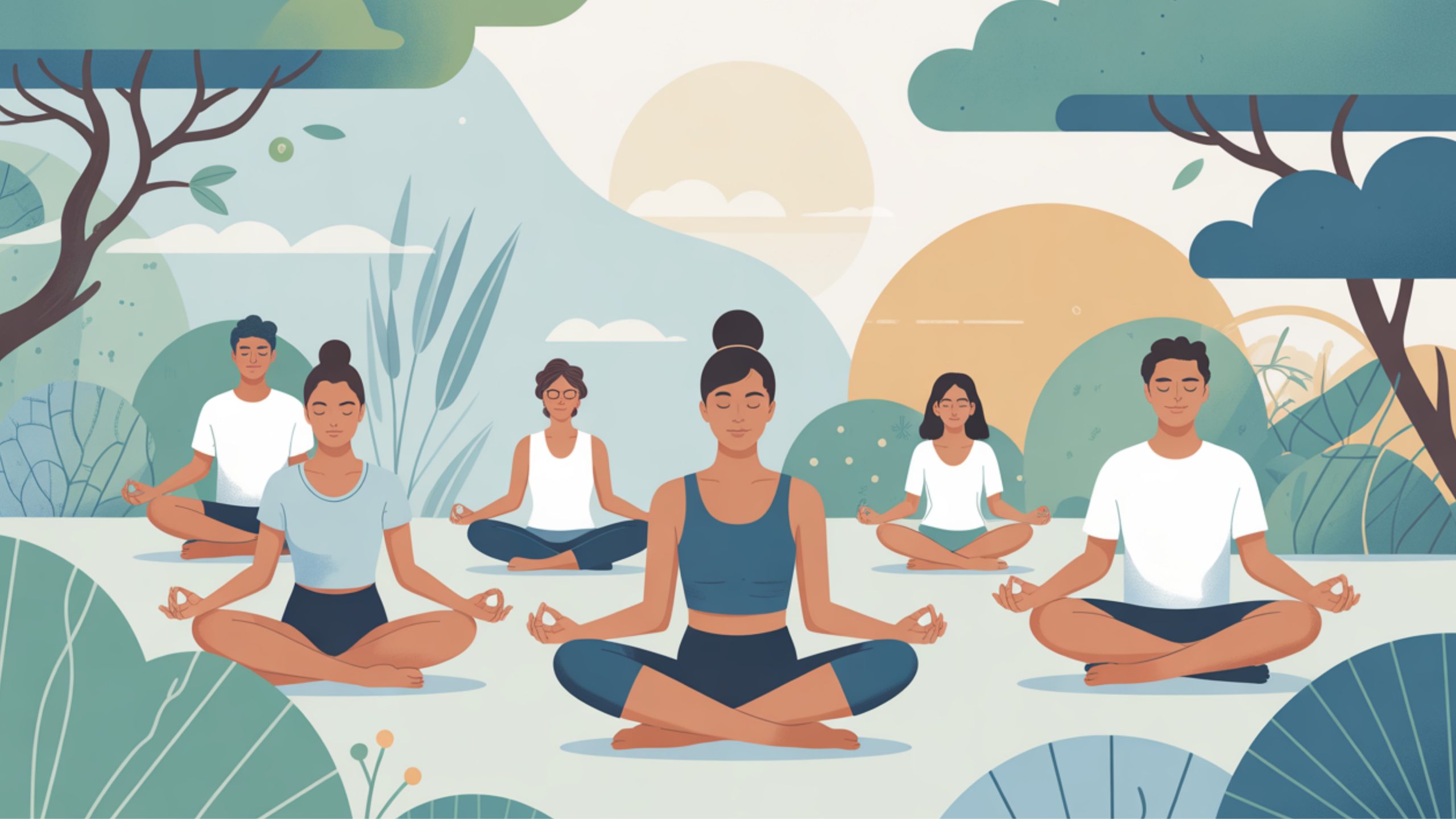
Mindfulness Meditation Practice
Mindfulness meditation ranks as the #1 stress management technique in 2025, according to Harvard Medical School research. Regular practice can reduce cortisol by up to 25% over eight weeks while improving sleep quality and emotional resilience.
A groundbreaking 2022 randomized clinical trial involving 276 adults found that Mindfulness-Based Stress Reduction (MBSR) was equally effective as escitalopram, a first-line medication for anxiety disorders. This eight-week structured program teaches body scan meditation, gentle yoga, and sitting meditation practices.
How to start mindfulness meditation:
- Find a quiet space and sit comfortably
- Focus attention on your breath
- Notice thoughts without judgment
- Gently return focus to breathing when distracted
- Practice 10-20 minutes daily
Research from the National Center for Complementary and Integrative Health confirms that mindfulness meditation reduces anxiety, depression, and psychological distress for up to six months or longer.
Image Placement: [Person practicing mindfulness meditation at home in comfortable seated position]
Alt Text: “Woman practicing daily mindfulness meditation stress management technique in peaceful home environment”
Body Scan Meditation
Body scan meditation is a formal mindfulness technique that systematically directs attention through different body regions. This practice enhances present-moment awareness and helps process physical sensations associated with stress.
Lie comfortably and mentally scan from your toes to your head, noticing sensations without trying to change them. This 15-30 minute practice is particularly effective for chronic pain patients and those experiencing stress-related physical symptoms.
Movement-Based Stress Relief Methods
Regular Physical Exercise
Exercise ranks among the most powerful stress management techniques available. Physical activity reduces stress hormones while stimulating endorphin production, creating natural mood elevation.
Effective exercise options include:
- Aerobic activities (walking, running, cycling)
- Strength training
- Yoga and tai chi
- Swimming
- Team sports
The CDC recommends at least 150 minutes of moderate-intensity exercise weekly for optimal stress reduction benefits. Even 10-minute movement breaks can provide immediate relief during stressful workdays.
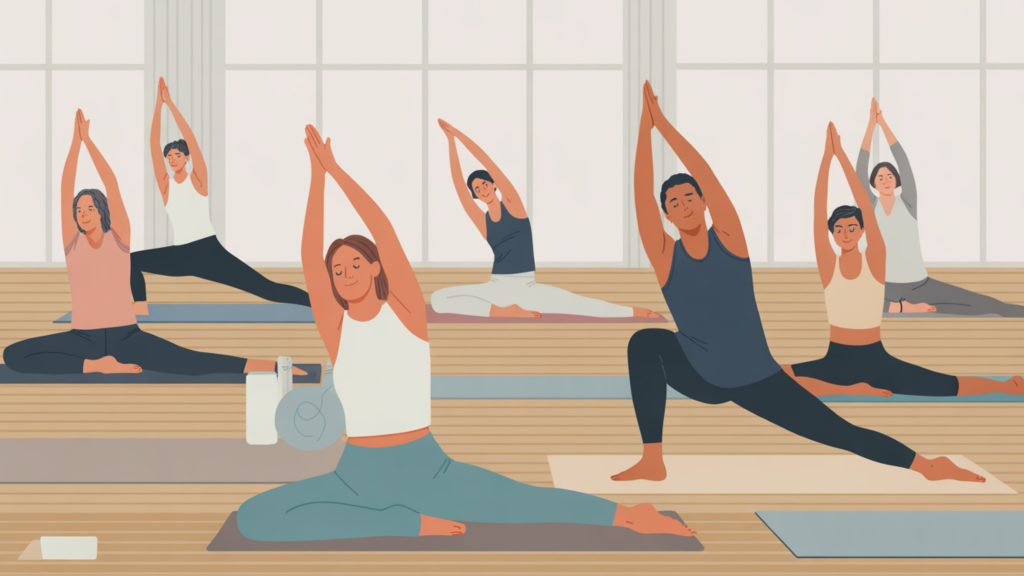
Yoga and Gentle Movement
Yoga combines physical postures, breathing exercises, and meditation, making it a comprehensive approach to stress management. Multiple studies confirm that regular yoga practice significantly reduces anxiety symptoms and improves stress resilience.
Gentle yoga styles like Hatha or Restorative yoga are particularly accessible for beginners and those dealing with chronic stress or physical limitations. The combination of mindful movement and breath awareness creates both immediate and cumulative stress-reduction benefits.
Cognitive Stress Management Techniques
Cognitive Behavioral Approaches
Cognitive Behavioral Therapy (CBT) techniques help identify and reframe unhelpful thought patterns that amplify stress. Research demonstrates that changing cognitions is the primary mediator of beneficial stress management outcomes.
Key CBT strategies include:
- Identifying cognitive distortions
- Challenging catastrophic thinking
- Developing realistic thought alternatives
- Problem-solving skill development
- Behavioral activation
A 2024 study found that cognitive-behavioral occupational stress management significantly lowered perceived stress, with improvements sustained through follow-up periods. These skills can be learned through self-help resources, apps, or working with trained therapists.
Stress Inoculation Therapy
Stress inoculation therapy prepares you to handle future stressors through three phases: education about stress reactions, rehearsal of coping behaviors, and application in real situations. This structured approach is particularly useful for anxiety disorders related to specific stressors.
Technology-Enabled Stress Management Techniques
Digital Stress Management Apps
Web-based and mobile stress management techniques offer convenient, scalable solutions. A comprehensive meta-analysis of 26 studies involving 4,226 participants found that digital interventions effectively reduce stress levels with benefits lasting up to six months.
Evidence-based app features include:
- Guided meditation sessions
- Breathing exercise timers
- Stress tracking and journaling
- Progressive muscle relaxation audio
- Cognitive behavioral tools
Research published in 2021 demonstrated that guided web-based stress management training significantly reduced perceived stress scores among employees with elevated stress symptoms. The convenience and privacy of digital tools make them particularly appealing for busy adults.
Biofeedback and Wearable Technology
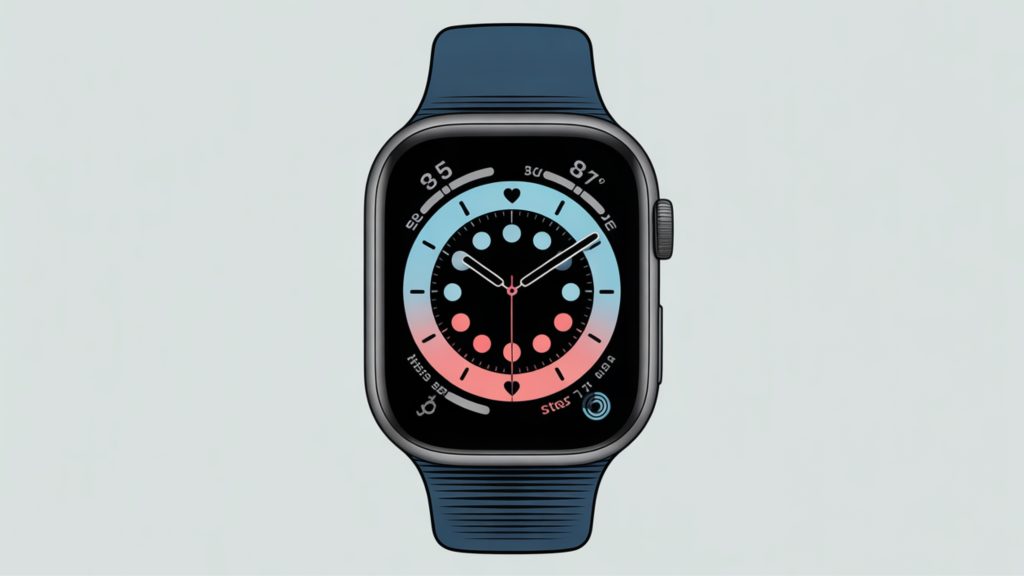
Biofeedback training uses monitoring devices to help you gain conscious control over physiological stress responses. Modern smartwatches and wearables track heart rate variability (HRV), a key biomarker for stress and autonomic nervous system balance.
By observing real-time physiological data, you learn to recognize stress responses early and apply stress management techniques more effectively. Studies show this awareness enhances overall stress reduction outcomes.
Lifestyle-Based Stress Reduction Strategies
Sleep Hygiene Optimization
Quality sleep and stress management are bidirectionally linked—poor sleep increases stress while chronic stress disrupts sleep. Establishing consistent sleep hygiene practices is essential for breaking this cycle.
Evidence-based sleep strategies:
- Maintain consistent sleep/wake times
- Create a cool, dark bedroom environment
- Limit screen exposure 1-2 hours before bed
- Avoid caffeine after 2 PM
- Practice relaxation techniques before sleep
The CDC identifies adequate sleep as foundational for stress management, recommending 7-9 hours nightly for adults.
Nutritional Stress Management
Your diet significantly impacts stress resilience through the gut-brain axis. Anti-inflammatory foods support healthy cortisol regulation while processed foods and excessive caffeine can exacerbate stress responses.
Stress-reducing nutritional strategies:
- Emphasize whole foods and vegetables
- Include omega-3 fatty acids
- Stay adequately hydrated
- Limit alcohol and processed sugars
- Consider adaptogenic herbs (under professional guidance)
Research confirms that nutritional interventions combined with other stress management techniques create synergistic benefits for overall wellbeing.
Social Connection and Support
Building Your Support Network
Social connections provide crucial buffers against stress. The WHO emphasizes that connecting with others and seeking support are fundamental stress management strategies.
Regular meaningful interactions—whether with family, friends, support groups, or mental health professionals—reduce feelings of isolation and provide perspective during difficult times. Even brief social connections can trigger oxytocin release, counteracting stress hormones.
When to Seek Professional Help
While self-directed stress management techniques benefit most people, professional support becomes essential when stress interferes with daily functioning or persists despite your efforts. Warning signs include persistent anxiety, depression, substance use, or physical symptoms.
Mental health professionals can provide specialized interventions including structured MBSR programs, CBT, or stress inoculation therapy tailored to your specific needs. Early intervention prevents stress from progressing to more serious mental health conditions.
Creating Your Personalized Stress Management Plan
Assessing Your Stress Triggers
Effective stress management begins with identifying your specific stressors and stress responses. Keep a stress journal for 1-2 weeks, noting situations, physical reactions, emotions, and thoughts associated with stress episodes.
This awareness helps you select the most appropriate stress management techniques for your circumstances. For example, if workplace demands are your primary stressor, time management and boundary-setting skills may be priorities.
Implementing a Multi-Modal Approach
Research consistently shows that combining multiple stress management techniques creates better outcomes than single interventions. A comprehensive approach might include daily meditation, regular exercise, cognitive reframing, and social connection.
Sample integrated plan:
- Morning: 10-minute mindfulness meditation
- Midday: Brief breathing exercises during work breaks
- Evening: 30-minute walk or yoga session
- Ongoing: Cognitive reframing practice and weekly social activities
Start with 1-2 techniques you find most accessible, then gradually expand your stress management toolkit. Consistency matters more than perfection—even small daily practices create cumulative benefits over time.
Image Placement: [Calendar or planner showing scheduled stress management activities throughout the week]
Alt Text: “Weekly planner showing scheduled stress management techniques including meditation, exercise, and social activities”
FAQ: Common Questions About Stress Management Techniques
What is the most effective stress management technique?
Mindfulness meditation is currently considered the most effective stress management technique, with Harvard Medical School research showing it can reduce cortisol by up to 25% over eight weeks. A 2022 clinical trial found Mindfulness-Based Stress Reduction (MBSR) equally effective as first-line anxiety medications. However, the “best” technique varies individually—combining multiple approaches typically yields optimal results.
How quickly do stress management techniques work?
Some techniques provide immediate relief within minutes, while others build benefits over time. Box breathing and progressive muscle relaxation can reduce acute stress in 5-10 minutes. Mindfulness meditation shows measurable cortisol reduction within 8 weeks, with benefits continuing to build over months. Digital stress management interventions demonstrate sustained effects up to 6 months after completion.
Can stress management techniques replace medication for anxiety?
Research shows that structured programs like Mindfulness-Based Stress Reduction can be as effective as medication for anxiety disorders. However, treatment decisions should be made with healthcare professionals based on individual severity and circumstances. Many people benefit from combining stress management techniques with professional therapy or medication, while others successfully manage symptoms through behavioral interventions alone.
What are the physical health benefits of stress management?
Effective stress management reduces cortisol levels, lowers blood pressure, strengthens immune function, and decreases inflammation. Long-term benefits include reduced risk of cardiovascular disease, improved sleep quality, better digestive health, and enhanced metabolic function. Studies show that stress management can improve both physical symptoms and disease outcomes across various conditions.
How much time should I spend on stress management daily?
Research-backed programs typically recommend 20-30 minutes of formal practice daily for techniques like meditation or yoga. However, even brief 5-10 minute interventions provide benefits, especially for quick-relief techniques like breathing exercises. The WHO emphasizes that consistency matters more than duration—regular short practices often work better than sporadic longer sessions.
Are digital stress management apps effective?
Yes, multiple studies confirm digital interventions’ effectiveness. A meta-analysis of 26 studies with 4,226 participants found web-based stress management significantly reduces stress levels, with effects lasting up to 6 months. A 2021 randomized controlled trial showed guided digital programs reduced perceived stress scores comparably to in-person interventions. Apps offer convenient, accessible options particularly suited for busy adults.
What’s the difference between stress management and anxiety treatment?
Stress management addresses responses to external demands and pressures, while anxiety treatment targets persistent worry independent of external stressors. However, techniques often overlap—mindfulness, CBT, and relaxation methods benefit both conditions. Clinical anxiety disorders may require professional diagnosis and treatment, whereas stress management strategies can be self-directed for everyday stress.
How do I know which stress management technique is right for me?
Individual preferences, stress triggers, and lifestyle factors determine ideal techniques. Track your stress patterns for 1-2 weeks to identify specific needs. Experiment with 2-3 different approaches for at least two weeks each. Research suggests multi-modal plans combining movement, mindfulness, and cognitive strategies provide the broadest benefits. Professional guidance can help customize approaches for complex situations.
Can stress management techniques help with workplace stress?
Yes, occupational stress management programs show significant effectiveness. Studies demonstrate that workplace interventions combining time management, relaxation techniques, physical activity, and cognitive approaches reduce job-related stress and improve performance. Even brief 10-minute techniques practiced during work hours provide measurable relief. Employers increasingly recognize stress management training as essential for employee wellbeing and productivity.
What role does social support play in stress management?
Social connections are fundamental to stress resilience, with the WHO identifying social support as a core stress management strategy. Meaningful relationships provide emotional validation, practical assistance, and perspective during difficult times. Research shows that social support networks significantly buffer stress effects and improve outcomes when combined with other stress management techniques. Both in-person and virtual connections offer benefits.
Conclusion
Implementing proven stress management techniques transforms not just your stress levels but your overall health, relationships, and life satisfaction. The evidence is clear: mindfulness meditation, breathing exercises, physical activity, cognitive strategies, and lifestyle modifications all significantly reduce stress when practiced consistently.
Start with one or two techniques that resonate with you, then gradually build a comprehensive stress management practice. Remember that stress reduction is a skill that improves with practice—be patient with yourself as you develop new habits.
The journey to better stress management begins with a single intentional breath, a moment of mindfulness, or a decision to prioritize your wellbeing. Your future self will thank you for the investment you make today.
Explore more evidence-based nutrition guides to optimize your health and wellness on the Mental Well-Being page.