Transforming Your Health with Nutrition: The Ultimate Guide for 2026
In my 60 years of experience as a hormone health advocate, I have seen countless diet trends come and go, but the foundational power of whole foods remains the single most effective tool for restoring balance.
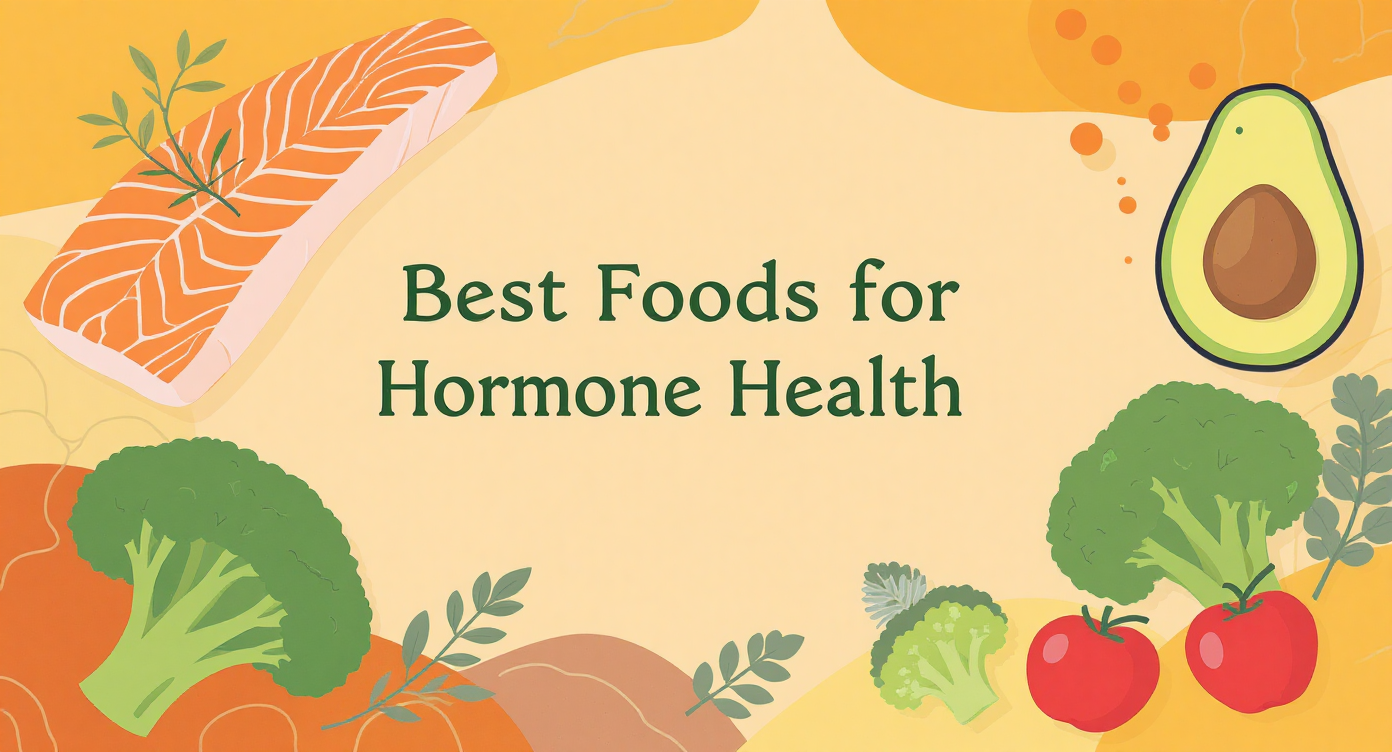
As we look forward, the best foods for hormone health in 2026 focus on supporting your body’s natural ability to produce, transport, and eliminate hormones efficiently.
For health-conscious women between 20 and 55, understanding the connection between your plate and your endocrine system is empowering.
Modern life exposes us to chronic stress and environmental toxins that disrupt delicate chemical messengers, making targeted nutrition more critical than ever.
Research in 2025 has increasingly highlighted the “gut-hormone axis,” showing that what we eat directly influences how our hormones communicate.
By incorporating specific nutrient-dense foods, you can actively manage symptoms like fatigue, irregular cycles, and mood swings.
1. Cruciferous Vegetables: The Estrogen detoxifiers
Broccoli and Broccoli Sprouts
Broccoli remains a powerhouse for hormonal health due to its high levels of glucosinolates. When you chew/chop broccoli, these compounds convert into indole-3-carbinol (I3C) and diindolylmethane (DIM). These bioactive agents support the liver’s detoxification pathways, specifically helping to metabolize excess estrogen safely. This is crucial for preventing estrogen dominance, which is linked to PMS and fibroids.
Cauliflower and Brussels Sprouts
Like broccoli, cauliflower and Brussels sprouts are rich in sulfur compounds that aid liver function. They are also packed with fiber, which binds to spent hormones in the gut and ensures they are excreted rather than reabsorbed. Aim for at least one cup of cooked cruciferous vegetables daily to keep your detoxification pathways open.
2. Healthy Fats: The Building Blocks of Hormones
Avocados for Progesterone Support
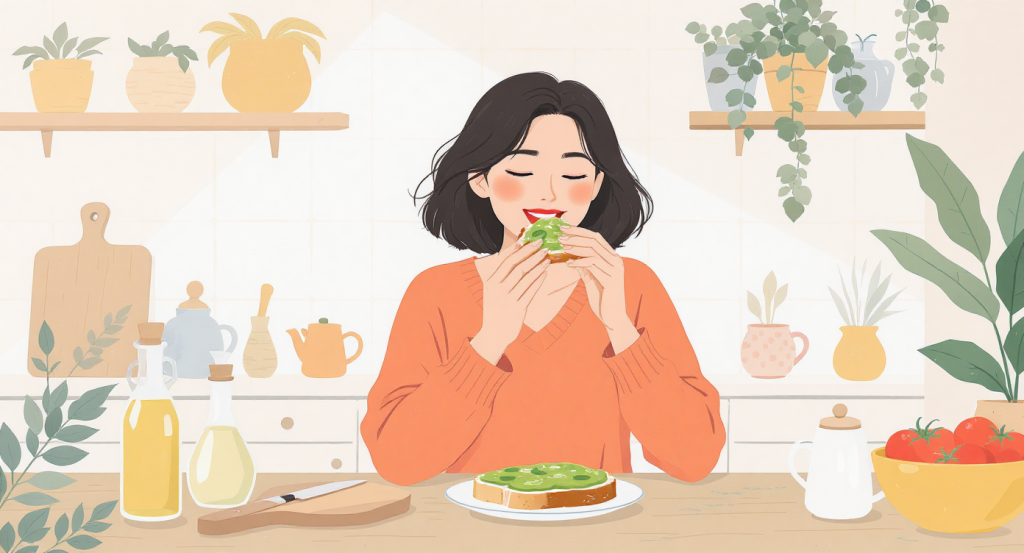
Avocados are essential because steroid hormones (like estrogen and progesterone) are synthesized from cholesterol and healthy fats. They contain beta-sitosterol, a plant sterol that can help balance the stress hormone cortisol. Including half an avocado in your lunch provides the raw materials your body needs to maintain stable hormone levels throughout the day.
Wild-Caught Salmon and Fatty Fish
Rich in omega-3 fatty acids, wild-caught salmon is one of the best foods for hormone health in 2026 for reducing inflammation. Inflammation can block hormone receptors, preventing your hormones from doing their job. Studies indicate that omega-3 supplementation can significantly lower FSH levels in women, potentially delaying ovarian aging and improving fertility.
Nuts and Seeds
Walnuts, chia seeds, and flaxseeds offer a diverse profile of healthy fats and minerals. Flaxseeds, in particular, contain lignans—phytoestrogens that modulate estrogen levels by binding to receptors and providing a weak estrogenic effect if levels are low, or blocking stronger estrogens if levels are too high. This adaptogenic quality makes them invaluable for women in perimenopause.
3. Fermented Foods: Guardians of the Gut-Hormone Axis
Kimchi and Sauerkraut
Your gut microbiome plays a central role in regulating hormones, particularly estrogen, through a group of bacteria called the “estrobolome”. Fermented vegetables like kimchi and sauerkraut introduce beneficial probiotics that support this microbial diversity. A healthy estrobolome ensures that estrogen is properly metabolized and not recirculated into the bloodstream.
Kefir and Yogurt
Probiotic-rich dairy or coconut kefir provides beneficial bacteria alongside protein. Regular consumption of fermented foods has been shown to stabilize the gut microbiome and may influence metabolic hormones like insulin and leptin. Choose unsweetened varieties to avoid blood sugar spikes that can trigger cortisol release.
4. Antioxidant-Rich Fruits: Combatting Oxidative Stress
Dark Berries
Blueberries, blackberries, and raspberries are loaded with antioxidants that protect endocrine glands from oxidative stress. High oxidative stress can damage the ovaries and thyroid, impairing hormone production. The fiber in berries also helps manage blood sugar levels, preventing insulin resistance which is a common driver of PCOS.
Pomegranates
Pomegranates offer unique benefits by blocking excess estrogen production through natural aromatase inhibition. They also support cardiovascular health, which is vital for efficient hormone transport via the bloodstream. Sprinkle pomegranate seeds on salads or yogurt for a crunchy, tart nutrient boost.
5. High-Quality Proteins: Satiety and Synthesis
Pasture-Raised Eggs
Eggs are a nutrient-dense source of protein and choline, which supports nervous system health. The yolk contains essential fatty acids and vitamins A and D, both critical for thyroid function and sex hormone balance. Eating whole eggs provides the cholesterol needed for hormone synthesis without negatively impacting heart health for most people.
Quinoa and Plant Proteins
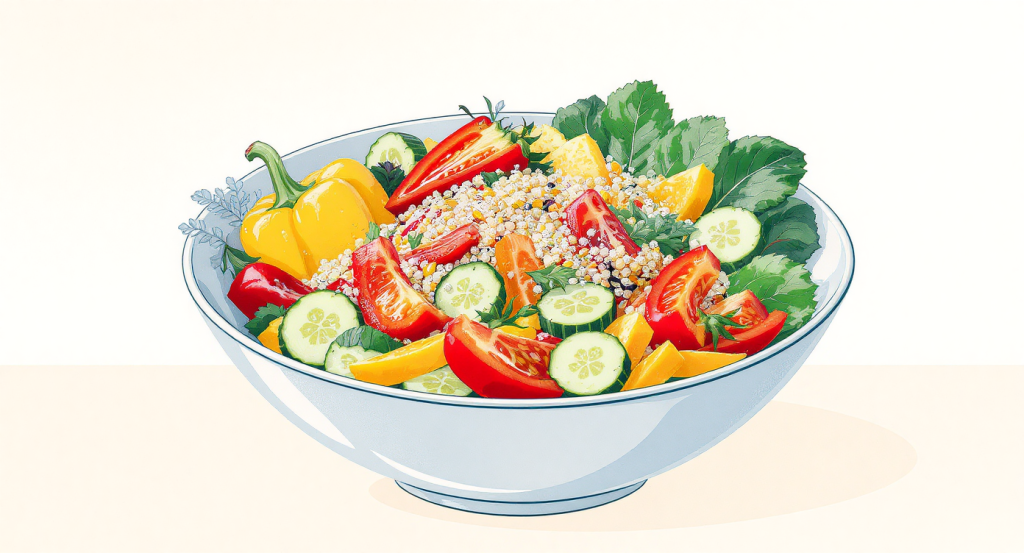
Quinoa is a complete protein containing all nine essential amino acids necessary for hormone production. It is also a complex carbohydrate that digests slowly, preventing the blood sugar crashes that trigger adrenaline and cortisol spikes. Its high magnesium content further supports sleep and muscle relaxation.
6. Root Vegetables: Grounding and Nourishing
Sweet Potatoes
Sweet potatoes are rich in Vitamin B6, which supports the liver in detoxifying excess hormones. They also provide healthy carbohydrates that stimulate the production of serotonin, the “feel-good” neurotransmitter. Their natural sweetness can satisfy cravings without the drastic blood sugar spikes caused by refined sugars.
Carrots
Raw carrots contain unique fibers that bind to endotoxins and excess estrogen in the digestive tract. The “raw carrot salad” trend remains relevant in 2026 because of its simplicity and effectiveness in supporting gut clearance. Eating one raw carrot daily can assist in normalizing bowel movements and hormone excretion.
7. Spices and Adaptogens: The Balancing Act
Turmeric
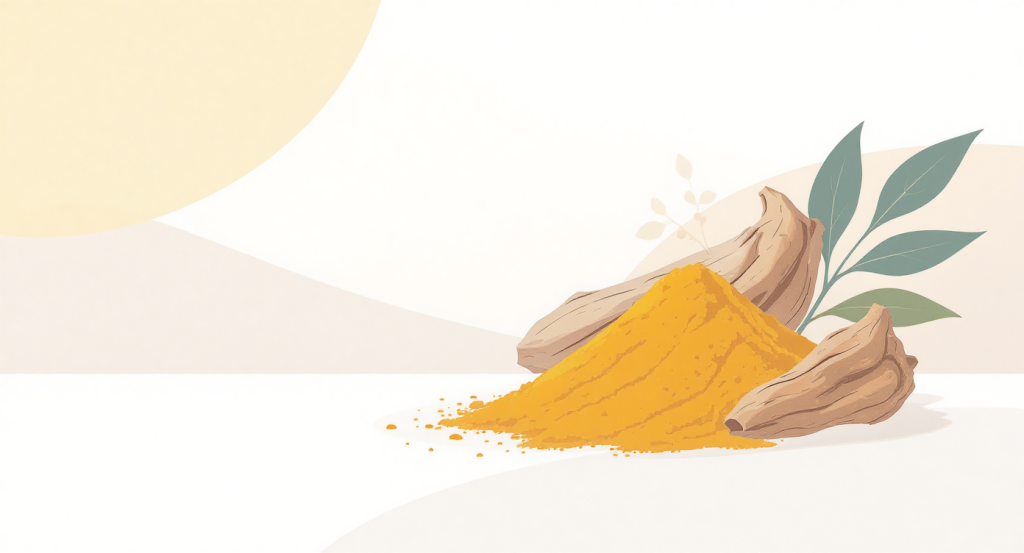
The active compound curcumin in turmeric reduces systemic inflammation, which is often the root cause of hormonal chaos. It supports liver health and has been shown to improve insulin sensitivity. Add black pepper to turmeric to increase its absorption by up to 2000%.
Ashwagandha and Maca
While not foods in the traditional sense, these adaptogenic herbs are powerful additions to a hormone-balancing diet. Ashwagandha helps the body manage stress by regulating cortisol levels, while Maca has been used for centuries to boost libido and energy. They can easily be incorporated into smoothies or warm beverages.
Lifestyle and Preparation Tips for 2026
Cooking Methods Matter
How you cook your food influences its hormonal impact. Steaming cruciferous vegetables preserves their nutrients better than boiling. Avoid using plastic containers for heating food, as they can leach xenoestrogens (hormone disruptors) into your meals. Glass and stainless steel are safer choices for your hormonal health.
Meal Timing and Consistency
Eating at consistent times helps regulate your circadian rhythm, which governs cortisol and melatonin production. Skipping meals can cause blood sugar to drop, prompting your body to release stress hormones. Aim for a balanced breakfast within an hour of waking to signal safety to your metabolic system.
Frequently Asked Questions
What are the absolute best foods for hormone health in 2026?
The best foods for hormone health in 2026 include cruciferous vegetables like broccoli and cauliflower, which support estrogen detoxification. Healthy fats from avocados and wild-caught salmon provide the structural building blocks for hormones. Fermented foods like kimchi and kefir are essential for maintaining a healthy gut-hormone axis. Additionally, flaxseeds and berries offer fiber and antioxidants that protect endocrine glands from inflammation.
Can diet really fix hormonal imbalance?
Yes, diet acts as a foundational treatment for hormonal imbalance by addressing the root causes like inflammation and insulin resistance. Nutrient-dense foods provide the raw materials for hormone synthesis and support the liver in eliminating excess hormones. Studies show that dietary changes can significantly improve conditions like PCOS and thyroid dysfunction. However, severe imbalances may require medical intervention alongside nutritional support.
How do healthy fats affect my hormones?
Healthy fats are critical because steroid hormones, including estrogen, progesterone, and testosterone, are made from cholesterol. Diets low in fat can inhibit your body’s ability to produce sufficient hormones, leading to cycle irregularities and low libido. Omega-3 fatty acids found in fish also reduce inflammation, which improves the sensitivity of hormone receptors.
Why are fermented foods important for hormones?
Fermented foods support the “estrobolome,” a collection of gut bacteria responsible for metabolizing and regulating circulating estrogen. A healthy gut microbiome prevents the reabsorption of waste hormones, reducing the risk of estrogen dominance. Regular consumption of probiotics from foods like sauerkraut and yogurt also helps lower systemic inflammation.
Does intermittent fasting help with hormone balance?
Intermittent fasting can improve insulin sensitivity, which is beneficial for hormones, but it must be practiced carefully by women. Prolonged fasting can sometimes trigger a cortisol response in women, potentially disrupting menstrual cycles. It is often recommended to fast for shorter windows (like 12-14 hours) and ensure you are eating enough nutrient-dense calories during your feeding window.
What foods should I avoid for hormone balance?
To protect your hormones, minimize processed foods, added sugars, and inflammatory vegetable oils, which can trigger insulin resistance. Conventional meat and dairy may contain synthetic hormones and antibiotics that disrupt your own endocrine system. Excessive alcohol and caffeine can also burden the liver, impairing its ability to detoxify hormones effectively.
Are soy products good or bad for hormones?
Whole soy foods like tofu, tempeh, and edamame contain phytoestrogens, which can have a balancing effect on estrogen levels. For most women, moderate consumption of organic soy is beneficial and may reduce breast cancer risk and menopausal symptoms. However, highly processed soy isolates found in fake meats should generally be avoided.
How does blood sugar affect hormones?
Blood sugar stability is the cornerstone of hormonal health because high insulin levels can stimulate the ovaries to produce excess testosterone, leading to PCOS symptoms. Chronic blood sugar spikes also stress the adrenal glands, leading to cortisol imbalances. Eating protein and healthy fat with every meal helps maintain stable glucose levels.
What is the best breakfast for hormone health?
A savory, protein-rich breakfast is ideal for setting a healthy hormone rhythm for the day. Eggs with avocado and spinach or a smoothie with protein powder, flaxseeds, and berries are excellent choices. Avoiding sugary cereals and pastries prevents an early morning insulin spike that can crash your energy later.
Can seeds really help balance my cycle?
Yes, “seed cycling”—eating flax and pumpkin seeds during the first half of your cycle and sesame and sunflower seeds during the second half—is a popular natural strategy. Flax seeds support estrogen metabolism, while zinc in pumpkin seeds supports progesterone production. While large-scale clinical trials are limited, the nutritional density of these seeds undoubtedly supports endocrine health.
Conclusion: Nourish Your Body, Balance Your Life
Achieving hormonal harmony is a journey that begins with your next meal. By prioritizing the best foods for hormone health in 2026—like cruciferous vegetables, healthy fats, and fermented foods—you provide your body with the essential tools it needs to thrive. These nutritional choices do more than just manage symptoms; they build a foundation for long-term vitality, emotional stability, and physical resilience.
Remember that consistency is key. You don’t need to be perfect, but making conscious, nutrient-dense choices most of the time will yield profound results. Trust in the power of food to heal and restore your natural rhythm.
Explore more evidence-based nutrition guides to optimize your health and wellness on the Hormone Health page.